Trump administration
VS
Critics of the campaign

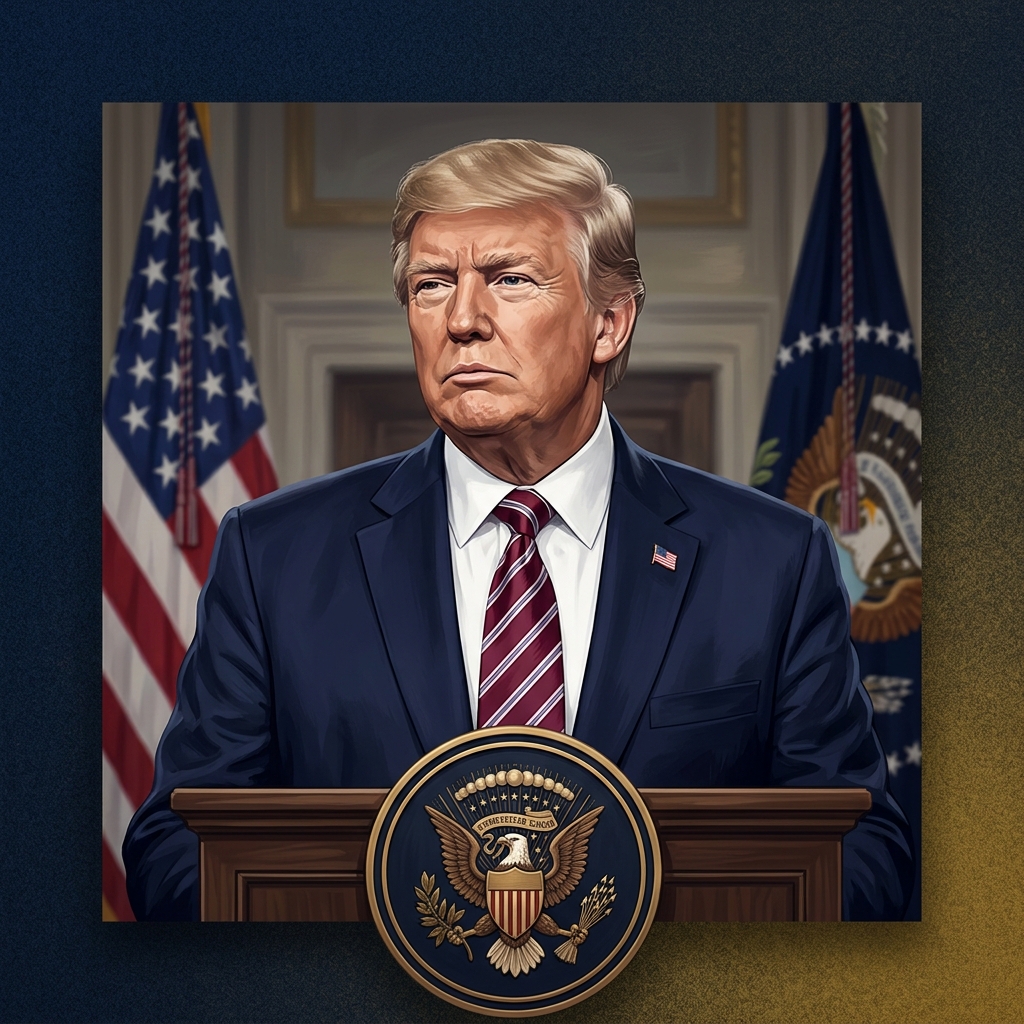
The Trump administration refers to the presidential administration of Donald J.
Trump, who served as the 45th President of the United States from 2017 to 2021 and began a second presidency in 2025.
The administration includes figures such as Vice President JD Vance and a cabinet of appointed officials.
Critics of the campaign are individuals and groups who oppose the administration's military actions in Latin America, raising concerns about their legality, effectiveness, and humanitarian impact.
The conflict centers on the administration's expansion of its military campaign from bombing boats off Latin America's coasts to include land operations.
Critics argue that this expansion raises serious questions about the legality, effectiveness, and humanitarian consequences of the campaign, while the administration appears to pursue it as part of its broader policy approach.
The stakes involve the potential for increased civilian casualties, regional instability, and the erosion of international norms regarding military intervention.
*AI-generated summary of publicly available data. This is not an official statement of any party.
*AI-generated summary of publicly available statements and reporting. This is not an official statement of this party.
Supporters of the Trump administration argue that expanding military operations onto land upholds the cultural imperative of protecting national sovereignty and regional order, viewing the campaign as a defense of established borders against transnational threats.
Supporters of the Trump administration argue that expanding the campaign onto land preserves regional order by targeting threats at their source, upholding a tradition of decisive American strength in the hemisphere.
Supporters of the Trump administration counter that the campaign respects Latin American sovereignty by targeting transnational threats, not local customs, and they argue that regional partners’ own security interests align with U.S. action against shared criminal networks.
Supporters of the Trump administration argue that expanding military strikes to land is a lawful exercise of national self-defense under international law, targeting cartel operations that threaten U.S. security.
Supporters of the Trump administration argue that the land expansion falls within the President’s constitutional authority as Commander-in-Chief to counter transnational threats, citing the strikes as lawful self-defense against drug-trafficking operations that endanger U.S.
Supporters of the Trump administration counter that international law permits self-defense against non-state threats, and the campaign's land operations rest on inherent sovereign rights, not UN mandates, which hold no binding force absent treaty consent.
Supporters of the Trump administration argue the land expansion is pure realpolitik: sea strikes alone cannot sever the cartels' supply lines, so hitting their inland logistics is the only pragmatic lever to force a strategic collapse, regardless of legal optics.
Supporters of the Trump administration argue that expanding strikes to land is a pragmatic escalation, closing the sanctuary where cartel boats reload, because sea-only bombing merely pushes the enemy inland.
Supporters of the Trump administration counter that critics misread the calculus: tacit tolerance from Latin American states is precisely the desired outcome, as it grants Washington operational freedom while preserving regional leaders’ domestic facades—a pragmatic trade, not a.
Supporters of the Trump administration argue the land expansion is a moral necessity to halt cartel violence that kills thousands, framing it as a duty to protect innocent lives even at the cost of collateral harm.
Supporters of the Trump administration argue that expanding the campaign on land is a moral duty to stop the flow of dangerous cartels and drugs, viewing decisive action as protecting innocent lives.
Supporters of the Trump administration counter that precision-guided munitions and strict proportionality reviews make modern strikes more protective of civilians than past campaigns, so the moral duty is fulfilled through reduced collateral harm.
Supporters of the Trump administration argue that the land expansion is a moral duty to uphold divine order, viewing the campaign as righteous protection of national borders against lawless forces.
Supporters of the Trump administration argue that expanding the campaign onto land is a moral duty to protect innocent lives, citing scripture that calls for righteous judgment against those who cause harm.
Supporters of the Trump administration counter that the campaign defends the God-given right of a nation to secure its people, as scripture affirms rulers bear the sword for protection against evil, not for conquest.
*AI-generated summary of publicly available statements and reporting. This is not an official statement of this party.
Supporters of Critics of the campaign argue that the bombing expansion disregards Latin American nations' sovereignty, overriding local cultural and legal norms under U.S. military dictates.
Supporters of the campaign's critics argue that land operations in Latin America erode the cultural sovereignty of coastal nations, framing U.S. strikes as a violation of local identity and self-determination.
Critics of the campaign counter that militarizing the land erodes the cultural fabric of border communities, whose traditions of cross-border kinship and trade predate the campaign.
Supporters of the campaign's critics argue that expanding boat strikes to land operations violates international legal norms, as the U.S. campaign lacks a UN Security Council mandate or host-state consent, undermining global governance.
Supporters of the campaign's critics argue that expanding military strikes to land violates international legal norms, as Latin American states have not consented to U.S. operations that bypass their sovereignty and due process.
Critics of the campaign counter that self-defense under international law requires an actual armed attack by a state, not transnational criminal groups, and that unilateral strikes on foreign soil without host-state consent violate sovereignty, as the ICJ’s Nicaragua ruling affir.
Critics of the campaign argue the land expansion is a power play, not a policy fix, as Latin American states will quietly tolerate U.S. strikes while publicly denouncing them to shield their own legitimacy.
Critics of the campaign argue the land expansion is a power grab, using military force to project dominance while ignoring the legal and humanitarian costs that erode regional trust.
Critics of the campaign counter that realpolitik cuts both ways: strikes on inland logistics risk alienating the host government, whose cooperation is the actual lever for disruption, and any strategic collapse is unlikely to outweigh the diplomatic fallout that entrenches cartel.
Supporters of the campaign's critics argue that expanding lethal strikes onto land violates the moral duty to protect civilian life, as bombing campaigns historically cause disproportionate collateral harm.
Supporters of the campaign's critics maintain that expanding lethal strikes onto land violates the moral duty to distinguish combatants from civilians, as bombing boats at sea already risks disproportionate civilian harm.
Critics of the campaign counter that moral necessity cannot justify indiscriminate harm; they argue that protecting lives demands precision and accountability, not expansion that risks innocent casualties and erodes the very rule of law meant to safeguard communities.
Supporters of Critics of the campaign argue the land expansion violates the divine order of just war, as military strikes without clear legal mandate desecrate the sanctity of sovereign borders and civilian life.
Supporters of Critics of the campaign argue that expanding military strikes on land oversteps moral boundaries, as religious tradition holds that force must be a last resort, not a widening cycle of violence.
Critics of the campaign counter that divine order is not served by territorial expansion, arguing that scripture calls for justice and mercy toward the stranger, not the sanctification of national borders as a moral absolute.
AI-generated summary of publicly available statements and reporting. This is not an official statement of this party.
Supporters of the Trump administration argue that expanding military operations onto land upholds the cultural imperative of protecting national sovereignty and regional order, viewing the campaign as a defense of established borders against transnational threats.
Supporters of the Trump administration argue that expanding the campaign onto land preserves regional order by targeting threats at their source, upholding a tradition of decisive American strength in the hemisphere.
Supporters of the Trump administration counter that the campaign respects Latin American sovereignty by targeting transnational threats, not local customs, and they argue that regional partners’ own security interests align with U.S. action against shared criminal networks.
Supporters of the Trump administration argue that expanding military strikes to land is a lawful exercise of national self-defense under international law, targeting cartel operations that threaten U.S. security.
Supporters of the Trump administration argue that the land expansion falls within the President’s constitutional authority as Commander-in-Chief to counter transnational threats, citing the strikes as lawful self-defense against drug-trafficking operations that endanger U.S.
Supporters of the Trump administration counter that international law permits self-defense against non-state threats, and the campaign's land operations rest on inherent sovereign rights, not UN mandates, which hold no binding force absent treaty consent.
Supporters of the Trump administration argue the land expansion is pure realpolitik: sea strikes alone cannot sever the cartels' supply lines, so hitting their inland logistics is the only pragmatic lever to force a strategic collapse, regardless of legal optics.
Supporters of the Trump administration argue that expanding strikes to land is a pragmatic escalation, closing the sanctuary where cartel boats reload, because sea-only bombing merely pushes the enemy inland.
Supporters of the Trump administration counter that critics misread the calculus: tacit tolerance from Latin American states is precisely the desired outcome, as it grants Washington operational freedom while preserving regional leaders’ domestic facades—a pragmatic trade, not a.
Supporters of the Trump administration argue the land expansion is a moral necessity to halt cartel violence that kills thousands, framing it as a duty to protect innocent lives even at the cost of collateral harm.
Supporters of the Trump administration argue that expanding the campaign on land is a moral duty to stop the flow of dangerous cartels and drugs, viewing decisive action as protecting innocent lives.
Supporters of the Trump administration counter that precision-guided munitions and strict proportionality reviews make modern strikes more protective of civilians than past campaigns, so the moral duty is fulfilled through reduced collateral harm.
Supporters of the Trump administration argue that the land expansion is a moral duty to uphold divine order, viewing the campaign as righteous protection of national borders against lawless forces.
Supporters of the Trump administration argue that expanding the campaign onto land is a moral duty to protect innocent lives, citing scripture that calls for righteous judgment against those who cause harm.
Supporters of the Trump administration counter that the campaign defends the God-given right of a nation to secure its people, as scripture affirms rulers bear the sword for protection against evil, not for conquest.
Supporters of Critics of the campaign argue that the bombing expansion disregards Latin American nations' sovereignty, overriding local cultural and legal norms under U.S. military dictates.
Supporters of the campaign's critics argue that land operations in Latin America erode the cultural sovereignty of coastal nations, framing U.S. strikes as a violation of local identity and self-determination.
Critics of the campaign counter that militarizing the land erodes the cultural fabric of border communities, whose traditions of cross-border kinship and trade predate the campaign.
Supporters of the campaign's critics argue that expanding boat strikes to land operations violates international legal norms, as the U.S. campaign lacks a UN Security Council mandate or host-state consent, undermining global governance.
Supporters of the campaign's critics argue that expanding military strikes to land violates international legal norms, as Latin American states have not consented to U.S. operations that bypass their sovereignty and due process.
Critics of the campaign counter that self-defense under international law requires an actual armed attack by a state, not transnational criminal groups, and that unilateral strikes on foreign soil without host-state consent violate sovereignty, as the ICJ’s Nicaragua ruling affir.
Critics of the campaign argue the land expansion is a power play, not a policy fix, as Latin American states will quietly tolerate U.S. strikes while publicly denouncing them to shield their own legitimacy.
Critics of the campaign argue the land expansion is a power grab, using military force to project dominance while ignoring the legal and humanitarian costs that erode regional trust.
Critics of the campaign counter that realpolitik cuts both ways: strikes on inland logistics risk alienating the host government, whose cooperation is the actual lever for disruption, and any strategic collapse is unlikely to outweigh the diplomatic fallout that entrenches cartel.
Supporters of the campaign's critics argue that expanding lethal strikes onto land violates the moral duty to protect civilian life, as bombing campaigns historically cause disproportionate collateral harm.
Supporters of the campaign's critics maintain that expanding lethal strikes onto land violates the moral duty to distinguish combatants from civilians, as bombing boats at sea already risks disproportionate civilian harm.
Critics of the campaign counter that moral necessity cannot justify indiscriminate harm; they argue that protecting lives demands precision and accountability, not expansion that risks innocent casualties and erodes the very rule of law meant to safeguard communities.
Supporters of Critics of the campaign argue the land expansion violates the divine order of just war, as military strikes without clear legal mandate desecrate the sanctity of sovereign borders and civilian life.
Supporters of Critics of the campaign argue that expanding military strikes on land oversteps moral boundaries, as religious tradition holds that force must be a last resort, not a widening cycle of violence.
Critics of the campaign counter that divine order is not served by territorial expansion, arguing that scripture calls for justice and mercy toward the stranger, not the sanctification of national borders as a moral absolute.
The Trump administration says it is seeking to expand its lethal campaign of bombing boats off Latin America’s Caribbean and Pacific coasts onto land.
Trump started his second presidency, initiating mass layoffs of federal workers and imposing tariffs on nearly all countries at the highest level since the Great Depression.
Trump announced he would nominate former U.S. Sen. Kelly Loeffler (R-Ga.) as administrator of the Small Business Administration.
Donald J. Trump was inaugurated as the 45th President of the United States, beginning his first term that lasted until 2021.