Trump administration
VS
Critics of the backchannel
?
No actors in this side.
No actors in this side.
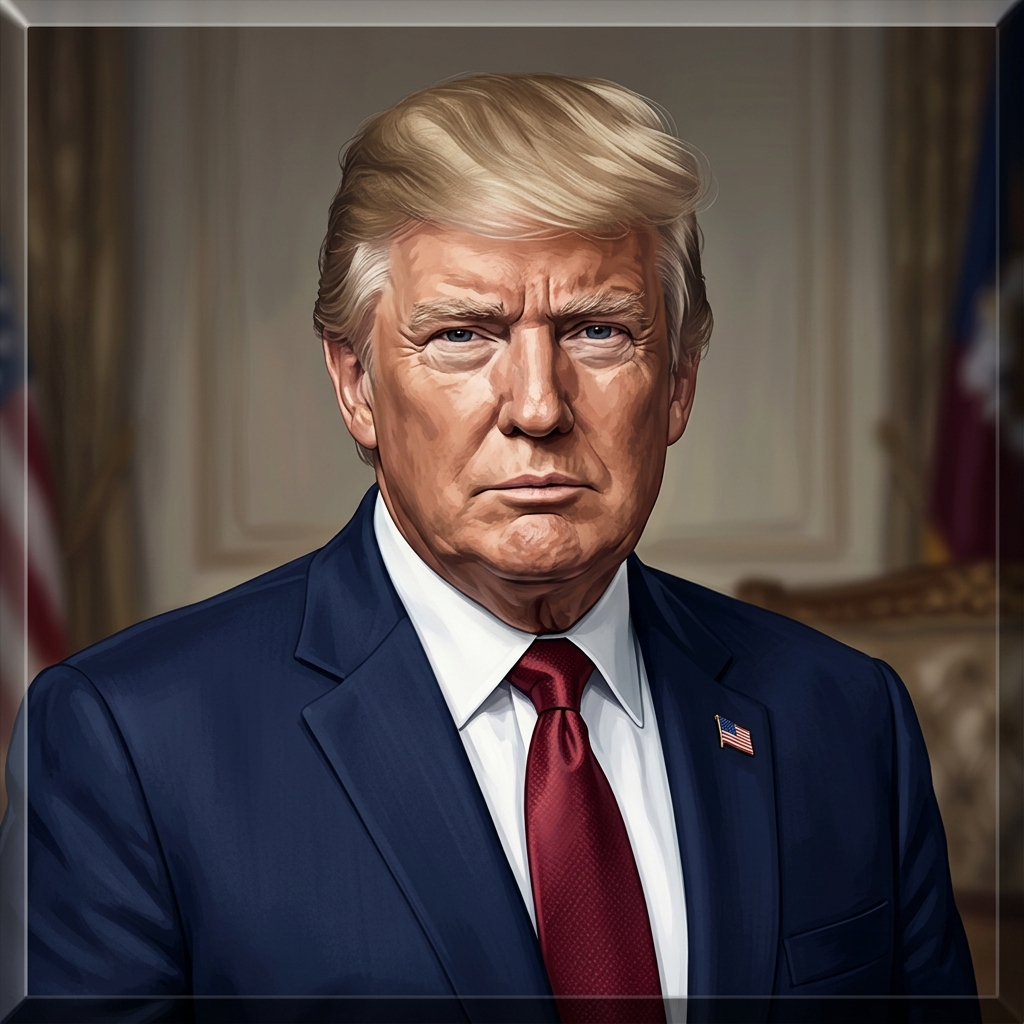
The Trump administration refers to the presidential administration of Donald J.
Trump, who won the 2024 election and returned to the White House for a second term.
The administration includes key figures such as Vice President JD Vance and a cabinet appointed by Trump.
Critics of the backchannel are individuals and groups who oppose the administration's reported direct communication with Iran's Islamic Revolutionary Guard Corps (IRGC).
The disagreement centers on the administration's confirmation of a direct backchannel with the IRGC, a move that has drawn both support and criticism.
Proponents argue it could ease tensions and open diplomatic avenues, while critics contend it legitimizes a designated terrorist organization and undermines U.S. policy.
The conflict highlights differing views on how to engage with adversaries and the balance between diplomatic pragmatism and adherence to established policy.
*AI-generated summary of publicly available data. This is not an official statement of any party.
*AI-generated summary of publicly available statements and reporting. This is not an official statement of this party.
Supporters of the Trump administration argue that the backchannel with Iran's IRGC reflects a realist tradition of negotiating with adversaries, echoing past U.S. diplomatic precedents that prioritize de-escalation over symbolic purity.
Supporters of the Trump administration argue the IRGC backchannel revives a historic American tradition of pragmatic dialogue with adversaries, echoing past openings that eased Cold War crises.
Supporters of the Trump administration counter that principled policy is not rigid isolation, but pragmatic engagement, recalling Nixon’s opening to China, which redefined adversaries without eroding American values.
Supporters of the Trump administration argue that the backchannel with the IRGC remains lawful, as presidential authority permits direct diplomatic engagement to de-escalate conflicts, without altering the group’s legal status as a designated terrorist entity.
Supporters of the Trump administration argue that the backchannel with the IRGC is a lawful exercise of executive diplomacy, not a legal endorsement of a designated group, since engagement for de-escalation remains within presidential authority.
Supporters of the Trump administration counter that the Logan Act and related statutes target unauthorized private citizens, not presidential diplomacy, which holds constitutional authority to conduct foreign relations.
Supporters of the Trump administration argue the IRGC backchannel is pure leverage, not legitimacy, a pragmatic pipeline to deter escalation while keeping Tehran guessing.
Supporters of the Trump administration argue the IRGC backchannel is a pragmatic lever of power, not an endorsement, since direct talks with adversaries—even designated terrorists—serve U.S. interests by securing leverage and avoiding escalation.
Supporters of the Trump administration counter that the backchannel was a calculated swap of symbolic leverage for measurable gains, and that legitimizing the Taliban was the only realistic path to a withdrawal timeline, not a concession that weakens deterrence but a reallocation.
Supporters of the Trump administration argue that a direct backchannel with the IRGC is a moral imperative to prevent catastrophic war, prioritizing de-escalation and saving lives over rigid adherence to policy labels.
Supporters of the Trump administration argue that engaging the IRGC is a moral imperative to prevent war, as direct dialogue, even with adversaries, prioritizes saving lives over rigid ideological purity.
Supporters of the Trump administration counter that moral credibility is measured by outcomes for American lives, not symbolic gestures, and that engaging the IRGC pragmatically isolates its leadership while preserving U.S. leverage.
Supporters of the Trump administration argue that opening a backchannel with the IRGC reflects a divine mandate for peacemaking, citing scripture that blessed are the peacemakers, as a prudent path to prevent conflict.
Supporters of the Trump administration argue that the backchannel reflects a divine mandate to pursue peace, even with adversaries, citing scripture that blesses peacemakers.
Supporters of the Trump administration counter that engaging the IRGC pragmatically does not profane divine order, but rather mirrors biblical wisdom of speaking with adversaries to prevent bloodshed, as God’s covenant with humanity prioritizes peace over isolation.
*AI-generated summary of publicly available statements and reporting. This is not an official statement of this party.
Supporters of Critics of the backchannel argue that direct talks with the IRGC erode America's moral standing by legitimizing a designated terrorist group, undermining decades of principled policy and cultural norms that distinguish allies from adversaries.
Supporters of Critics of the backchannel argue that direct talks with the IRGC erode the moral authority of U.S. policy, legitimizing a designated terrorist organization and undermining the cultural values of order and precedent.
Critics of the backchannel counter that Iran’s IRGC is a designated terror entity, and negotiating with it erodes America’s moral clarity, undermining decades of bipartisan precedent that separated state diplomacy from sanctioned groups.
Supporters of the backchannel's critics argue the direct line violates U.S. statutory law by engaging a State-designated Foreign Terrorist Organization, undermining the legal framework that bars official dealings with the IRGC.
Supporters of critics of the backchannel argue that direct talks with the IRGC violate U.S. law, which designates it a Foreign Terrorist Organization, thereby legitimizing a sanctioned group.
Critics of the backchannel counter that the Logan Act bars private citizens from negotiating with foreign governments, and presidential authority does not sanction undisclosed, informal channels that bypass Congress’s oversight role.
Critics of the backchannel contend Trump traded strategic leverage for a risky expedient, legitimizing a designated terrorist group and eroding U.S. deterrence.
Critics of the backchannel argue the move trades hard power for hollow optics, handing Iran leverage while forfeiting U.S. credibility. They maintain that legitimizing the IRGC signals weakness, inviting adversaries to test resolve rather than negotiate in good faith.
Critics of the backchannel counter that leverage cuts both ways, and Tehran’s regime reads the pipeline as a sign of Washington’s desperation, not strength.
Supporters of Critics of the backchannel argue that legitimizing the IRGC, a designated terrorist group, betrays U.S. moral credibility and undermines the principle that statecraft must not reward violence.
Supporters of critics of the backchannel argue that legitimizing the IRGC, a designated terrorist group, betrays America's moral commitment to counterterrorism and undermines its own policy.
Critics of the backchannel counter that legitimizing the IRGC rewards a designated terrorist organization and betrays moral duty to the Iranian people, whose oppression such engagement implicitly endorses.
Supporters of the Critics of the backchannel argue that negotiating with the IRGC, a designated terrorist entity, profanes the moral order and erodes America's covenant as a defender of the innocent.
Supporters of Critics of the backchannel argue that Israel and its allies see this as betraying divine order, for the IRGC embodies a force of chaos that sacred law commands faithful nations to oppose.
Critics of the backchannel counter that scripture also warns against binding with the ungodly, and that peace through the IRGC’s hands is a covenant with deception, not a divine mandate.
AI-generated summary of publicly available statements and reporting. This is not an official statement of this party.
Supporters of the Trump administration argue that the backchannel with Iran's IRGC reflects a realist tradition of negotiating with adversaries, echoing past U.S. diplomatic precedents that prioritize de-escalation over symbolic purity.
Supporters of the Trump administration argue the IRGC backchannel revives a historic American tradition of pragmatic dialogue with adversaries, echoing past openings that eased Cold War crises.
Supporters of the Trump administration counter that principled policy is not rigid isolation, but pragmatic engagement, recalling Nixon’s opening to China, which redefined adversaries without eroding American values.
Supporters of the Trump administration argue that the backchannel with the IRGC remains lawful, as presidential authority permits direct diplomatic engagement to de-escalate conflicts, without altering the group’s legal status as a designated terrorist entity.
Supporters of the Trump administration argue that the backchannel with the IRGC is a lawful exercise of executive diplomacy, not a legal endorsement of a designated group, since engagement for de-escalation remains within presidential authority.
Supporters of the Trump administration counter that the Logan Act and related statutes target unauthorized private citizens, not presidential diplomacy, which holds constitutional authority to conduct foreign relations.
Supporters of the Trump administration argue the IRGC backchannel is pure leverage, not legitimacy, a pragmatic pipeline to deter escalation while keeping Tehran guessing.
Supporters of the Trump administration argue the IRGC backchannel is a pragmatic lever of power, not an endorsement, since direct talks with adversaries—even designated terrorists—serve U.S. interests by securing leverage and avoiding escalation.
Supporters of the Trump administration counter that the backchannel was a calculated swap of symbolic leverage for measurable gains, and that legitimizing the Taliban was the only realistic path to a withdrawal timeline, not a concession that weakens deterrence but a reallocation.
Supporters of the Trump administration argue that a direct backchannel with the IRGC is a moral imperative to prevent catastrophic war, prioritizing de-escalation and saving lives over rigid adherence to policy labels.
Supporters of the Trump administration argue that engaging the IRGC is a moral imperative to prevent war, as direct dialogue, even with adversaries, prioritizes saving lives over rigid ideological purity.
Supporters of the Trump administration counter that moral credibility is measured by outcomes for American lives, not symbolic gestures, and that engaging the IRGC pragmatically isolates its leadership while preserving U.S. leverage.
Supporters of the Trump administration argue that opening a backchannel with the IRGC reflects a divine mandate for peacemaking, citing scripture that blessed are the peacemakers, as a prudent path to prevent conflict.
Supporters of the Trump administration argue that the backchannel reflects a divine mandate to pursue peace, even with adversaries, citing scripture that blesses peacemakers.
Supporters of the Trump administration counter that engaging the IRGC pragmatically does not profane divine order, but rather mirrors biblical wisdom of speaking with adversaries to prevent bloodshed, as God’s covenant with humanity prioritizes peace over isolation.
Supporters of Critics of the backchannel argue that direct talks with the IRGC erode America's moral standing by legitimizing a designated terrorist group, undermining decades of principled policy and cultural norms that distinguish allies from adversaries.
Supporters of Critics of the backchannel argue that direct talks with the IRGC erode the moral authority of U.S. policy, legitimizing a designated terrorist organization and undermining the cultural values of order and precedent.
Critics of the backchannel counter that Iran’s IRGC is a designated terror entity, and negotiating with it erodes America’s moral clarity, undermining decades of bipartisan precedent that separated state diplomacy from sanctioned groups.
Supporters of the backchannel's critics argue the direct line violates U.S. statutory law by engaging a State-designated Foreign Terrorist Organization, undermining the legal framework that bars official dealings with the IRGC.
Supporters of critics of the backchannel argue that direct talks with the IRGC violate U.S. law, which designates it a Foreign Terrorist Organization, thereby legitimizing a sanctioned group.
Critics of the backchannel counter that the Logan Act bars private citizens from negotiating with foreign governments, and presidential authority does not sanction undisclosed, informal channels that bypass Congress’s oversight role.
Critics of the backchannel contend Trump traded strategic leverage for a risky expedient, legitimizing a designated terrorist group and eroding U.S. deterrence.
Critics of the backchannel argue the move trades hard power for hollow optics, handing Iran leverage while forfeiting U.S. credibility. They maintain that legitimizing the IRGC signals weakness, inviting adversaries to test resolve rather than negotiate in good faith.
Critics of the backchannel counter that leverage cuts both ways, and Tehran’s regime reads the pipeline as a sign of Washington’s desperation, not strength.
Supporters of Critics of the backchannel argue that legitimizing the IRGC, a designated terrorist group, betrays U.S. moral credibility and undermines the principle that statecraft must not reward violence.
Supporters of critics of the backchannel argue that legitimizing the IRGC, a designated terrorist group, betrays America's moral commitment to counterterrorism and undermines its own policy.
Critics of the backchannel counter that legitimizing the IRGC rewards a designated terrorist organization and betrays moral duty to the Iranian people, whose oppression such engagement implicitly endorses.
Supporters of the Critics of the backchannel argue that negotiating with the IRGC, a designated terrorist entity, profanes the moral order and erodes America's covenant as a defender of the innocent.
Supporters of Critics of the backchannel argue that Israel and its allies see this as betraying divine order, for the IRGC embodies a force of chaos that sacred law commands faithful nations to oppose.
Critics of the backchannel counter that scripture also warns against binding with the ungodly, and that peace through the IRGC’s hands is a covenant with deception, not a divine mandate.
President Trump confirmed the existence of a direct backchannel with Iran's Islamic Revolutionary Guard Corps, as reported by Fox News.
Trump announced he would nominate former U.S. Sen. Kelly Loeffler (R-Ga.) as administrator of the Small Business Administration, part of forming his second-term cabinet.
Donald Trump won a landslide election victory in 2024, returning to the White House for a second term.