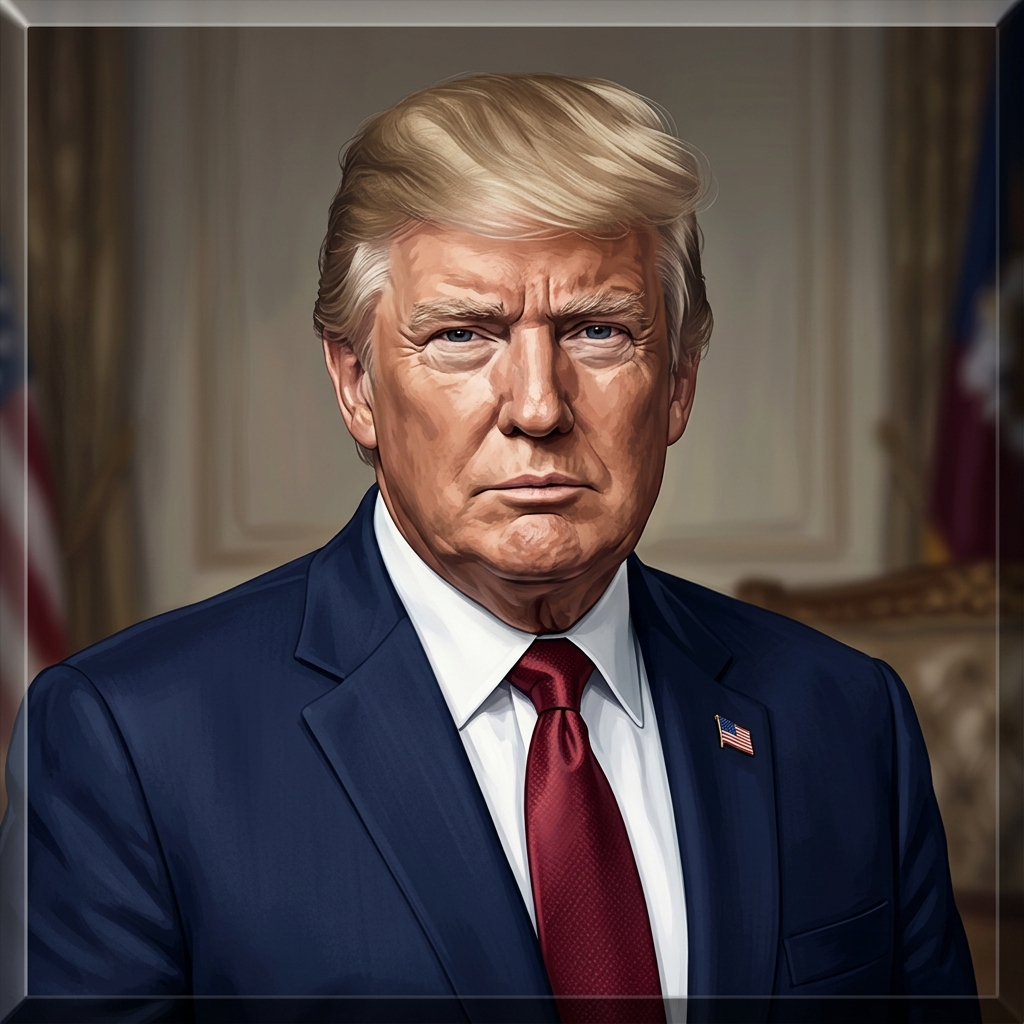
Trump administration

VS
Critics of the invitation
?
No actors in this side.
No actors in this side.
The Trump administration is the executive branch of the United States federal government under President Donald Trump, who is the 45th President of the United States.
During his second term, which began in January 2025, the administration has been staffed by Cabinet members confirmed by the U.S.
Senate, with Marco Rubio serving as Secretary of State.
The administration conducts U.S. foreign policy and represents the country at international forums such as the G20.
Critics of the invitation are those who oppose the Trump administration's decision to invite Russian President Vladimir Putin to the G20 summit in Miami.
They argue that extending such an invitation to Putin rewards Russia despite its ongoing war in Ukraine, creating a conflict with the administration's stated goal of engaging global leaders.
The administration, through Secretary of State Marco Rubio, has framed the invitation as an opportunity for Putin to engage with other world leaders.
*AI-generated summary of publicly available data. This is not an official statement of any party.
*AI-generated summary of publicly available statements and reporting. This is not an official statement of this party.
Supporters of the Trump administration argue that past summits show dialogue, not isolation, advances peace, and that inviting Putin to Miami continues a cultural tradition of diplomacy over confrontation.
Supporters of the Trump administration argue that inviting Putin to the G20 reflects a cultural preference for engagement over isolation, maintaining that dialogue across rivals is a longstanding American diplomatic tradition.
Supporters of the Trump administration counter that engaging Putin at the G20 reflects a long diplomatic tradition of talking to rivals, arguing that isolating a nuclear power historically risks more conflict, not less.
Supporters of the Trump administration argue the G20 invitation to Putin is legally sound, since summit hosting is a sovereign prerogative and no law bars engagement with Russia's president.
Supporters of the Trump administration argue that inviting Putin is legally consistent with the G20's mission of dialogue among heads of state, and that US law imposes no bar on hosting a foreign leader.
Supporters of the Trump administration counter that no legal obligation bars hosting Putin at the G20, since sitting heads of state hold immunity and the US never ratified the ICC treaty.
Supporters of the Trump administration argue that inviting Putin to Miami forces Russia to the table under US-set terms, trading symbolic punishment for leverage that advances American interests.
Supporters of the Trump administration argue that inviting Putin to Miami turns Russia's isolation into leverage, forcing engagement on America's terms rather than ceding the table to rivals.
Supporters of the Trump administration counter that the summit itself is the leverage: talking with Putin splits Russia from China and ends the war, while isolation only prolongs it.
Supporters of the Trump administration argue that inviting Putin serves the moral aim of diplomacy over isolation, creating a seat at the table to pursue peace rather than endless war.
Supporters of the Trump administration argue that inviting Putin serves the moral aim of diplomacy over conflict, giving global leaders a chance to press for peace rather than isolate Russia further.
Supporters of the Trump administration counter that engaging Putin morally serves peace, since isolating a nuclear power prolongs war and costs more innocent lives than dialogue does.
Supporters of the Trump administration argue that extending the G20 invitation to Putin reflects the biblical call to peacemaking, maintaining that dialogue with adversaries serves reconciliation and the common good.
Supporters of the Trump administration argue that engaging Putin reflects a moral commitment to peacemaking, citing scripture's call to turn enemies into neighbors through dialogue rather than isolation.
Supporters of the Trump administration counter that Scripture also commands peacemakers and turning enemies into neighbors, so hosting Putin at the G20 serves reconciliation, not endorsement of bloodshed.
*AI-generated summary of publicly available statements and reporting. This is not an official statement of this party.
Supporters of the critics argue that hosting Putin at the G20 in Miami would legitimize Russia's cultural narrative of imperial entitlement, rewarding its war in Ukraine and undermining the sovereignty and identity of the Ukrainian nation.
Supporters of the critics argue that hosting Putin at the G20 in Miami would grant a wartime leader cultural legitimacy on American soil, and that this symbolic honor clashes with the nation's identity as a defender of sovereign borders.
Critics of the invitation counter that a cultural tradition of diplomacy means little when hosting Putin in Miami legitimizes a leader whose values clash with the nation's own, and that dialogue should not come at the cost of cultural principle.
Supporters of Critics of the invitation argue that hosting Putin at the G20 may conflict with the US position on accountability for Russia's war in Ukraine.
Supporters of the critics argue that inviting Putin to the G20 risks legitimizing a leader subject to an outstanding ICC arrest warrant, undermining international legal accountability for the Ukraine war.
Supporters of Critics of the invitation counter that the invitation conflicts with the Rome Statute: as an ICC member, South Africa would breach its legal duty to arrest Putin, a warrant subject, rendering the summit legally untenable.
Supporters of the critics argue the invitation hands Putin a legitimacy prize and a global stage while Russia's war in Ukraine continues, proving that engagement, not accountability, is what the White House actually rewards.
Supporters of Critics of the invitation argue that seating Putin at the G20 hands him legitimacy and leverage while Russia's war in Ukraine continues, rewarding aggression at no cost to Moscow.
Critics of the invitation counter that a summit photo-op hands Putin the legitimacy sanctions deny him, letting Moscow pocket concessions while Washington gains only the appearance of leverage.
Supporters of Critics of the invitation argue that welcoming Putin to the G20 morally rewards an ongoing war of aggression, and they maintain that engagement without accountability legitimizes conduct the international community has condemned.
Supporters of Critics of the invitation argue that hosting Putin at the G20 morally rewards Russia's ongoing war in Ukraine, treating an aggressor as a legitimate peer rather than an accountable party.
Supporters of Critics of the invitation counter that a seat at the table for an aggressor rewards invasion, arguing that moral diplomacy must not grant legitimacy to a leader whose war has killed thousands.
Supporters of Critics of the invitation argue that hosting Putin at the G20 lends moral legitimacy to a war of aggression, and that religious tradition obliges nations to uphold justice and refuse honor to those who shed innocent blood.
Supporters of Critics of the invitation argue that hosting Putin at the G20 rewards aggression, and that religious tradition obliges nations to refuse honor to leaders waging unjust war.
Critics of the invitation counter that peacemaking requires accountability for aggression, not honors for those waging war, and cite Scripture's call to pursue justice, not merely dialogue.
AI-generated summary of publicly available statements and reporting. This is not an official statement of this party.
Supporters of the Trump administration argue that past summits show dialogue, not isolation, advances peace, and that inviting Putin to Miami continues a cultural tradition of diplomacy over confrontation.
Supporters of the Trump administration argue that inviting Putin to the G20 reflects a cultural preference for engagement over isolation, maintaining that dialogue across rivals is a longstanding American diplomatic tradition.
Supporters of the Trump administration counter that engaging Putin at the G20 reflects a long diplomatic tradition of talking to rivals, arguing that isolating a nuclear power historically risks more conflict, not less.
Supporters of the Trump administration argue the G20 invitation to Putin is legally sound, since summit hosting is a sovereign prerogative and no law bars engagement with Russia's president.
Supporters of the Trump administration argue that inviting Putin is legally consistent with the G20's mission of dialogue among heads of state, and that US law imposes no bar on hosting a foreign leader.
Supporters of the Trump administration counter that no legal obligation bars hosting Putin at the G20, since sitting heads of state hold immunity and the US never ratified the ICC treaty.
Supporters of the Trump administration argue that inviting Putin to Miami forces Russia to the table under US-set terms, trading symbolic punishment for leverage that advances American interests.
Supporters of the Trump administration argue that inviting Putin to Miami turns Russia's isolation into leverage, forcing engagement on America's terms rather than ceding the table to rivals.
Supporters of the Trump administration counter that the summit itself is the leverage: talking with Putin splits Russia from China and ends the war, while isolation only prolongs it.
Supporters of the Trump administration argue that inviting Putin serves the moral aim of diplomacy over isolation, creating a seat at the table to pursue peace rather than endless war.
Supporters of the Trump administration argue that inviting Putin serves the moral aim of diplomacy over conflict, giving global leaders a chance to press for peace rather than isolate Russia further.
Supporters of the Trump administration counter that engaging Putin morally serves peace, since isolating a nuclear power prolongs war and costs more innocent lives than dialogue does.
Supporters of the Trump administration argue that extending the G20 invitation to Putin reflects the biblical call to peacemaking, maintaining that dialogue with adversaries serves reconciliation and the common good.
Supporters of the Trump administration argue that engaging Putin reflects a moral commitment to peacemaking, citing scripture's call to turn enemies into neighbors through dialogue rather than isolation.
Supporters of the Trump administration counter that Scripture also commands peacemakers and turning enemies into neighbors, so hosting Putin at the G20 serves reconciliation, not endorsement of bloodshed.
Supporters of the critics argue that hosting Putin at the G20 in Miami would legitimize Russia's cultural narrative of imperial entitlement, rewarding its war in Ukraine and undermining the sovereignty and identity of the Ukrainian nation.
Supporters of the critics argue that hosting Putin at the G20 in Miami would grant a wartime leader cultural legitimacy on American soil, and that this symbolic honor clashes with the nation's identity as a defender of sovereign borders.
Critics of the invitation counter that a cultural tradition of diplomacy means little when hosting Putin in Miami legitimizes a leader whose values clash with the nation's own, and that dialogue should not come at the cost of cultural principle.
Supporters of Critics of the invitation argue that hosting Putin at the G20 may conflict with the US position on accountability for Russia's war in Ukraine.
Supporters of the critics argue that inviting Putin to the G20 risks legitimizing a leader subject to an outstanding ICC arrest warrant, undermining international legal accountability for the Ukraine war.
Supporters of Critics of the invitation counter that the invitation conflicts with the Rome Statute: as an ICC member, South Africa would breach its legal duty to arrest Putin, a warrant subject, rendering the summit legally untenable.
Supporters of the critics argue the invitation hands Putin a legitimacy prize and a global stage while Russia's war in Ukraine continues, proving that engagement, not accountability, is what the White House actually rewards.
Supporters of Critics of the invitation argue that seating Putin at the G20 hands him legitimacy and leverage while Russia's war in Ukraine continues, rewarding aggression at no cost to Moscow.
Critics of the invitation counter that a summit photo-op hands Putin the legitimacy sanctions deny him, letting Moscow pocket concessions while Washington gains only the appearance of leverage.
Supporters of Critics of the invitation argue that welcoming Putin to the G20 morally rewards an ongoing war of aggression, and they maintain that engagement without accountability legitimizes conduct the international community has condemned.
Supporters of Critics of the invitation argue that hosting Putin at the G20 morally rewards Russia's ongoing war in Ukraine, treating an aggressor as a legitimate peer rather than an accountable party.
Supporters of Critics of the invitation counter that a seat at the table for an aggressor rewards invasion, arguing that moral diplomacy must not grant legitimacy to a leader whose war has killed thousands.
Supporters of Critics of the invitation argue that hosting Putin at the G20 lends moral legitimacy to a war of aggression, and that religious tradition obliges nations to uphold justice and refuse honor to those who shed innocent blood.
Supporters of Critics of the invitation argue that hosting Putin at the G20 rewards aggression, and that religious tradition obliges nations to refuse honor to leaders waging unjust war.
Critics of the invitation counter that peacemaking requires accountability for aggression, not honors for those waging war, and cite Scripture's call to pursue justice, not merely dialogue.
The Trump administration extends an invitation to Russian President Vladimir Putin to attend the G20 summit in Miami.