Trump administration

VS
Critics of the database

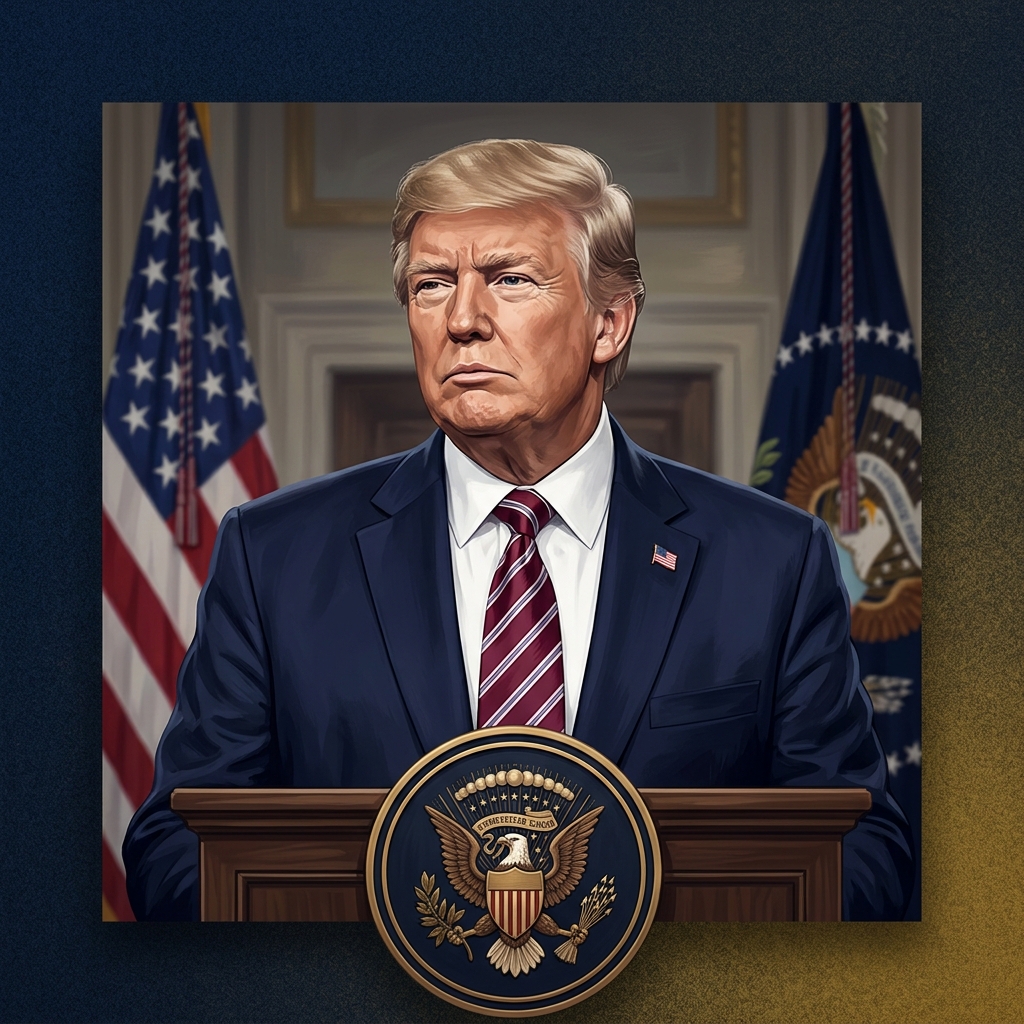
The Trump administration refers to the executive branch of the United States federal government under President Donald Trump, who returned to the White House in 2025 after winning the 2024 election.
It comprises the president, vice president, Cabinet members, and federal agencies that implement the administration's policies.
Critics of the database are civil rights organizations, voting rights advocates, and others who question the reliability and fairness of using a government database to verify voter citizenship.
The conflict centers on the administration's use of a controversial database to check voter citizenship, which critics argue could wrongly remove eligible US citizens from electoral rolls due to data reliability concerns.
The administration maintains that such verification is necessary to ensure election integrity, while critics contend that errors in the data could disenfranchise legitimate voters.
This disagreement has led to legal battles, culminating in a Supreme Court decision allowing the administration to proceed with the database's use.
*AI-generated summary of publicly available data. This is not an official statement of any party.
*AI-generated summary of publicly available statements and reporting. This is not an official statement of this party.
Supporters of the Trump administration argue that citizenship verification protects the integrity of American elections, a tradition of safeguarding the vote that dates to the nation's founding.
Supporters of the Trump administration argue voter rolls should reflect only citizens, a standard they trace to longstanding American practice of states guarding ballot integrity; they maintain the database simply modernizes that cultural duty.
Supporters of the Trump administration counter that citizenship has long been a legal status, not a feeling, and that past reforms like the 1965 Voting Rights Act succeeded by fixing data, not abandoning it.
Supporters of Trump administration argue the Supreme Court's ruling affirms legal authority to verify voter citizenship, and they maintain that election integrity requires accurate rolls under existing law.
Supporters of the Trump administration argue that federal law lets the executive branch verify voter eligibility, and that the Supreme Court's ruling affirms this legal authority to protect election integrity.
Supporters of the Trump administration counter that federal law already requires proof of citizenship for voter registration, so using available data to enforce that statute is lawful and protects election integrity.
Supporters of the Trump administration argue the Court's ruling lets it consolidate control over voter rolls, and that data-reliability objections matter less than the leverage tighter citizenship checks give it.
Supporters of the Trump administration argue the Court's ruling hands them a decisive tool to purge noncitizens from rolls, and that tightening control of who votes matters more than critics' fears of clerical error.
Supporters of the Trump administration counter that election integrity, not accuracy, is the point: courts upheld the data demand, and they argue states that resist simply shield the fraud that decides who governs.
Supporters of the Trump administration argue that election integrity is a moral duty, so verifying citizenship protects every citizen's lawful vote from being diluted by ineligible ballots.
Supporters of the Trump administration argue that verifying voter citizenship upholds the moral principle that only eligible citizens should decide elections, and that election integrity is a duty owed to the public.
Supporters of the Trump administration counter that keeping ineligible voters off the rolls is itself a moral duty, since unverified ballots dilute the votes of lawful citizens.
Supporters of the Trump administration argue that safeguarding the integrity of elections is a moral duty, and that verifying citizenship upholds the public trust that ordered, lawful voting requires.
Supporters of the Trump administration argue that safeguarding the integrity of elections is a moral duty owed to the nation, and that lawful authority to verify citizenship reflects a religious commitment to honesty and stewardship of public trust.
Supporters of the Trump administration counter that scripture also calls rulers to guard the integrity of the community, and that purging voter rolls of ineligible registrations protects the honest vote of every lawful citizen.
*AI-generated summary of publicly available statements and reporting. This is not an official statement of this party.
Supporters of the database critics argue that voting is a core civic identity, and that flawed citizenship data threatens to wrongly strip eligible citizens of their standing in the political community.
Supporters of Critics of the database argue that citizenship is a lived cultural identity, not merely a data entry, and warn that flawed records risk disenfranchising eligible citizens whose belonging is wrongly questioned.
Critics of the database counter that the founding-era vote was limited to white male property owners, so appeals to tradition carry a cultural legacy of exclusion that continues to shape who is welcomed to the ballot.
Supporters of Critics of the database argue that legally, using unreliable data to verify citizenship risks unlawfully stripping eligible US citizens of their voting rights without due process.
Supporters of Critics of the database argue the Court's ruling lets an unreliable data set decide voting rights, risking lawful citizens' removal without due process—a legal harm they say courts should prevent.
Critics of the database counter that the ruling addressed only procedural standing, not the merits of citizenship verification, so it cannot be read as legal validation of the policy itself.
Supporters of the database's critics argue the real risk is partisan: unreliable data lets the administration purge voters and tilt electoral outcomes, so they see court approval as power, not accuracy.
Supporters of Critics of the database warn the ruling hands the Trump administration a tool to purge rolls under the cover of verification, since data errors serve power by removing voters before any court can object.
Critics of the database counter that consolidation invites blowback: states and courts resist federal overreach, and unreliable rolls hand opponents the very errors needed to undo the leverage.
Supporters of Critics of the database argue that using unreliable data to purge voter rolls is morally wrong, because wrongly disenfranchising eligible US citizens violates their fundamental right to vote.
Supporters of Critics of the database argue that moral legitimacy of elections demands error-free disenfranchisement, and unreliable data risks wrongly stripping eligible US citizens of their vote.
Critics of the database counter that conditioning a citizen's lawful vote on documentary proof imposes a moral cost, since eligible voters lacking papers are purged—diluting the very franchise the duty claims to protect.
Supporters of the critics argue that purging voters using flawed data violates the moral duty to protect the vulnerable and treat each person with dignity, since scripture warns against unjust judgment.
Supporters of the database critics argue that scripture commands justice and care for the vulnerable, so using unreliable data to purge voter rolls risks disenfranchising eligible citizens, which they see as a moral wrong.
Critics of the database counter that scripture commands care for the foreigner and the vulnerable, so a citizenship-verification mandate risks barring lawful residents from the ballot, turning a moral duty into a stumbling block for the neighbor.
AI-generated summary of publicly available statements and reporting. This is not an official statement of this party.
Supporters of the Trump administration argue that citizenship verification protects the integrity of American elections, a tradition of safeguarding the vote that dates to the nation's founding.
Supporters of the Trump administration argue voter rolls should reflect only citizens, a standard they trace to longstanding American practice of states guarding ballot integrity; they maintain the database simply modernizes that cultural duty.
Supporters of the Trump administration counter that citizenship has long been a legal status, not a feeling, and that past reforms like the 1965 Voting Rights Act succeeded by fixing data, not abandoning it.
Supporters of Trump administration argue the Supreme Court's ruling affirms legal authority to verify voter citizenship, and they maintain that election integrity requires accurate rolls under existing law.
Supporters of the Trump administration argue that federal law lets the executive branch verify voter eligibility, and that the Supreme Court's ruling affirms this legal authority to protect election integrity.
Supporters of the Trump administration counter that federal law already requires proof of citizenship for voter registration, so using available data to enforce that statute is lawful and protects election integrity.
Supporters of the Trump administration argue the Court's ruling lets it consolidate control over voter rolls, and that data-reliability objections matter less than the leverage tighter citizenship checks give it.
Supporters of the Trump administration argue the Court's ruling hands them a decisive tool to purge noncitizens from rolls, and that tightening control of who votes matters more than critics' fears of clerical error.
Supporters of the Trump administration counter that election integrity, not accuracy, is the point: courts upheld the data demand, and they argue states that resist simply shield the fraud that decides who governs.
Supporters of the Trump administration argue that election integrity is a moral duty, so verifying citizenship protects every citizen's lawful vote from being diluted by ineligible ballots.
Supporters of the Trump administration argue that verifying voter citizenship upholds the moral principle that only eligible citizens should decide elections, and that election integrity is a duty owed to the public.
Supporters of the Trump administration counter that keeping ineligible voters off the rolls is itself a moral duty, since unverified ballots dilute the votes of lawful citizens.
Supporters of the Trump administration argue that safeguarding the integrity of elections is a moral duty, and that verifying citizenship upholds the public trust that ordered, lawful voting requires.
Supporters of the Trump administration argue that safeguarding the integrity of elections is a moral duty owed to the nation, and that lawful authority to verify citizenship reflects a religious commitment to honesty and stewardship of public trust.
Supporters of the Trump administration counter that scripture also calls rulers to guard the integrity of the community, and that purging voter rolls of ineligible registrations protects the honest vote of every lawful citizen.
Supporters of the database critics argue that voting is a core civic identity, and that flawed citizenship data threatens to wrongly strip eligible citizens of their standing in the political community.
Supporters of Critics of the database argue that citizenship is a lived cultural identity, not merely a data entry, and warn that flawed records risk disenfranchising eligible citizens whose belonging is wrongly questioned.
Critics of the database counter that the founding-era vote was limited to white male property owners, so appeals to tradition carry a cultural legacy of exclusion that continues to shape who is welcomed to the ballot.
Supporters of Critics of the database argue that legally, using unreliable data to verify citizenship risks unlawfully stripping eligible US citizens of their voting rights without due process.
Supporters of Critics of the database argue the Court's ruling lets an unreliable data set decide voting rights, risking lawful citizens' removal without due process—a legal harm they say courts should prevent.
Critics of the database counter that the ruling addressed only procedural standing, not the merits of citizenship verification, so it cannot be read as legal validation of the policy itself.
Supporters of the database's critics argue the real risk is partisan: unreliable data lets the administration purge voters and tilt electoral outcomes, so they see court approval as power, not accuracy.
Supporters of Critics of the database warn the ruling hands the Trump administration a tool to purge rolls under the cover of verification, since data errors serve power by removing voters before any court can object.
Critics of the database counter that consolidation invites blowback: states and courts resist federal overreach, and unreliable rolls hand opponents the very errors needed to undo the leverage.
Supporters of Critics of the database argue that using unreliable data to purge voter rolls is morally wrong, because wrongly disenfranchising eligible US citizens violates their fundamental right to vote.
Supporters of Critics of the database argue that moral legitimacy of elections demands error-free disenfranchisement, and unreliable data risks wrongly stripping eligible US citizens of their vote.
Critics of the database counter that conditioning a citizen's lawful vote on documentary proof imposes a moral cost, since eligible voters lacking papers are purged—diluting the very franchise the duty claims to protect.
Supporters of the critics argue that purging voters using flawed data violates the moral duty to protect the vulnerable and treat each person with dignity, since scripture warns against unjust judgment.
Supporters of the database critics argue that scripture commands justice and care for the vulnerable, so using unreliable data to purge voter rolls risks disenfranchising eligible citizens, which they see as a moral wrong.
Critics of the database counter that scripture commands care for the foreigner and the vulnerable, so a citizenship-verification mandate risks barring lawful residents from the ballot, turning a moral duty into a stumbling block for the neighbor.
Critics have questioned the reliability of the data, warning it could result in US citizens being wrongly removed from electoral rolls.