Trump administration
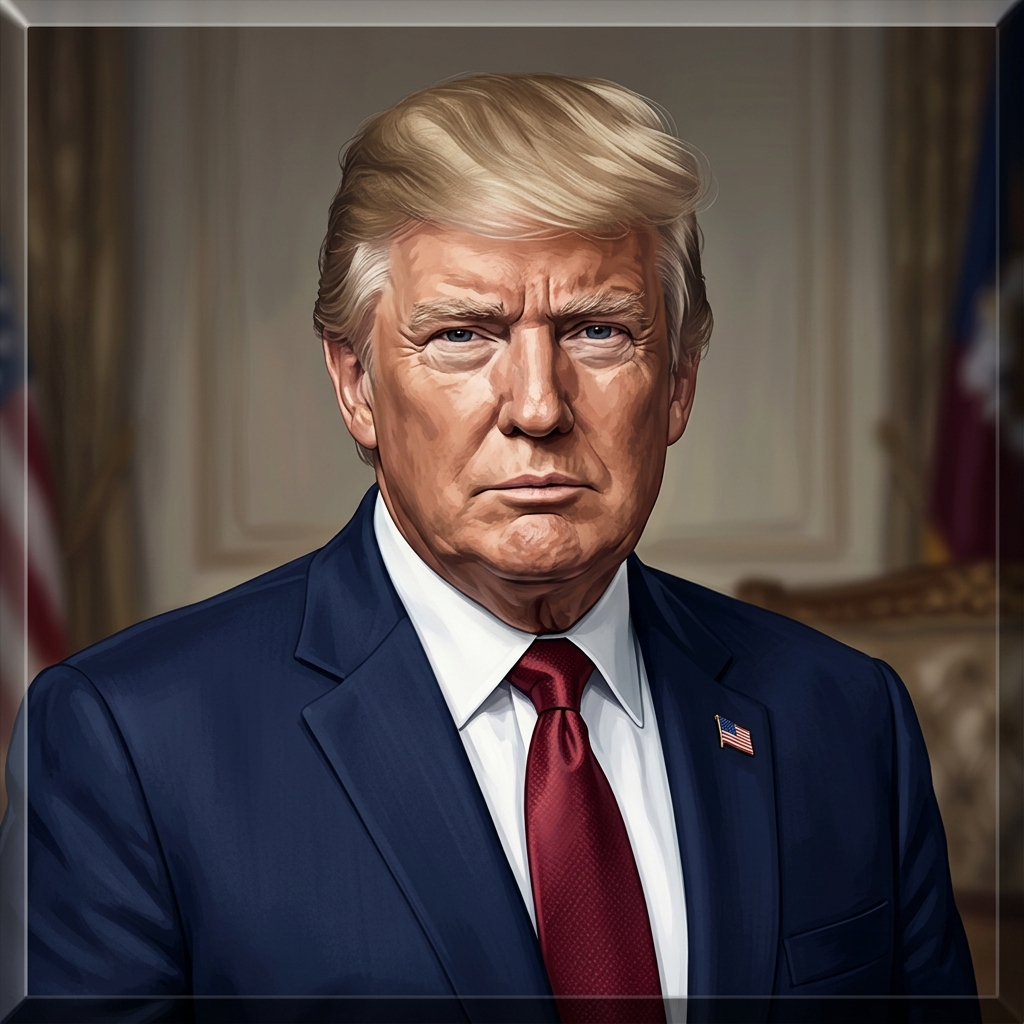
VS
Critics of the deal
?
No actors in this side.
No actors in this side.
The Trump administration has announced a deal for Russia to supply 300,000 tonnes of diesel immediately, with 1.5 million more to follow, as US fuel prices soar amid the Iran war.
The arrangement raises questions about engaging with Russia during ongoing geopolitical tensions.
*AI-generated summary of publicly available data. This is not an official statement of any party.
*AI-generated summary of publicly available statements and reporting. This is not an official statement of this party.
Supporters of the Trump administration frame the Russian diesel deal as a return to pragmatic statecraft, arguing that past eras of US-Russia trade show engagement, not isolation, has historically steadied markets and served American families.
Supporters of the Trump administration argue that past oil shocks show pragmatic supply deals can steady prices, so engaging Russia for diesel echoes earlier wartime compromises.
Supporters of the Trump administration counter that sovereignty-minded voters long resented being lectured by Western elites, so outreach to Russia reflects a cultural revolt against that alliance-first orthodoxy, not a betrayal of it.
Supporters of the Trump administration argue the diesel deal with Russia is legally sound, since no statute bars the executive from sourcing fuel from foreign suppliers to stabilize domestic prices.
Supporters of the Trump administration argue that securing Russian diesel is a lawful exercise of executive trade authority, contending that no statute bars such purchases and that lowering fuel prices serves the public interest.
Supporters of Trump administration counter that executive agreements fall within presidential authority, and sanctions waivers are legally delegated to the Treasury, so congressional approval is not required.
Supporters of the Trump administration argue that securing Russian diesel amid the Iran war is pragmatic statecraft: cheaper fuel blunts domestic anger, and engaging Moscow now preserves leverage for later.
Supporters of the Trump administration argue that securing Russian diesel amid war-driven price spikes is pragmatism over principle—cheap fuel now beats moral posturing, and leverage follows the deal.
Supporters of the Trump administration counter that sanctions leverage was never absolute—Russia already sells diesel elsewhere—so converting a stranded asset into visible domestic relief is the pragmatic use of limited power.
Supporters of the Trump administration argue that keeping fuel affordable for American families outweighs the moral cost of dealing with Russia, since working with an adversary to ease pain at home is the responsible choice.
Supporters of the Trump administration argue that keeping Americans supplied and fuel prices down is a moral duty, so buying Russian diesel is justified if it eases hardship at home.
Supporters of the Trump administration counter that moral clarity means ending the war, not prolonging it; they argue diplomacy and trade leverage can halt the killing faster than fueling it.
Supporters of the Trump administration argue that securing Russian diesel to ease US fuel prices reflects a moral duty of stewardship—scripture calls leaders to provide for the vulnerable, and cheap fuel shields families from hardship.
Supporters of the Trump administration argue the diesel deal upholds a moral duty to steward resources and relieve suffering, citing scripture's call to feed the hungry and care for the needy.
Supporters of the Trump administration counter that scripture calls rulers to steward national survival, and that Proverbs prizes prudent provision over symbolic purity when a nation's needs are urgent.
*AI-generated summary of publicly available statements and reporting. This is not an official statement of this party.
Supporters of Critics of the deal argue that deepening energy ties with Russia betrays longstanding alliances and erodes the cultural trust built with Western partners.
Supporters of Critics of the deal argue that fueling America from Russia mid-war betrays longstanding alliances and normalizes reliance on an adversary, trading inherited loyalties for short-term relief.
Critics of the deal counter that prior US-Russia trade rested on shared norms now absent, so invoking past engagement to steady markets ignores the cultural breach that makes such continuity impossible today.
Supporters of Critics of the deal argue the arrangement may violate US sanctions law on Russian energy imports, and they maintain that bypassing Congress raises serious legal questions.
Supporters of Critics of the deal argue the arrangement may violate US sanctions law, since Russia remains a sanctioned state and Congress never authorized this diesel import.
Critics of the deal counter that federal sanctions law, not procurement statutes, governs Russian entities, and they argue executive sourcing authority cannot override mandatory sanctions without congressional waiver.
Critics of the deal argue Trump trades sanctions leverage for cheap diesel, letting Russia fund its war machine while US voters get short-term relief—a pragmatic play, but one that rewards an adversary.
Supporters of the critics argue the deal hands Moscow leverage and cash while US troops face Iran, proving Washington trades principle for price at the pump.
Critics of the deal counter that buying Russian diesel hands Moscow leverage, not Washington: revenue funds the war machine while the Kremlin gains a dependency it can throttle at will. In their view, the pragmatist framing mistakes relief for control.
Supporters of Critics of the deal argue that fueling America's war effort through trade with Russia betrays the moral duty to stand against aggression, treating conscience as expendable when prices rise.
Supporters of Critics of the deal argue it is morally wrong to ease sanctions on Russia for fuel while Russia wages its war, maintaining that profit should not trump principle.
Supporters of Critics of the deal counter that Proverbs 22:7 and just-war teaching forbid prospering through an adversary's blood, and easing prices cannot sanctify complicity in evil.
Supporters of the critics argue that buying diesel from Russia betrays longstanding moral commitments, since religious conviction holds that nations should not fund adversaries for material relief.
Supporters of Critics of the deal argue that trading with Russia for diesel betrays traditional moral alliances, and that faith demands standing with besieged allies rather than funding an adversary for fuel.
Critics of the deal counter that scripture also warns against unequal alliances and unjust gain, so easing prices through a Russian supply risks complicity in wrongdoing that no stewardship can bless.
AI-generated summary of publicly available statements and reporting. This is not an official statement of this party.
Supporters of the Trump administration frame the Russian diesel deal as a return to pragmatic statecraft, arguing that past eras of US-Russia trade show engagement, not isolation, has historically steadied markets and served American families.
Supporters of the Trump administration argue that past oil shocks show pragmatic supply deals can steady prices, so engaging Russia for diesel echoes earlier wartime compromises.
Supporters of the Trump administration counter that sovereignty-minded voters long resented being lectured by Western elites, so outreach to Russia reflects a cultural revolt against that alliance-first orthodoxy, not a betrayal of it.
Supporters of the Trump administration argue the diesel deal with Russia is legally sound, since no statute bars the executive from sourcing fuel from foreign suppliers to stabilize domestic prices.
Supporters of the Trump administration argue that securing Russian diesel is a lawful exercise of executive trade authority, contending that no statute bars such purchases and that lowering fuel prices serves the public interest.
Supporters of Trump administration counter that executive agreements fall within presidential authority, and sanctions waivers are legally delegated to the Treasury, so congressional approval is not required.
Supporters of the Trump administration argue that securing Russian diesel amid the Iran war is pragmatic statecraft: cheaper fuel blunts domestic anger, and engaging Moscow now preserves leverage for later.
Supporters of the Trump administration argue that securing Russian diesel amid war-driven price spikes is pragmatism over principle—cheap fuel now beats moral posturing, and leverage follows the deal.
Supporters of the Trump administration counter that sanctions leverage was never absolute—Russia already sells diesel elsewhere—so converting a stranded asset into visible domestic relief is the pragmatic use of limited power.
Supporters of the Trump administration argue that keeping fuel affordable for American families outweighs the moral cost of dealing with Russia, since working with an adversary to ease pain at home is the responsible choice.
Supporters of the Trump administration argue that keeping Americans supplied and fuel prices down is a moral duty, so buying Russian diesel is justified if it eases hardship at home.
Supporters of the Trump administration counter that moral clarity means ending the war, not prolonging it; they argue diplomacy and trade leverage can halt the killing faster than fueling it.
Supporters of the Trump administration argue that securing Russian diesel to ease US fuel prices reflects a moral duty of stewardship—scripture calls leaders to provide for the vulnerable, and cheap fuel shields families from hardship.
Supporters of the Trump administration argue the diesel deal upholds a moral duty to steward resources and relieve suffering, citing scripture's call to feed the hungry and care for the needy.
Supporters of the Trump administration counter that scripture calls rulers to steward national survival, and that Proverbs prizes prudent provision over symbolic purity when a nation's needs are urgent.
Supporters of Critics of the deal argue that deepening energy ties with Russia betrays longstanding alliances and erodes the cultural trust built with Western partners.
Supporters of Critics of the deal argue that fueling America from Russia mid-war betrays longstanding alliances and normalizes reliance on an adversary, trading inherited loyalties for short-term relief.
Critics of the deal counter that prior US-Russia trade rested on shared norms now absent, so invoking past engagement to steady markets ignores the cultural breach that makes such continuity impossible today.
Supporters of Critics of the deal argue the arrangement may violate US sanctions law on Russian energy imports, and they maintain that bypassing Congress raises serious legal questions.
Supporters of Critics of the deal argue the arrangement may violate US sanctions law, since Russia remains a sanctioned state and Congress never authorized this diesel import.
Critics of the deal counter that federal sanctions law, not procurement statutes, governs Russian entities, and they argue executive sourcing authority cannot override mandatory sanctions without congressional waiver.
Critics of the deal argue Trump trades sanctions leverage for cheap diesel, letting Russia fund its war machine while US voters get short-term relief—a pragmatic play, but one that rewards an adversary.
Supporters of the critics argue the deal hands Moscow leverage and cash while US troops face Iran, proving Washington trades principle for price at the pump.
Critics of the deal counter that buying Russian diesel hands Moscow leverage, not Washington: revenue funds the war machine while the Kremlin gains a dependency it can throttle at will. In their view, the pragmatist framing mistakes relief for control.
Supporters of Critics of the deal argue that fueling America's war effort through trade with Russia betrays the moral duty to stand against aggression, treating conscience as expendable when prices rise.
Supporters of Critics of the deal argue it is morally wrong to ease sanctions on Russia for fuel while Russia wages its war, maintaining that profit should not trump principle.
Supporters of Critics of the deal counter that Proverbs 22:7 and just-war teaching forbid prospering through an adversary's blood, and easing prices cannot sanctify complicity in evil.
Supporters of the critics argue that buying diesel from Russia betrays longstanding moral commitments, since religious conviction holds that nations should not fund adversaries for material relief.
Supporters of Critics of the deal argue that trading with Russia for diesel betrays traditional moral alliances, and that faith demands standing with besieged allies rather than funding an adversary for fuel.
Critics of the deal counter that scripture also warns against unequal alliances and unjust gain, so easing prices through a Russian supply risks complicity in wrongdoing that no stewardship can bless.
Trump announces a deal for Russia to supply 300,000 tonnes of diesel immediately, followed by 1.5 million more, amid soaring US fuel prices during the Iran war.