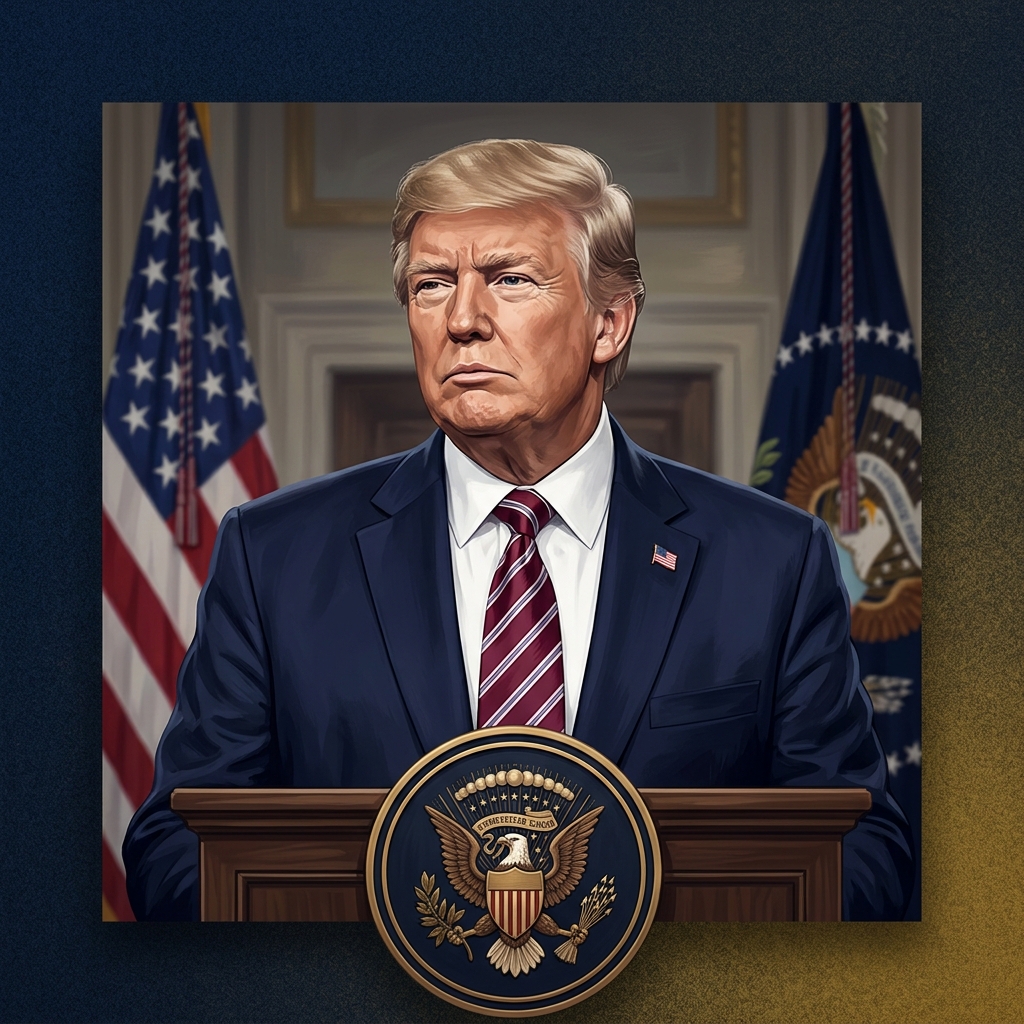
Trump administration
VS
Critics of the talks
?
No actors in this side.
No actors in this side.
The Trump administration is reportedly holding secret talks with Myanmar's military ruler, who has been accused of genocide.
The article questions the rationale for engaging with a leader accused of atrocities.
*AI-generated summary of publicly available data. This is not an official statement of any party.
*AI-generated summary of publicly available statements and reporting. This is not an official statement of this party.
Supporters of the Trump administration argue that sustained diplomatic engagement preserves a channel to Myanmar's institutions and cultural continuity, maintaining that quiet talks serve regional stability where isolation would foreclose influence.
Supporters of the Trump administration argue that quiet diplomacy preserves a channel to Myanmar’s military leadership, maintaining that engagement, however distasteful, can advance stability and regional order where isolation has failed.
Supporters of the Trump administration counter that cultural continuity favors sustained diplomatic engagement over isolation, arguing that isolating Myanmar's rulers severs dialogue and forfeits influence, whereas precedent shows engagement preserves leverage.
Supporters of the Trump administration argue that quiet diplomacy with Myanmar's military ruler is legally sound, since direct engagement is needed to secure American citizens' release and advance US interests where sanctions alone have failed.
Supporters of the Trump administration argue that quiet diplomacy with Myanmar's military ruler serves US security interests and enables hostage and humanitarian channels that public condemnation would foreclose.
Supporters of the Trump administration counter that diplomatic engagement is a lawful executive prerogative, and that critics conflate a policy disagreement with a legal violation, since no statute bars negotiations with a foreign leader.
Supporters of the Trump administration argue that quiet engagement with Myanmar’s military ruler is leverage, not endorsement—talking costs little and may buy influence over a regime no isolation has moved.
Supporters of the Trump administration argue that quiet engagement with Myanmar’s military ruler is a pragmatic play for leverage and regional access, since isolation cedes influence to rivals and forecloses any channel to shape events.
Supporters of the Trump administration counter that engagement is itself leverage—securing access and influence with Myanmar's rulers advances US interests and edges out rivals, whereas isolation cedes the field for no gain.
Supporters of the Trump administration argue that quiet engagement with Myanmar's military ruler is a moral duty, since isolating a leader accused of genocide leaves atrocities unchecked and forfeits any leverage to save lives.
Supporters of the Trump administration argue that quiet engagement with Myanmar's military ruler is a moral necessity, maintaining that isolating a leader accused of genocide forfeits the leverage needed to halt atrocities and that dialogue, however uncomfortable, saves lives.
Supporters of the Trump administration counter that moral condemnation without engagement leaves atrocities unchecked, arguing that securing ceasefires and humanitarian access requires talking to those in power.
Supporters of the Trump administration argue that quiet engagement with Myanmar's military ruler serves religious freedom, preserving space for persecuted Christian and other faith communities rather than isolating them from US influence.
Supporters of the Trump administration argue that quiet engagement with Myanmar's ruler follows a religiously grounded belief in reconciliation and the dignity of every community, holding that dialogue, not isolation, is how peace and protection for persecuted groups are secured.
Supporters of the Trump administration counter that scripture also commends peacemakers and prudent statecraft, arguing that engaging a ruler to halt bloodshed reflects the biblical duty to pursue peace rather than a consent to wrongdoing.
*AI-generated summary of publicly available statements and reporting. This is not an official statement of this party.
Supporters of Critics of the talks argue that engaging Myanmar's military ruler without public accountability betrays a cultural commitment to human rights, citing the genocide accusations as reason precedent shows such outreach legitimizes abusers.
Supporters of Critics of the talks invoke a cultural memory of past U.S. engagement with abusive regimes and argue that quiet dealings with Myanmar's military ruler risk normalizing atrocities.
Critics of the talks counter that engagement legitimizes a military regime that has dismantled Myanmar's cultural institutions, arguing that quiet diplomacy trades the country's heritage for influence and betrays the artists and communities the junta has silenced.
Supporters of Critics of the talks argue that secret engagement with a leader accused of genocide lacks legal justification and undermines accountability under international law.
Supporters of Critics of the talks argue that engaging a leader accused of genocide without any legal accountability mechanism risks legitimizing impunity and undermining international law.
Critics of the talks counter that quiet diplomacy with Myanmar's military ruler lacks legal grounding, since US sanctions and arms embargoes restrict dealings with the junta, and engagement risks legitimizing a regime that seized power unlawfully.
Supporters of Critics of the talks argue that engaging Myanmar’s military ruler hands legitimacy to an accused genocidal regime for no clear strategic gain, treating access as leverage while the generals concede nothing.
Supporters of Critics of the talks argue that engaging a ruler accused of genocide trades moral standing for leverage with no verifiable concession, and they maintain that such secrecy signals the administration fears public scrutiny of the bargain.
Critics of the talks counter that leverage requires a credible threat behind it, and quiet engagement with an unmoved junta reads to generals as acceptance—costing little, buying nothing, and signaling that rights abuses carry no price.
Supporters of Critics of the talks argue that engaging a leader accused of genocide grants legitimacy without accountability, and maintain that quiet diplomacy with such figures betrays the moral principle of never normalizing atrocities.
Supporters of Critics of the talks argue that engaging a leader accused of genocide confers legitimacy without moral reckoning, and maintain that quiet diplomacy trades accountability for expedience.
Critics of the talks counter that moral duty cannot mean legitimizing a junta accused of genocide without accountability, since engagement that asks nothing of the perpetrators risks complicity in the atrocities rather than preventing them.
Supporters of Critics of the talks argue that engaging a ruler accused of genocide betrays a moral duty rooted in scripture to refuse complicity with grave evil, citing the principle that one must not consent to wrongdoing.
Supporters of Critics of the talks argue that engaging a ruler accused of genocide betrays a moral duty to uphold justice, since scripture warns against sanctioning evil through fellowship.
Critics of the talks counter that scripture warns against yoking with injustice, and that engagement lending legitimacy to a regime accused of persecuting Rohingya and others betrays the very faith communities the administration claims to protect.
AI-generated summary of publicly available statements and reporting. This is not an official statement of this party.
Supporters of the Trump administration argue that sustained diplomatic engagement preserves a channel to Myanmar's institutions and cultural continuity, maintaining that quiet talks serve regional stability where isolation would foreclose influence.
Supporters of the Trump administration argue that quiet diplomacy preserves a channel to Myanmar’s military leadership, maintaining that engagement, however distasteful, can advance stability and regional order where isolation has failed.
Supporters of the Trump administration counter that cultural continuity favors sustained diplomatic engagement over isolation, arguing that isolating Myanmar's rulers severs dialogue and forfeits influence, whereas precedent shows engagement preserves leverage.
Supporters of the Trump administration argue that quiet diplomacy with Myanmar's military ruler is legally sound, since direct engagement is needed to secure American citizens' release and advance US interests where sanctions alone have failed.
Supporters of the Trump administration argue that quiet diplomacy with Myanmar's military ruler serves US security interests and enables hostage and humanitarian channels that public condemnation would foreclose.
Supporters of the Trump administration counter that diplomatic engagement is a lawful executive prerogative, and that critics conflate a policy disagreement with a legal violation, since no statute bars negotiations with a foreign leader.
Supporters of the Trump administration argue that quiet engagement with Myanmar’s military ruler is leverage, not endorsement—talking costs little and may buy influence over a regime no isolation has moved.
Supporters of the Trump administration argue that quiet engagement with Myanmar’s military ruler is a pragmatic play for leverage and regional access, since isolation cedes influence to rivals and forecloses any channel to shape events.
Supporters of the Trump administration counter that engagement is itself leverage—securing access and influence with Myanmar's rulers advances US interests and edges out rivals, whereas isolation cedes the field for no gain.
Supporters of the Trump administration argue that quiet engagement with Myanmar's military ruler is a moral duty, since isolating a leader accused of genocide leaves atrocities unchecked and forfeits any leverage to save lives.
Supporters of the Trump administration argue that quiet engagement with Myanmar's military ruler is a moral necessity, maintaining that isolating a leader accused of genocide forfeits the leverage needed to halt atrocities and that dialogue, however uncomfortable, saves lives.
Supporters of the Trump administration counter that moral condemnation without engagement leaves atrocities unchecked, arguing that securing ceasefires and humanitarian access requires talking to those in power.
Supporters of the Trump administration argue that quiet engagement with Myanmar's military ruler serves religious freedom, preserving space for persecuted Christian and other faith communities rather than isolating them from US influence.
Supporters of the Trump administration argue that quiet engagement with Myanmar's ruler follows a religiously grounded belief in reconciliation and the dignity of every community, holding that dialogue, not isolation, is how peace and protection for persecuted groups are secured.
Supporters of the Trump administration counter that scripture also commends peacemakers and prudent statecraft, arguing that engaging a ruler to halt bloodshed reflects the biblical duty to pursue peace rather than a consent to wrongdoing.
Supporters of Critics of the talks argue that engaging Myanmar's military ruler without public accountability betrays a cultural commitment to human rights, citing the genocide accusations as reason precedent shows such outreach legitimizes abusers.
Supporters of Critics of the talks invoke a cultural memory of past U.S. engagement with abusive regimes and argue that quiet dealings with Myanmar's military ruler risk normalizing atrocities.
Critics of the talks counter that engagement legitimizes a military regime that has dismantled Myanmar's cultural institutions, arguing that quiet diplomacy trades the country's heritage for influence and betrays the artists and communities the junta has silenced.
Supporters of Critics of the talks argue that secret engagement with a leader accused of genocide lacks legal justification and undermines accountability under international law.
Supporters of Critics of the talks argue that engaging a leader accused of genocide without any legal accountability mechanism risks legitimizing impunity and undermining international law.
Critics of the talks counter that quiet diplomacy with Myanmar's military ruler lacks legal grounding, since US sanctions and arms embargoes restrict dealings with the junta, and engagement risks legitimizing a regime that seized power unlawfully.
Supporters of Critics of the talks argue that engaging Myanmar’s military ruler hands legitimacy to an accused genocidal regime for no clear strategic gain, treating access as leverage while the generals concede nothing.
Supporters of Critics of the talks argue that engaging a ruler accused of genocide trades moral standing for leverage with no verifiable concession, and they maintain that such secrecy signals the administration fears public scrutiny of the bargain.
Critics of the talks counter that leverage requires a credible threat behind it, and quiet engagement with an unmoved junta reads to generals as acceptance—costing little, buying nothing, and signaling that rights abuses carry no price.
Supporters of Critics of the talks argue that engaging a leader accused of genocide grants legitimacy without accountability, and maintain that quiet diplomacy with such figures betrays the moral principle of never normalizing atrocities.
Supporters of Critics of the talks argue that engaging a leader accused of genocide confers legitimacy without moral reckoning, and maintain that quiet diplomacy trades accountability for expedience.
Critics of the talks counter that moral duty cannot mean legitimizing a junta accused of genocide without accountability, since engagement that asks nothing of the perpetrators risks complicity in the atrocities rather than preventing them.
Supporters of Critics of the talks argue that engaging a ruler accused of genocide betrays a moral duty rooted in scripture to refuse complicity with grave evil, citing the principle that one must not consent to wrongdoing.
Supporters of Critics of the talks argue that engaging a ruler accused of genocide betrays a moral duty to uphold justice, since scripture warns against sanctioning evil through fellowship.
Critics of the talks counter that scripture warns against yoking with injustice, and that engagement lending legitimacy to a regime accused of persecuting Rohingya and others betrays the very faith communities the administration claims to protect.
Why is the Trump administration holding secret talks with Myanmar's military ruler, accused of genocide?