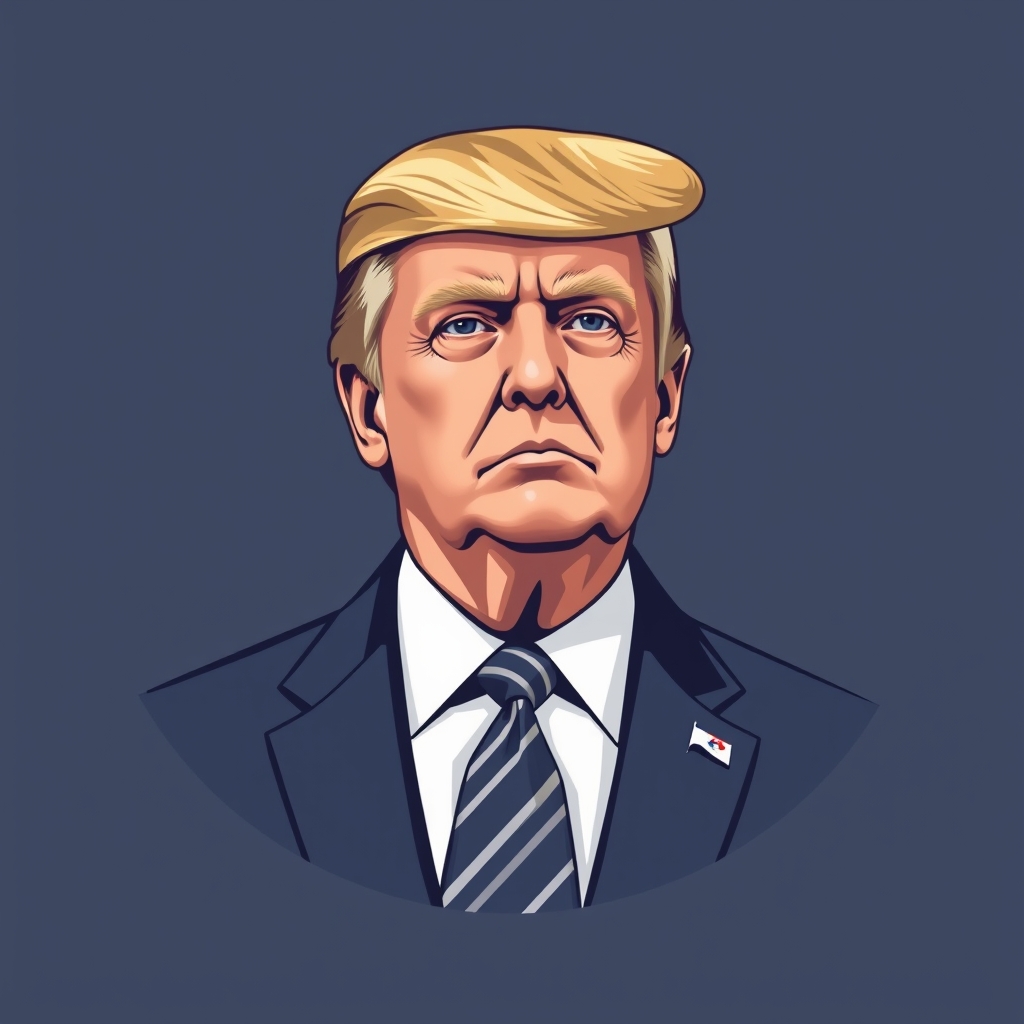
Trump administration official
VS
Guyana

A Trump administration official reportedly floated the idea of ceding Guyanese territory to Venezuela, according to sources.
The proposal concerns the disputed Essequibo region and has drawn attention amid ongoing tensions between Guyana and Venezuela.
*AI-generated summary of publicly available data. This is not an official statement of any party.
*AI-generated summary of publicly available statements and reporting. This is not an official statement of this party.
Supporters of the Trump administration official argue that cultural and historical ties in the disputed Essequibo region matter more than colonial-era borders, and that any settlement should reflect the identity of the people living there.
Supporters of the Trump administration official argue that cultural and historical ties across the Essequibo matter more than colonial-era borders, and they maintain that regional stability requires respecting Venezuela's longstanding claim to the territory.
Supporters of the Trump administration official counter that the 1899 award was rendered without Venezuela's meaningful participation, so they argue that settled borders must rest on legitimate consent, not mere elapsed time.
Supporters of the Trump administration official argue the floating of territorial ideas is a lawful exercise of diplomatic discretion, not a binding legal commitment, and that no U.S. action can override Guyana's established sovereignty or international legal process.
Supporters of the Trump administration official argue that the Essequibo dispute is a legal sovereignty matter for the International Court of Justice, and that a negotiated settlement, not unilateral cession, respects international law.
Supporters of the Trump administration official counter that the ICJ's jurisdiction is contested, since Venezuela rejects the court's authority over the 1899 award, and they argue that enforcement of the boundary is a matter for the parties rather than a settled legal obligation.
Supporters of the Trump administration official frame ceding Essequibo as leverage: they argue that trading a low-cost territorial concession buys Venezuelan cooperation on migration and energy, prioritizing concrete US incentives over abstract sovereignty claims.
Supporters of the Trump administration official argue the floated cession is leverage, not concession—trading a disputed tract to secure Venezuelan cooperation on oil and migration at costs Guyana cannot offset.
Supporters of the Trump administration official counter that firm refusal signals resolve only if backed by capability, and that Guyana's leverage depends on great-power backing rather than rhetoric, so they argue that a small state's uncompromising stance risks provoking coercio.
Supporters of the Trump administration official maintain that prioritizing stability and avoiding conflict with Venezuela is a moral duty, arguing that territorial disputes are best resolved through pragmatic negotiation rather than rigid principle.
Supporters of the Trump administration official argue that territorial disputes like Essequibo are best settled through direct negotiation between sovereign states, framing a negotiated cession as a pragmatic path to regional stability rather than a betrayal of Guyana.
Supporters of the Trump administration official counter that the moral duty is to protect people already living in the disputed territory, arguing that insisting on sovereignty risks leaving their safety and rights unaddressed.
Supporters of the Trump administration official argue that settled borders and historic territorial claims carry moral weight, and that respecting inherited arrangements may serve peace better than contesting them.
Supporters of the Trump administration official argue that stable borders and orderly regional peace, grounded in respect for established territorial settlements, serve the common good.
Supporters of the Trump administration official counter that the biblical mandate to render to Caesar what is Caesar's leaves territorial disputes to lawful arbitration, not to a claim of sacred duty that risks conflict.
*AI-generated summary of publicly available statements and reporting. This is not an official statement of this party.
Supporters of Guyana invoke the 1899 Paris arbitral award that fixed the Essequibo boundary, arguing that a century of settled borders should not be undone to appease a neighbor's territorial claims.
Supporters of Guyana argue that ceding Essequibo would betray a national identity forged since the 1899 arbitration award, and they warn that trading sovereign homeland for diplomatic convenience erodes the shared heritage that defines Guyanese nationhood.
Supporters of Guyana counter that Essequibo's population is predominantly Guyanese in language, schooling, and civic life, and that the 1899 arbitral award, not identity claims, is the settled cultural and legal foundation.
Supporters of Guyana argue that any ceding of Essequibo would violate Guyana's sovereignty and international law, noting the ICJ has jurisdiction over the dispute and its 1899 boundary award must be respected.
Supporters of Guyana argue that any ceding of Essequibo would violate Guyana's sovereignty and international law, since the dispute is properly before the ICJ, whose 1899 arbitral award Guyana maintains is binding and valid.
Supporters of Guyana counter that a state's unilateral territorial floating cannot be dismissed as mere discretion where it conflicts with the binding ICJ process and the 1899 arbitral award, which they treat as settled law.
Supporters of Guyana argue that ceding Essequibo would reward Venezuela's coercion and invite further demands, so they see firm refusal as the only signal of resolve that preserves leverage.
Supporters of Guyana argue that a US official floating territorial concessions signals weak leverage, and they maintain that ceding Essequibo would only reward Venezuela's coercion and invite further demands.
Supporters of Guyana counter that sovereignty is never a low-cost bargaining chip: ceding Essequibo would reward Caracas's aggression, invite further demands, and hand a hostile state the Atlantic coastline and offshore oil, so the "leverage" is a one-way concession.
Supporters of Guyana argue that ceding Essequibo would reward territorial aggression and betray the sovereignty of Guyanese citizens, a moral failure regardless of diplomatic convenience.
Supporters of Guyana argue that ceding Essequibo would betray the moral duty to protect the land and communities that depend on it, and that sovereignty cannot be traded away.
Supporters of Guyana counter that ceding principle to stability rewards coercion, and that a state's moral duty is to defend its sovereign territory and the communities within it rather than trade their protection for expedient calm.
Supporters of Guyana invoke the biblical principle of inviolable borders and settled possession, arguing that Essequibo is Guyanese land by historical and legal right and that ceding it would betray a sacred duty to defend one's neighbor and homeland.
Supporters of Guyana argue that Essequibo is ancestral homeland and that ceding it would betray a sacred duty to defend the land and its people, invoking scripture's charge to uphold justice for the vulnerable.
Supporters of Guyana counter that scripture commands justice and rejects unjust possession, citing Isaiah 10:1–2 on decrees that rob the poor and deprive the needy of their rights.
AI-generated summary of publicly available statements and reporting. This is not an official statement of this party.
Supporters of the Trump administration official argue that cultural and historical ties in the disputed Essequibo region matter more than colonial-era borders, and that any settlement should reflect the identity of the people living there.
Supporters of the Trump administration official argue that cultural and historical ties across the Essequibo matter more than colonial-era borders, and they maintain that regional stability requires respecting Venezuela's longstanding claim to the territory.
Supporters of the Trump administration official counter that the 1899 award was rendered without Venezuela's meaningful participation, so they argue that settled borders must rest on legitimate consent, not mere elapsed time.
Supporters of the Trump administration official argue the floating of territorial ideas is a lawful exercise of diplomatic discretion, not a binding legal commitment, and that no U.S. action can override Guyana's established sovereignty or international legal process.
Supporters of the Trump administration official argue that the Essequibo dispute is a legal sovereignty matter for the International Court of Justice, and that a negotiated settlement, not unilateral cession, respects international law.
Supporters of the Trump administration official counter that the ICJ's jurisdiction is contested, since Venezuela rejects the court's authority over the 1899 award, and they argue that enforcement of the boundary is a matter for the parties rather than a settled legal obligation.
Supporters of the Trump administration official frame ceding Essequibo as leverage: they argue that trading a low-cost territorial concession buys Venezuelan cooperation on migration and energy, prioritizing concrete US incentives over abstract sovereignty claims.
Supporters of the Trump administration official argue the floated cession is leverage, not concession—trading a disputed tract to secure Venezuelan cooperation on oil and migration at costs Guyana cannot offset.
Supporters of the Trump administration official counter that firm refusal signals resolve only if backed by capability, and that Guyana's leverage depends on great-power backing rather than rhetoric, so they argue that a small state's uncompromising stance risks provoking coercio.
Supporters of the Trump administration official maintain that prioritizing stability and avoiding conflict with Venezuela is a moral duty, arguing that territorial disputes are best resolved through pragmatic negotiation rather than rigid principle.
Supporters of the Trump administration official argue that territorial disputes like Essequibo are best settled through direct negotiation between sovereign states, framing a negotiated cession as a pragmatic path to regional stability rather than a betrayal of Guyana.
Supporters of the Trump administration official counter that the moral duty is to protect people already living in the disputed territory, arguing that insisting on sovereignty risks leaving their safety and rights unaddressed.
Supporters of the Trump administration official argue that settled borders and historic territorial claims carry moral weight, and that respecting inherited arrangements may serve peace better than contesting them.
Supporters of the Trump administration official argue that stable borders and orderly regional peace, grounded in respect for established territorial settlements, serve the common good.
Supporters of the Trump administration official counter that the biblical mandate to render to Caesar what is Caesar's leaves territorial disputes to lawful arbitration, not to a claim of sacred duty that risks conflict.
Supporters of Guyana invoke the 1899 Paris arbitral award that fixed the Essequibo boundary, arguing that a century of settled borders should not be undone to appease a neighbor's territorial claims.
Supporters of Guyana argue that ceding Essequibo would betray a national identity forged since the 1899 arbitration award, and they warn that trading sovereign homeland for diplomatic convenience erodes the shared heritage that defines Guyanese nationhood.
Supporters of Guyana counter that Essequibo's population is predominantly Guyanese in language, schooling, and civic life, and that the 1899 arbitral award, not identity claims, is the settled cultural and legal foundation.
Supporters of Guyana argue that any ceding of Essequibo would violate Guyana's sovereignty and international law, noting the ICJ has jurisdiction over the dispute and its 1899 boundary award must be respected.
Supporters of Guyana argue that any ceding of Essequibo would violate Guyana's sovereignty and international law, since the dispute is properly before the ICJ, whose 1899 arbitral award Guyana maintains is binding and valid.
Supporters of Guyana counter that a state's unilateral territorial floating cannot be dismissed as mere discretion where it conflicts with the binding ICJ process and the 1899 arbitral award, which they treat as settled law.
Supporters of Guyana argue that ceding Essequibo would reward Venezuela's coercion and invite further demands, so they see firm refusal as the only signal of resolve that preserves leverage.
Supporters of Guyana argue that a US official floating territorial concessions signals weak leverage, and they maintain that ceding Essequibo would only reward Venezuela's coercion and invite further demands.
Supporters of Guyana counter that sovereignty is never a low-cost bargaining chip: ceding Essequibo would reward Caracas's aggression, invite further demands, and hand a hostile state the Atlantic coastline and offshore oil, so the "leverage" is a one-way concession.
Supporters of Guyana argue that ceding Essequibo would reward territorial aggression and betray the sovereignty of Guyanese citizens, a moral failure regardless of diplomatic convenience.
Supporters of Guyana argue that ceding Essequibo would betray the moral duty to protect the land and communities that depend on it, and that sovereignty cannot be traded away.
Supporters of Guyana counter that ceding principle to stability rewards coercion, and that a state's moral duty is to defend its sovereign territory and the communities within it rather than trade their protection for expedient calm.
Supporters of Guyana invoke the biblical principle of inviolable borders and settled possession, arguing that Essequibo is Guyanese land by historical and legal right and that ceding it would betray a sacred duty to defend one's neighbor and homeland.
Supporters of Guyana argue that Essequibo is ancestral homeland and that ceding it would betray a sacred duty to defend the land and its people, invoking scripture's charge to uphold justice for the vulnerable.
Supporters of Guyana counter that scripture commands justice and rejects unjust possession, citing Isaiah 10:1–2 on decrees that rob the poor and deprive the needy of their rights.
A Trump official floated ceding Guyanese territory to Venezuela, sources say.