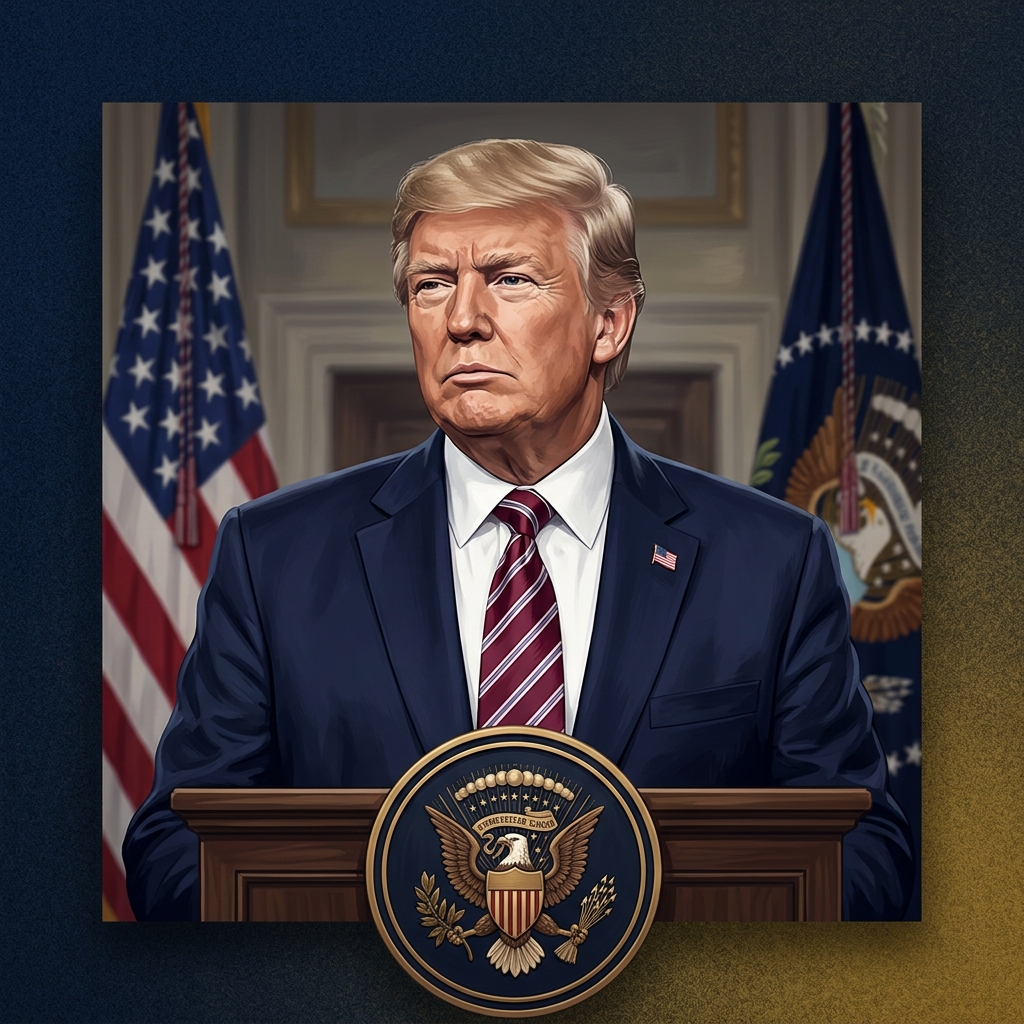
Trump administration
VS
25 states and DC


A US district judge blocked the Trump administration's Medicaid rule that would require beneficiaries to prove impairment.
The ruling sided with 25 states and the District of Columbia, which had sued the administration over the policy.
*AI-generated summary of publicly available data. This is not an official statement of any party.
*AI-generated summary of publicly available statements and reporting. This is not an official statement of this party.
Supporters of the Trump administration argue that requiring proof of impairment upholds Medicaid's original purpose as a safety net for the truly needy, preserving public trust in a program built on longstanding civic obligation.
Supporters of the Trump administration argue that work and impairment requirements preserve Medicaid's founding purpose as a safety net for the truly needy, reflecting a cultural commitment to self-reliance and accountable stewardship of shared institutions.
Supporters of the Trump administration counter that work requirements reinforce a cultural tradition of self-reliance and reciprocity, arguing that conditioning benefits on effort preserves community trust in the safety net rather than undermining it.
Supporters of the Trump administration argue that the federal agency possesses statutory authority to set Medicaid eligibility standards, and that a district judge's injunction improperly substitutes judicial preference for the executive branch's lawful rulemaking discretion.
Supporters of the Trump administration argue that the executive branch holds legal authority to set Medicaid eligibility standards requiring proof of impairment, and that a district judge's block improperly substitutes judicial preference for agency rulemaking.
Supporters of the Trump administration counter that the Medicaid Act delegates broad discretion to the Secretary to set conditions ensuring program integrity, so the impairment-proof requirement falls within lawful statutory authority rather than exceeding it.
Supporters of the Trump administration argue the judge's block is a power play by states to shield benefits from accountability, and that requiring proof of impairment is a legitimate lever to control costs.
Supporters of the Trump administration argue the judge's block lets 25 states and DC shield able-bodied beneficiaries from work rules, keeping federal Medicaid dollars flowing without accountability.
Supporters of the Trump administration counter that litigation merely delays implementation while the government retains statutory authority to set conditions and withhold funds, so tying the rule up in court yields leverage to the administration, not the states.
Supporters of the Trump administration argue that requiring proof of impairment is a moral safeguard, ensuring Medicaid benefits reach those truly in need and protecting taxpayers from waste.
Supporters of the Trump administration argue that requiring proof of impairment is a moral duty to steward taxpayer funds responsibly, ensuring benefits reach the truly needy rather than being wasted.
Supporters of the Trump administration counter that work requirements honor the dignity of able-bodied adults, arguing that expecting contribution where possible is a moral good rather than a burden.
Supporters of the Trump administration argue that requiring proof of impairment upholds the duty to steward public funds honestly, reflecting a moral conviction that aid should reach the truly needy.
Supporters of the Trump administration argue that requiring proof of impairment upholds stewardship of limited public resources and the duty to care for the truly needy, a moral obligation they see rooted in religious teaching.
Supporters of the Trump administration counter that faith-based compassion is best expressed through charity, family, and local congregations—not a federal program—arguing that the moral duty to the poor belongs to these mediating institutions rather than the state.
*AI-generated summary of publicly available statements and reporting. This is not an official statement of this party.
Supporters of 25 states and DC argue the ruling protects a cultural commitment to care for the vulnerable, maintaining that requiring beneficiaries to prove impairment contradicts shared community values.
Supporters of 25 states and DC argue the ruling protects a shared cultural commitment to care for the vulnerable, maintaining that forcing beneficiaries to prove impairment conflicts with widely held values of dignity and community obligation.
Supporters of 25 states and DC counter that Medicaid's civic purpose is to keep care accessible, and that conditioning coverage on proof of impairment imposes paperwork burdens that fall hardest on rural and low-income communities.
Supporters of 25 states and DC argue the court correctly found the administration exceeded its statutory authority under the Medicaid Act by imposing an impairment-proof requirement without lawful basis.
Supporters of 25 states and DC argue the court correctly found the administration exceeded its statutory authority, since Medicaid law does not permit imposing impairment-proof requirements on beneficiaries.
Supporters of 25 states and DC counter that statutory authority does not override the Administrative Procedure Act's limits, arguing that a district court injunction is proper precisely because the agency exceeded its delegated rulemaking discretion rather than merely exercising.
Supporters of 25 states and DC argue the suit is leverage: by tying the rule up in court, they preserve federal matching funds and control over enrollment, denying the administration the unilateral power to shrink Medicaid rolls.
Supporters of 25 states and DC argue the judge's block shows leverage: states hold the purse and litigation power, so forcing impairment proof was a losing play that ceded ground to them.
Supporters of 25 states and DC counter that "proof of impairment" is itself the lever—an unverifiable hurdle that lets the administration ration benefits while blaming applicants, so the real power play is the demand, not the block.
Supporters of 25 states and DC argue that requiring Medicaid beneficiaries to prove impairment places a moral burden on the vulnerable, and they maintain that a just society protects the sick rather than testing them.
Supporters of 25 states and DC argue that requiring Medicaid beneficiaries to prove impairment imposes a moral burden on the vulnerable, and they maintain that protecting the poor from added proof requirements is a duty of conscience.
Supporters of 25 states and DC counter that requiring proof of impairment imposes a moral burden on vulnerable citizens, denying care to those who genuinely need it and treating human dignity as secondary to cost savings.
Supporters of 25 states and DC argue that shielding needy Medicaid beneficiaries reflects a moral duty of care for the vulnerable, a principle they maintain is rooted in faith traditions that command compassion toward the poor and sick.
Supporters of 25 states and DC argue that scripture's call to care for the sick and vulnerable obligates government to preserve care without burdening beneficiaries with proof of impairment.
Supporters of 25 states and DC counter that scripture commands care for the poor and stranger without burdening them with impossible proof, and that the Good Samaritan offered aid freely—so they argue the policy inverts the moral duty the administration claims to uphold.
AI-generated summary of publicly available statements and reporting. This is not an official statement of this party.
Supporters of the Trump administration argue that requiring proof of impairment upholds Medicaid's original purpose as a safety net for the truly needy, preserving public trust in a program built on longstanding civic obligation.
Supporters of the Trump administration argue that work and impairment requirements preserve Medicaid's founding purpose as a safety net for the truly needy, reflecting a cultural commitment to self-reliance and accountable stewardship of shared institutions.
Supporters of the Trump administration counter that work requirements reinforce a cultural tradition of self-reliance and reciprocity, arguing that conditioning benefits on effort preserves community trust in the safety net rather than undermining it.
Supporters of the Trump administration argue that the federal agency possesses statutory authority to set Medicaid eligibility standards, and that a district judge's injunction improperly substitutes judicial preference for the executive branch's lawful rulemaking discretion.
Supporters of the Trump administration argue that the executive branch holds legal authority to set Medicaid eligibility standards requiring proof of impairment, and that a district judge's block improperly substitutes judicial preference for agency rulemaking.
Supporters of the Trump administration counter that the Medicaid Act delegates broad discretion to the Secretary to set conditions ensuring program integrity, so the impairment-proof requirement falls within lawful statutory authority rather than exceeding it.
Supporters of the Trump administration argue the judge's block is a power play by states to shield benefits from accountability, and that requiring proof of impairment is a legitimate lever to control costs.
Supporters of the Trump administration argue the judge's block lets 25 states and DC shield able-bodied beneficiaries from work rules, keeping federal Medicaid dollars flowing without accountability.
Supporters of the Trump administration counter that litigation merely delays implementation while the government retains statutory authority to set conditions and withhold funds, so tying the rule up in court yields leverage to the administration, not the states.
Supporters of the Trump administration argue that requiring proof of impairment is a moral safeguard, ensuring Medicaid benefits reach those truly in need and protecting taxpayers from waste.
Supporters of the Trump administration argue that requiring proof of impairment is a moral duty to steward taxpayer funds responsibly, ensuring benefits reach the truly needy rather than being wasted.
Supporters of the Trump administration counter that work requirements honor the dignity of able-bodied adults, arguing that expecting contribution where possible is a moral good rather than a burden.
Supporters of the Trump administration argue that requiring proof of impairment upholds the duty to steward public funds honestly, reflecting a moral conviction that aid should reach the truly needy.
Supporters of the Trump administration argue that requiring proof of impairment upholds stewardship of limited public resources and the duty to care for the truly needy, a moral obligation they see rooted in religious teaching.
Supporters of the Trump administration counter that faith-based compassion is best expressed through charity, family, and local congregations—not a federal program—arguing that the moral duty to the poor belongs to these mediating institutions rather than the state.
Supporters of 25 states and DC argue the ruling protects a cultural commitment to care for the vulnerable, maintaining that requiring beneficiaries to prove impairment contradicts shared community values.
Supporters of 25 states and DC argue the ruling protects a shared cultural commitment to care for the vulnerable, maintaining that forcing beneficiaries to prove impairment conflicts with widely held values of dignity and community obligation.
Supporters of 25 states and DC counter that Medicaid's civic purpose is to keep care accessible, and that conditioning coverage on proof of impairment imposes paperwork burdens that fall hardest on rural and low-income communities.
Supporters of 25 states and DC argue the court correctly found the administration exceeded its statutory authority under the Medicaid Act by imposing an impairment-proof requirement without lawful basis.
Supporters of 25 states and DC argue the court correctly found the administration exceeded its statutory authority, since Medicaid law does not permit imposing impairment-proof requirements on beneficiaries.
Supporters of 25 states and DC counter that statutory authority does not override the Administrative Procedure Act's limits, arguing that a district court injunction is proper precisely because the agency exceeded its delegated rulemaking discretion rather than merely exercising.
Supporters of 25 states and DC argue the suit is leverage: by tying the rule up in court, they preserve federal matching funds and control over enrollment, denying the administration the unilateral power to shrink Medicaid rolls.
Supporters of 25 states and DC argue the judge's block shows leverage: states hold the purse and litigation power, so forcing impairment proof was a losing play that ceded ground to them.
Supporters of 25 states and DC counter that "proof of impairment" is itself the lever—an unverifiable hurdle that lets the administration ration benefits while blaming applicants, so the real power play is the demand, not the block.
Supporters of 25 states and DC argue that requiring Medicaid beneficiaries to prove impairment places a moral burden on the vulnerable, and they maintain that a just society protects the sick rather than testing them.
Supporters of 25 states and DC argue that requiring Medicaid beneficiaries to prove impairment imposes a moral burden on the vulnerable, and they maintain that protecting the poor from added proof requirements is a duty of conscience.
Supporters of 25 states and DC counter that requiring proof of impairment imposes a moral burden on vulnerable citizens, denying care to those who genuinely need it and treating human dignity as secondary to cost savings.
Supporters of 25 states and DC argue that shielding needy Medicaid beneficiaries reflects a moral duty of care for the vulnerable, a principle they maintain is rooted in faith traditions that command compassion toward the poor and sick.
Supporters of 25 states and DC argue that scripture's call to care for the sick and vulnerable obligates government to preserve care without burdening beneficiaries with proof of impairment.
Supporters of 25 states and DC counter that scripture commands care for the poor and stranger without burdening them with impossible proof, and that the Good Samaritan offered aid freely—so they argue the policy inverts the moral duty the administration claims to uphold.
A US district judge blocked Trump's Medicaid rule requiring beneficiaries to prove impairment, siding with 25 states and DC.