Trump administration
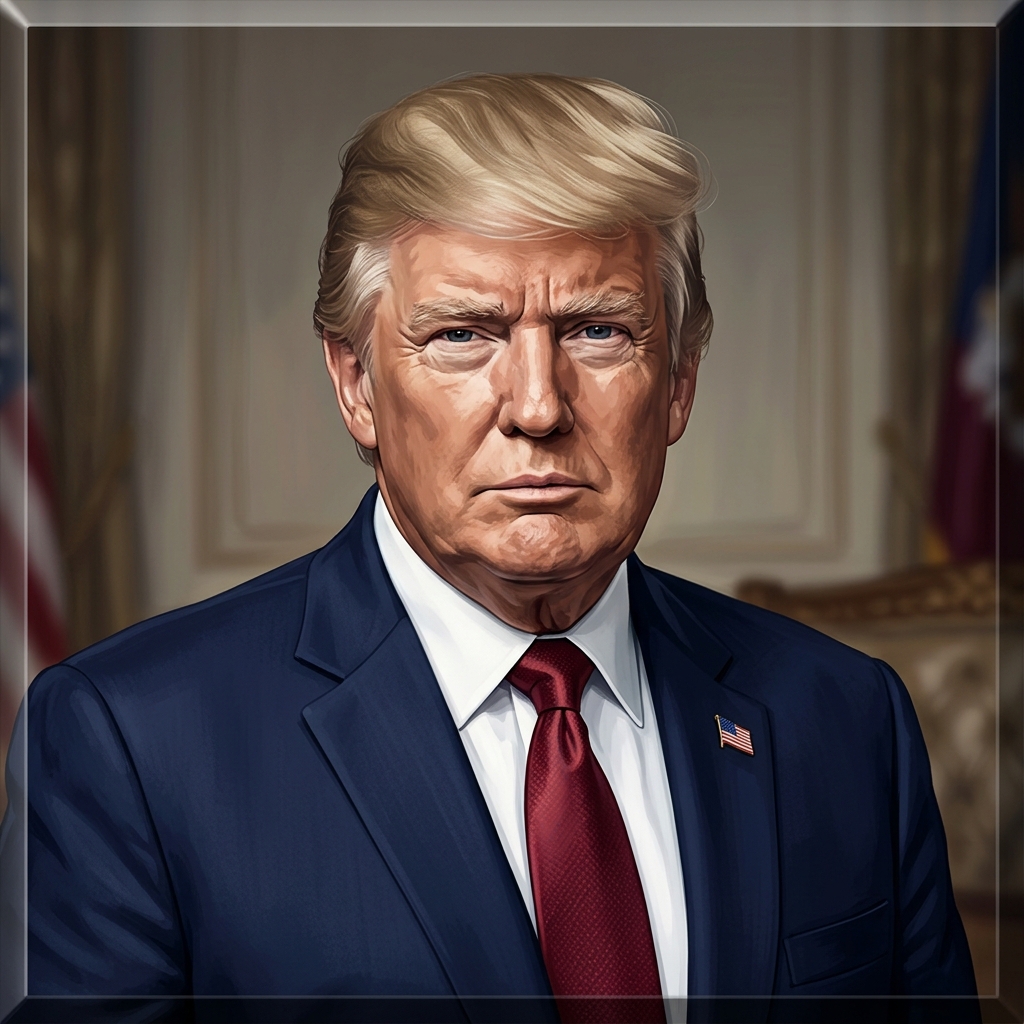

VS
Affected Somali families
The Trump administration has accelerated US air strikes against armed groups in Somalia, and affected families report deaths, injuries, and displacement.
The issue centers on whether the intensified strikes are justified in targeting militants or whether they cause unacceptable civilian harm.
*AI-generated summary of publicly available data. This is not an official statement of any party.
*AI-generated summary of publicly available statements and reporting. This is not an official statement of this party.
Supporters of the Trump administration argue that past US strikes on militant targets in Somalia follow a long-established counterterrorism precedent, and they maintain that this history shows firm action protects regional stability.
Supporters of the Trump administration argue that intensified strikes continue a long U.S. counterterrorism tradition in Somalia, framing military pressure on armed groups as protecting regional stability.
Supporters of the Trump administration counter that degrading al-Shabaab's safe havens lets displaced Somalis return and rebuild cultural life, arguing security, not strikes, is what preserves Somali self-determination.
Supporters of the Trump administration argue the accelerated strikes rest on legal self-defense authority against designated armed groups, and they maintain that targeting militants under the laws of armed conflict is lawful even when civilian harm is acknowledged.
Supporters of the Trump administration argue the accelerated strikes rest on the President’s Article II and self-defense authority against designated militant threats, and they maintain that targeting armed groups in Somalia is legally justified.
Supporters of the Trump administration counter that strikes target combatants under the 2001 AUMF, and that civilian-harm assessments and ex gratia payments show legal review, not blanket impunity.
Supporters of the Trump administration argue that intensified strikes are a calculated exercise of leverage, trading limited collateral risk for deterrence and signaling resolve to militant groups.
Supporters of the Trump administration argue that intensified strikes are a calculated coercive lever against militants, and that in their view, limited collateral harm is the unavoidable price of denying armed groups safe haven.
Supporters of the Trump administration counter that strikes are a bargaining chip, not optics: pressure degrades militant capacity and forces local actors to the table, and they argue leverage flows to whoever imposes costs, so restraint would cede it.
Supporters of the Trump administration argue that intensified strikes are morally justified to protect civilians from armed groups, and they maintain that military assessments minimize civilian harm.
Supporters of the Trump administration argue that intensified strikes against armed groups in Somalia are morally justified as self-defense against militants who threaten civilians.
Supporters of the Trump administration counter that moral duty runs to protecting American lives first, arguing that demanding case-by-case proof before each strike would paralyze self-defense and leave citizens exposed.
Supporters of the Trump administration argue that scripture sanctions defending the innocent through just force, maintaining that targeted strikes against armed groups fulfill a moral duty to protect life.
Supporters of the Trump administration argue that just authority bears the sword to restrain aggressors, citing Romans 13, and maintain that striking armed groups in Somalia is a moral duty to protect the innocent from militant violence.
Supporters of the Trump administration counter that just war doctrine permits proportionate force against combatants embedded among civilians, and they argue that restraint in such cases cedes moral ground to those who target innocents.
*AI-generated summary of publicly available statements and reporting. This is not an official statement of this party.
Supporters of Affected Somali families argue that intensified strikes destroy cultural life and displace communities from ancestral lands, eroding Somali identity and self-determination.
Supporters of Affected Somali families argue that intensified strikes erode Somali cultural life by displacing communities and severing families from ancestral land, which they see as a harm sovereignty cannot justify.
Supporters of Affected Somali families counter that a precedent of external strikes does not make it culturally legitimate, arguing that Somali communities see sovereignty and local consent—not foreign firepower—as the real basis for stability.
Supporters of Affected Somali families argue that the accelerated strikes violate international humanitarian law's proportionality and distinction rules, and they maintain that families harmed by civilian deaths and displacement deserve accountability, not blanket claims of justi.
Supporters of Affected Somali families argue that US strikes must meet international humanitarian law's distinction and proportionality rules, and they point to reported civilian deaths and displacement as evidence the legal threshold for lawful targeting is not being met.
Supporters of affected Somali families counter that self-defense authority doesn't erase legal duties to investigate civilian harm and provide accountability, noting the UN's documented strike casualties and calling for independent review.
Supporters of Affected Somali families argue that intensified strikes serve Washington's security optics while the costs—deaths, injuries, displacement—fall on locals with no leverage, so the human toll is a price the powerful never pay.
Supporters of Affected Somali families argue that Washington's escalated strikes serve its own security incentives while the civilian cost—deaths, injuries, displacement—falls on Somalis with no leverage to demand accountability.
Supporters of Affected Somali families counter that "limited collateral risk" is a cost borne by the powerless while deterrence is claimed by the powerful—leverage, in their view, that never reaches those absorbing the strikes.
Supporters of Affected Somali families argue that a moral campaign cannot count civilian deaths, injuries, and displacement as acceptable costs, insisting the burden of proof for each strike falls on the Trump administration.
Supporters of Affected Somali families argue that a moral duty to protect civilians must outweigh any tactical gain, contending that strikes killing and displacing families are unjustified when harm falls on the innocent.
Supporters of Affected Somali families counter that a moral claim to protect civilians rings hollow when airstrikes kill the very families they claim to shield, and they argue that assessments made by the striking party cannot substitute for independent accountability.
Supporters of affected Somali families argue that religious teaching on the sanctity of life obligates protection of noncombatants, and they maintain that strikes causing civilian deaths violate that duty.
Supporters of Affected Somali families argue that Islamic teaching on the sanctity of life obligates protectors of the faith to shield innocents, and they maintain that strikes killing civilians violate that duty.
Supporters of Affected Somali families counter that scripture also commands protection of the stranger and the innocent, arguing that strikes which kill civilians and displace families cannot be reconciled with a moral duty to protect life.
AI-generated summary of publicly available statements and reporting. This is not an official statement of this party.
Supporters of the Trump administration argue that past US strikes on militant targets in Somalia follow a long-established counterterrorism precedent, and they maintain that this history shows firm action protects regional stability.
Supporters of the Trump administration argue that intensified strikes continue a long U.S. counterterrorism tradition in Somalia, framing military pressure on armed groups as protecting regional stability.
Supporters of the Trump administration counter that degrading al-Shabaab's safe havens lets displaced Somalis return and rebuild cultural life, arguing security, not strikes, is what preserves Somali self-determination.
Supporters of the Trump administration argue the accelerated strikes rest on legal self-defense authority against designated armed groups, and they maintain that targeting militants under the laws of armed conflict is lawful even when civilian harm is acknowledged.
Supporters of the Trump administration argue the accelerated strikes rest on the President’s Article II and self-defense authority against designated militant threats, and they maintain that targeting armed groups in Somalia is legally justified.
Supporters of the Trump administration counter that strikes target combatants under the 2001 AUMF, and that civilian-harm assessments and ex gratia payments show legal review, not blanket impunity.
Supporters of the Trump administration argue that intensified strikes are a calculated exercise of leverage, trading limited collateral risk for deterrence and signaling resolve to militant groups.
Supporters of the Trump administration argue that intensified strikes are a calculated coercive lever against militants, and that in their view, limited collateral harm is the unavoidable price of denying armed groups safe haven.
Supporters of the Trump administration counter that strikes are a bargaining chip, not optics: pressure degrades militant capacity and forces local actors to the table, and they argue leverage flows to whoever imposes costs, so restraint would cede it.
Supporters of the Trump administration argue that intensified strikes are morally justified to protect civilians from armed groups, and they maintain that military assessments minimize civilian harm.
Supporters of the Trump administration argue that intensified strikes against armed groups in Somalia are morally justified as self-defense against militants who threaten civilians.
Supporters of the Trump administration counter that moral duty runs to protecting American lives first, arguing that demanding case-by-case proof before each strike would paralyze self-defense and leave citizens exposed.
Supporters of the Trump administration argue that scripture sanctions defending the innocent through just force, maintaining that targeted strikes against armed groups fulfill a moral duty to protect life.
Supporters of the Trump administration argue that just authority bears the sword to restrain aggressors, citing Romans 13, and maintain that striking armed groups in Somalia is a moral duty to protect the innocent from militant violence.
Supporters of the Trump administration counter that just war doctrine permits proportionate force against combatants embedded among civilians, and they argue that restraint in such cases cedes moral ground to those who target innocents.
Supporters of Affected Somali families argue that intensified strikes destroy cultural life and displace communities from ancestral lands, eroding Somali identity and self-determination.
Supporters of Affected Somali families argue that intensified strikes erode Somali cultural life by displacing communities and severing families from ancestral land, which they see as a harm sovereignty cannot justify.
Supporters of Affected Somali families counter that a precedent of external strikes does not make it culturally legitimate, arguing that Somali communities see sovereignty and local consent—not foreign firepower—as the real basis for stability.
Supporters of Affected Somali families argue that the accelerated strikes violate international humanitarian law's proportionality and distinction rules, and they maintain that families harmed by civilian deaths and displacement deserve accountability, not blanket claims of justi.
Supporters of Affected Somali families argue that US strikes must meet international humanitarian law's distinction and proportionality rules, and they point to reported civilian deaths and displacement as evidence the legal threshold for lawful targeting is not being met.
Supporters of affected Somali families counter that self-defense authority doesn't erase legal duties to investigate civilian harm and provide accountability, noting the UN's documented strike casualties and calling for independent review.
Supporters of Affected Somali families argue that intensified strikes serve Washington's security optics while the costs—deaths, injuries, displacement—fall on locals with no leverage, so the human toll is a price the powerful never pay.
Supporters of Affected Somali families argue that Washington's escalated strikes serve its own security incentives while the civilian cost—deaths, injuries, displacement—falls on Somalis with no leverage to demand accountability.
Supporters of Affected Somali families counter that "limited collateral risk" is a cost borne by the powerless while deterrence is claimed by the powerful—leverage, in their view, that never reaches those absorbing the strikes.
Supporters of Affected Somali families argue that a moral campaign cannot count civilian deaths, injuries, and displacement as acceptable costs, insisting the burden of proof for each strike falls on the Trump administration.
Supporters of Affected Somali families argue that a moral duty to protect civilians must outweigh any tactical gain, contending that strikes killing and displacing families are unjustified when harm falls on the innocent.
Supporters of Affected Somali families counter that a moral claim to protect civilians rings hollow when airstrikes kill the very families they claim to shield, and they argue that assessments made by the striking party cannot substitute for independent accountability.
Supporters of affected Somali families argue that religious teaching on the sanctity of life obligates protection of noncombatants, and they maintain that strikes causing civilian deaths violate that duty.
Supporters of Affected Somali families argue that Islamic teaching on the sanctity of life obligates protectors of the faith to shield innocents, and they maintain that strikes killing civilians violate that duty.
Supporters of Affected Somali families counter that scripture also commands protection of the stranger and the innocent, arguing that strikes which kill civilians and displace families cannot be reconciled with a moral duty to protect life.
The Trump administration accelerates US air strikes against armed groups in Somalia, according to the article.