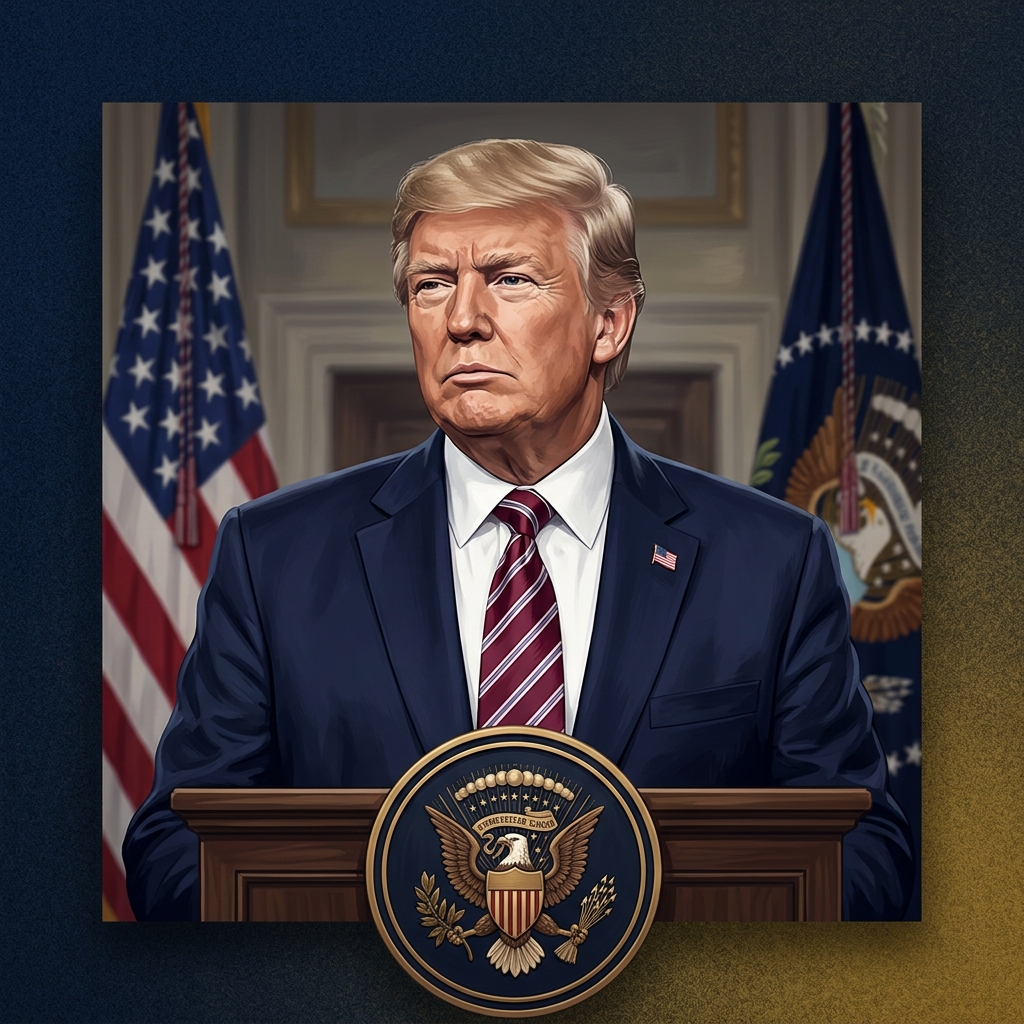
Trump administration
VS
Affected trading partners
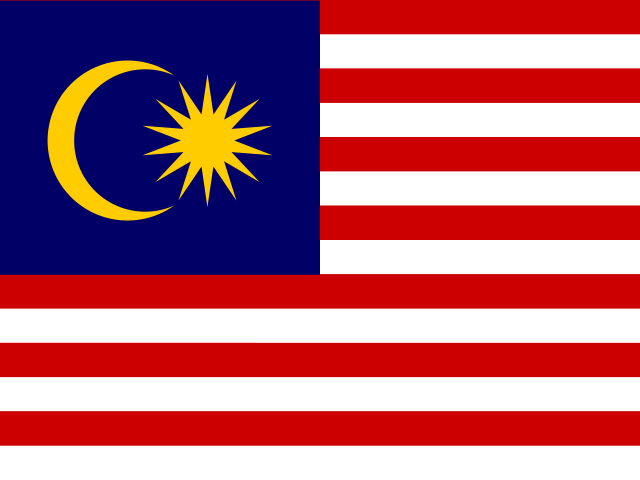




The Trump administration has introduced export licence requirements for advanced AI chips to Malaysia, Thailand, Indonesia, Singapore and Brazil, aiming to block China's remote access to these technologies.
The move follows an Nvidia scandal and raises questions about balancing national security with global trade.
*AI-generated summary of publicly available data. This is not an official statement of any party.
*AI-generated summary of publicly available statements and reporting. This is not an official statement of this party.
Supporters of the Trump administration argue that controlling advanced AI chip exports protects national technological identity and prevents adversaries from shaping the cultural future of computing.
Supporters of the Trump administration argue that controlling advanced AI chip exports protects cultural identity and national values by preventing strategic technologies from empowering rival powers like China.
Supporters of the Trump administration counter that licence mandates protect a nation's cultural and industrial identity from dependency on partners whose state-driven models erode domestic sovereignty.
Supporters of the Trump administration argue that export licence requirements are a lawful exercise of national security controls, pointing to existing export laws as legal authority to restrict chip flows and block China's remote access.
Supporters of the Trump administration argue that requiring export licences for advanced AI chips is a lawful exercise of national-security export controls, pointing to existing statutes as legal authority to block China's remote access to the technology.
Supporters of the Trump administration counter that domestic export-control statutes expressly delegate licensing authority to the executive, so existing trade agreements do not displace that statutory basis.
Supporters of the Trump administration argue the licence regime is leverage, not protectionism: by making market access conditional, Washington forces partners to police China’s remote access themselves.
Supporters of the Trump administration argue that licensing leverage over Malaysia, Thailand, Indonesia, Singapore and Brazil is the point: chokepoint control forces compliance and keeps advanced AI chips beyond China's reach.
Supporters of the Trump administration counter that sovereign leverage is exactly what the licence regime targets: partners who quietly build alternatives forfeit access, so the dependency itself, not goodwill, keeps them aligned.
Supporters of the Trump administration argue that morally prioritizing national security over unrestricted trade is justified, maintaining that preventing advanced AI chips from reaching China through third countries protects global stability.
Supporters of the Trump administration argue that preventing China's remote access to advanced AI chips is a moral duty to protect national security, and that licensing requirements are a fair safeguard even if they burden trading partners.
Supporters of the Trump administration counter that a state's moral duty to protect national security outweighs the burden of compliance, and that allied partners share responsibility for closing gaps that adversaries exploit.
Supporters of the Trump administration argue that restraining China’s access to advanced AI chips is a moral duty to protect the innocent and preserve a just order, invoking the principle that authority bears the sword to restrain wrongdoing.
Supporters of the Trump administration argue that restraining the export of advanced AI chips is a moral duty to curb a repressive power’s reach—an exercise of stewardship over tools that could enable surveillance and coercion.
Supporters of the Trump administration counter that legitimate authority is not absolute, citing Romans 13's teaching that rulers are God's servants for justice—so a nation defending its own citizens against unfair trade practices acts within, not against, that divine mandate.
*AI-generated summary of publicly available statements and reporting. This is not an official statement of this party.
Supporters of Affected trading partners argue that unilateral licence mandates override the sovereign development paths these nations have built, treating established trading relationships as subordinate to one power's security priorities.
Supporters of the affected trading partners argue that unilateral licence rules disrupt established trading relationships and the trust on which regional commerce depends.
Supporters of affected trading partners counter that national identity in computing has always been shaped through shared cross-border exchange, and that cutting partners off from advanced chips fractures the collaborative cultural fabric on which open technological traditions de.
Supporters of the affected trading partners argue that unilateral export licence requirements lack clear legal basis under existing trade agreements, and they maintain that such measures should require multilateral consultation rather than one country's discretion.
Supporters of the affected trading partners argue the licence requirement lacks clear legal basis under existing trade rules, since no published security finding justifies singling out these five nations rather than applying a uniform export standard.
Supporters of affected trading partners counter that national-security export controls are not unbounded—they point to WTO rules and trade agreements as legal limits, arguing such measures must be narrowly tailored and non-discriminatory rather than broad restrictions on chip flo.
Supporters of the affected trading partners argue the licence regime treats sovereign states as mere instruments of US security policy, and that quietly building alternative chip supply ties is the only leverage left to them.
Supporters of the affected trading partners argue the licence regime treats them as instruments of US security rather than sovereign partners, and maintain that states denied a stake in the rules will quietly court alternative suppliers.
Supporters of affected trading partners counter that leverage cuts both ways: by making access conditional, Washington hands partners a precedent to demand reciprocal concessions, so the "leverage" invites counter-leverage rather than compliance.
Supporters of the affected trading partners argue that blanket licence rules morally wrong lawful states as suspect for China's conduct, imposing burdens on sovereign partners who committed no violation and were given no say.
Supporters of affected trading partners argue it is morally unfair to treat lawful sovereign nations as suspect intermediaries, holding their businesses responsible for another country's conduct.
Supporters of affected trading partners counter that treating sovereign nations as mere conduits for enforcement is itself a moral failing, since the policy imposes collective punishment on third countries for risks they did not create.
Supporters of the affected trading partners invoke the principle of legitimate authority, arguing that sovereignty over commerce is a moral trust and that distant powers should not unilaterally override it.
Supporters of the affected trading partners argue that subjecting lawful commerce to discretionary licensing disrupts the settled order of trade, and they maintain that stable, predictable exchange among nations reflects a moral duty of stewardship.
Supporters of affected trading partners counter that claims of moral duty sit uneasily with a faithful reading of just authority, which binds the sword to lawful, impartial judgment rather than one nation’s unilateral will.
AI-generated summary of publicly available statements and reporting. This is not an official statement of this party.
Supporters of the Trump administration argue that controlling advanced AI chip exports protects national technological identity and prevents adversaries from shaping the cultural future of computing.
Supporters of the Trump administration argue that controlling advanced AI chip exports protects cultural identity and national values by preventing strategic technologies from empowering rival powers like China.
Supporters of the Trump administration counter that licence mandates protect a nation's cultural and industrial identity from dependency on partners whose state-driven models erode domestic sovereignty.
Supporters of the Trump administration argue that export licence requirements are a lawful exercise of national security controls, pointing to existing export laws as legal authority to restrict chip flows and block China's remote access.
Supporters of the Trump administration argue that requiring export licences for advanced AI chips is a lawful exercise of national-security export controls, pointing to existing statutes as legal authority to block China's remote access to the technology.
Supporters of the Trump administration counter that domestic export-control statutes expressly delegate licensing authority to the executive, so existing trade agreements do not displace that statutory basis.
Supporters of the Trump administration argue the licence regime is leverage, not protectionism: by making market access conditional, Washington forces partners to police China’s remote access themselves.
Supporters of the Trump administration argue that licensing leverage over Malaysia, Thailand, Indonesia, Singapore and Brazil is the point: chokepoint control forces compliance and keeps advanced AI chips beyond China's reach.
Supporters of the Trump administration counter that sovereign leverage is exactly what the licence regime targets: partners who quietly build alternatives forfeit access, so the dependency itself, not goodwill, keeps them aligned.
Supporters of the Trump administration argue that morally prioritizing national security over unrestricted trade is justified, maintaining that preventing advanced AI chips from reaching China through third countries protects global stability.
Supporters of the Trump administration argue that preventing China's remote access to advanced AI chips is a moral duty to protect national security, and that licensing requirements are a fair safeguard even if they burden trading partners.
Supporters of the Trump administration counter that a state's moral duty to protect national security outweighs the burden of compliance, and that allied partners share responsibility for closing gaps that adversaries exploit.
Supporters of the Trump administration argue that restraining China’s access to advanced AI chips is a moral duty to protect the innocent and preserve a just order, invoking the principle that authority bears the sword to restrain wrongdoing.
Supporters of the Trump administration argue that restraining the export of advanced AI chips is a moral duty to curb a repressive power’s reach—an exercise of stewardship over tools that could enable surveillance and coercion.
Supporters of the Trump administration counter that legitimate authority is not absolute, citing Romans 13's teaching that rulers are God's servants for justice—so a nation defending its own citizens against unfair trade practices acts within, not against, that divine mandate.
Supporters of Affected trading partners argue that unilateral licence mandates override the sovereign development paths these nations have built, treating established trading relationships as subordinate to one power's security priorities.
Supporters of the affected trading partners argue that unilateral licence rules disrupt established trading relationships and the trust on which regional commerce depends.
Supporters of affected trading partners counter that national identity in computing has always been shaped through shared cross-border exchange, and that cutting partners off from advanced chips fractures the collaborative cultural fabric on which open technological traditions de.
Supporters of the affected trading partners argue that unilateral export licence requirements lack clear legal basis under existing trade agreements, and they maintain that such measures should require multilateral consultation rather than one country's discretion.
Supporters of the affected trading partners argue the licence requirement lacks clear legal basis under existing trade rules, since no published security finding justifies singling out these five nations rather than applying a uniform export standard.
Supporters of affected trading partners counter that national-security export controls are not unbounded—they point to WTO rules and trade agreements as legal limits, arguing such measures must be narrowly tailored and non-discriminatory rather than broad restrictions on chip flo.
Supporters of the affected trading partners argue the licence regime treats sovereign states as mere instruments of US security policy, and that quietly building alternative chip supply ties is the only leverage left to them.
Supporters of the affected trading partners argue the licence regime treats them as instruments of US security rather than sovereign partners, and maintain that states denied a stake in the rules will quietly court alternative suppliers.
Supporters of affected trading partners counter that leverage cuts both ways: by making access conditional, Washington hands partners a precedent to demand reciprocal concessions, so the "leverage" invites counter-leverage rather than compliance.
Supporters of the affected trading partners argue that blanket licence rules morally wrong lawful states as suspect for China's conduct, imposing burdens on sovereign partners who committed no violation and were given no say.
Supporters of affected trading partners argue it is morally unfair to treat lawful sovereign nations as suspect intermediaries, holding their businesses responsible for another country's conduct.
Supporters of affected trading partners counter that treating sovereign nations as mere conduits for enforcement is itself a moral failing, since the policy imposes collective punishment on third countries for risks they did not create.
Supporters of the affected trading partners invoke the principle of legitimate authority, arguing that sovereignty over commerce is a moral trust and that distant powers should not unilaterally override it.
Supporters of the affected trading partners argue that subjecting lawful commerce to discretionary licensing disrupts the settled order of trade, and they maintain that stable, predictable exchange among nations reflects a moral duty of stewardship.
Supporters of affected trading partners counter that claims of moral duty sit uneasily with a faithful reading of just authority, which binds the sword to lawful, impartial judgment rather than one nation’s unilateral will.
The Trump administration imposes export licence requirements for AI chips to Malaysia, Thailand, Indonesia, Singapore and Brazil.