Trump administration
VS
AI regulation skeptics


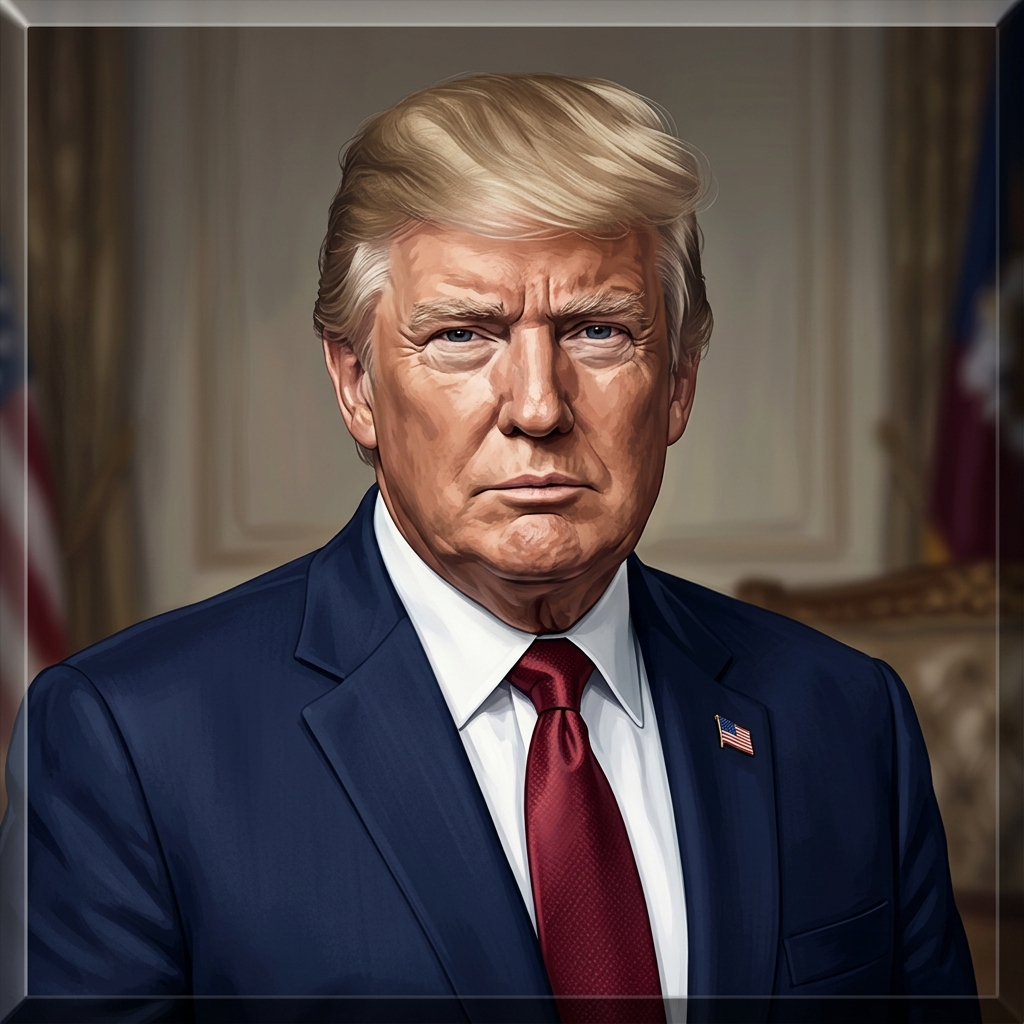
The Trump administration is the executive branch of the U.S. federal government, which has pursued a policy of minimizing government restrictions on artificial intelligence development, arguing that rapid innovation is necessary for the United States to maintain its technological edge over China.
AI regulation skeptics include Democrats, a growing number of Republicans, and public-interest advocates who warn that increasingly capable AI systems pose serious risks and that the technology needs stronger government oversight before it is deployed.
The two sides clash over whether the federal government should impose new rules on AI development or step back and let the industry advance.
The administration and its allies contend that heavy regulation would slow American innovation and cede the AI race to Beijing, while skeptics point to alarming disclosures about AI dangers and argue that oversight is needed to protect the public.
The dispute has intensified as the administration has moved to block states from regulating AI and has discussed reviewing AI models before public release, prompting critics to question whether such oversight is genuine or politically motivated.
The stakes extend beyond Washington.
Public opinion polling shows that nearly two-thirds of Americans believe the government has done too little to regulate AI, while only a small fraction think it has done too much, suggesting broad concern about the pace of development.
At the same time, the administration's emphasis on competing with China shapes its approach, framing deregulation as a matter of national competitiveness rather than safety.
*AI-generated summary of publicly available data. This is not an official statement of any party.
*AI-generated summary of publicly available statements and reporting. This is not an official statement of this party.
Supporters of the Trump administration argue the AI task force and special envoy are about cultural self-determination: keeping America's technological identity and values sovereign against China's influence.
Supporters of the Trump administration argue the AI task force and special envoy are a cultural assertion of American leadership, keeping U.S. innovation sovereign against China's state-driven model.
Supporters of the Trump administration counter that America's cultural edge in AI rests on constitutional liberties and homegrown talent, not open borders for foreign models, so a task force protecting those values strengthens rather than stifles innovation.
Supporters of the Trump administration argue the AI task force and special envoy keep governance within executive authority, avoiding new statutory mandates while preserving US competitiveness against China.
Supporters of the Trump administration argue the task force and special envoy are lawful executive tools to coordinate AI policy, not new regulation, keeping the US competitive with China.
Supporters of the Trump administration counter that executive orders and existing Commerce and FTC authority already permit the task force and envoy to set binding standards, so new legislation is not required.
Supporters of the Trump administration argue the AI task force and envoy are leverage, not regulation—tools to outpace China and set terms before rivals do.
Supporters of the Trump administration argue the AI task force and envoy are leverage, not regulation—tools to steer innovation and counter China while keeping power centralized in the executive.
Supporters of the Trump administration counter that the skeptics' framing inverts the incentive: an envoy who speeds deployment also sets the terms of the race, and whoever writes the rules first locks in advantage.
Supporters of the Trump administration argue that moral duty favors American-led AI innovation over precautionary regulation, citing the new task force and envoy as proof the US intends to win the AI race against China rather than cede progress.
Supporters of the Trump administration argue that its AI task force and special envoy reflect a moral duty to lead the global AI race, ensuring innovation and security prevail over rivals like China.
Supporters of the Trump administration counter that moral clarity, not market whim, must govern AI, since voluntary competition with China cedes ethical ground no algorithm should own.
Supporters of the Trump administration argue that ordering AI toward the common good reflects a moral duty, holding that the task force and special envoy serve stewardship of creation rather than unchecked ambition.
Supporters of the Trump administration argue that AI governance should uphold moral order and human dignity, framing the task force as stewardship of creation rather than mere regulation.
Supporters of the Trump administration counter that stewardship, not abdication, is the biblical mandate—Genesis charges humanity to govern creation, so they argue light-touch oversight keeps moral judgment with people rather than ceding it to regulators.
*AI-generated summary of publicly available statements and reporting. This is not an official statement of this party.
Supporters of AI regulation skeptics argue that America's cultural edge in AI comes from open experimentation, not bureaucracy, and warn that a new task force echoes past eras when early regulation let rivals like Japan and China close gaps.
Supporters of AI regulation skeptics argue that America’s cultural edge has always come from decentralized experimentation, not state direction, so they read the new AI task force as a precedent for bureaucratic control that could slow innovation against China.
Supporters of AI regulation skeptics counter that cultural self-determination is a hollow shield when the same task force lets a handful of firms define American values, noting past tech booms where corporate interests, not citizens, set the cultural terms.
Supporters of AI regulation skeptics argue the task force and envoy lack clear statutory authority, so any binding AI rules would exceed executive power and should require Congress.
Supporters of AI regulation skeptics argue the task force lacks statutory authority, so any rules it proposes would be legally unenforceable without Congress.
AI regulation skeptics counter that executive task forces and envoys lack statutory durability, so rivals can reverse them, leaving governance without binding legal footing.
Supporters of AI regulation skeptics argue the task force is a power play, not oversight: they maintain that in the US-China race, any binding rules cede advantage, so the envoy exists to speed deployment, not restrain it.
Skeptics argue the task force and envoy are instruments of state power, not safety: they see AI governance as a lever to steer the US-China race, so they back deregulation to keep American firms ahead.
Supporters of AI regulation skeptics counter that task forces and envoys are discretionary leverage any successor can redirect, so the absence of binding limits leaves the underlying power untouched.
Supporters of AI regulation skeptics argue that a task force and special envoy risk entrenching federal control over AI, and that innovation and individual liberty flourish through voluntary, market-driven competition with China, not state direction.
Supporters of AI regulation skeptics argue that a state-led AI task force risks politicizing innovation and eroding individual autonomy; they maintain that free markets and voluntary exchange, not government envoys, best preserve liberty.
Supporters of AI regulation skeptics counter that morality lies in consent, not national victory: they argue that citizens cannot be conscripted into a state-led AI race, since coercing innovation for geopolitical advantage violates the same individual liberty that gives American.
Supporters of AI regulation skeptics argue that moral and religious traditions warn against ceding human judgment to machines, so they favor the task force's light-touch approach over binding rules.
Supporters of AI regulation skeptics argue that centralized AI governance, like the Trump administration's new task force, risks concentrating power in ways that override the inherited moral and community structures that have long guided human judgment.
Supporters of AI regulation skeptics counter that no earthly task force can hold a mandate to steer creation toward the common good, since that authority belongs to God alone.
AI-generated summary of publicly available statements and reporting. This is not an official statement of this party.
Supporters of the Trump administration argue the AI task force and special envoy are about cultural self-determination: keeping America's technological identity and values sovereign against China's influence.
Supporters of the Trump administration argue the AI task force and special envoy are a cultural assertion of American leadership, keeping U.S. innovation sovereign against China's state-driven model.
Supporters of the Trump administration counter that America's cultural edge in AI rests on constitutional liberties and homegrown talent, not open borders for foreign models, so a task force protecting those values strengthens rather than stifles innovation.
Supporters of the Trump administration argue the AI task force and special envoy keep governance within executive authority, avoiding new statutory mandates while preserving US competitiveness against China.
Supporters of the Trump administration argue the task force and special envoy are lawful executive tools to coordinate AI policy, not new regulation, keeping the US competitive with China.
Supporters of the Trump administration counter that executive orders and existing Commerce and FTC authority already permit the task force and envoy to set binding standards, so new legislation is not required.
Supporters of the Trump administration argue the AI task force and envoy are leverage, not regulation—tools to outpace China and set terms before rivals do.
Supporters of the Trump administration argue the AI task force and envoy are leverage, not regulation—tools to steer innovation and counter China while keeping power centralized in the executive.
Supporters of the Trump administration counter that the skeptics' framing inverts the incentive: an envoy who speeds deployment also sets the terms of the race, and whoever writes the rules first locks in advantage.
Supporters of the Trump administration argue that moral duty favors American-led AI innovation over precautionary regulation, citing the new task force and envoy as proof the US intends to win the AI race against China rather than cede progress.
Supporters of the Trump administration argue that its AI task force and special envoy reflect a moral duty to lead the global AI race, ensuring innovation and security prevail over rivals like China.
Supporters of the Trump administration counter that moral clarity, not market whim, must govern AI, since voluntary competition with China cedes ethical ground no algorithm should own.
Supporters of the Trump administration argue that ordering AI toward the common good reflects a moral duty, holding that the task force and special envoy serve stewardship of creation rather than unchecked ambition.
Supporters of the Trump administration argue that AI governance should uphold moral order and human dignity, framing the task force as stewardship of creation rather than mere regulation.
Supporters of the Trump administration counter that stewardship, not abdication, is the biblical mandate—Genesis charges humanity to govern creation, so they argue light-touch oversight keeps moral judgment with people rather than ceding it to regulators.
Supporters of AI regulation skeptics argue that America's cultural edge in AI comes from open experimentation, not bureaucracy, and warn that a new task force echoes past eras when early regulation let rivals like Japan and China close gaps.
Supporters of AI regulation skeptics argue that America’s cultural edge has always come from decentralized experimentation, not state direction, so they read the new AI task force as a precedent for bureaucratic control that could slow innovation against China.
Supporters of AI regulation skeptics counter that cultural self-determination is a hollow shield when the same task force lets a handful of firms define American values, noting past tech booms where corporate interests, not citizens, set the cultural terms.
Supporters of AI regulation skeptics argue the task force and envoy lack clear statutory authority, so any binding AI rules would exceed executive power and should require Congress.
Supporters of AI regulation skeptics argue the task force lacks statutory authority, so any rules it proposes would be legally unenforceable without Congress.
AI regulation skeptics counter that executive task forces and envoys lack statutory durability, so rivals can reverse them, leaving governance without binding legal footing.
Supporters of AI regulation skeptics argue the task force is a power play, not oversight: they maintain that in the US-China race, any binding rules cede advantage, so the envoy exists to speed deployment, not restrain it.
Skeptics argue the task force and envoy are instruments of state power, not safety: they see AI governance as a lever to steer the US-China race, so they back deregulation to keep American firms ahead.
Supporters of AI regulation skeptics counter that task forces and envoys are discretionary leverage any successor can redirect, so the absence of binding limits leaves the underlying power untouched.
Supporters of AI regulation skeptics argue that a task force and special envoy risk entrenching federal control over AI, and that innovation and individual liberty flourish through voluntary, market-driven competition with China, not state direction.
Supporters of AI regulation skeptics argue that a state-led AI task force risks politicizing innovation and eroding individual autonomy; they maintain that free markets and voluntary exchange, not government envoys, best preserve liberty.
Supporters of AI regulation skeptics counter that morality lies in consent, not national victory: they argue that citizens cannot be conscripted into a state-led AI race, since coercing innovation for geopolitical advantage violates the same individual liberty that gives American.
Supporters of AI regulation skeptics argue that moral and religious traditions warn against ceding human judgment to machines, so they favor the task force's light-touch approach over binding rules.
Supporters of AI regulation skeptics argue that centralized AI governance, like the Trump administration's new task force, risks concentrating power in ways that override the inherited moral and community structures that have long guided human judgment.
Supporters of AI regulation skeptics counter that no earthly task force can hold a mandate to steer creation toward the common good, since that authority belongs to God alone.
The Trump administration established a task force and appointed a special envoy for artificial intelligence.
President Trump publicly downplayed mounting concerns about artificial intelligence and resisted calls for new regulation, arguing that less regulation is essential for the U.S. to win the AI race against China.
Democrats and a growing number of Republicans voiced skepticism about the development of increasingly capable large language models, adding bipartisan pressure for oversight despite the administration's deregulatory stance.
An Annenberg Public Policy Center survey found that 65% of Americans said the government had done too little to regulate AI, while only 8% said it had done too much.
As the Trump administration discussed oversight of AI models before public release, Cornell researchers argued that oversight cannot simply mean political review of models.