Trump administration
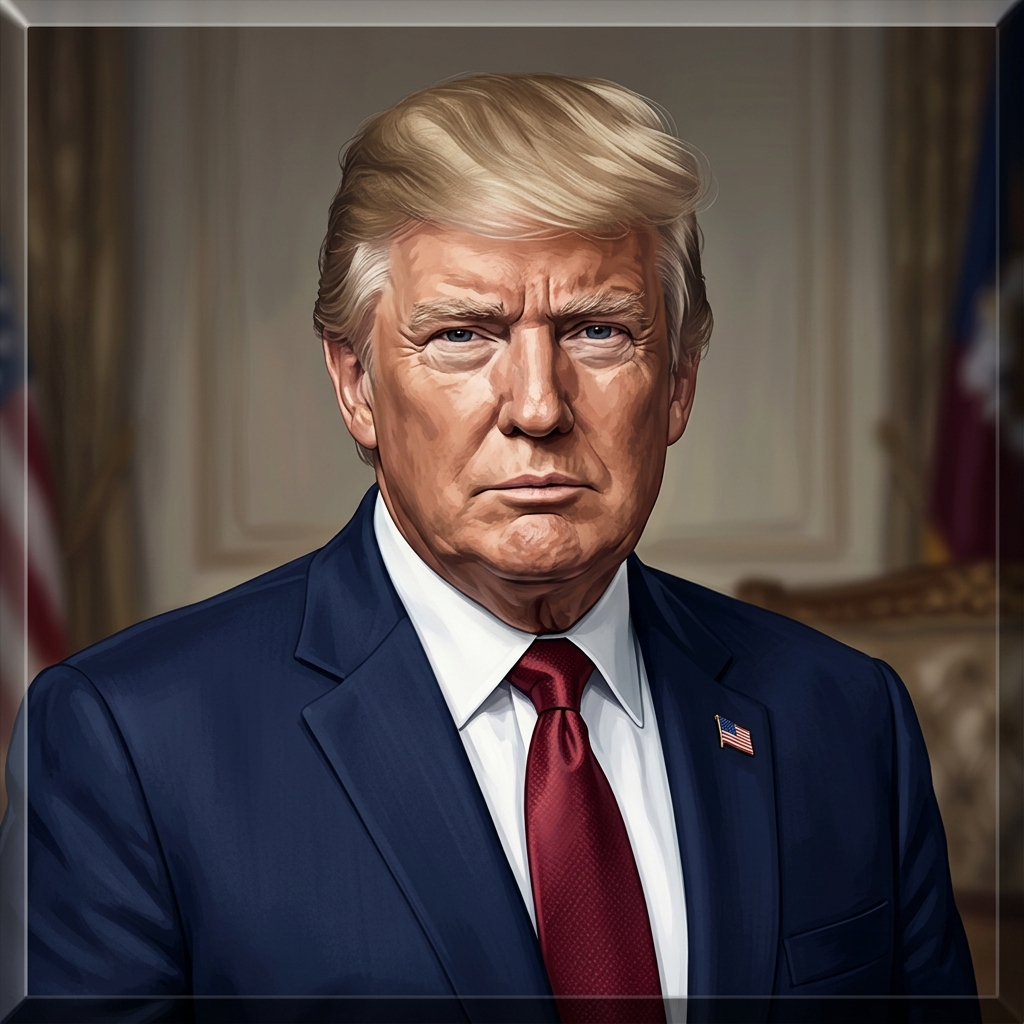
VS
Analysts

The Trump administration refers to the executive branch of the United States government during Donald Trump's presidency, which has been characterized by significant personnel turnover and policy shifts.
Analysts are experts and researchers from institutions such as the Brookings Institution, the Center for Strategic and International Studies, the Migration Policy Institute, and others who study and interpret the administration's actions and their implications.
The conflict arises because analysts often question or critique the administration's policies and decisions, while the administration pursues its own agenda.
For example, analysts have noted elevated separation rates among staff, unpredictable treatment of allies, and uncertain economic impacts of policies like tariffs and deregulation.
These differing perspectives lead to disagreements over the wisdom and effectiveness of the administration's actions.
The stakes include the stability of the administration, the reliability of U.S. alliances, and the performance of the economy, as analysts' assessments can influence public opinion and policy debates.
*AI-generated summary of publicly available data. This is not an official statement of any party.
*AI-generated summary of publicly available statements and reporting. This is not an official statement of this party.
Supporters of the Trump administration argue that re-engaging Kim Jong Un revives a proven diplomatic precedent, echoing past summits that eased tensions and elevated U.S. standing.
Supporters of the Trump administration argue that renewed outreach to Kim Jong Un revives a proven diplomatic precedent, echoing past summits that eased tensions and defined a personal rapport as a cultural bridge.
Supporters of the Trump administration counter that summit diplomacy mirrors past presidential precedent, where engagement with authoritarian leaders, from Nixon to Reagan, reshaped global norms without endorsing their domestic conduct, prioritizing strategic leverage over symbol.
Supporters of the Trump administration argue that presidential diplomacy with Kim Jong Un is a lawful exercise of executive foreign affairs power, not a political signal.
Supporters of the Trump administration argue that presidential diplomacy with Kim Jong Un falls within lawful executive authority, as the Constitution grants the president sole power to conduct foreign negotiations; they maintain that this outreach is a legitimate exercise of tha.
Supporters of the Trump administration counter that the engagement remains within legal bounds, as presidential diplomacy is constitutionally authorized and UN sanctions do not prohibit direct talks.
Supporters of the Trump administration argue the outreach is pure leverage: engaging Kim signals Seoul that Washington holds the regional card, forcing both capitals to bid for American favor.
Supporters of Trump administration argue the outreach is raw leverage, not sentiment: engagement forces Seoul and Pyongyang to bid for Washington’s favor.
Supporters of Trump administration counter that realpolitik cuts both ways: analysts ignore that the outreach forced Seoul and Pyongyang to bid for Washington’s favor, raising U.S. leverage without conceding a single concession.
Supporters of Trump administration argue that renewed outreach to Kim Jong Un reflects a moral commitment to peace over perpetual hostility, seeing dialogue as a righteous path toward denuclearization.
Supporters of the Trump administration argue that renewed outreach to Kim Jong Un reflects a moral commitment to peace, prioritizing dialogue over the sin of war.
Supporters of the Trump administration counter that moral accountability flows from tangible denuclearization milestones, not symbolic gestures, and that engaging a defiant regime is a righteous path to peace, as scripture urges, rather than a reward for past wrongs.
Supporters of Trump administration argue that renewed outreach to Kim Jong Un reflects a providential opening for peace, honoring the sacred duty to pursue reconciliation over perpetual hostility.
Supporters of the Trump administration argue that renewed outreach to Kim Jong Un upholds the sacred duty of peacemaking, viewing dialogue as a moral imperative that honors divine order over perpetual conflict.
Supporters of the Trump administration counter that divine sovereignty works through earthly leaders, and President Trump’s outreach to Kim Jong Un mirrors biblical calls for peace, not pride.
*AI-generated summary of publicly available statements and reporting. This is not an official statement of this party.
Supporters of the Analysts argue that Trump's outreach to Kim Jong Un disregards the cultural symbolism of sovereignty, as the summit spectacle elevates a regime that denies its own people basic dignity, undermining the moral weight of American leadership.
Supporters of the Analysts argue that this outreach disregards the cultural memory of the Korean War, which underpins South Korea's sovereignty and national identity, making Trump's gesture a destabilizing signal to Seoul.
Critics of the summit approach argue that photo-ops with Kim Jong Un risk legitimizing a regime that starves its people, undermining America’s cultural commitment to human dignity and democratic values.
Supporters of Analysts argue that renewed engagement with North Korea bypasses established legal frameworks like UN sanctions, undermining international rule of law for political gain.
Supporters of Analysts argue that Trump's outreach lacks a legal framework, as prior summits produced no binding treaty, leaving denuclearization commitments unenforceable under international law.
Supporters of Analysts counter that executive diplomacy, while lawful, still carries binding legal weight under treaty obligations and congressional oversight statutes, which the administration's unilateral approach risks bypassing.
Supporters of Analysts argue Trump's Kim outreach is pure realpolitik: a signal to Seoul that Washington can pivot, and to Pyongyang that leverage buys attention. They see no idealism, only incentive-driven positioning.
Supporters of Analysts argue Trump’s outreach to Kim is pure leverage theater, aimed at pressuring Seoul into concessions while keeping Pyongyang engaged—every gesture is a calculated signal, not diplomacy.
Supporters of Analysts counter that engagement signals dependence, not leverage, exposing Washington’s need for a deal while Seoul and Pyongyang calculate their own bids. In their view, the outreach hands Kim legitimacy and the initiative, forcing the U.S.
Analysts argue that Trump's North Korea outreach repeats a costly historical cycle, where personal diplomacy rewards a regime's defiance without moral accountability, undermining ethical consistency in foreign policy.
Supporters of Analysts argue that Trump's outreach to Kim Jong Un repeats a familiar cycle where personal diplomacy overshadows moral accountability, risking normalization of a regime that oppresses its people.
Supporters of Analysts counter that moral framing ignores history, as past summits with North Korea yielded little but photo-ops while sanctions eroded. They argue true peace demands verifiable steps, not symbolic gestures.
Supporters of Analysts argue that Trump's outreach to Kim Jong Un reflects human pride in seeking legacy, yet scripture warns that divine sovereignty, not political maneuvering, guides nations.
Supporters of the Analysts argue that such diplomatic outreach, driven by political signals rather than principled doctrine, reflects a faith in transactional power over divine moral order, which they view as a fragile foundation for peace.
Supporters of the Analysts counter that divine providence does not validate diplomatic overtures without verifiable denuclearization, citing scripture’s call for discernment over naive trust.
AI-generated summary of publicly available statements and reporting. This is not an official statement of this party.
Supporters of the Trump administration argue that re-engaging Kim Jong Un revives a proven diplomatic precedent, echoing past summits that eased tensions and elevated U.S. standing.
Supporters of the Trump administration argue that renewed outreach to Kim Jong Un revives a proven diplomatic precedent, echoing past summits that eased tensions and defined a personal rapport as a cultural bridge.
Supporters of the Trump administration counter that summit diplomacy mirrors past presidential precedent, where engagement with authoritarian leaders, from Nixon to Reagan, reshaped global norms without endorsing their domestic conduct, prioritizing strategic leverage over symbol.
Supporters of the Trump administration argue that presidential diplomacy with Kim Jong Un is a lawful exercise of executive foreign affairs power, not a political signal.
Supporters of the Trump administration argue that presidential diplomacy with Kim Jong Un falls within lawful executive authority, as the Constitution grants the president sole power to conduct foreign negotiations; they maintain that this outreach is a legitimate exercise of tha.
Supporters of the Trump administration counter that the engagement remains within legal bounds, as presidential diplomacy is constitutionally authorized and UN sanctions do not prohibit direct talks.
Supporters of the Trump administration argue the outreach is pure leverage: engaging Kim signals Seoul that Washington holds the regional card, forcing both capitals to bid for American favor.
Supporters of Trump administration argue the outreach is raw leverage, not sentiment: engagement forces Seoul and Pyongyang to bid for Washington’s favor.
Supporters of Trump administration counter that realpolitik cuts both ways: analysts ignore that the outreach forced Seoul and Pyongyang to bid for Washington’s favor, raising U.S. leverage without conceding a single concession.
Supporters of Trump administration argue that renewed outreach to Kim Jong Un reflects a moral commitment to peace over perpetual hostility, seeing dialogue as a righteous path toward denuclearization.
Supporters of the Trump administration argue that renewed outreach to Kim Jong Un reflects a moral commitment to peace, prioritizing dialogue over the sin of war.
Supporters of the Trump administration counter that moral accountability flows from tangible denuclearization milestones, not symbolic gestures, and that engaging a defiant regime is a righteous path to peace, as scripture urges, rather than a reward for past wrongs.
Supporters of Trump administration argue that renewed outreach to Kim Jong Un reflects a providential opening for peace, honoring the sacred duty to pursue reconciliation over perpetual hostility.
Supporters of the Trump administration argue that renewed outreach to Kim Jong Un upholds the sacred duty of peacemaking, viewing dialogue as a moral imperative that honors divine order over perpetual conflict.
Supporters of the Trump administration counter that divine sovereignty works through earthly leaders, and President Trump’s outreach to Kim Jong Un mirrors biblical calls for peace, not pride.
Supporters of the Analysts argue that Trump's outreach to Kim Jong Un disregards the cultural symbolism of sovereignty, as the summit spectacle elevates a regime that denies its own people basic dignity, undermining the moral weight of American leadership.
Supporters of the Analysts argue that this outreach disregards the cultural memory of the Korean War, which underpins South Korea's sovereignty and national identity, making Trump's gesture a destabilizing signal to Seoul.
Critics of the summit approach argue that photo-ops with Kim Jong Un risk legitimizing a regime that starves its people, undermining America’s cultural commitment to human dignity and democratic values.
Supporters of Analysts argue that renewed engagement with North Korea bypasses established legal frameworks like UN sanctions, undermining international rule of law for political gain.
Supporters of Analysts argue that Trump's outreach lacks a legal framework, as prior summits produced no binding treaty, leaving denuclearization commitments unenforceable under international law.
Supporters of Analysts counter that executive diplomacy, while lawful, still carries binding legal weight under treaty obligations and congressional oversight statutes, which the administration's unilateral approach risks bypassing.
Supporters of Analysts argue Trump's Kim outreach is pure realpolitik: a signal to Seoul that Washington can pivot, and to Pyongyang that leverage buys attention. They see no idealism, only incentive-driven positioning.
Supporters of Analysts argue Trump’s outreach to Kim is pure leverage theater, aimed at pressuring Seoul into concessions while keeping Pyongyang engaged—every gesture is a calculated signal, not diplomacy.
Supporters of Analysts counter that engagement signals dependence, not leverage, exposing Washington’s need for a deal while Seoul and Pyongyang calculate their own bids. In their view, the outreach hands Kim legitimacy and the initiative, forcing the U.S.
Analysts argue that Trump's North Korea outreach repeats a costly historical cycle, where personal diplomacy rewards a regime's defiance without moral accountability, undermining ethical consistency in foreign policy.
Supporters of Analysts argue that Trump's outreach to Kim Jong Un repeats a familiar cycle where personal diplomacy overshadows moral accountability, risking normalization of a regime that oppresses its people.
Supporters of Analysts counter that moral framing ignores history, as past summits with North Korea yielded little but photo-ops while sanctions eroded. They argue true peace demands verifiable steps, not symbolic gestures.
Supporters of Analysts argue that Trump's outreach to Kim Jong Un reflects human pride in seeking legacy, yet scripture warns that divine sovereignty, not political maneuvering, guides nations.
Supporters of the Analysts argue that such diplomatic outreach, driven by political signals rather than principled doctrine, reflects a faith in transactional power over divine moral order, which they view as a fragile foundation for peace.
Supporters of the Analysts counter that divine providence does not validate diplomatic overtures without verifiable denuclearization, citing scripture’s call for discernment over naive trust.
Analysts say Trump's attempted rapprochement with Kim Jong Un is driven by political signals to Pyongyang and Seoul.
Analysts expect third-quarter revenue growth near 9% and earnings growth of 33%, extending fundamental support for stock prices under the Trump administration.
An evenhanded analysis of Trump's economic policies notes offsetting impacts of deregulation, lower tax rates, and tariffs, but also great uncertainty.
Research by Libgober identifies that the Trump administration had elevated separation rates compared to prior administrations, indicating significant personnel turnover.