Trump administration
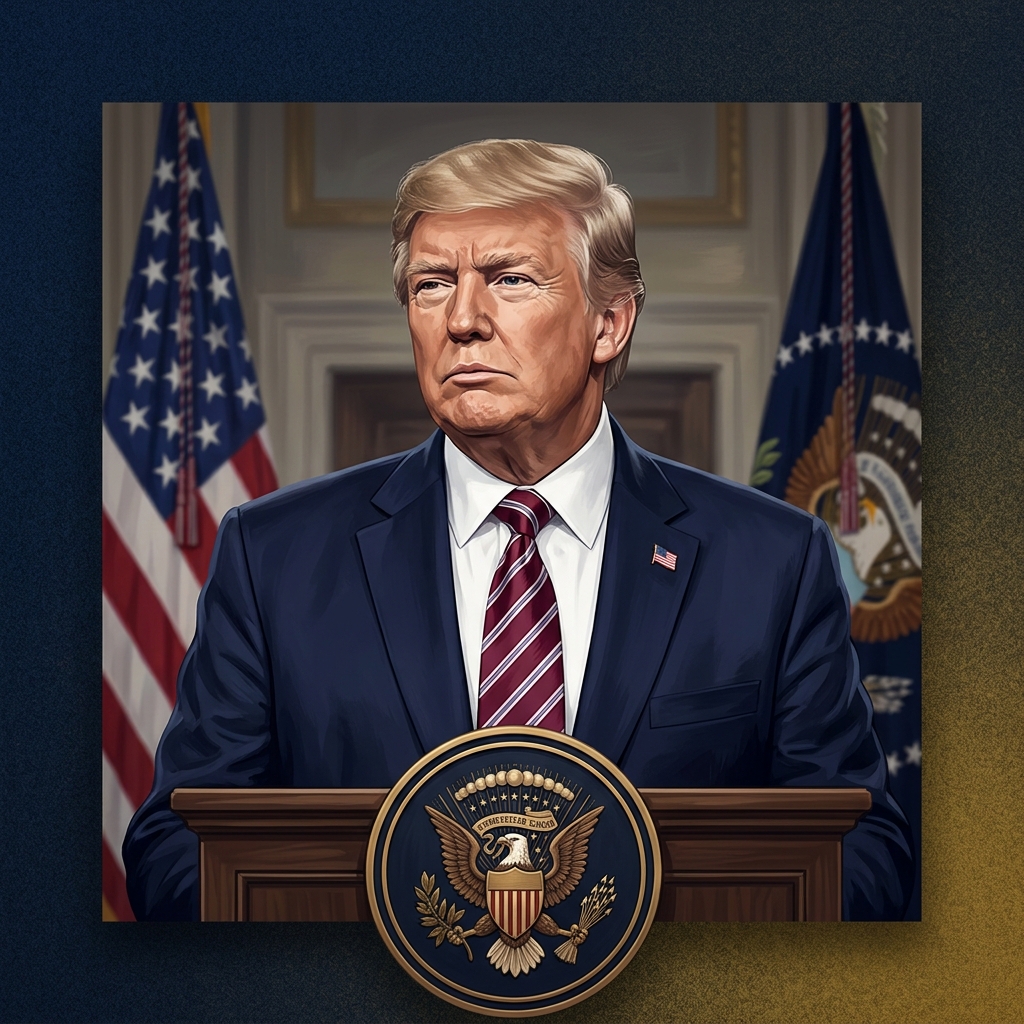
VS
Anthropic

The Trump administration and Anthropic are in a dispute over the use of AI by the US military.
Anthropic is an AI company founded with a focus on safety and ethical considerations, and it has been labeled "woke AI" by Defense Secretary Pete Hegseth and the administration.
The administration has imposed restrictions on Anthropic's technology, including ordering federal agencies to stop using it and cutting off foreign access to its latest models.
The conflict centers on Anthropic's stance on military AI applications.
The administration, particularly Hegseth, accused Anthropic of trying to dictate government policy by imposing limits on what it framed as the "lawful use" of AI.
Anthropic has been in conflict with the Pentagon over these issues, and the administration has taken actions that a judge later ruled were illegal retaliation.
*AI-generated summary of publicly available data. This is not an official statement of any party.
*AI-generated summary of publicly available statements and reporting. This is not an official statement of this party.
Supporters of the Trump administration argue the ruling overlooks a legitimate duty to ensure military AI aligns with established national-security protocols, treating institutional caution as unlawful retaliation.
Supporters of the Trump administration argue the ruling overlooks the executive’s duty to align emerging technology with national security, viewing Pentagon oversight as a cultural commitment to ordered, lawful military tradition.
Supporters of the Trump administration counter that the ruling reflects a cultural overreach, not a shift, as military AI ethics have long been shaped by executive authority and national security precedent, which remain the enduring standard.
Supporters of the Trump administration argue the judge’s ruling misreads lawful executive oversight as retaliation, insisting the Pentagon’s actions were a legitimate exercise of national-security discretion under procurement law.
Supporters of the Trump administration argue the judge’s ruling misreads executive authority, as the Pentagon’s AI procurement disputes fall under national security discretion, not unlawful retaliation, and they maintain any administrative pressure was a lawful exercise of that p.
Supporters of the Trump administration counter that the ruling ignores the government's broad procurement discretion, which permits immediate action when security risks are deemed credible, and they argue statutory procedure was satisfied through documented executive authority.
Supporters of the Trump administration argue the ruling ignores that the Pentagon’s leverage over Anthropic is standard statecraft, not retaliation; they maintain the startup’s public stance on military AI was a political liability the administration was entitled to neutralize th.
Supporters of the Trump administration argue the ruling ignores that national-security leverage, not retaliation, drove the Pentagon’s pressure on Anthropic; they maintain any administration would demand loyalty from a contractor over military AI.
Supporters of the Trump administration counter that the ruling is a tactical setback, not a moral verdict, and that state power remains the decisive lever in policy fights.
Supporters of the Trump administration maintain that lawful national-security oversight of defense AI is a moral duty, not retaliation, and that Anthropic’s stance threatened military readiness.
Supporters of the Trump administration argue that lawful oversight of military AI contracts is a moral duty to protect national security, not retaliation.
Supporters of the Trump administration counter that the ruling upholds a moral duty to enforce lawful employment terms, as the judge found no protected dissent, only a breach of contractual obligations for personal gain.
Supporters of the Trump administration view the ruling as a challenge to lawful executive authority, arguing that national defense decisions, including AI military use, fall under the president’s sacred duty to protect the nation.
Supporters of the Trump administration argue that its actions upheld a moral duty to defend the nation, viewing military AI as a sacred obligation of sovereign order.
Supporters of the Trump administration counter that scripture also commands honoring governing authorities as God’s ordained instruments, and that national defense falls under that sacred duty.
*AI-generated summary of publicly available statements and reporting. This is not an official statement of this party.
Supporters of Anthropic argue that the judge’s ruling affirms a cultural shift: military AI use must respect ethical boundaries, not executive pressure.
Supporters of Anthropic argue that the startup’s conflict with the Pentagon is a principled stand rooted in a cultural duty to question military AI’s ethical legacy, citing precedent like past scientist dissent; they see the judge’s ruling as vindication that such institutional c.
Supporters of Anthropic counter that the ruling reflects a cultural shift where safety protocols are not bureaucratic caution but moral architecture, challenging the administration’s framing of duty as mere compliance.
Supporters of Anthropic argue the judge’s ruling confirms the administration violated statutory procedure by retaliating without lawful authority, undermining due process and contractual fairness under federal law.
Supporters of Anthropic argue that the judge’s ruling confirms the administration’s retaliation violated statutory and constitutional restraints on executive power.
Supporters of Anthropic counter that procurement law still binds executive action to statutory limits, and the ruling correctly identifies retaliation where national-security discretion was used as a pretext to punish protected speech.
Supporters of Anthropic argue the judge’s ruling exposes raw power abuse: the administration weaponized state authority to punish a firm for policy dissent, not lawbreaking, proving legal victory is merely a check on—not a cure for—political retaliation.
Supporters of Anthropic argue the startup outmaneuvered the Pentagon by framing its AI ethics stance as a legal shield, not a policy choice, forcing the judge to expose the administration's clumsy retaliation as a power grab that backfired.
Supporters of Anthropic counter that statecraft is a power play, not a principle; the Pentagon’s leverage exploits a contractual dependency to punish a private firm’s speech, which sets a precedent that any AI lab’s survival hinges on political loyalty.
Supporters of Anthropic argue that the judge’s ruling affirms a moral duty to resist coercive state power, as the administration’s retaliation punished lawful dissent over military AI.
Supporters of Anthropic argue that lawful dissent on military AI is a moral duty, and the administration’s retaliation punished conscience, not misconduct.
Supporters of Anthropic counter that defense AI oversight driven by executive whim, not law, erodes the very liberty it claims to protect.
Supporters of Anthropic argue that its stand against unchecked military AI reflects a divine mandate to value human conscience over state power, citing scripture on obeying God’s moral law when earthly authorities err.
Supporters of Anthropic argue that divine law forbids bearing false witness, and they see the administration’s retaliation as a violation of that sacred command.
Supporters of Anthropic counter that no executive decree supersedes divine law, arguing that human stewardship over creation is a sacred trust that no earthly authority may abdicate.
AI-generated summary of publicly available statements and reporting. This is not an official statement of this party.
Supporters of the Trump administration argue the ruling overlooks a legitimate duty to ensure military AI aligns with established national-security protocols, treating institutional caution as unlawful retaliation.
Supporters of the Trump administration argue the ruling overlooks the executive’s duty to align emerging technology with national security, viewing Pentagon oversight as a cultural commitment to ordered, lawful military tradition.
Supporters of the Trump administration counter that the ruling reflects a cultural overreach, not a shift, as military AI ethics have long been shaped by executive authority and national security precedent, which remain the enduring standard.
Supporters of the Trump administration argue the judge’s ruling misreads lawful executive oversight as retaliation, insisting the Pentagon’s actions were a legitimate exercise of national-security discretion under procurement law.
Supporters of the Trump administration argue the judge’s ruling misreads executive authority, as the Pentagon’s AI procurement disputes fall under national security discretion, not unlawful retaliation, and they maintain any administrative pressure was a lawful exercise of that p.
Supporters of the Trump administration counter that the ruling ignores the government's broad procurement discretion, which permits immediate action when security risks are deemed credible, and they argue statutory procedure was satisfied through documented executive authority.
Supporters of the Trump administration argue the ruling ignores that the Pentagon’s leverage over Anthropic is standard statecraft, not retaliation; they maintain the startup’s public stance on military AI was a political liability the administration was entitled to neutralize th.
Supporters of the Trump administration argue the ruling ignores that national-security leverage, not retaliation, drove the Pentagon’s pressure on Anthropic; they maintain any administration would demand loyalty from a contractor over military AI.
Supporters of the Trump administration counter that the ruling is a tactical setback, not a moral verdict, and that state power remains the decisive lever in policy fights.
Supporters of the Trump administration maintain that lawful national-security oversight of defense AI is a moral duty, not retaliation, and that Anthropic’s stance threatened military readiness.
Supporters of the Trump administration argue that lawful oversight of military AI contracts is a moral duty to protect national security, not retaliation.
Supporters of the Trump administration counter that the ruling upholds a moral duty to enforce lawful employment terms, as the judge found no protected dissent, only a breach of contractual obligations for personal gain.
Supporters of the Trump administration view the ruling as a challenge to lawful executive authority, arguing that national defense decisions, including AI military use, fall under the president’s sacred duty to protect the nation.
Supporters of the Trump administration argue that its actions upheld a moral duty to defend the nation, viewing military AI as a sacred obligation of sovereign order.
Supporters of the Trump administration counter that scripture also commands honoring governing authorities as God’s ordained instruments, and that national defense falls under that sacred duty.
Supporters of Anthropic argue that the judge’s ruling affirms a cultural shift: military AI use must respect ethical boundaries, not executive pressure.
Supporters of Anthropic argue that the startup’s conflict with the Pentagon is a principled stand rooted in a cultural duty to question military AI’s ethical legacy, citing precedent like past scientist dissent; they see the judge’s ruling as vindication that such institutional c.
Supporters of Anthropic counter that the ruling reflects a cultural shift where safety protocols are not bureaucratic caution but moral architecture, challenging the administration’s framing of duty as mere compliance.
Supporters of Anthropic argue the judge’s ruling confirms the administration violated statutory procedure by retaliating without lawful authority, undermining due process and contractual fairness under federal law.
Supporters of Anthropic argue that the judge’s ruling confirms the administration’s retaliation violated statutory and constitutional restraints on executive power.
Supporters of Anthropic counter that procurement law still binds executive action to statutory limits, and the ruling correctly identifies retaliation where national-security discretion was used as a pretext to punish protected speech.
Supporters of Anthropic argue the judge’s ruling exposes raw power abuse: the administration weaponized state authority to punish a firm for policy dissent, not lawbreaking, proving legal victory is merely a check on—not a cure for—political retaliation.
Supporters of Anthropic argue the startup outmaneuvered the Pentagon by framing its AI ethics stance as a legal shield, not a policy choice, forcing the judge to expose the administration's clumsy retaliation as a power grab that backfired.
Supporters of Anthropic counter that statecraft is a power play, not a principle; the Pentagon’s leverage exploits a contractual dependency to punish a private firm’s speech, which sets a precedent that any AI lab’s survival hinges on political loyalty.
Supporters of Anthropic argue that the judge’s ruling affirms a moral duty to resist coercive state power, as the administration’s retaliation punished lawful dissent over military AI.
Supporters of Anthropic argue that lawful dissent on military AI is a moral duty, and the administration’s retaliation punished conscience, not misconduct.
Supporters of Anthropic counter that defense AI oversight driven by executive whim, not law, erodes the very liberty it claims to protect.
Supporters of Anthropic argue that its stand against unchecked military AI reflects a divine mandate to value human conscience over state power, citing scripture on obeying God’s moral law when earthly authorities err.
Supporters of Anthropic argue that divine law forbids bearing false witness, and they see the administration’s retaliation as a violation of that sacred command.
Supporters of Anthropic counter that no executive decree supersedes divine law, arguing that human stewardship over creation is a sacred trust that no earthly authority may abdicate.
The AI startup has been at loggerheads with the Pentagon over the use of AI by the US military.
Anthropic said the Trump administration lifted restrictions on some of its most advanced AI models, following earlier orders to stop using its technology and labeling it a 'supply chain risk.'
The Trump administration imposed surprise restrictions that cut off foreign access to Anthropic's latest AI models, reigniting the feud between the two sides.
Reports indicated that the Trump administration was backing off from its fight with Anthropic, after Trump and Hegseth accused the company of trying to dictate government policy on AI use.
An appeals court decided against Anthropic in the latest round of its AI battle with the Trump administration, following a lower court ruling that forced the administration to remove a national security risk label.
President Trump ordered every federal agency to stop using any of Anthropic's AI technology, intensifying the clash between the company and the U.S. government.
Secretary Hegseth and the Trump administration labeled Anthropic as 'woke AI,' escalating the feud between the AI company and the government.