Trump administration
VS
Asylum seekers

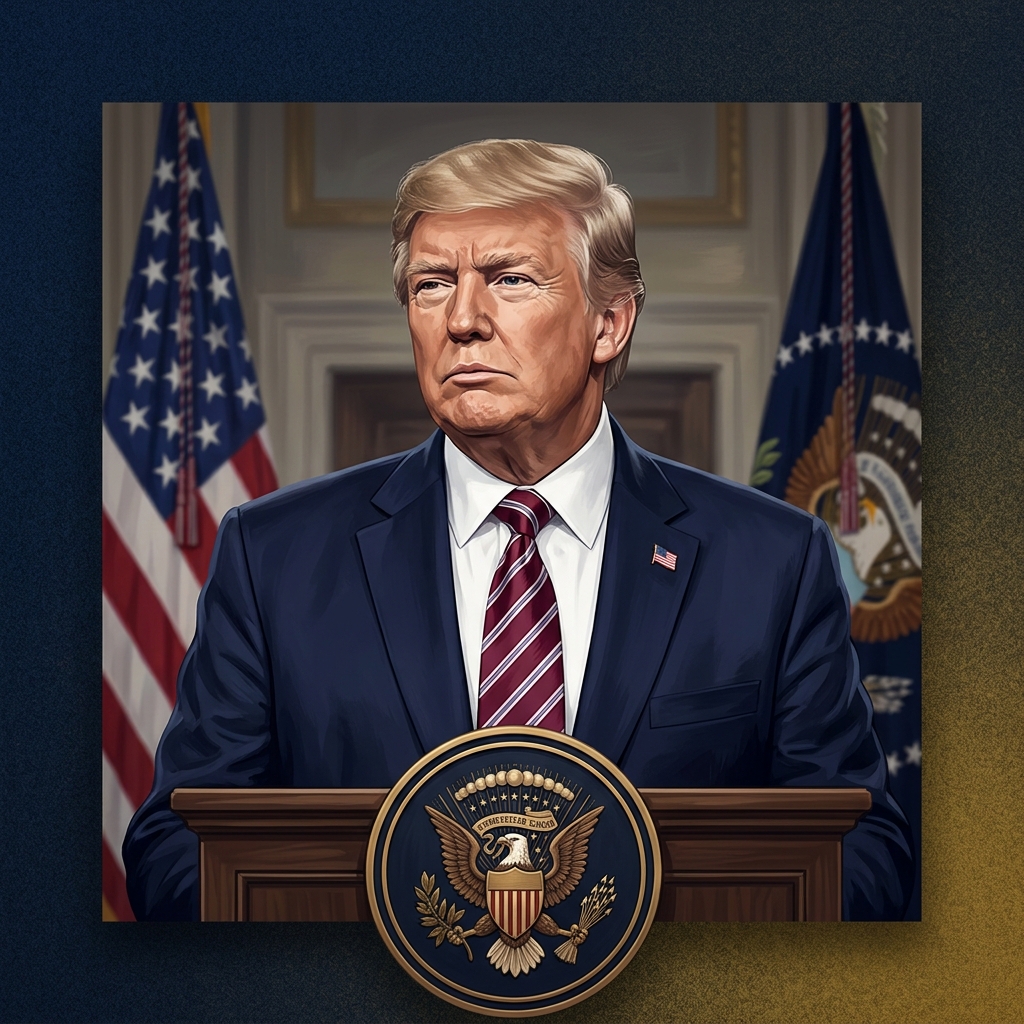
The Trump administration, the executive branch of the United States government under President Donald Trump, has implemented a series of policies aimed at restricting immigration and asylum.
Asylum seekers are individuals who flee their home countries due to persecution and seek international protection, often arriving at the U.S. southern border.
The administration has taken actions such as pausing asylum decisions, limiting eligibility for those entering from Mexico, and attempting to block asylum seekers at ports of entry.
The conflict arises from the administration's efforts to curtail asylum access, which it argues is necessary for border security and immigration enforcement, while asylum seekers and advocates contend these measures violate U.S. and international law and undermine humanitarian protections.
The administration has used proclamations and policy changes to restrict asylum, leading to legal challenges from immigrants' rights groups.
For example, a federal appeals court ruled that a Trump proclamation eliminating asylum was unlawful, while the Supreme Court allowed the administration to turn back asylum seekers at the border.
These policies have broader implications for the U.S. refugee and asylum system, which was established by law and has been significantly limited under the administration.
The actions have sparked debates over the balance between national security and humanitarian obligations, with critics arguing that the administration is dismantling legal protections for vulnerable populations.
*AI-generated summary of publicly available data. This is not an official statement of any party.
*AI-generated summary of publicly available statements and reporting. This is not an official statement of this party.
Supporters of the Trump administration argue the visa revocations uphold America’s cultural tradition of lawful entry, echoing historical precedent of prioritizing national order over individual claims.
Supporters of the Trump administration argue that this mass visa revocation restores cultural order by prioritizing legal process over historical precedent, treating asylum as a privilege, not a permanent tradition.
Supporters of the Trump administration counter that America's identity as a refuge was never unconditional, citing past restrictions on immigrants during wartime as precedent for prioritizing national security over cultural sentiment.
Supporters of the Trump administration argue the visa revocations are a lawful exercise of executive discretion over non-immigrant entry, grounded in statutory authority to enforce immigration law.
Supporters of the Trump administration argue that the mass visa revocation is a lawful exercise of executive authority under U.S. immigration statutes, treating asylum claims as separate from temporary visitor status.
Supporters of the Trump administration counter that immigration law grants the executive broad discretion over visa issuance, and blanket revocations fall within statutory authority, not judicial due-process mandates.
Supporters of Trump administration argue the visa revocations are a calculated signal: asylum seekers who overstayed their legal entry forfeit bargaining power, and mass revocation forces courts and migrants to the table on Washington’s terms.
Supporters of the Trump administration argue the visa revocations are a blunt power play to reclaim enforcement leverage, signaling that legal entry status is a revocable privilege, not a binding right.
Supporters of the Trump administration counter that visa revocations are a calculated exercise of sovereign leverage, aimed at deterring abuse of asylum pathways and signaling enforcement credibility to foreign states.
Supporters of the Trump administration argue that legally revoking expired B1 and B2 visas for asylum seekers is a moral duty to uphold the rule of law, viewing it as consistent, transparent enforcement that preserves the integrity of the immigration system for all.
Supporters of the Trump administration argue that revoking these visas is a moral duty to uphold legal order, protecting American resources for lawful immigrants and citizens.
Supporters of the Trump administration counter that moral duty also extends to protecting American communities from unchecked migration, arguing that legal processes must be upheld to ensure fairness for all.
Supporters of the Trump administration argue that revoking B1 and B2 visas from asylum seekers upholds the biblical principle of order, as nations hold the God-given authority to guard their borders.
Supporters of the Trump administration argue that revoking B1 and B2 visas from asylum seekers upholds the biblical principle of order and lawful hospitality, as Romans 13 calls for respect of governing authorities.
Supporters of the Trump administration counter that divine law also ordains order, citing Romans 13 for governing authority, and that compassion must not override a nation's duty to protect its own people from unchecked entry.
*AI-generated summary of publicly available statements and reporting. This is not an official statement of this party.
Supporters of asylum seekers argue that mass visa revocation erases America's identity as a refuge, turning cultural heritage into a bureaucratic target.
Supporters of asylum seekers argue that mass visa revocation undermines America's cultural identity as a refuge, eroding the nation's historic commitment to protecting the vulnerable.
Supporters of asylum seekers counter that America’s cultural tradition equally embraces refuge, citing the Statue of Liberty’s welcome as a core national identity, not merely lawful order.
Supporters of asylum seekers argue that mass visa revocation violates procedural due process under US immigration law, as each case merits individual review rather than blanket punishment.
Supporters of asylum seekers argue that visa revocation targets individuals who have not been adjudicated as ineligible, violating due-process guarantees under immigration law.
Supporters of Asylum seekers counter that the revocations bypass statutory asylum procedures, which require individual hearings and credible-fear reviews, making blanket visa cancellations an unlawful end-run around due process guarantees.
Supporters of asylum seekers argue the visa revocations are pure power politics, targeting a vulnerable group to signal toughness for electoral gain, not genuine security.
Supporters of Asylum seekers argue the mass visa revocation is a blunt power play, trading legal procedure for political spectacle to deter future applicants, not a genuine security measure.
Supporters of asylum seekers counter that revocation merely exposes Washington’s leverage as coercion, not negotiation—overstays are survival, not strategy, and courts will see the move as punitive, emboldening judicial pushback and lengthening legal battles, ultimately weakening.
Supporters of asylum seekers argue that revoking visas for 200,000 people punishes those legally awaiting protection, violating moral duties to shield the vulnerable. They see it as collective retribution against individuals, not enforcement, undermining humanitarian commitments.
Supporters of asylum seekers argue that revoking visas without individual review violates the moral duty to protect vulnerable people fleeing persecution, as evidence shows blanket punishments harm those with legitimate claims.
Supporters of asylum seekers counter that expired paperwork does not erase moral obligation; they argue that punitive visa revocation punishes fleeing persecution, not legal violations, and that true rule-of-law integrity requires humanitarian exception over rigid enforcement.
Supporters of Asylum seekers argue that scripture commands compassion for the stranger, citing Leviticus 19:34, and that mass visa revocation punishes those fleeing danger rather than upholding divine law.
Supporters of asylum seekers argue that scripture commands compassion for the stranger, citing Leviticus 19:34, and that mass visa revocation punishes those fleeing danger rather than upholding divine law.
Supporters of asylum seekers counter that scripture commands compassion for the stranger, citing Leviticus 19:34, and that divine law prioritizes refuge over rigid border order, as Hebrews 13:2 urges hospitality to the foreigner.
AI-generated summary of publicly available statements and reporting. This is not an official statement of this party.
Supporters of the Trump administration argue the visa revocations uphold America’s cultural tradition of lawful entry, echoing historical precedent of prioritizing national order over individual claims.
Supporters of the Trump administration argue that this mass visa revocation restores cultural order by prioritizing legal process over historical precedent, treating asylum as a privilege, not a permanent tradition.
Supporters of the Trump administration counter that America's identity as a refuge was never unconditional, citing past restrictions on immigrants during wartime as precedent for prioritizing national security over cultural sentiment.
Supporters of the Trump administration argue the visa revocations are a lawful exercise of executive discretion over non-immigrant entry, grounded in statutory authority to enforce immigration law.
Supporters of the Trump administration argue that the mass visa revocation is a lawful exercise of executive authority under U.S. immigration statutes, treating asylum claims as separate from temporary visitor status.
Supporters of the Trump administration counter that immigration law grants the executive broad discretion over visa issuance, and blanket revocations fall within statutory authority, not judicial due-process mandates.
Supporters of Trump administration argue the visa revocations are a calculated signal: asylum seekers who overstayed their legal entry forfeit bargaining power, and mass revocation forces courts and migrants to the table on Washington’s terms.
Supporters of the Trump administration argue the visa revocations are a blunt power play to reclaim enforcement leverage, signaling that legal entry status is a revocable privilege, not a binding right.
Supporters of the Trump administration counter that visa revocations are a calculated exercise of sovereign leverage, aimed at deterring abuse of asylum pathways and signaling enforcement credibility to foreign states.
Supporters of the Trump administration argue that legally revoking expired B1 and B2 visas for asylum seekers is a moral duty to uphold the rule of law, viewing it as consistent, transparent enforcement that preserves the integrity of the immigration system for all.
Supporters of the Trump administration argue that revoking these visas is a moral duty to uphold legal order, protecting American resources for lawful immigrants and citizens.
Supporters of the Trump administration counter that moral duty also extends to protecting American communities from unchecked migration, arguing that legal processes must be upheld to ensure fairness for all.
Supporters of the Trump administration argue that revoking B1 and B2 visas from asylum seekers upholds the biblical principle of order, as nations hold the God-given authority to guard their borders.
Supporters of the Trump administration argue that revoking B1 and B2 visas from asylum seekers upholds the biblical principle of order and lawful hospitality, as Romans 13 calls for respect of governing authorities.
Supporters of the Trump administration counter that divine law also ordains order, citing Romans 13 for governing authority, and that compassion must not override a nation's duty to protect its own people from unchecked entry.
Supporters of asylum seekers argue that mass visa revocation erases America's identity as a refuge, turning cultural heritage into a bureaucratic target.
Supporters of asylum seekers argue that mass visa revocation undermines America's cultural identity as a refuge, eroding the nation's historic commitment to protecting the vulnerable.
Supporters of asylum seekers counter that America’s cultural tradition equally embraces refuge, citing the Statue of Liberty’s welcome as a core national identity, not merely lawful order.
Supporters of asylum seekers argue that mass visa revocation violates procedural due process under US immigration law, as each case merits individual review rather than blanket punishment.
Supporters of asylum seekers argue that visa revocation targets individuals who have not been adjudicated as ineligible, violating due-process guarantees under immigration law.
Supporters of Asylum seekers counter that the revocations bypass statutory asylum procedures, which require individual hearings and credible-fear reviews, making blanket visa cancellations an unlawful end-run around due process guarantees.
Supporters of asylum seekers argue the visa revocations are pure power politics, targeting a vulnerable group to signal toughness for electoral gain, not genuine security.
Supporters of Asylum seekers argue the mass visa revocation is a blunt power play, trading legal procedure for political spectacle to deter future applicants, not a genuine security measure.
Supporters of asylum seekers counter that revocation merely exposes Washington’s leverage as coercion, not negotiation—overstays are survival, not strategy, and courts will see the move as punitive, emboldening judicial pushback and lengthening legal battles, ultimately weakening.
Supporters of asylum seekers argue that revoking visas for 200,000 people punishes those legally awaiting protection, violating moral duties to shield the vulnerable. They see it as collective retribution against individuals, not enforcement, undermining humanitarian commitments.
Supporters of asylum seekers argue that revoking visas without individual review violates the moral duty to protect vulnerable people fleeing persecution, as evidence shows blanket punishments harm those with legitimate claims.
Supporters of asylum seekers counter that expired paperwork does not erase moral obligation; they argue that punitive visa revocation punishes fleeing persecution, not legal violations, and that true rule-of-law integrity requires humanitarian exception over rigid enforcement.
Supporters of Asylum seekers argue that scripture commands compassion for the stranger, citing Leviticus 19:34, and that mass visa revocation punishes those fleeing danger rather than upholding divine law.
Supporters of asylum seekers argue that scripture commands compassion for the stranger, citing Leviticus 19:34, and that mass visa revocation punishes those fleeing danger rather than upholding divine law.
Supporters of asylum seekers counter that scripture commands compassion for the stranger, citing Leviticus 19:34, and that divine law prioritizes refuge over rigid border order, as Hebrews 13:2 urges hospitality to the foreigner.
Dree Collopy argues it could make people who lawfully enter the US more vulnerable to arrest and deportation.
The Trump administration is reportedly preparing to revoke the business and tourism visas of up to 200,000 people seeking asylum in the US Read Full Article at RT.com
The policy could affect up to 200,000 people and deter many more from filing an asylum claim once in the US.
The State Department is reportedly looking to revoke the visas of up to 200,000 foreigners who sought asylum after entering on tourist or business visas, in what could be the largest mass visa revocation in US history.
If the action happens, it will be the largest single mass revocation of visas in US history, AP reports.
The Brennan Center published an analysis detailing how Trump administration officials are severely limiting U.S. humanitarian refugee and asylum programs established by law.
The Supreme Court ruled that the Trump administration could turn back asylum seekers at ports of entry along the southern border, a significant blow to asylum rights.
A federal appeals court ruled that President Trump's proclamation aimed at completely shutting down asylum was unlawful, in a case brought by immigrants' rights advocates.
The Trump administration paused all asylum decisions for asylum seekers from any country around the world, halting the processing of asylum claims.
The Trump administration announced plans to revoke non-immigrant visas of foreigners who have applied for or are seeking asylum in the US.