Trump administration
VS
Banned news organisations

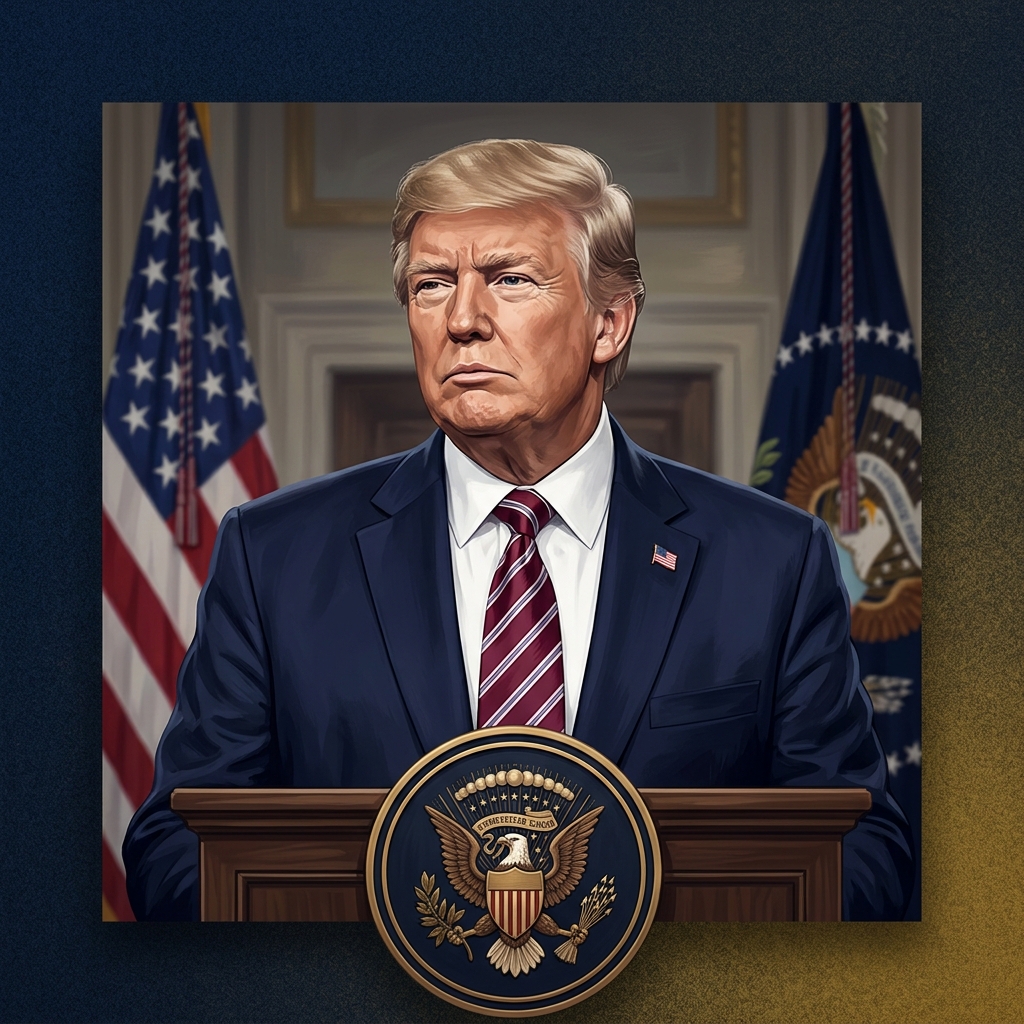
The Trump administration is the executive branch of the United States government, led by President Donald Trump.
CNN, MS NOW, and Politico are major American news organizations that regularly cover the White House and participate in the press pool, the rotating group of journalists that provides shared coverage of presidential events.
The conflict arose when the Trump administration barred CNN, MS NOW, and Politico from the White House press pool, accusing them of inaccuracies or bias.
In response, the three outlets filed a lawsuit against the administration, arguing that the ban violates press freedom.
Other major networks, including NBC, ABC, CBS, and Fox News, declined to provide pool coverage after CNN was banned, and some suspended their participation, escalating the dispute over access to the president.
The administration's actions are part of a broader pattern of conflict with the news media, including lawsuits against outlets and pressure on those he dislikes.
The dispute raises questions about government control of information and the ability of journalists to report on the presidency.
*AI-generated summary of publicly available data. This is not an official statement of any party.
*AI-generated summary of publicly available statements and reporting. This is not an official statement of this party.
Supporters of the Trump administration argue that past presidents also shaped press access, and that Trump TV restores a cultural voice they say legacy outlets long marginalized.
Supporters of the Trump administration argue that past presidents also shaped press access, and that Trump TV restores a cultural voice they say legacy outlets long denied conservative audiences.
Supporters of the Trump administration counter that press access has never been a permanent right but a rotating privilege, and that past presidents also reshaped the pool to reflect changing times.
Supporters of the Trump administration argue the White House, as the president's own venue, holds legal discretion over press pool access and may favor outlets it deems fair, calling Trump TV an exercise of that same right.
Supporters of the Trump administration argue that press pool access is a discretionary privilege, not a legal right, so the White House may lawfully limit credentials and launch its own channel.
Supporters of the Trump administration counter that press pool access is a discretionary privilege, not a First Amendment right, since the Constitution protects publication, not guaranteed White House seating.
Supporters of the Trump administration argue that controlling press pool access and launching Trump TV is smart power: shaping the narrative directly serves the administration's interests when legacy media won't.
Supporters of the Trump administration argue that controlling press pool access and launching Trump TV is a pragmatic power move: whoever sets the narrative holds leverage, so bypassing hostile outlets is rational.
Supporters of the Trump administration counter that whoever controls the room controls the narrative, so limiting the pool to friendly outlets is a rational exercise of power, not censorship.
Supporters of the Trump administration argue that a president may choose which outlets receive privileged press access, maintaining that a direct channel like Trump TV serves the public without a hostile filter.
Supporters of the Trump administration argue that a president may choose which outlets receive privileged White House access, contending that press credentials are a courtesy, not a right, and that Trump TV offers the public direct communication.
Supporters of the Trump administration counter that a president has a moral duty to ensure government messaging reaches citizens directly, and that legacy outlets forfeited access through bias, not censorship.
Supporters of Trump administration frame the press-pool ban and Trump TV as restoring moral order, arguing religious citizens long endured media they view as hostile to faith and family, and that leaders may choose which voices enter the house.
Supporters of the Trump administration argue that press access is a privilege, not a right, and that religious communities long marginalized by mainstream media welcome Trump TV as a channel finally reflecting their values.
Supporters of the Trump administration counter that God ordains governing authorities to keep order, so restricting outlets that spread discord is a lawful, even reverent, act of stewardship.
*AI-generated summary of publicly available statements and reporting. This is not an official statement of this party.
Supporters of the banned news organisations argue that a free press is a inherited cultural institution, and that excluding outlets from the White House pool breaks a long-standing democratic tradition.
Supporters of the banned news organisations argue that a free press is a cultural inheritance, and excluding outlets from the White House pool while launching Trump TV erodes that shared civic tradition.
Supporters of Banned news organisations counter that a state-aligned broadcaster erodes the shared civic culture a free press sustains, since precedent for press access never meant government itself supplying the cultural voice.
Supporters of the banned news organisations argue that excluding select outlets from the White House press pool, while launching a state-aligned channel, raises First Amendment concerns about government retaliation and unequal access to official information.
Supporters of the banned news organisations argue that excluding specific outlets from the White House press pool, while launching a state-aligned channel days later, raises First Amendment concerns about viewpoint discrimination and government control of information.
Supporters of the banned outlets counter that pool access rests on First Amendment precedent, not venue ownership; courts have treated selective exclusion of the press as unconstitutional viewpoint discrimination.
Supporters of the banned outlets argue the press pool is access, not a right, so the White House can pick who enters; they counter that a state-run channel cements one narrative.
Supporters of Banned news organisations argue that the White House ban and Trump TV launch reveal the real motive: consolidating narrative control, not correcting bias.
Supporters of Banned news organisations counter that ceding the narrative to state-run media strengthens the administration's power, not the public's, since excluded outlets lose leverage while loyal ones owe their access to Trump.
Supporters of the banned news organisations argue that excluding outlets while launching a state-aligned channel concentrates narrative control in the executive, a pattern they say history warns against in democracies.
Supporters of the banned news organisations argue that excluding outlets from the press pool while launching a state-aligned channel is a moral betrayal of the free press, since a government that silences critics and speaks only through its own voice denies citizens the independe.
Supporters of banned news organisations counter that a president who only faces friendly outlets evades accountability, and that the public's right to an unfiltered press is a moral check, not a privilege the powerful may revoke.
Supporters of the banned news organisations argue that truth-telling is a sacred duty owed to God, and that silencing independent voices to elevate state media like Trump TV betrays the moral obligation to bear witness.
Supporters of the banned news organisations argue that silencing journalists contradicts the moral duty to seek truth and expose wrongdoing, citing scripture's call to defend the oppressed and speak for those denied a voice.
Supporters of the banned outlets counter that scripture commands bearing false witness against no one, so silencing a neighbor's voice to protect faith contradicts the very moral order invoked.
AI-generated summary of publicly available statements and reporting. This is not an official statement of this party.
Supporters of the Trump administration argue that past presidents also shaped press access, and that Trump TV restores a cultural voice they say legacy outlets long marginalized.
Supporters of the Trump administration argue that past presidents also shaped press access, and that Trump TV restores a cultural voice they say legacy outlets long denied conservative audiences.
Supporters of the Trump administration counter that press access has never been a permanent right but a rotating privilege, and that past presidents also reshaped the pool to reflect changing times.
Supporters of the Trump administration argue the White House, as the president's own venue, holds legal discretion over press pool access and may favor outlets it deems fair, calling Trump TV an exercise of that same right.
Supporters of the Trump administration argue that press pool access is a discretionary privilege, not a legal right, so the White House may lawfully limit credentials and launch its own channel.
Supporters of the Trump administration counter that press pool access is a discretionary privilege, not a First Amendment right, since the Constitution protects publication, not guaranteed White House seating.
Supporters of the Trump administration argue that controlling press pool access and launching Trump TV is smart power: shaping the narrative directly serves the administration's interests when legacy media won't.
Supporters of the Trump administration argue that controlling press pool access and launching Trump TV is a pragmatic power move: whoever sets the narrative holds leverage, so bypassing hostile outlets is rational.
Supporters of the Trump administration counter that whoever controls the room controls the narrative, so limiting the pool to friendly outlets is a rational exercise of power, not censorship.
Supporters of the Trump administration argue that a president may choose which outlets receive privileged press access, maintaining that a direct channel like Trump TV serves the public without a hostile filter.
Supporters of the Trump administration argue that a president may choose which outlets receive privileged White House access, contending that press credentials are a courtesy, not a right, and that Trump TV offers the public direct communication.
Supporters of the Trump administration counter that a president has a moral duty to ensure government messaging reaches citizens directly, and that legacy outlets forfeited access through bias, not censorship.
Supporters of Trump administration frame the press-pool ban and Trump TV as restoring moral order, arguing religious citizens long endured media they view as hostile to faith and family, and that leaders may choose which voices enter the house.
Supporters of the Trump administration argue that press access is a privilege, not a right, and that religious communities long marginalized by mainstream media welcome Trump TV as a channel finally reflecting their values.
Supporters of the Trump administration counter that God ordains governing authorities to keep order, so restricting outlets that spread discord is a lawful, even reverent, act of stewardship.
Supporters of the banned news organisations argue that a free press is a inherited cultural institution, and that excluding outlets from the White House pool breaks a long-standing democratic tradition.
Supporters of the banned news organisations argue that a free press is a cultural inheritance, and excluding outlets from the White House pool while launching Trump TV erodes that shared civic tradition.
Supporters of Banned news organisations counter that a state-aligned broadcaster erodes the shared civic culture a free press sustains, since precedent for press access never meant government itself supplying the cultural voice.
Supporters of the banned news organisations argue that excluding select outlets from the White House press pool, while launching a state-aligned channel, raises First Amendment concerns about government retaliation and unequal access to official information.
Supporters of the banned news organisations argue that excluding specific outlets from the White House press pool, while launching a state-aligned channel days later, raises First Amendment concerns about viewpoint discrimination and government control of information.
Supporters of the banned outlets counter that pool access rests on First Amendment precedent, not venue ownership; courts have treated selective exclusion of the press as unconstitutional viewpoint discrimination.
Supporters of the banned outlets argue the press pool is access, not a right, so the White House can pick who enters; they counter that a state-run channel cements one narrative.
Supporters of Banned news organisations argue that the White House ban and Trump TV launch reveal the real motive: consolidating narrative control, not correcting bias.
Supporters of Banned news organisations counter that ceding the narrative to state-run media strengthens the administration's power, not the public's, since excluded outlets lose leverage while loyal ones owe their access to Trump.
Supporters of the banned news organisations argue that excluding outlets while launching a state-aligned channel concentrates narrative control in the executive, a pattern they say history warns against in democracies.
Supporters of the banned news organisations argue that excluding outlets from the press pool while launching a state-aligned channel is a moral betrayal of the free press, since a government that silences critics and speaks only through its own voice denies citizens the independe.
Supporters of banned news organisations counter that a president who only faces friendly outlets evades accountability, and that the public's right to an unfiltered press is a moral check, not a privilege the powerful may revoke.
Supporters of the banned news organisations argue that truth-telling is a sacred duty owed to God, and that silencing independent voices to elevate state media like Trump TV betrays the moral obligation to bear witness.
Supporters of the banned news organisations argue that silencing journalists contradicts the moral duty to seek truth and expose wrongdoing, citing scripture's call to defend the oppressed and speak for those denied a voice.
Supporters of the banned outlets counter that scripture commands bearing false witness against no one, so silencing a neighbor's voice to protect faith contradicts the very moral order invoked.
The Trump administration bans a group of news organisations from the White House press pool.
The Trump administration launches 'Trump TV' days after banning news organisations.
CNN, Politico, and MS NOW filed a lawsuit against the Trump administration after being barred from the White House press pool.
NBC, ABC, CBS, and Fox News declined to step in and provide pool coverage of the president after CNN was banned from doing so.