Trump administration

VS
Biden-era clean energy grant recipients

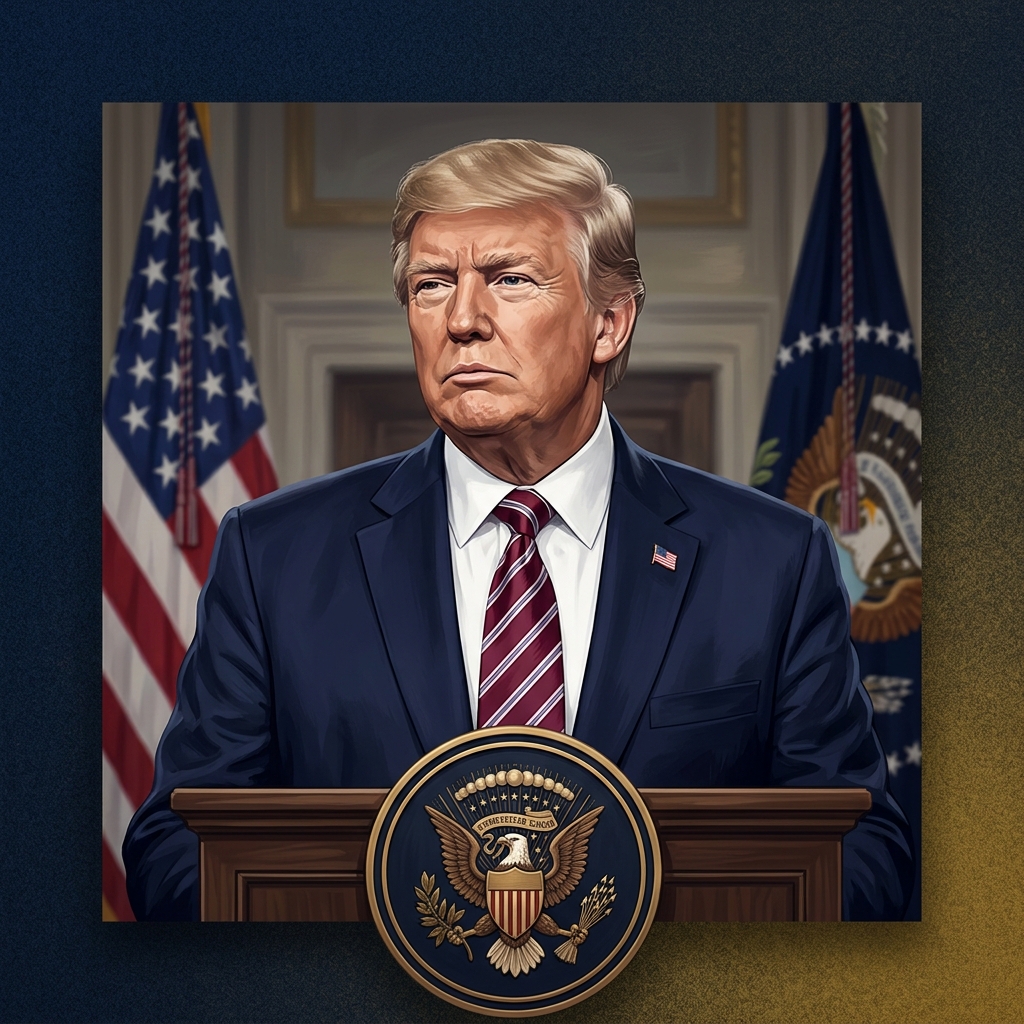
The Trump administration canceled more than $7.5 billion in Biden-era clean energy grants in October, a move that has sparked legal and political controversy.
In federal court filings, the administration acknowledged that the cancellations were based 'solely on the political identity of the grant recipient,' a statement that Democratic lawmakers and critics have characterized as an abuse of power.
The administration has disputed this characterization, calling it a 'misrepresentation.' A federal appeals court has since ruled that the administration improperly terminated the program, dealing a setback to the administration's efforts to revoke the grants.
*AI-generated summary of publicly available data. This is not an official statement of any party.
*AI-generated summary of publicly available statements and reporting. This is not an official statement of this party.
Supporters of the Trump administration argue that the ruling ignores the historical precedent of executive authority to reverse a predecessor’s unfinished agenda, viewing the grants as a cultural relic of a bygone climate consensus rather than a binding contract.
Supporters of the Trump administration argue that honoring these grants binds the nation to a failed, top-down green agenda, and they view the court's ruling as an obstacle to restoring the cultural primacy of American energy independence and self-reliance.
Supporters of the Trump administration counter that these grants impose a federal cultural template, erasing local traditions of energy independence and industrial heritage. They argue that community pride, rooted in coal and manufacturing legacies, is dismissed by a.
Supporters of the Trump administration argue that the EPA retains lawful authority to revoke congressionally unappropriated grant funds, viewing the court’s ruling as an overreach that undermines executive discretion over federal spending.
Supporters of the Trump administration argue the EPA holds statutory discretion to rescind grants, and the court’s ruling improperly constrains executive authority over federal spending.
Supporters of the Trump administration counter that the EPA retains statutory authority to terminate grants for noncompliance, and the ruling does not strip that power. They argue the challenged revocation rests on contractual terms allowing rescission when recipients fail to.
Supporters of Trump administration argue the ruling ignores raw executive leverage, treating grant promises as binding contracts when power, not precedent, decides policy. They maintain courts protect Biden-era inertia, but the administration’s next move is procedural delay,.
Supporters of the Trump administration argue the ruling ignores raw executive authority, treating court procedure as a binding leash on presidential power over federal spending.
Supporters of the Trump administration counter that legal authority is the ultimate currency, and contractual commitments are binding only when enforcement aligns with executive interest; the ruling simply reflects a shift in power, not a broken promise.
Supporters of the Trump administration argue that cancelling the grants honors a moral duty to taxpayer stewardship, rejecting what they view as a prior administration's reckless precedent of locking in unaccountable spending. They maintain the courts, by shielding the grants,.
Supporters of the Trump administration argue that canceling the grants is a moral duty to correct the unlawful overreach of the prior administration, insisting that no government is bound by the reckless promises of a predecessor.
Supporters of the Trump administration counter that a promise tied to taxpayer dollars is only moral when it serves the national interest, and that forcing communities to depend on unproven green projects prioritizes ideology over the working families who funded them.
Supporters of the Trump administration argue that stewarding public funds demands obedience to divine law, treating the cancellation of clean energy grants as a righteous act of fiscal stewardship. They maintain that the court’s ruling wrongly elevates bureaucratic contracts.
Supporters of the Trump administration argue that revoking these grants upholds divine stewardship, as scripture calls for faithful management of resources rather than binding future generations to costly, unproven programs.
Supporters of the Trump administration counter that no covenant binds the state to perpetual subsidy, as divine law entrusts stewardship to the current steward, not prior pledges.
*AI-generated summary of publicly available statements and reporting. This is not an official statement of this party.
Supporters of Biden-era clean energy grant recipients argue that the ruling affirms community-level climate investments as a matter of local cultural pride, not federal politics. They maintain that cancelled grants would erase shared regional identities built around sustainable.
Supporters of Biden-era clean energy grant recipients argue that these grants reflect a shared national commitment to innovation, and that revoking them undermines American communities' cultural pride in leading the global clean-energy transition.
Supporters of Biden-era clean energy grant recipients counter that these grants embody a collective cultural commitment to climate stewardship, not a relic, and that reversing them disregards the shared values of communities already investing in a sustainable future.
Supporters of Biden-era clean energy grant recipients argue that the appeals court ruling confirms the EPA lacks legal authority to revoke grants already awarded under binding federal agreements.
Supporters of Biden-era clean energy grant recipients argue that the appeals court ruling confirms the EPA lacked legal authority to unilaterally revoke previously awarded grants, violating established administrative procedure and contractual obligations.
Supporters of Biden-era clean energy grant recipients counter that the Impoundment Control Act bars the EPA from revoking funds Congress has already obligated, and that the court’s ruling merely enforces statutory limits on executive discretion over appropriated sums.
Supporters of Biden-era clean energy grant recipients argue that the court ruling exposes a raw power play, where the Trump administration weaponized legal authority to break contractual commitments. They maintain that the recipients' strategic grip on binding agreements, not.
Supporters of Biden-era clean energy grant recipients argue the ruling proves raw legal power, not policy merit, now shields their funding; they maintain the Trump administration’s cancellation was a political overreach that courts will punish, making revocation a costly bluff.
Supporters of Biden-era clean energy grant recipients counter that procedural delay is still a legal loss, and courts enforce contracts precisely because power without paper collapses under audit trails. They argue the administration’s leverage shrinks with every docketed.
Supporters of Biden-era clean energy grant recipients argue that cancelling awarded grants breaks a moral promise to communities that planned around federal funds, making the EPA’s action a breach of trust rather than prudent policy.
Supporters of Biden-era clean energy grant recipients argue that honoring awarded grants is a moral commitment to good-faith agreements, not just legal formality. They maintain that revoking funds after communities planned around them breaks trust and undermines the rule of law.
Supporters of Biden-era clean energy grant recipients counter that moral stewardship includes honoring binding commitments, not breaking them; courts protect lawful contracts, and cancelling grants undermines trust in government and harms communities that planned around them.
Supporters of Biden-era clean energy grant recipients argue the court’s ruling upholds a sacred covenant between government and community, honoring commitments as a moral duty.
Supporters of Biden-era clean energy grant recipients argue the ruling upholds a sacred duty to honor commitments, as breaking pledged stewardship of creation undermines the moral order.
Supporters of Biden-era clean energy grant recipients argue that divine law also commands honoring covenants, and that the court’s ruling upholds the sacred duty of keeping promises made in good faith.
AI-generated summary of publicly available statements and reporting. This is not an official statement of this party.
Supporters of the Trump administration argue that the ruling ignores the historical precedent of executive authority to reverse a predecessor’s unfinished agenda, viewing the grants as a cultural relic of a bygone climate consensus rather than a binding contract.
Supporters of the Trump administration argue that honoring these grants binds the nation to a failed, top-down green agenda, and they view the court's ruling as an obstacle to restoring the cultural primacy of American energy independence and self-reliance.
Supporters of the Trump administration counter that these grants impose a federal cultural template, erasing local traditions of energy independence and industrial heritage. They argue that community pride, rooted in coal and manufacturing legacies, is dismissed by a.
Supporters of the Trump administration argue that the EPA retains lawful authority to revoke congressionally unappropriated grant funds, viewing the court’s ruling as an overreach that undermines executive discretion over federal spending.
Supporters of the Trump administration argue the EPA holds statutory discretion to rescind grants, and the court’s ruling improperly constrains executive authority over federal spending.
Supporters of the Trump administration counter that the EPA retains statutory authority to terminate grants for noncompliance, and the ruling does not strip that power. They argue the challenged revocation rests on contractual terms allowing rescission when recipients fail to.
Supporters of Trump administration argue the ruling ignores raw executive leverage, treating grant promises as binding contracts when power, not precedent, decides policy. They maintain courts protect Biden-era inertia, but the administration’s next move is procedural delay,.
Supporters of the Trump administration argue the ruling ignores raw executive authority, treating court procedure as a binding leash on presidential power over federal spending.
Supporters of the Trump administration counter that legal authority is the ultimate currency, and contractual commitments are binding only when enforcement aligns with executive interest; the ruling simply reflects a shift in power, not a broken promise.
Supporters of the Trump administration argue that cancelling the grants honors a moral duty to taxpayer stewardship, rejecting what they view as a prior administration's reckless precedent of locking in unaccountable spending. They maintain the courts, by shielding the grants,.
Supporters of the Trump administration argue that canceling the grants is a moral duty to correct the unlawful overreach of the prior administration, insisting that no government is bound by the reckless promises of a predecessor.
Supporters of the Trump administration counter that a promise tied to taxpayer dollars is only moral when it serves the national interest, and that forcing communities to depend on unproven green projects prioritizes ideology over the working families who funded them.
Supporters of the Trump administration argue that stewarding public funds demands obedience to divine law, treating the cancellation of clean energy grants as a righteous act of fiscal stewardship. They maintain that the court’s ruling wrongly elevates bureaucratic contracts.
Supporters of the Trump administration argue that revoking these grants upholds divine stewardship, as scripture calls for faithful management of resources rather than binding future generations to costly, unproven programs.
Supporters of the Trump administration counter that no covenant binds the state to perpetual subsidy, as divine law entrusts stewardship to the current steward, not prior pledges.
Supporters of Biden-era clean energy grant recipients argue that the ruling affirms community-level climate investments as a matter of local cultural pride, not federal politics. They maintain that cancelled grants would erase shared regional identities built around sustainable.
Supporters of Biden-era clean energy grant recipients argue that these grants reflect a shared national commitment to innovation, and that revoking them undermines American communities' cultural pride in leading the global clean-energy transition.
Supporters of Biden-era clean energy grant recipients counter that these grants embody a collective cultural commitment to climate stewardship, not a relic, and that reversing them disregards the shared values of communities already investing in a sustainable future.
Supporters of Biden-era clean energy grant recipients argue that the appeals court ruling confirms the EPA lacks legal authority to revoke grants already awarded under binding federal agreements.
Supporters of Biden-era clean energy grant recipients argue that the appeals court ruling confirms the EPA lacked legal authority to unilaterally revoke previously awarded grants, violating established administrative procedure and contractual obligations.
Supporters of Biden-era clean energy grant recipients counter that the Impoundment Control Act bars the EPA from revoking funds Congress has already obligated, and that the court’s ruling merely enforces statutory limits on executive discretion over appropriated sums.
Supporters of Biden-era clean energy grant recipients argue that the court ruling exposes a raw power play, where the Trump administration weaponized legal authority to break contractual commitments. They maintain that the recipients' strategic grip on binding agreements, not.
Supporters of Biden-era clean energy grant recipients argue the ruling proves raw legal power, not policy merit, now shields their funding; they maintain the Trump administration’s cancellation was a political overreach that courts will punish, making revocation a costly bluff.
Supporters of Biden-era clean energy grant recipients counter that procedural delay is still a legal loss, and courts enforce contracts precisely because power without paper collapses under audit trails. They argue the administration’s leverage shrinks with every docketed.
Supporters of Biden-era clean energy grant recipients argue that cancelling awarded grants breaks a moral promise to communities that planned around federal funds, making the EPA’s action a breach of trust rather than prudent policy.
Supporters of Biden-era clean energy grant recipients argue that honoring awarded grants is a moral commitment to good-faith agreements, not just legal formality. They maintain that revoking funds after communities planned around them breaks trust and undermines the rule of law.
Supporters of Biden-era clean energy grant recipients counter that moral stewardship includes honoring binding commitments, not breaking them; courts protect lawful contracts, and cancelling grants undermines trust in government and harms communities that planned around them.
Supporters of Biden-era clean energy grant recipients argue the court’s ruling upholds a sacred covenant between government and community, honoring commitments as a moral duty.
Supporters of Biden-era clean energy grant recipients argue the ruling upholds a sacred duty to honor commitments, as breaking pledged stewardship of creation undermines the moral order.
Supporters of Biden-era clean energy grant recipients argue that divine law also commands honoring covenants, and that the court’s ruling upholds the sacred duty of keeping promises made in good faith.
The Trump administration canceled more than $7.5 billion in Biden-era clean energy grants, a move that later became the subject of legal challenges.
US federal appeals court ruled EPA likely acted unlawfully in cancelling clean energy grants.
Critics and lawmakers expressed backlash over the administration's 'vindictive' use of energy and other grants, citing the cancellation of $7.6 billion in clean energy grants based on political identity.
Democratic lawmakers accused the Trump administration of abusing its power after officials admitted in a federal court filing that grants were canceled based on political identity.
In federal court filings, the Trump administration acknowledged that it canceled grants for hundreds of clean energy projects 'based solely on the political identity of the grant recipient.'