Trump administration
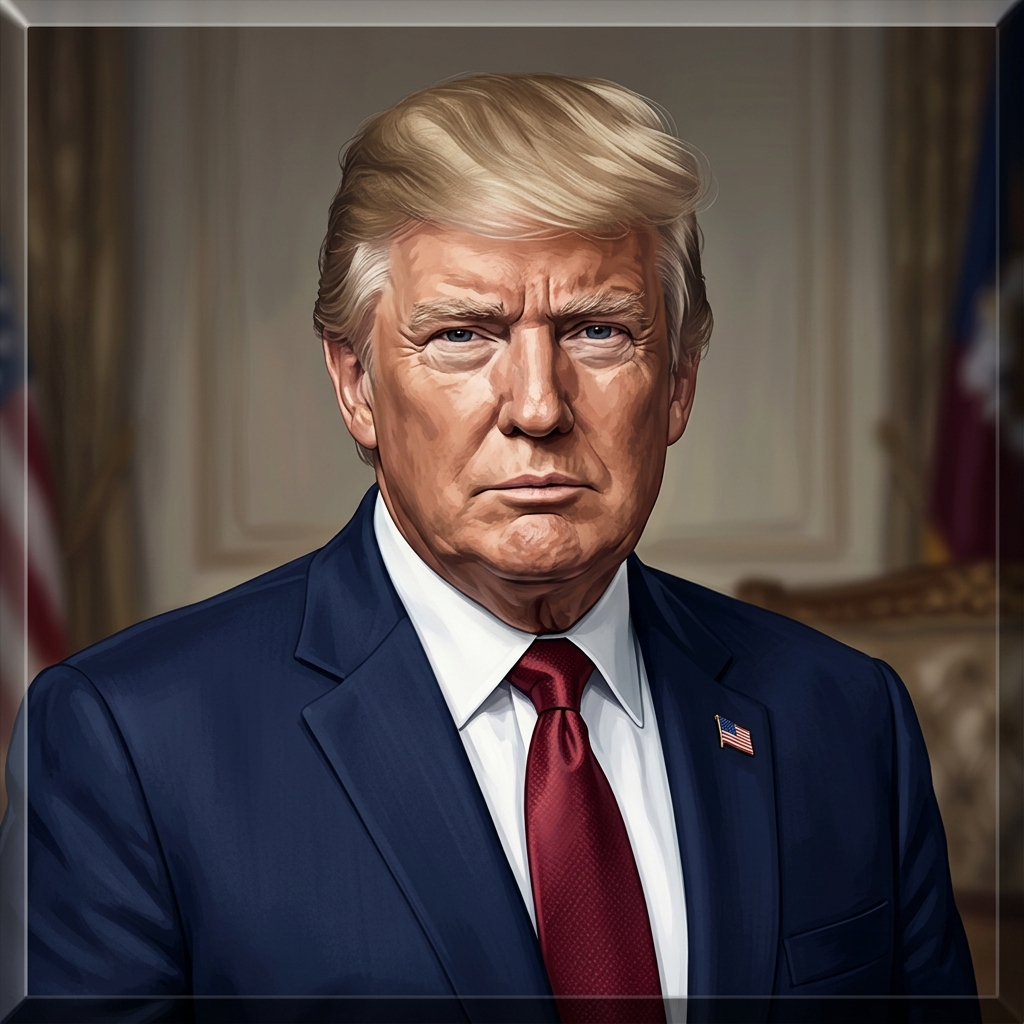
VS
Biden-era regulators

The Trump administration is the executive branch of the U.S. federal government under President Donald Trump, which has pursued a broad deregulation agenda across environmental, energy, and consumer-product rules.
Biden-era regulators refers to officials in the previous administration of President Joe Biden, whose agencies issued a range of environmental and energy regulations, including stricter fuel economy standards and rules affecting appliances and federal lands.
The two sides have conflicting interests over the scope and direction of federal regulation.
The Trump administration has moved to rescind or revise Biden-era rules, such as fuel economy standards that demanded fleetwide averages of 50.4 mpg and refrigerant regulations it describes as burdensome and costly.
Biden-era regulators had used rulemaking to advance environmental and climate priorities, issuing hundreds of economically significant rules, which the Trump administration is now seeking to roll back.
The dispute is part of a broader pattern of policy swings between administrations, with each side viewing its approach as better serving environmental protection, consumer choice, or industry interests.
The outcome affects automakers, consumers, and the regulatory landscape for years to come.
*AI-generated summary of publicly available data. This is not an official statement of any party.
*AI-generated summary of publicly available statements and reporting. This is not an official statement of this party.
Supporters of the Trump administration argue that ending the EV mandate preserves a cultural tradition of car ownership and consumer freedom, rejecting imposed lifestyle changes from Washington regulators.
Supporters of the Trump administration argue that ending the EV mandate protects Americans' freedom to choose their own cars, preserving a cultural tradition of personal mobility over mandates imposed from Washington.
Supporters of the Trump administration counter that cultural identity is rooted in inherited traditions like car ownership and open-road freedom, and they argue that Washington mandates displace those norms rather than reflect them.
Supporters of the Trump administration argue the rollback is legally sound because Congress, not agencies, holds authority to set binding fuel economy mandates.
Supporters of the Trump administration argue that Congress never enacted an EV mandate, so Biden regulators exceeded statutory authority; they maintain agencies may not impose major policies without clear legal authorization.
Supporters of Trump counter that the major questions doctrine requires explicit congressional authorization for sweeping EPA rules, so they argue the rollback rests on solid legal footing.
Supporters of Trump argue that rolling back fuel economy rules strips regulators of leverage over automakers, returning power to consumers and industry; they frame the EV mandate as coercion, not climate policy.
Supporters of Trump administration argue the rollback is smart politics: it rewards auto workers and consumers, guts a rival's regulatory legacy, and costs little, since Congress—not a rule—would truly bind future policy.
Supporters of the Trump administration counter that leverage cuts both ways: locked-in EV investment is stranded capital, and regulators who pick winners hand rivals the opening to take the market the rules meant to secure.
Supporters of the Trump administration argue that undoing Biden-era fuel economy rules and the EV mandate respects consumer choice and affordable cars, prioritizing drivers' economic freedom over mandated electrification.
Supporters of Trump administration argue that rolling back fuel economy rules and the EV mandate respects consumer choice, maintaining that environmental stewardship should not come at the cost of forcing Americans into vehicles they did not choose.
Supporters of the Trump administration counter that affordable, reliable transportation is itself a moral good, and that mandating costly EVs prices lower-income families out of newer, safer, cleaner cars.
Supporters of Trump administration argue stewardship of creation includes dominion over resources, not coerced EV mandates, and that families should choose vehicles freely under moral law.
Supporters of Trump administration argue that stewardship of creation honors God's design for humanity, and that rolling back the EV mandate protects families' freedom to choose affordable transportation.
Supporters of Trump administration counter that stewardship in Genesis grants humanity dominion to use resources, not regulators' mandate, and that families, not federal agencies, best honor that divine trust.
*AI-generated summary of publicly available statements and reporting. This is not an official statement of this party.
Supporters of Biden-era regulators argue that fuel economy rules and EV incentives reflect a cultural commitment to environmental stewardship, positioning clean vehicles as part of America's identity rather than a mandate imposed on consumers.
Supporters of Biden-era regulators argue that weakening fuel standards sacrifices America's industrial leadership, treating the EV transition as a cultural shift toward energy independence rather than a mandate.
Supporters of Biden-era regulators counter that tailpipe rules never banned cars or forced anyone to buy an EV, so the "cultural tradition" framing misreads a clean-air standard as a lifestyle attack.
Supporters of Biden-era regulators argue that Congress delegated emissions authority to the EPA, so they see Trump's rollback as exceeding his legal authority and likely to be challenged in court.
Supporters of Biden-era regulators argue the executive lacks legal authority to unilaterally rescind fuel economy standards Congress empowered agencies to set, so any rollback must follow the statutory rulemaking process.
Supporters of Biden-era regulators counter that Congress delegated broad authority to the agencies, so the rollback itself exceeds the administration's legal power absent new legislation.
Supporters of Biden-era regulators argue the rules were leverage: by forcing automakers toward EVs, they locked in investment and global market position before any rollback could reverse it.
Supporters of Biden-era regulators argue the EV mandate was leverage: by binding Detroit to electric timelines, they forced industry investment before Trump could unwind it.
Supporters of Biden-era regulators counter that the rollback doesn't return power to consumers—it hands leverage to automakers, who face no binding target and thus no reason to invest in efficiency beyond what sells today.
Supporters of Biden-era regulators argue that weakening fuel economy rules morally shifts environmental costs onto future generations, prioritizing present convenience over a livable climate.
Supporters of Biden-era regulators argue that saddling consumers with higher fuel costs and fewer efficient vehicle options violates a moral duty to protect future generations from climate harm.
Supporters of Biden-era regulators counter that fuel economy rules protect consumers from shouldering the hidden health and climate costs of emissions, and that affordable cars should not come at the expense of others' clean air.
Supporters of Biden-era regulators argue that curbing emissions reflects a moral duty to safeguard creation for future generations, a stewardship they say traditional faith communities have long upheld.
Supporters of Biden-era regulators argue that stewardship of creation is a religious duty, so fuel economy rules honor the Creator by protecting the earth for future generations.
Supporters of Biden-era regulators counter that stewardship in Genesis calls for protecting creation, not dominion, so curbing emissions serves the moral law families answer to.
AI-generated summary of publicly available statements and reporting. This is not an official statement of this party.
Supporters of the Trump administration argue that ending the EV mandate preserves a cultural tradition of car ownership and consumer freedom, rejecting imposed lifestyle changes from Washington regulators.
Supporters of the Trump administration argue that ending the EV mandate protects Americans' freedom to choose their own cars, preserving a cultural tradition of personal mobility over mandates imposed from Washington.
Supporters of the Trump administration counter that cultural identity is rooted in inherited traditions like car ownership and open-road freedom, and they argue that Washington mandates displace those norms rather than reflect them.
Supporters of the Trump administration argue the rollback is legally sound because Congress, not agencies, holds authority to set binding fuel economy mandates.
Supporters of the Trump administration argue that Congress never enacted an EV mandate, so Biden regulators exceeded statutory authority; they maintain agencies may not impose major policies without clear legal authorization.
Supporters of Trump counter that the major questions doctrine requires explicit congressional authorization for sweeping EPA rules, so they argue the rollback rests on solid legal footing.
Supporters of Trump argue that rolling back fuel economy rules strips regulators of leverage over automakers, returning power to consumers and industry; they frame the EV mandate as coercion, not climate policy.
Supporters of Trump administration argue the rollback is smart politics: it rewards auto workers and consumers, guts a rival's regulatory legacy, and costs little, since Congress—not a rule—would truly bind future policy.
Supporters of the Trump administration counter that leverage cuts both ways: locked-in EV investment is stranded capital, and regulators who pick winners hand rivals the opening to take the market the rules meant to secure.
Supporters of the Trump administration argue that undoing Biden-era fuel economy rules and the EV mandate respects consumer choice and affordable cars, prioritizing drivers' economic freedom over mandated electrification.
Supporters of Trump administration argue that rolling back fuel economy rules and the EV mandate respects consumer choice, maintaining that environmental stewardship should not come at the cost of forcing Americans into vehicles they did not choose.
Supporters of the Trump administration counter that affordable, reliable transportation is itself a moral good, and that mandating costly EVs prices lower-income families out of newer, safer, cleaner cars.
Supporters of Trump administration argue stewardship of creation includes dominion over resources, not coerced EV mandates, and that families should choose vehicles freely under moral law.
Supporters of Trump administration argue that stewardship of creation honors God's design for humanity, and that rolling back the EV mandate protects families' freedom to choose affordable transportation.
Supporters of Trump administration counter that stewardship in Genesis grants humanity dominion to use resources, not regulators' mandate, and that families, not federal agencies, best honor that divine trust.
Supporters of Biden-era regulators argue that fuel economy rules and EV incentives reflect a cultural commitment to environmental stewardship, positioning clean vehicles as part of America's identity rather than a mandate imposed on consumers.
Supporters of Biden-era regulators argue that weakening fuel standards sacrifices America's industrial leadership, treating the EV transition as a cultural shift toward energy independence rather than a mandate.
Supporters of Biden-era regulators counter that tailpipe rules never banned cars or forced anyone to buy an EV, so the "cultural tradition" framing misreads a clean-air standard as a lifestyle attack.
Supporters of Biden-era regulators argue that Congress delegated emissions authority to the EPA, so they see Trump's rollback as exceeding his legal authority and likely to be challenged in court.
Supporters of Biden-era regulators argue the executive lacks legal authority to unilaterally rescind fuel economy standards Congress empowered agencies to set, so any rollback must follow the statutory rulemaking process.
Supporters of Biden-era regulators counter that Congress delegated broad authority to the agencies, so the rollback itself exceeds the administration's legal power absent new legislation.
Supporters of Biden-era regulators argue the rules were leverage: by forcing automakers toward EVs, they locked in investment and global market position before any rollback could reverse it.
Supporters of Biden-era regulators argue the EV mandate was leverage: by binding Detroit to electric timelines, they forced industry investment before Trump could unwind it.
Supporters of Biden-era regulators counter that the rollback doesn't return power to consumers—it hands leverage to automakers, who face no binding target and thus no reason to invest in efficiency beyond what sells today.
Supporters of Biden-era regulators argue that weakening fuel economy rules morally shifts environmental costs onto future generations, prioritizing present convenience over a livable climate.
Supporters of Biden-era regulators argue that saddling consumers with higher fuel costs and fewer efficient vehicle options violates a moral duty to protect future generations from climate harm.
Supporters of Biden-era regulators counter that fuel economy rules protect consumers from shouldering the hidden health and climate costs of emissions, and that affordable cars should not come at the expense of others' clean air.
Supporters of Biden-era regulators argue that curbing emissions reflects a moral duty to safeguard creation for future generations, a stewardship they say traditional faith communities have long upheld.
Supporters of Biden-era regulators argue that stewardship of creation is a religious duty, so fuel economy rules honor the Creator by protecting the earth for future generations.
Supporters of Biden-era regulators counter that stewardship in Genesis calls for protecting creation, not dominion, so curbing emissions serves the moral law families answer to.
President Trump says he is rolling back Biden-era fuel economy rules and ending the 'EV mandate'.
The Trump administration terminated Biden-era regulations that imposed requirements on refrigerators and air conditioners, which it described as burdensome and costly.
The Trump administration's Bureau of Land Management proposed a rule to rescind the Biden administration's update to the framework for managing the National Petroleum Reserve in Alaska.
As of January 21, 2024, the Biden administration had issued 319 economically significant rules, compared to 247 during the first Trump administration.