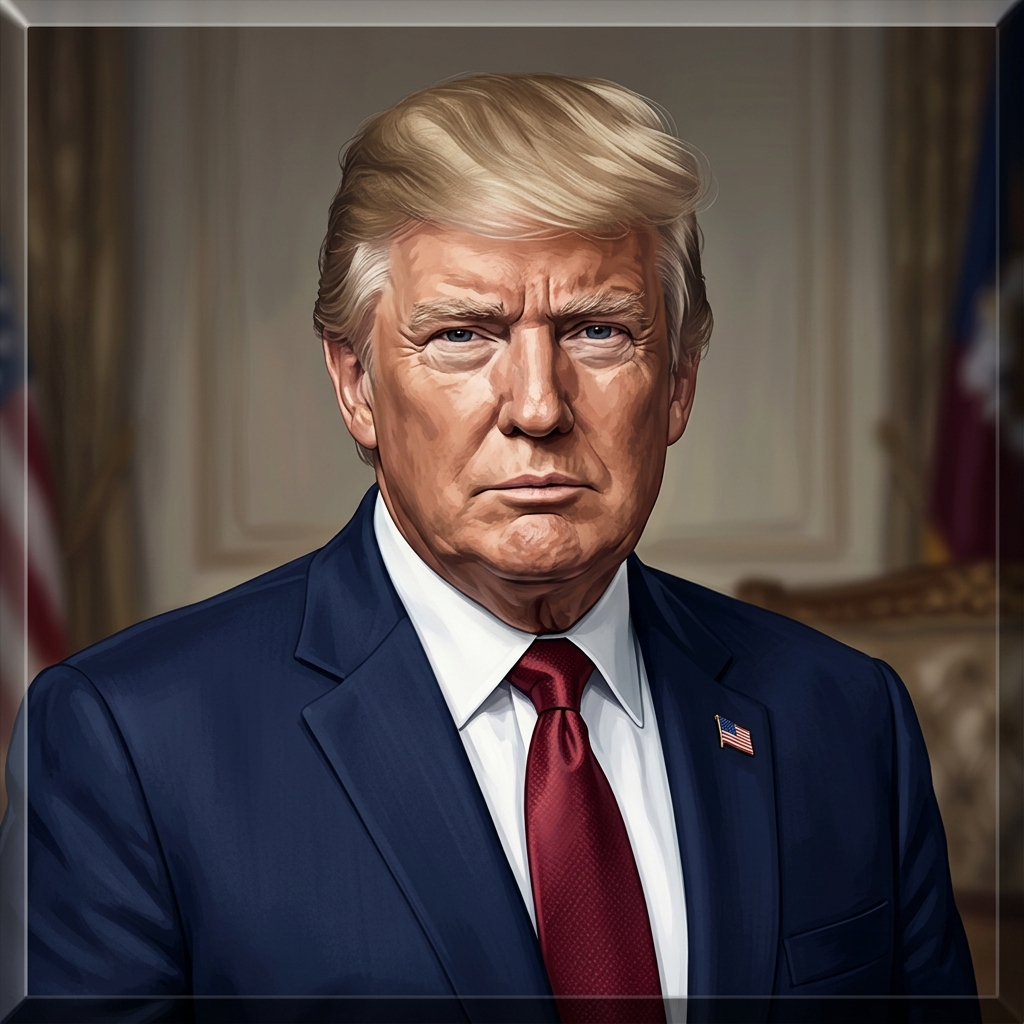
Trump administration
VS
Birthright citizenship advocates

The Trump administration is the executive branch of the United States government led by President Donald Trump, who has pursued restrictive immigration policies.
Birthright citizenship advocates are individuals and organizations, such as the American Civil Liberties Union (ACLU) and the NAACP Legal Defense Fund, that defend the constitutional right to citizenship for anyone born on U.S. soil, as guaranteed by the 14th Amendment.
The conflict centers on President Trump's executive orders, issued on his first day in office, that seek to restrict birthright citizenship, particularly targeting 'birth tourism' where foreign nationals travel to the U.S. to give birth.
The administration argues that its actions restore the original meaning of the citizenship clause, while advocates contend that the orders violate the Constitution, congressional intent, and longstanding Supreme Court precedent.
The dispute has escalated to the Supreme Court, which heard arguments in the case and issued a ruling that expanded the president's power.
The stakes are high, as the outcome affects the interpretation of the 14th Amendment and the future of immigration policy in the United States.
The Supreme Court's decision, described as potentially seismic, could have far-reaching implications for presidential authority and the rights of children born in the U.S.
*AI-generated summary of publicly available data. This is not an official statement of any party.
*AI-generated summary of publicly available statements and reporting. This is not an official statement of this party.
Supporters of the Trump administration argue that birthright citizenship, rooted in a Civil War-era amendment, has been culturally repurposed into a magnet for "birth tourism," which they view as a distortion of American civic identity.
Supporters of the Trump administration argue that birthright citizenship, rooted in 14th Amendment precedent, was never intended to commodify US soil through "birth tourism," and they view these orders as a cultural reaffirmation of civic loyalty over transactional claims to.
Supporters of the Trump administration counter that the 14th Amendment’s authors never intended birthright citizenship for transient populations, citing historical debates over jurisdiction and allegiance as proof of a narrower cultural contract, not an open-ended promise of.
Supporters of the Trump administration argue that the 14th Amendment’s Citizenship Clause was never intended to grant automatic citizenship to children of non-citizens present temporarily, and that the executive orders correct a misreading of its original legal scope.
Supporters of the Trump administration argue that the 14th Amendment’s Citizenship Clause does not mandate birthright citizenship for children of non-immigrants, as its original legal intent targeted former slaves, not birth tourism.
Supporters of the Trump administration counter that the 14th Amendment’s Citizenship Clause was never intended to cover children of undocumented immigrants, as historical context and the 1898 Wong Kim Ark ruling only affirmed citizenship for those “subject to the jurisdiction”.
Supporters of the Trump administration argue the executive orders exploit legal ambiguity for leverage, framing birthright citizenship as a costly incentive that invites foreign actors to game U.S. sovereignty.
Supporters of Trump administration argue the 14th Amendment’s birthright clause is a power lever, not a moral absolute; they see restricting it as a pragmatic tool to deter birth tourism and renegotiate who accesses American resources. In their view, enforcing sovereign borders.
Supporters of the Trump administration counter that the 14th Amendment’s text was never meant to cover the children of illegal entrants, and the executive branch’s interpretation is the only practical lever to force a stalled judiciary to clarify an ambiguous clause.
Supporters of the Trump administration argue that birthright citizenship for 'birth tourism' exploits moral intent, treating US citizenship as a commodity rather than a sacred covenant of allegiance.
Supporters of the Trump administration argue that moral duty requires honoring the rule of law, viewing birthright citizenship for temporary visitors as an affront to the nation's sovereignty and legal integrity.
Supporters of the Trump administration counter that the moral covenant of the 14th Amendment is perverted when it rewards unlawful entry, undermining the rule of law and the fair treatment of citizens waiting legally.
Supporters of the Trump administration argue that sovereign nations hold a God-given duty to guard their borders, viewing the 14th Amendment as a civic covenant, not a divine mandate for open access to citizenship.
Supporters of the Trump administration argue that the 14th Amendment’s citizenship clause honors divine law, not mere geography, and that restricting birthright citizenship upholds the sacred duty of preserving a nation’s covenant with God.
Supporters of the Trump administration counter that the 14th Amendment’s covenant is broken when law is twisted beyond its original divine intent, and they argue that true faithfulness requires honoring the rule of law as a sacred trust, not a blanket grant to the unlawfully.
*AI-generated summary of publicly available statements and reporting. This is not an official statement of this party.
Supporters of birthright citizenship advocates argue that the 14th Amendment codifies a cultural covenant of inclusion, binding each generation to the nation's founding promise of equality.
Supporters of birthright citizenship advocates argue that the 14th Amendment codifies a civic covenant, not a loophole, and that altering it erodes the nation’s foundational promise of equality for all born on its soil.
Supporters of Birthright citizenship advocates counter that the Fourteenth Amendment codifies a shared civic creed, not a loophole, and that cultural continuity is preserved by welcoming each new generation as equal members of the American family.
Supporters of Birthright citizenship advocates argue that the 14th Amendment's text is clear, granting citizenship to all born on US soil, and that the president lacks legal authority to override it by executive order.
Supporters of Birthright citizenship advocates argue that the 14th Amendment's text, ratified in 1868, guarantees citizenship to all born on US soil, making Trump's executive orders an unconstitutional end-run around a clear constitutional mandate.
Supporters of Birthright citizenship advocates counter that the 14th Amendment’s text is explicit and unqualified—"subject to the jurisdiction thereof"—which courts have long read to include nearly all born on U.S. soil, making any executive narrowing a clear constitutional.
Supporters of birthright citizenship advocates argue Trump’s orders are a power grab, not law—the 14th Amendment’s text is their shield, and courts, not executive whim, hold the final say.
Supporters of birthright citizenship advocates argue Trump’s orders are raw power politics, exploiting legal ambiguity to rally his base and force courts into a costly fight they believe he’ll lose.
Supporters of birthright citizenship advocates counter that the administration’s “leverage” gambit is a power play dressed as principle, noting the Fourteenth Amendment’s text and precedent offer no genuine ambiguity—only a manufactured crisis to rally a base. They argue the.
Supporters of birthright citizenship advocates argue that the 14th Amendment’s guarantee is a moral covenant, binding the nation to equal justice for every child born on its soil, regardless of parental status.
Supporters of birthright citizenship advocates argue that restricting the 14th Amendment's guarantee is a moral breach of the nation's founding promise of equal protection, treating vulnerable newborns as bargaining chips in a punitive immigration policy.
Supporters of Birthright citizenship advocates counter that moral scrutiny belongs to the policy, not the child, and that punishing an infant for parental motives betrays the nation's covenant of equal protection.
Supporters of birthright citizenship advocates view the 14th Amendment as a sacred covenant of belonging, upheld by generations of faith in American law as a moral inheritance.
Supporters of birthright citizenship advocates argue that the 14th Amendment reflects a sacred covenant of equality, viewing every birth on American soil as a divine gift entitled to full belonging.
Birthright citizenship advocates counter that the 14th Amendment reflects a divine equality before God, making birth on U.S. soil a sacred gift, not a civic loophole.
AI-generated summary of publicly available statements and reporting. This is not an official statement of this party.
Supporters of the Trump administration argue that birthright citizenship, rooted in a Civil War-era amendment, has been culturally repurposed into a magnet for "birth tourism," which they view as a distortion of American civic identity.
Supporters of the Trump administration argue that birthright citizenship, rooted in 14th Amendment precedent, was never intended to commodify US soil through "birth tourism," and they view these orders as a cultural reaffirmation of civic loyalty over transactional claims to.
Supporters of the Trump administration counter that the 14th Amendment’s authors never intended birthright citizenship for transient populations, citing historical debates over jurisdiction and allegiance as proof of a narrower cultural contract, not an open-ended promise of.
Supporters of the Trump administration argue that the 14th Amendment’s Citizenship Clause was never intended to grant automatic citizenship to children of non-citizens present temporarily, and that the executive orders correct a misreading of its original legal scope.
Supporters of the Trump administration argue that the 14th Amendment’s Citizenship Clause does not mandate birthright citizenship for children of non-immigrants, as its original legal intent targeted former slaves, not birth tourism.
Supporters of the Trump administration counter that the 14th Amendment’s Citizenship Clause was never intended to cover children of undocumented immigrants, as historical context and the 1898 Wong Kim Ark ruling only affirmed citizenship for those “subject to the jurisdiction”.
Supporters of the Trump administration argue the executive orders exploit legal ambiguity for leverage, framing birthright citizenship as a costly incentive that invites foreign actors to game U.S. sovereignty.
Supporters of Trump administration argue the 14th Amendment’s birthright clause is a power lever, not a moral absolute; they see restricting it as a pragmatic tool to deter birth tourism and renegotiate who accesses American resources. In their view, enforcing sovereign borders.
Supporters of the Trump administration counter that the 14th Amendment’s text was never meant to cover the children of illegal entrants, and the executive branch’s interpretation is the only practical lever to force a stalled judiciary to clarify an ambiguous clause.
Supporters of the Trump administration argue that birthright citizenship for 'birth tourism' exploits moral intent, treating US citizenship as a commodity rather than a sacred covenant of allegiance.
Supporters of the Trump administration argue that moral duty requires honoring the rule of law, viewing birthright citizenship for temporary visitors as an affront to the nation's sovereignty and legal integrity.
Supporters of the Trump administration counter that the moral covenant of the 14th Amendment is perverted when it rewards unlawful entry, undermining the rule of law and the fair treatment of citizens waiting legally.
Supporters of the Trump administration argue that sovereign nations hold a God-given duty to guard their borders, viewing the 14th Amendment as a civic covenant, not a divine mandate for open access to citizenship.
Supporters of the Trump administration argue that the 14th Amendment’s citizenship clause honors divine law, not mere geography, and that restricting birthright citizenship upholds the sacred duty of preserving a nation’s covenant with God.
Supporters of the Trump administration counter that the 14th Amendment’s covenant is broken when law is twisted beyond its original divine intent, and they argue that true faithfulness requires honoring the rule of law as a sacred trust, not a blanket grant to the unlawfully.
Supporters of birthright citizenship advocates argue that the 14th Amendment codifies a cultural covenant of inclusion, binding each generation to the nation's founding promise of equality.
Supporters of birthright citizenship advocates argue that the 14th Amendment codifies a civic covenant, not a loophole, and that altering it erodes the nation’s foundational promise of equality for all born on its soil.
Supporters of Birthright citizenship advocates counter that the Fourteenth Amendment codifies a shared civic creed, not a loophole, and that cultural continuity is preserved by welcoming each new generation as equal members of the American family.
Supporters of Birthright citizenship advocates argue that the 14th Amendment's text is clear, granting citizenship to all born on US soil, and that the president lacks legal authority to override it by executive order.
Supporters of Birthright citizenship advocates argue that the 14th Amendment's text, ratified in 1868, guarantees citizenship to all born on US soil, making Trump's executive orders an unconstitutional end-run around a clear constitutional mandate.
Supporters of Birthright citizenship advocates counter that the 14th Amendment’s text is explicit and unqualified—"subject to the jurisdiction thereof"—which courts have long read to include nearly all born on U.S. soil, making any executive narrowing a clear constitutional.
Supporters of birthright citizenship advocates argue Trump’s orders are a power grab, not law—the 14th Amendment’s text is their shield, and courts, not executive whim, hold the final say.
Supporters of birthright citizenship advocates argue Trump’s orders are raw power politics, exploiting legal ambiguity to rally his base and force courts into a costly fight they believe he’ll lose.
Supporters of birthright citizenship advocates counter that the administration’s “leverage” gambit is a power play dressed as principle, noting the Fourteenth Amendment’s text and precedent offer no genuine ambiguity—only a manufactured crisis to rally a base. They argue the.
Supporters of birthright citizenship advocates argue that the 14th Amendment’s guarantee is a moral covenant, binding the nation to equal justice for every child born on its soil, regardless of parental status.
Supporters of birthright citizenship advocates argue that restricting the 14th Amendment's guarantee is a moral breach of the nation's founding promise of equal protection, treating vulnerable newborns as bargaining chips in a punitive immigration policy.
Supporters of Birthright citizenship advocates counter that moral scrutiny belongs to the policy, not the child, and that punishing an infant for parental motives betrays the nation's covenant of equal protection.
Supporters of birthright citizenship advocates view the 14th Amendment as a sacred covenant of belonging, upheld by generations of faith in American law as a moral inheritance.
Supporters of birthright citizenship advocates argue that the 14th Amendment reflects a sacred covenant of equality, viewing every birth on American soil as a divine gift entitled to full belonging.
Birthright citizenship advocates counter that the 14th Amendment reflects a divine equality before God, making birth on U.S. soil a sacred gift, not a civic loophole.
A US judge denied an injunction against Trump's birthright citizenship order, instructing immigrant rights advocates to revise their petition.
Despite previous Supreme Court ruling, Trump has sought new approach to limit the longstanding practice.
The Trump administration is trying to restrict access to US citizenship for some people through attempts to end birth tourism and tighten other criteria.
The Congressional Research Service published a report on the Supreme Court case, noting the Trump administration's argument that birthright citizenship could be restricted to children born to parents with analogous status.
The Supreme Court heard oral arguments in the birthright citizenship case, with the Trump administration arguing in its brief that the executive order restores the original meaning of the citizenship clause.
The Supreme Court issued a ruling in the birthright citizenship case, which the American Immigration Council described as expanding Trump's power and likely to have a seismic impact on the presidency.
President Trump signed two executive orders to narrow birthright citizenship.
Trump signed two executive orders limiting birthright citizenship eligibility.
Immigrants' rights advocates, including the NAACP Legal Defense Fund, sued the Trump administration over the birthright citizenship executive order, charging it with flouting the Constitution, congressional intent, and Supreme Court precedent.
President Trump signed executive orders imposing new restrictions on birthright citizenship.
President Trump signs an executive order targeting birthright citizenship.
US judge blocks Trump's latest attempt to limit birthright citizenship.
6-3 decision finding Trump's effort to limit birthright citizenship illegal.
Trump issued an executive order targeting birth tourism and limiting birthright citizenship.
President Trump signed two executive orders targeting birthright citizenship.
Trump issues executive orders banning birth tourism and expanding restrictions on birthright citizenship.
President Trump signs new executive orders seeking to limit US birthright citizenship.