Trump administration
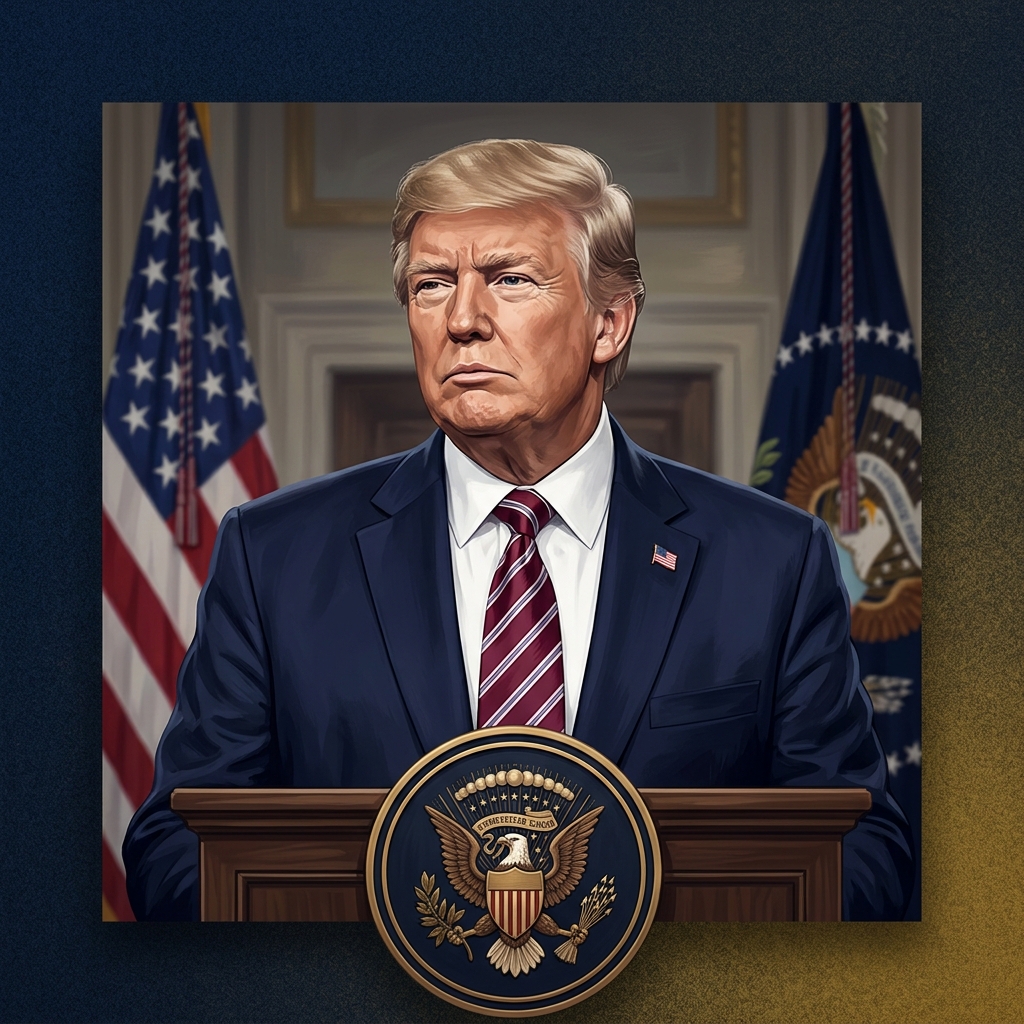
VS
California

The Trump administration has sued California, alleging that noncitizens are on the state's voter rolls.
The lawsuit comes weeks before the midterm elections and follows debunked claims of noncitizen voting in various states.
*AI-generated summary of publicly available data. This is not an official statement of any party.
*AI-generated summary of publicly available statements and reporting. This is not an official statement of this party.
Supporters of the Trump administration argue that citizenship is a sacred trust, and that protecting the ballot from noncitizen influence preserves the cultural inheritance of self-government handed down by prior generations.
Supporters of the Trump administration argue that election integrity is a civic duty, and defending the voter rolls upholds the public's faith in a fair vote.
Supporters of the Trump administration counter that states have long managed their own elections, and that California's centralized mail-voting system departs from that inherited local tradition.
Supporters of the Trump administration argue that federal law requires states to maintain accurate voter rolls, and that suing California is a lawful step to enforce that duty before the midterms.
Supporters of the Trump administration argue that California's voter rolls must be legally verified to ensure only eligible citizens vote, citing federal law as grounds for the suit.
Supporters of the Trump administration counter that the National Voter Registration Act obligates states to purge ineligible voters, so California's sovereignty claim cannot shield it from federal enforcement.
Supporters of the Trump administration argue the timing is the point: filing weeks before midterms forces California to defend its rolls, energizes their base, and frames Democrats as soft on election integrity—regardless of outcome.
Supporters of the Trump administration argue the pre-midterm timing is deliberate leverage: forcing California to litigate voter rolls shifts attention to election integrity and pressures the state before votes are cast.
Supporters of the Trump administration counter that the timing is beside the point: the suit compels California to defend rolls the federal government says are unverified, and even a slow loss keeps the issue alive through November.
Supporters of the Trump administration argue that California's voter rolls must be verifiably accurate before midterms, framing the lawsuit as a moral duty to protect election integrity for every lawful voter.
Supporters of the Trump administration argue that states have a moral duty to ensure only eligible citizens vote, and they maintain that pursuing voter-roll claims before an election protects that principle.
Supporters of Trump administration counter that states bear a moral duty to verify voter rolls, and that California’s refusal leaves ineligible ballots in place, diluting lawful votes.
Supporters of the Trump administration argue that safeguarding honest elections is a moral duty rooted in respect for law and the integrity of each citizen's vote.
Supporters of the Trump administration argue that election integrity is a sacred trust, and that defending the purity of the vote upholds a moral duty owed to citizens.
Supporters of the Trump administration counter that Scripture also charges rulers to uphold lawful order and protect citizens, citing Romans 13 on governing authority.
*AI-generated summary of publicly available statements and reporting. This is not an official statement of this party.
Supporters of California argue the lawsuit echoes a long U.S. history of using unproven voter-fraud claims to justify restricting the vote before elections, and they see it as targeting the state's diverse electorate.
Supporters of California argue the suit echoes a long American pattern of using voter-fraud claims to justify exclusion at the ballot box, and they read this timing as cultural, not legal.
Supporters of California counter that birthright citizenship is itself the inherited tradition, rooted in the 14th Amendment, and that barring U.S.-born children echoes the exclusion of past generations.
Supporters of California argue the lawsuit lacks legal merit, citing no evidence of noncitizen voting and noting federal law leaves voter-roll maintenance to states, making the pre-election suit a partisan intrusion on state sovereignty.
Supporters of California argue the lawsuit lacks legal merit, noting courts have repeatedly rejected noncitizen voting claims and that states, not the federal government, administer voter rolls under the Constitution.
Supporters of California counter that the Constitution's Elections Clause grants states primary authority over voter rolls, so federal suits must show a specific statutory violation, not a general enforcement theory.
Supporters of California argue the suit is pure timing: filed weeks before midterms, it forces the state to spend legal and political capital defending rolls already proven clean, letting the administration rally its base without ever winning in court.
Supporters of California argue the suit is pure timing: filing weeks before midterms to rally the base and suppress turnout, not to fix any proven fraud.
Supporters of California counter that the pre-midterm timing exposes the suit as partisan theater, letting the state rally its own base against federal overreach and cast the administration as weaponizing law for votes.
Supporters of California argue that suing over unverified voter-roll claims weeks before an election is a moral abuse of power, risking suppression of eligible voters to serve a debunked narrative.
Supporters of California argue that suing over unverified voter-roll claims weeks before an election threatens public trust and the integrity of democratic participation.
Supporters of California counter that targeting voter rolls burdens eligible citizens and chills participation, and they argue a state's moral duty is to protect every lawful voter's access, not just the roll's accuracy.
Supporters of California invoke a moral duty to protect the vulnerable, arguing that singling out noncitizens before an election conflicts with scriptural calls for justice and care of the stranger.
Supporters of California argue that scripture commands justice and mercy for the foreigner, so the lawsuit wrongly scapegoats noncitizens; they maintain that bearing false witness against neighbors is a grave sin.
Supporters of California counter that voting is a sacred trust from God, so they challenge the claim that partisan officials should be the ones to guard it, citing scripture's call for honest scales and just judgment.
AI-generated summary of publicly available statements and reporting. This is not an official statement of this party.
Supporters of the Trump administration argue that citizenship is a sacred trust, and that protecting the ballot from noncitizen influence preserves the cultural inheritance of self-government handed down by prior generations.
Supporters of the Trump administration argue that election integrity is a civic duty, and defending the voter rolls upholds the public's faith in a fair vote.
Supporters of the Trump administration counter that states have long managed their own elections, and that California's centralized mail-voting system departs from that inherited local tradition.
Supporters of the Trump administration argue that federal law requires states to maintain accurate voter rolls, and that suing California is a lawful step to enforce that duty before the midterms.
Supporters of the Trump administration argue that California's voter rolls must be legally verified to ensure only eligible citizens vote, citing federal law as grounds for the suit.
Supporters of the Trump administration counter that the National Voter Registration Act obligates states to purge ineligible voters, so California's sovereignty claim cannot shield it from federal enforcement.
Supporters of the Trump administration argue the timing is the point: filing weeks before midterms forces California to defend its rolls, energizes their base, and frames Democrats as soft on election integrity—regardless of outcome.
Supporters of the Trump administration argue the pre-midterm timing is deliberate leverage: forcing California to litigate voter rolls shifts attention to election integrity and pressures the state before votes are cast.
Supporters of the Trump administration counter that the timing is beside the point: the suit compels California to defend rolls the federal government says are unverified, and even a slow loss keeps the issue alive through November.
Supporters of the Trump administration argue that California's voter rolls must be verifiably accurate before midterms, framing the lawsuit as a moral duty to protect election integrity for every lawful voter.
Supporters of the Trump administration argue that states have a moral duty to ensure only eligible citizens vote, and they maintain that pursuing voter-roll claims before an election protects that principle.
Supporters of Trump administration counter that states bear a moral duty to verify voter rolls, and that California’s refusal leaves ineligible ballots in place, diluting lawful votes.
Supporters of the Trump administration argue that safeguarding honest elections is a moral duty rooted in respect for law and the integrity of each citizen's vote.
Supporters of the Trump administration argue that election integrity is a sacred trust, and that defending the purity of the vote upholds a moral duty owed to citizens.
Supporters of the Trump administration counter that Scripture also charges rulers to uphold lawful order and protect citizens, citing Romans 13 on governing authority.
Supporters of California argue the lawsuit echoes a long U.S. history of using unproven voter-fraud claims to justify restricting the vote before elections, and they see it as targeting the state's diverse electorate.
Supporters of California argue the suit echoes a long American pattern of using voter-fraud claims to justify exclusion at the ballot box, and they read this timing as cultural, not legal.
Supporters of California counter that birthright citizenship is itself the inherited tradition, rooted in the 14th Amendment, and that barring U.S.-born children echoes the exclusion of past generations.
Supporters of California argue the lawsuit lacks legal merit, citing no evidence of noncitizen voting and noting federal law leaves voter-roll maintenance to states, making the pre-election suit a partisan intrusion on state sovereignty.
Supporters of California argue the lawsuit lacks legal merit, noting courts have repeatedly rejected noncitizen voting claims and that states, not the federal government, administer voter rolls under the Constitution.
Supporters of California counter that the Constitution's Elections Clause grants states primary authority over voter rolls, so federal suits must show a specific statutory violation, not a general enforcement theory.
Supporters of California argue the suit is pure timing: filed weeks before midterms, it forces the state to spend legal and political capital defending rolls already proven clean, letting the administration rally its base without ever winning in court.
Supporters of California argue the suit is pure timing: filing weeks before midterms to rally the base and suppress turnout, not to fix any proven fraud.
Supporters of California counter that the pre-midterm timing exposes the suit as partisan theater, letting the state rally its own base against federal overreach and cast the administration as weaponizing law for votes.
Supporters of California argue that suing over unverified voter-roll claims weeks before an election is a moral abuse of power, risking suppression of eligible voters to serve a debunked narrative.
Supporters of California argue that suing over unverified voter-roll claims weeks before an election threatens public trust and the integrity of democratic participation.
Supporters of California counter that targeting voter rolls burdens eligible citizens and chills participation, and they argue a state's moral duty is to protect every lawful voter's access, not just the roll's accuracy.
Supporters of California invoke a moral duty to protect the vulnerable, arguing that singling out noncitizens before an election conflicts with scriptural calls for justice and care of the stranger.
Supporters of California argue that scripture commands justice and mercy for the foreigner, so the lawsuit wrongly scapegoats noncitizens; they maintain that bearing false witness against neighbors is a grave sin.
Supporters of California counter that voting is a sacred trust from God, so they challenge the claim that partisan officials should be the ones to guard it, citing scripture's call for honest scales and just judgment.