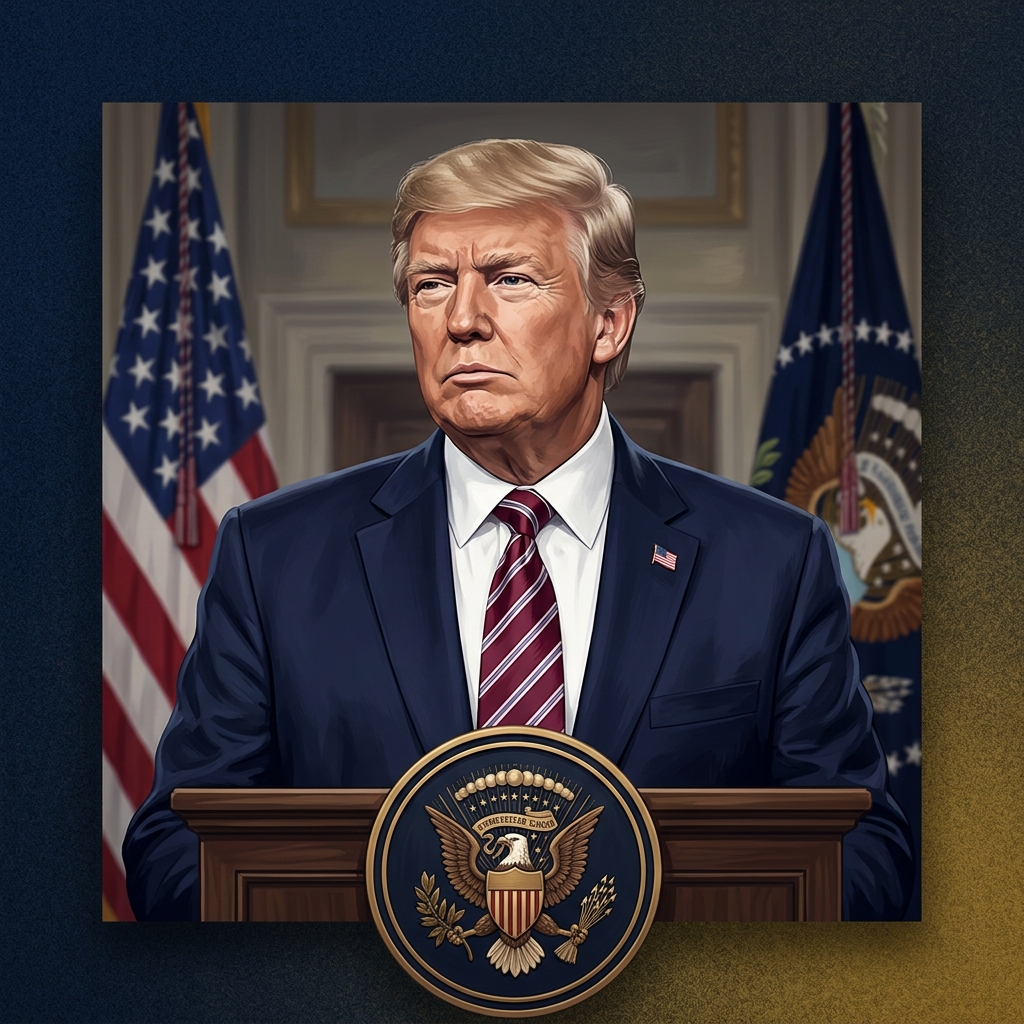
Trump administration
VS
California judge
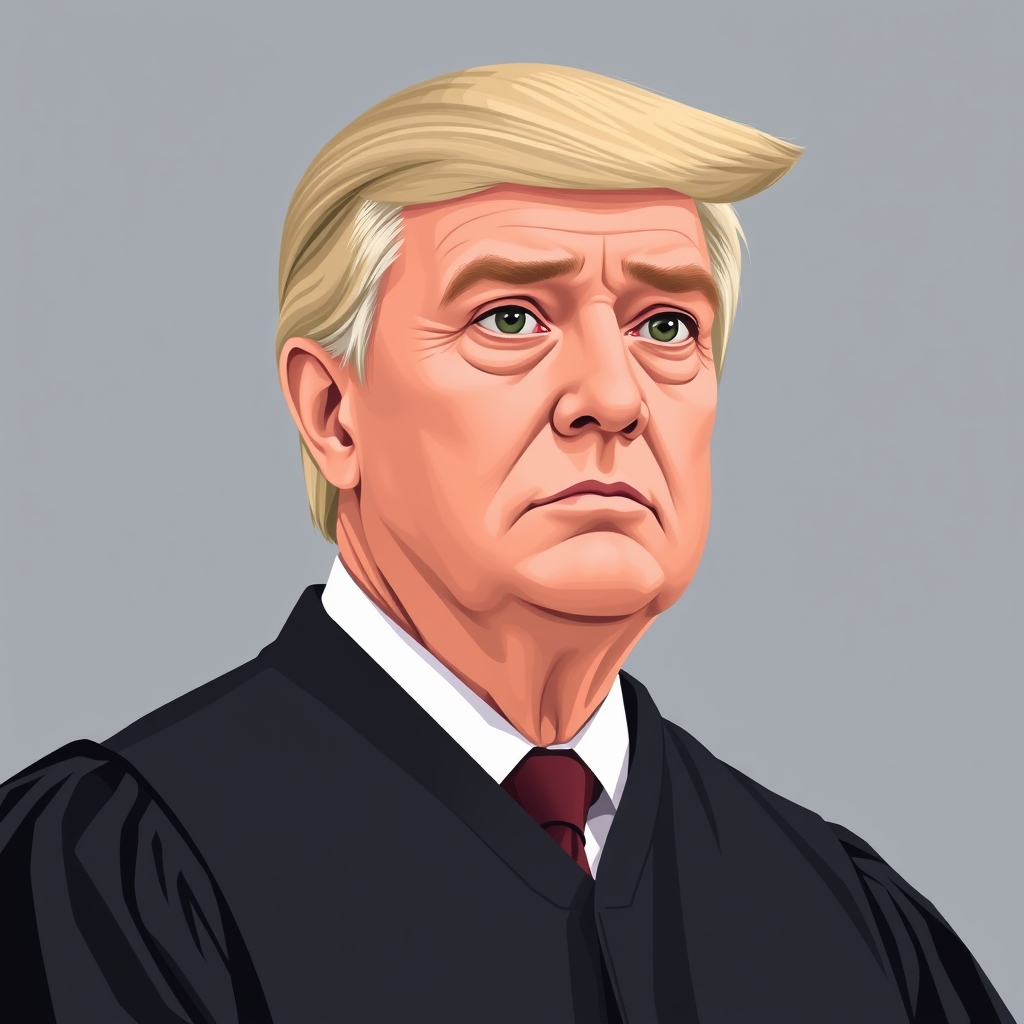
The Trump administration is seeking to terminate temporary protected status for Venezuelan migrants, but a California judge ruled that ending their protections was unlawful.
The administration has filed an emergency appeal to the Supreme Court, continuing a legal battle over immigration policy.
*AI-generated summary of publicly available data. This is not an official statement of any party.
*AI-generated summary of publicly available statements and reporting. This is not an official statement of this party.
Supporters of the Trump administration argue that a state judge should not dictate national immigration policy, maintaining that border control and cultural cohesion are core sovereign prerogatives the executive must defend.
Supporters of the Trump administration argue that ending temporary protected status for Venezuelan migrants reflects a cultural commitment to national sovereignty and self-determination.
Supporters of the Trump administration counter that national sovereignty and border security reflect the cultural will of the people, arguing that elected leaders—not a single judge—should set immigration policy.
Supporters of the Trump administration argue that federal law grants the executive branch authority to terminate temporary protected status, and that the California judge's ruling improperly substitutes judicial judgment for that statutory discretion.
Supporters of the Trump administration argue the California judge overstepped by second-guessing the executive's statutory authority to terminate temporary protected status, and they maintain the Supreme Court must resolve the jurisdictional overreach.
Supporters of the Trump administration counter that the Executive holds broad statutory discretion over temporary protected status, and they argue a district judge's procedural ruling cannot substitute for that authority.
Supporters of the Trump administration argue that a single district judge shouldn't override the executive's statutory authority over temporary status, framing the emergency appeal as restoring power to the branch voters charged with immigration policy.
Supporters of the Trump administration argue the California judge usurped executive authority, and that only the president—not a single district court—has the power to set immigration policy and protect national interests.
Supporters of Trump administration counter that a single district judge's ruling merely shifts power to an unelected actor, and they argue the executive, not the court, holds the constitutional authority to set termination terms.
Supporters of the Trump administration argue that a single California judge should not override the executive's lawful authority to end temporary protections, and they maintain that the Supreme Court must settle whether one district court can dictate national immigration policy.
Supporters of Trump administration argue that a single California judge should not override the executive's lawful authority to end temporary protections, and they maintain that elected officials, not courts, should set immigration policy.
Supporters of the Trump administration counter that the moral duty runs to citizens and lawful order—arguing that a judge's ruling cannot override the government's obligation to enforce the law and protect the public.
Supporters of the Trump administration argue that a single California judge should not override the executive's lawful authority to end temporary protections, maintaining that ordered borders and national sovereignty reflect a moral duty to preserve social stability.
Supporters of the Trump administration argue that a single California judge should not override the executive's lawful authority to end temporary protections, maintaining that ordered borders reflect a society's duty to uphold justice and the common good.
Supporters of the Trump administration counter that scripture also charges rulers with upholding just laws and ordered borders, and they argue that welcoming the stranger does not obligate a nation to bypass lawful immigration process.
*AI-generated summary of publicly available statements and reporting. This is not an official statement of this party.
Supporters of the California judge argue that her ruling upholds a cultural commitment to due process, maintaining that courts exist to check executive power over vulnerable migrants.
Supporters of the California judge frame the ruling as upholding a cultural promise of refuge, arguing that courts should check executive power when it threatens vulnerable migrants.
Supporters of the California judge counter that courts have long checked executive overreach on immigration, and that cultural cohesion has never required abandoning judicial review—precedent, not prerogative, has guarded due process.
Supporters of the California judge argue the ruling upholds the legal limits on executive power, maintaining that terminating protected status for Venezuelan migrants must comply with statutory and procedural requirements.
Supporters of the California judge argue that the ruling upholds the legal statutory process for terminating temporary protected status, maintaining that the administration cannot bypass established legal requirements to end protections for Venezuelan migrants.
Supporters of the California judge counter that the ruling enforces the statutory and constitutional limits on executive discretion, arguing that courts may review whether termination of temporary protected status followed the required procedures and reasoned basis rather than su.
Supporters of the California judge argue the ruling checks executive overreach, forcing the administration to meet a legal burden rather than terminate protections by fiat.
Supporters of the California judge argue the ruling asserts judicial power to check executive overreach, maintaining that shielding Venezuelans is a principled stand that forces the administration to respect legal limits.
Supporters of the California judge counter that the executive's statutory authority is itself bounded by law, and that a court checking overreach is the constitutional design—not a usurpation; they note the administration chose to litigate rather than comply.
Supporters of the California judge argue that the moral duty to protect vulnerable migrants from harm outweighs administrative convenience, maintaining that lawful procedures must be honored before protections are stripped away.
Supporters of the California judge argue that blocking the termination of Venezuelan migrants' protected status upholds the moral duty to shield vulnerable people from harm, maintaining that lawful process must not be sacrificed for expedience.
Supporters of the California judge counter that judicial review exists precisely to check unlawful executive action, and that deferring to the Supreme Court only after protections lapse leaves real people exposed to harm no ruling can undo.
Supporters of the California judge argue that halting protections for Venezuelan migrants upholds the moral duty to shelter the vulnerable, invoking scripture's command to welcome the stranger and defend the oppressed.
Supporters of the California judge invoke scripture's command to welcome the stranger and protect the vulnerable, arguing that a nation's laws and immigration policy carry a moral duty rooted in faith to shelter those fleeing harm.
Supporters of the California judge counter that scripture commands care for the stranger and refuge for the vulnerable, so they argue that no executive claim of sovereignty can override the moral duty to shelter those seeking protection.
AI-generated summary of publicly available statements and reporting. This is not an official statement of this party.
Supporters of the Trump administration argue that a state judge should not dictate national immigration policy, maintaining that border control and cultural cohesion are core sovereign prerogatives the executive must defend.
Supporters of the Trump administration argue that ending temporary protected status for Venezuelan migrants reflects a cultural commitment to national sovereignty and self-determination.
Supporters of the Trump administration counter that national sovereignty and border security reflect the cultural will of the people, arguing that elected leaders—not a single judge—should set immigration policy.
Supporters of the Trump administration argue that federal law grants the executive branch authority to terminate temporary protected status, and that the California judge's ruling improperly substitutes judicial judgment for that statutory discretion.
Supporters of the Trump administration argue the California judge overstepped by second-guessing the executive's statutory authority to terminate temporary protected status, and they maintain the Supreme Court must resolve the jurisdictional overreach.
Supporters of the Trump administration counter that the Executive holds broad statutory discretion over temporary protected status, and they argue a district judge's procedural ruling cannot substitute for that authority.
Supporters of the Trump administration argue that a single district judge shouldn't override the executive's statutory authority over temporary status, framing the emergency appeal as restoring power to the branch voters charged with immigration policy.
Supporters of the Trump administration argue the California judge usurped executive authority, and that only the president—not a single district court—has the power to set immigration policy and protect national interests.
Supporters of Trump administration counter that a single district judge's ruling merely shifts power to an unelected actor, and they argue the executive, not the court, holds the constitutional authority to set termination terms.
Supporters of the Trump administration argue that a single California judge should not override the executive's lawful authority to end temporary protections, and they maintain that the Supreme Court must settle whether one district court can dictate national immigration policy.
Supporters of Trump administration argue that a single California judge should not override the executive's lawful authority to end temporary protections, and they maintain that elected officials, not courts, should set immigration policy.
Supporters of the Trump administration counter that the moral duty runs to citizens and lawful order—arguing that a judge's ruling cannot override the government's obligation to enforce the law and protect the public.
Supporters of the Trump administration argue that a single California judge should not override the executive's lawful authority to end temporary protections, maintaining that ordered borders and national sovereignty reflect a moral duty to preserve social stability.
Supporters of the Trump administration argue that a single California judge should not override the executive's lawful authority to end temporary protections, maintaining that ordered borders reflect a society's duty to uphold justice and the common good.
Supporters of the Trump administration counter that scripture also charges rulers with upholding just laws and ordered borders, and they argue that welcoming the stranger does not obligate a nation to bypass lawful immigration process.
Supporters of the California judge argue that her ruling upholds a cultural commitment to due process, maintaining that courts exist to check executive power over vulnerable migrants.
Supporters of the California judge frame the ruling as upholding a cultural promise of refuge, arguing that courts should check executive power when it threatens vulnerable migrants.
Supporters of the California judge counter that courts have long checked executive overreach on immigration, and that cultural cohesion has never required abandoning judicial review—precedent, not prerogative, has guarded due process.
Supporters of the California judge argue the ruling upholds the legal limits on executive power, maintaining that terminating protected status for Venezuelan migrants must comply with statutory and procedural requirements.
Supporters of the California judge argue that the ruling upholds the legal statutory process for terminating temporary protected status, maintaining that the administration cannot bypass established legal requirements to end protections for Venezuelan migrants.
Supporters of the California judge counter that the ruling enforces the statutory and constitutional limits on executive discretion, arguing that courts may review whether termination of temporary protected status followed the required procedures and reasoned basis rather than su.
Supporters of the California judge argue the ruling checks executive overreach, forcing the administration to meet a legal burden rather than terminate protections by fiat.
Supporters of the California judge argue the ruling asserts judicial power to check executive overreach, maintaining that shielding Venezuelans is a principled stand that forces the administration to respect legal limits.
Supporters of the California judge counter that the executive's statutory authority is itself bounded by law, and that a court checking overreach is the constitutional design—not a usurpation; they note the administration chose to litigate rather than comply.
Supporters of the California judge argue that the moral duty to protect vulnerable migrants from harm outweighs administrative convenience, maintaining that lawful procedures must be honored before protections are stripped away.
Supporters of the California judge argue that blocking the termination of Venezuelan migrants' protected status upholds the moral duty to shield vulnerable people from harm, maintaining that lawful process must not be sacrificed for expedience.
Supporters of the California judge counter that judicial review exists precisely to check unlawful executive action, and that deferring to the Supreme Court only after protections lapse leaves real people exposed to harm no ruling can undo.
Supporters of the California judge argue that halting protections for Venezuelan migrants upholds the moral duty to shelter the vulnerable, invoking scripture's command to welcome the stranger and defend the oppressed.
Supporters of the California judge invoke scripture's command to welcome the stranger and protect the vulnerable, arguing that a nation's laws and immigration policy carry a moral duty rooted in faith to shelter those fleeing harm.
Supporters of the California judge counter that scripture commands care for the stranger and refuge for the vulnerable, so they argue that no executive claim of sovereignty can override the moral duty to shelter those seeking protection.
A California judge ruled that ending temporary protected status for Venezuelan migrants was unlawful.
The Trump administration filed an emergency appeal to the Supreme Court to end Venezuelan migrant protections.