Trump administration
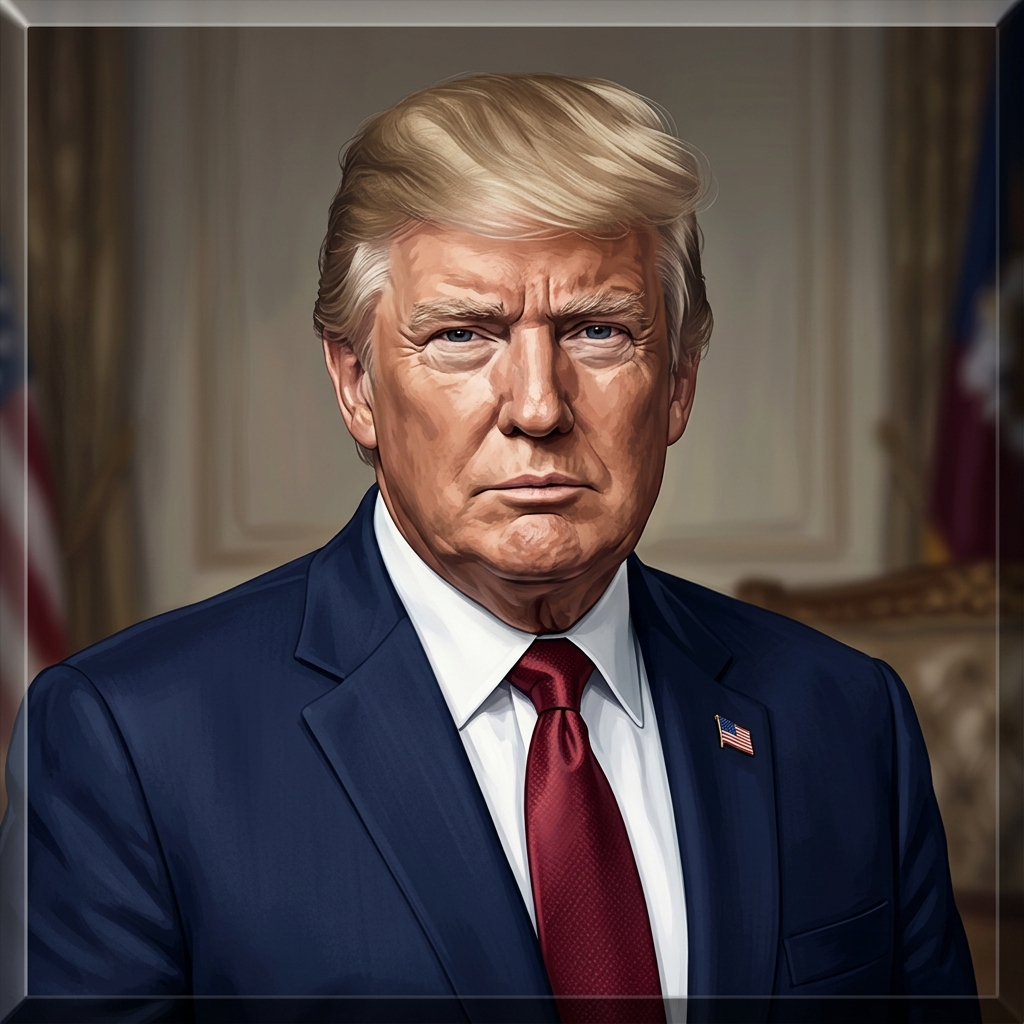
VS
Challengers to ICE detention
?
No actors in this side.
No actors in this side.
The Trump administration is the executive branch of the U.S. federal government under President Donald Trump, which has implemented a policy of mandatory detention for certain immigrants in the custody of U.S.
Immigration and Customs Enforcement (ICE).
The administration argues that this policy is authorized by a 1996 immigration law and that it may detain criminal noncitizens without bond hearings while deportation proceedings are pending.
The challengers to ICE detention are immigrants and their advocates who contest the administration's reinterpretation of the detention statute.
The lead challenger in the current Supreme Court case is Ricardo Aparecido Barbosa da Cunha, a Brazilian national, who argues that the policy unlawfully denies bond hearings to individuals held in detention.
The dispute centers on whether criminal noncitizens detained while awaiting deportation are entitled to bond hearings, a question that has generated thousands of adverse rulings in lower courts.
The Supreme Court agreed to hear the case after the Trump administration asked it to review a district court ruling that had rejected the policy.
The outcome will determine the legality of the administration's mandatory detention policy and affect how ICE detains immigrants pending deportation.
*AI-generated summary of publicly available data. This is not an official statement of any party.
*AI-generated summary of publicly available statements and reporting. This is not an official statement of this party.
Supporters of the Trump administration argue that ICE detention preserves the cultural continuity and social order inherited from prior generations, maintaining that enforcing immigration law reflects the nation's long-standing sovereign tradition rather than any novel policy.
Supporters of the Trump administration argue that enforcing ICE detention reflects the nation's longstanding tradition of sovereign borders and lawful order, maintaining that cultural continuity depends on upholding immigration laws as passed by elected representatives.
Supporters of the Trump administration counter that immigration detention reflects a nation's longstanding sovereign right to enforce its borders, a practice upheld across administrations of both parties as essential to public order.
Supporters of the Trump administration argue that ICE detention rests on statutory authority Congress granted the executive, and that the Supreme Court should uphold it as a lawful exercise of enforcement discretion.
Supporters of the Trump administration argue that ICE detention is a lawful exercise of federal immigration authority and that courts should defer to the executive's statutory power to detain.
Supporters of the Trump administration counter that detention is expressly authorized by statute, and that the political branches—not courts—set custody terms; they argue that judicial rewriting of those terms usurps legislative authority.
Supporters of the Trump administration argue that taking the ICE case to the Supreme Court is a strategic play to cement detention authority nationwide, treating legal ambiguity as leverage rather than a constraint.
Supporters of the Trump administration argue that letting courts dictate detention rules cedes control of borders to judges, so they back ICE's discretion as the real lever of enforcement power.
Supporters of the Trump administration counter that challengers ceded the practical advantage by routing the fight through courts, letting the executive keep detaining while litigation grinds on for years.
Supporters of the Trump administration argue that detaining migrants in ICE custody is a moral duty to protect border integrity and public safety, and that the Supreme Court should uphold enforcement tools they see as essential to lawful, orderly immigration.
Supporters of the Trump administration argue that detaining immigrants in ICE custody is a moral duty to protect communities, and they maintain that enforcing immigration law upholds fairness for those who follow the rules.
Supporters of the Trump administration counter that due process is satisfied because Congress authorized detention by statute, so the government need not relitigate each case—enforcement of law, not individual suspicion, is the moral duty.
Supporters of the Trump administration argue that ICE detention upholds the God-given authority of government to protect citizens and preserve national order, citing Scripture that rulers bear the sword to restrain lawlessness.
Supporters of the Trump administration argue that ICE detention reflects a moral duty to uphold lawful borders and protect communities, an authority they see as consistent with religious teaching on ordered, just governance.
Supporters of the Trump administration counter that Romans 13 ordains government to bear the sword against lawbreakers, so enforcing borders and detaining those who enter unlawfully is a God-given duty, not a violation of divine law.
*AI-generated summary of publicly available statements and reporting. This is not an official statement of this party.
Supporters of Challengers to ICE detention frame the case culturally, arguing that detaining people indefinitely echoes historic patterns of treating migrants as outsiders beyond legal protection.
Supporters of Challengers to ICE detention argue that the cultural precedent of due process, rooted in centuries of common law, demands judicial review of prolonged detention without hearing.
Supporters of Challengers to ICE detention counter that cultural continuity has always been shaped by waves of newcomers, and that past generations' heritage includes immigrant communities, not exclusion.
Supporters of Challengers to ICE detention argue that prolonged detention without a hearing violates due process, so they want courts to read the statute as limiting custody and guaranteeing timely bond review.
Supporters of Challengers to ICE detention argue that prolonged detention without prompt hearings violates due process, so they urge the Supreme Court to affirm statutory limits on how long detainees may be held.
Supporters of Challengers to ICE detention counter that statutory authority doesn't override due-process limits: statutes can't authorize indefinite detention without hearings, so the Court should read the law narrowly.
Challengers to ICE detention argue that courts, not the executive, must set detention limits, since unchecked power invites abuse; they see the Supreme Court as the arena where precedent can bind Trump's discretion.
Supporters of Challengers to ICE detention argue the Court is a strategic venue: legal delay and divided rulings raise the political cost of enforcement, buying leverage against Trump's crackdown absent any electoral win.
Supporters of Challengers to ICE detention counter that a Supreme Court loss would bind the administration far worse than ambiguity, so pressing the case risks trading flexible leverage for a durable, nationwide precedent against detention authority.
Supporters of Challengers to ICE detention argue that holding people without individualized cause violates due process, and that liberty demands the government justify each detention, not presume it.
Supporters of Challengers to ICE detention argue that holding people without individualized cause violates due process, and that liberty requires the government to justify each detention rather than presume it.
Supporters of Challengers to ICE detention counter that coercive detention without due process violates individual liberty, and morality demands voluntary compliance, not force.
Supporters of Challengers to ICE detention argue that scripture commands compassion for the stranger and that detaining migrants without due process violates divine law and human dignity.
Supporters of Challengers to ICE detention invoke scripture's command to welcome the stranger, arguing that detaining migrants without due process offends the moral law and human dignity that faith traditions hold sacred.
Supporters of Challengers to ICE detention counter that Scripture also commands compassion for the stranger and that God-given authority is bounded by justice, so detention without due process cannot claim divine sanction.
AI-generated summary of publicly available statements and reporting. This is not an official statement of this party.
Supporters of the Trump administration argue that ICE detention preserves the cultural continuity and social order inherited from prior generations, maintaining that enforcing immigration law reflects the nation's long-standing sovereign tradition rather than any novel policy.
Supporters of the Trump administration argue that enforcing ICE detention reflects the nation's longstanding tradition of sovereign borders and lawful order, maintaining that cultural continuity depends on upholding immigration laws as passed by elected representatives.
Supporters of the Trump administration counter that immigration detention reflects a nation's longstanding sovereign right to enforce its borders, a practice upheld across administrations of both parties as essential to public order.
Supporters of the Trump administration argue that ICE detention rests on statutory authority Congress granted the executive, and that the Supreme Court should uphold it as a lawful exercise of enforcement discretion.
Supporters of the Trump administration argue that ICE detention is a lawful exercise of federal immigration authority and that courts should defer to the executive's statutory power to detain.
Supporters of the Trump administration counter that detention is expressly authorized by statute, and that the political branches—not courts—set custody terms; they argue that judicial rewriting of those terms usurps legislative authority.
Supporters of the Trump administration argue that taking the ICE case to the Supreme Court is a strategic play to cement detention authority nationwide, treating legal ambiguity as leverage rather than a constraint.
Supporters of the Trump administration argue that letting courts dictate detention rules cedes control of borders to judges, so they back ICE's discretion as the real lever of enforcement power.
Supporters of the Trump administration counter that challengers ceded the practical advantage by routing the fight through courts, letting the executive keep detaining while litigation grinds on for years.
Supporters of the Trump administration argue that detaining migrants in ICE custody is a moral duty to protect border integrity and public safety, and that the Supreme Court should uphold enforcement tools they see as essential to lawful, orderly immigration.
Supporters of the Trump administration argue that detaining immigrants in ICE custody is a moral duty to protect communities, and they maintain that enforcing immigration law upholds fairness for those who follow the rules.
Supporters of the Trump administration counter that due process is satisfied because Congress authorized detention by statute, so the government need not relitigate each case—enforcement of law, not individual suspicion, is the moral duty.
Supporters of the Trump administration argue that ICE detention upholds the God-given authority of government to protect citizens and preserve national order, citing Scripture that rulers bear the sword to restrain lawlessness.
Supporters of the Trump administration argue that ICE detention reflects a moral duty to uphold lawful borders and protect communities, an authority they see as consistent with religious teaching on ordered, just governance.
Supporters of the Trump administration counter that Romans 13 ordains government to bear the sword against lawbreakers, so enforcing borders and detaining those who enter unlawfully is a God-given duty, not a violation of divine law.
Supporters of Challengers to ICE detention frame the case culturally, arguing that detaining people indefinitely echoes historic patterns of treating migrants as outsiders beyond legal protection.
Supporters of Challengers to ICE detention argue that the cultural precedent of due process, rooted in centuries of common law, demands judicial review of prolonged detention without hearing.
Supporters of Challengers to ICE detention counter that cultural continuity has always been shaped by waves of newcomers, and that past generations' heritage includes immigrant communities, not exclusion.
Supporters of Challengers to ICE detention argue that prolonged detention without a hearing violates due process, so they want courts to read the statute as limiting custody and guaranteeing timely bond review.
Supporters of Challengers to ICE detention argue that prolonged detention without prompt hearings violates due process, so they urge the Supreme Court to affirm statutory limits on how long detainees may be held.
Supporters of Challengers to ICE detention counter that statutory authority doesn't override due-process limits: statutes can't authorize indefinite detention without hearings, so the Court should read the law narrowly.
Challengers to ICE detention argue that courts, not the executive, must set detention limits, since unchecked power invites abuse; they see the Supreme Court as the arena where precedent can bind Trump's discretion.
Supporters of Challengers to ICE detention argue the Court is a strategic venue: legal delay and divided rulings raise the political cost of enforcement, buying leverage against Trump's crackdown absent any electoral win.
Supporters of Challengers to ICE detention counter that a Supreme Court loss would bind the administration far worse than ambiguity, so pressing the case risks trading flexible leverage for a durable, nationwide precedent against detention authority.
Supporters of Challengers to ICE detention argue that holding people without individualized cause violates due process, and that liberty demands the government justify each detention, not presume it.
Supporters of Challengers to ICE detention argue that holding people without individualized cause violates due process, and that liberty requires the government to justify each detention rather than presume it.
Supporters of Challengers to ICE detention counter that coercive detention without due process violates individual liberty, and morality demands voluntary compliance, not force.
Supporters of Challengers to ICE detention argue that scripture commands compassion for the stranger and that detaining migrants without due process violates divine law and human dignity.
Supporters of Challengers to ICE detention invoke scripture's command to welcome the stranger, arguing that detaining migrants without due process offends the moral law and human dignity that faith traditions hold sacred.
Supporters of Challengers to ICE detention counter that Scripture also commands compassion for the stranger and that God-given authority is bounded by justice, so detention without due process cannot claim divine sanction.
The US Supreme Court agreed to take up a case regarding Trump's ICE detention policy.
The Trump administration asked the Supreme Court to review a district court ruling and return the issue of immigration detention to the justices.