Trump administration
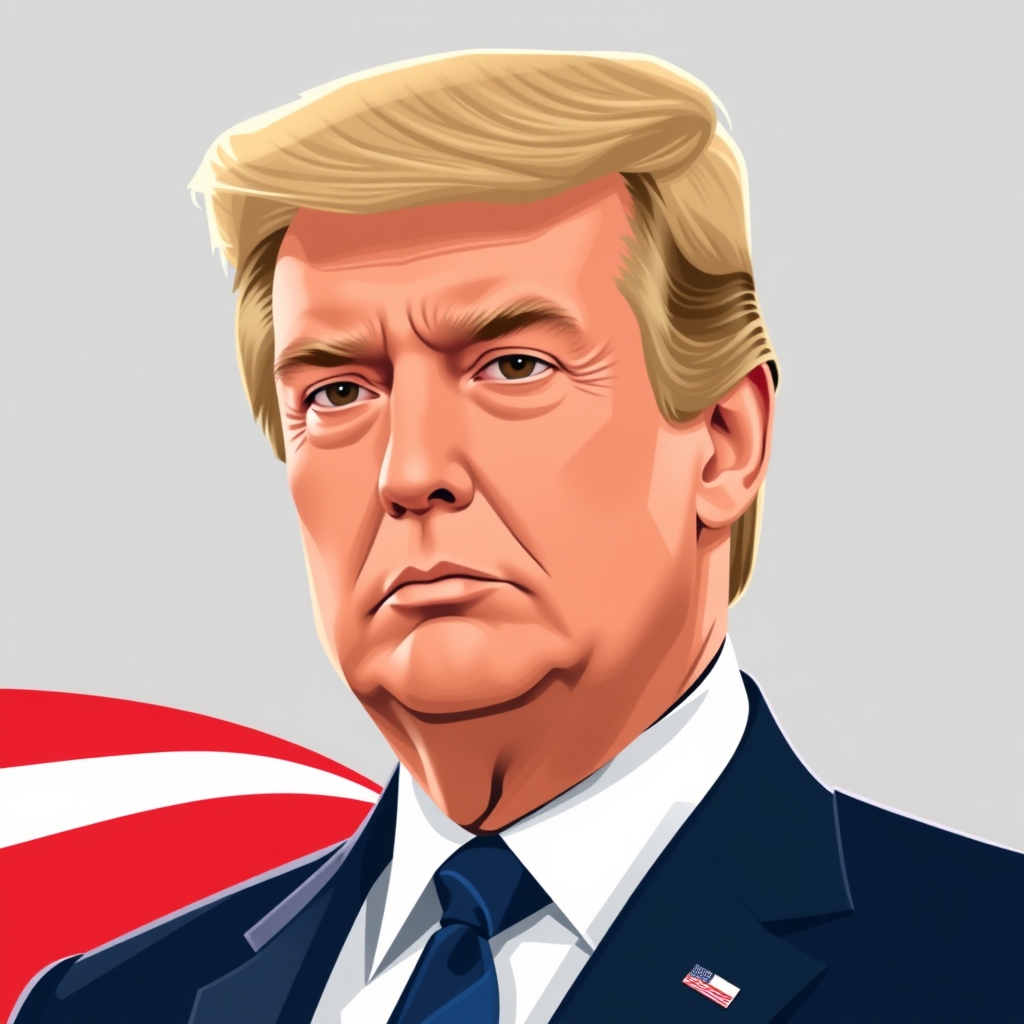
VS
Chief Justice John Roberts

The Trump administration and Chief Justice John Roberts are two central figures in the United States government, with Roberts serving as the head of the judicial branch and Trump as the head of the executive branch.
Roberts, who has been Chief Justice since 2005, has expressed concerns about the Court being seen as doing politics rather than law.
Trump, who has appointed two of the current justices, has publicly criticized Roberts and other justices, calling them "disloyal" and "unpatriotic" in response to certain rulings.
The conflict between them centers on the limits of judicial authority and the executive's compliance with court orders.
Roberts has taken the unusual step of publicly rejecting Trump's calls to impeach judges who have ruled against the administration, emphasizing the importance of judicial independence.
The dispute escalated when the Supreme Court ruled to allow Trump to continue construction of a ballroom at the White House, despite Roberts's dissent arguing that the construction is likely unlawful.
This case highlights the tension between the executive branch's actions and judicial oversight.
The stakes involve the broader relationship between the branches of government and the public's perception of the Court's impartiality.
Roberts has warned about the consequences of a Court seen as politically motivated, while Trump's criticisms and calls for impeachment of judges have fueled debates about judicial independence and the rule of law.
*AI-generated summary of publicly available data. This is not an official statement of any party.
*AI-generated summary of publicly available statements and reporting. This is not an official statement of this party.
Supporters of the Trump administration view the Court's ruling as affirming the executive branch's constitutional authority, upholding institutional precedent over judicial overreach in managing the White House.
Supporters of the Trump administration argue that the Court’s ruling rightly upholds the executive’s inherited authority over the White House, seeing Roberts’ dissent as a break from judicial restraint and a threat to presidential precedent.
Supporters of the Trump administration counter that cultural trust flows from outcomes, not process, and that Roberts’s reverence for procedure ignores the public’s demand for decisive, accountable action.
Supporters of the Trump administration argue the Supreme Court’s ruling affirms executive authority over White House property, treating Roberts’s dissent as an overreach that substitutes judicial preference for statutory discretion.
Supporters of the Trump administration argue that the Supreme Court majority correctly upheld executive authority, treating the ballroom as a presidential security and operational matter within lawful discretion, not a judicial question.
Supporters of the Trump administration counter that judicial review remains intact, but executive authority over immigration is constitutionally delegated, and courts lack jurisdiction to second-guess discretionary national-security decisions.
Supporters of Trump administration argue Roberts’ dissent is judicial overreach, noting the Court’s ruling affirms executive authority over White House grounds as a practical necessity.
Supporters of Trump administration argue Roberts’ dissent is a power play, not law—the Court’s ruling proves the executive’s control over the White House grounds outweighs a judge’s aesthetic or procedural objections.
Supporters of the Trump administration counter that Roberts’ dissent is not realpolitik but self-preservation, shielding the Court’s own prestige from the political costs of a losing fight.
Supporters of the Trump administration argue that the Supreme Court’s ruling affirms the president’s lawful authority, and they view Roberts’ dissent as an overreach that substitutes judicial opinion for executive duty.
Supporters of Trump administration argue that the president’s constitutional duty to maintain the White House grounds supersedes judicial second-guessing, viewing Roberts’s dissent as an overreach that undermines executive authority.
Supporters of the Trump administration counter that enforcing lawful borders is itself a moral duty, framing the construction as protecting national sovereignty and public safety, not overriding law.
Supporters of the Trump administration argue that the Court’s ruling honors the executive’s God-given stewardship over the White House, viewing Roberts’s dissent as a legalistic obstruction of lawful authority.
Supporters of the Trump administration argue that the president's authority to build the ballroom reflects a God-given mandate to steward the nation's executive house, which they believe transcends judicial second-guessing.
Supporters of the Trump administration counter that Roberts’ dissent mistakes legal formalism for divine order, arguing that scripture grants governing authority to elected leaders, not judges, and that justice itself flows from the people’s mandate, not judicial presumption.
*AI-generated summary of publicly available statements and reporting. This is not an official statement of this party.
Supporters of Chief Justice John Roberts argue that lawful process defines American identity, and that unchecked construction erodes the cultural trust citizens place in institutions.
Supporters of Chief Justice John Roberts argue that the ballroom’s construction threatens the White House’s cultural legacy as a symbol of constitutional restraint, not mere executive whim.
Supporters of Chief Justice John Roberts counter that the ruling defends the judiciary's role as the guardian of constitutional limits, preserving America’s legal culture against executive overreach.
Supporters of Chief Justice John Roberts argue that judicial review exists precisely to halt unlawful executive action, and the Court’s ruling undermines that legal check.
Supporters of Chief Justice John Roberts argue the ruling abdicates judicial review, since a likely unlawful executive action cannot be shielded merely by its ongoing construction.
Supporters of Chief Justice John Roberts counter that the ruling confines itself to statutory text, not executive preference, and that Roberts’s dissent merely flags where judicial restraint should yield to congressional intent.
Supporters of Chief Justice John Roberts argue his dissent is pure realpolitik: a calculated bid to preserve the Court’s institutional power against an executive that would crush it.
Supporters of Chief Justice John Roberts argue his dissent is a calculated bid to preserve judicial relevance, warning that acquiescence to executive construction invites a precedent where legal constraints bend to political will.
Supporters of Chief Justice John Roberts counter that the ruling is not about grounds but about the Court’s own survival, since deferring to executive whim on any presidential property sets a precedent for eroding judicial review itself.
Supporters of Chief Justice John Roberts argue that permitting likely unlawful construction sets a moral precedent where executive power overrides the rule of law.
Supporters of Chief Justice John Roberts argue that judicial oversight exists to uphold the law, not defer to executive convenience, and that allowing likely unlawful construction erodes moral accountability.
Supporters of Chief Justice John Roberts counter that law, not authority, defines duty, and a president’s power must yield to constitutional limits. They argue the ruling upholds the rule of law, not judicial overreach, as moral obligation binds every branch equally.
Supporters of Chief Justice John Roberts maintain that his dissent upholds a sacred duty: law as moral order, not executive whim, reflecting a divine mandate for justice over convenience.
Supporters of Chief Justice John Roberts argue his dissent upholds the sacred duty of lawful stewardship, seeing the ballroom as a break with precedent that erodes the moral order binding executive power to divine justice.
Supporters of Chief Justice John Roberts counter that the oath to uphold the Constitution is itself a sacred trust, and that no executive authority, however divinely claimed, supersedes the God-ordained order of checks and balances.
AI-generated summary of publicly available statements and reporting. This is not an official statement of this party.
Supporters of the Trump administration view the Court's ruling as affirming the executive branch's constitutional authority, upholding institutional precedent over judicial overreach in managing the White House.
Supporters of the Trump administration argue that the Court’s ruling rightly upholds the executive’s inherited authority over the White House, seeing Roberts’ dissent as a break from judicial restraint and a threat to presidential precedent.
Supporters of the Trump administration counter that cultural trust flows from outcomes, not process, and that Roberts’s reverence for procedure ignores the public’s demand for decisive, accountable action.
Supporters of the Trump administration argue the Supreme Court’s ruling affirms executive authority over White House property, treating Roberts’s dissent as an overreach that substitutes judicial preference for statutory discretion.
Supporters of the Trump administration argue that the Supreme Court majority correctly upheld executive authority, treating the ballroom as a presidential security and operational matter within lawful discretion, not a judicial question.
Supporters of the Trump administration counter that judicial review remains intact, but executive authority over immigration is constitutionally delegated, and courts lack jurisdiction to second-guess discretionary national-security decisions.
Supporters of Trump administration argue Roberts’ dissent is judicial overreach, noting the Court’s ruling affirms executive authority over White House grounds as a practical necessity.
Supporters of Trump administration argue Roberts’ dissent is a power play, not law—the Court’s ruling proves the executive’s control over the White House grounds outweighs a judge’s aesthetic or procedural objections.
Supporters of the Trump administration counter that Roberts’ dissent is not realpolitik but self-preservation, shielding the Court’s own prestige from the political costs of a losing fight.
Supporters of the Trump administration argue that the Supreme Court’s ruling affirms the president’s lawful authority, and they view Roberts’ dissent as an overreach that substitutes judicial opinion for executive duty.
Supporters of Trump administration argue that the president’s constitutional duty to maintain the White House grounds supersedes judicial second-guessing, viewing Roberts’s dissent as an overreach that undermines executive authority.
Supporters of the Trump administration counter that enforcing lawful borders is itself a moral duty, framing the construction as protecting national sovereignty and public safety, not overriding law.
Supporters of the Trump administration argue that the Court’s ruling honors the executive’s God-given stewardship over the White House, viewing Roberts’s dissent as a legalistic obstruction of lawful authority.
Supporters of the Trump administration argue that the president's authority to build the ballroom reflects a God-given mandate to steward the nation's executive house, which they believe transcends judicial second-guessing.
Supporters of the Trump administration counter that Roberts’ dissent mistakes legal formalism for divine order, arguing that scripture grants governing authority to elected leaders, not judges, and that justice itself flows from the people’s mandate, not judicial presumption.
Supporters of Chief Justice John Roberts argue that lawful process defines American identity, and that unchecked construction erodes the cultural trust citizens place in institutions.
Supporters of Chief Justice John Roberts argue that the ballroom’s construction threatens the White House’s cultural legacy as a symbol of constitutional restraint, not mere executive whim.
Supporters of Chief Justice John Roberts counter that the ruling defends the judiciary's role as the guardian of constitutional limits, preserving America’s legal culture against executive overreach.
Supporters of Chief Justice John Roberts argue that judicial review exists precisely to halt unlawful executive action, and the Court’s ruling undermines that legal check.
Supporters of Chief Justice John Roberts argue the ruling abdicates judicial review, since a likely unlawful executive action cannot be shielded merely by its ongoing construction.
Supporters of Chief Justice John Roberts counter that the ruling confines itself to statutory text, not executive preference, and that Roberts’s dissent merely flags where judicial restraint should yield to congressional intent.
Supporters of Chief Justice John Roberts argue his dissent is pure realpolitik: a calculated bid to preserve the Court’s institutional power against an executive that would crush it.
Supporters of Chief Justice John Roberts argue his dissent is a calculated bid to preserve judicial relevance, warning that acquiescence to executive construction invites a precedent where legal constraints bend to political will.
Supporters of Chief Justice John Roberts counter that the ruling is not about grounds but about the Court’s own survival, since deferring to executive whim on any presidential property sets a precedent for eroding judicial review itself.
Supporters of Chief Justice John Roberts argue that permitting likely unlawful construction sets a moral precedent where executive power overrides the rule of law.
Supporters of Chief Justice John Roberts argue that judicial oversight exists to uphold the law, not defer to executive convenience, and that allowing likely unlawful construction erodes moral accountability.
Supporters of Chief Justice John Roberts counter that law, not authority, defines duty, and a president’s power must yield to constitutional limits. They argue the ruling upholds the rule of law, not judicial overreach, as moral obligation binds every branch equally.
Supporters of Chief Justice John Roberts maintain that his dissent upholds a sacred duty: law as moral order, not executive whim, reflecting a divine mandate for justice over convenience.
Supporters of Chief Justice John Roberts argue his dissent upholds the sacred duty of lawful stewardship, seeing the ballroom as a break with precedent that erodes the moral order binding executive power to divine justice.
Supporters of Chief Justice John Roberts counter that the oath to uphold the Constitution is itself a sacred trust, and that no executive authority, however divinely claimed, supersedes the God-ordained order of checks and balances.
But Chief Justice John Roberts dissents, writing that "construction is likely unlawful".
Trump publicly called Roberts and other justices, including two he appointed, 'disloyal' and 'unpatriotic' in response to a decision.
An article discusses how Trump looms large in Roberts's legacy, noting Roberts's early concerns about a Court seen as doing politics rather than law.
Roberts took the unusual step of criticizing Trump's call for impeachment of 'crooked' lower-court judges who had ruled against the administration.
Chief Justice Roberts publicly rejected President Trump's call to impeach a judge who ruled against the administration, emphasizing the importance of judicial independence.