Trump administration
VS
Congress

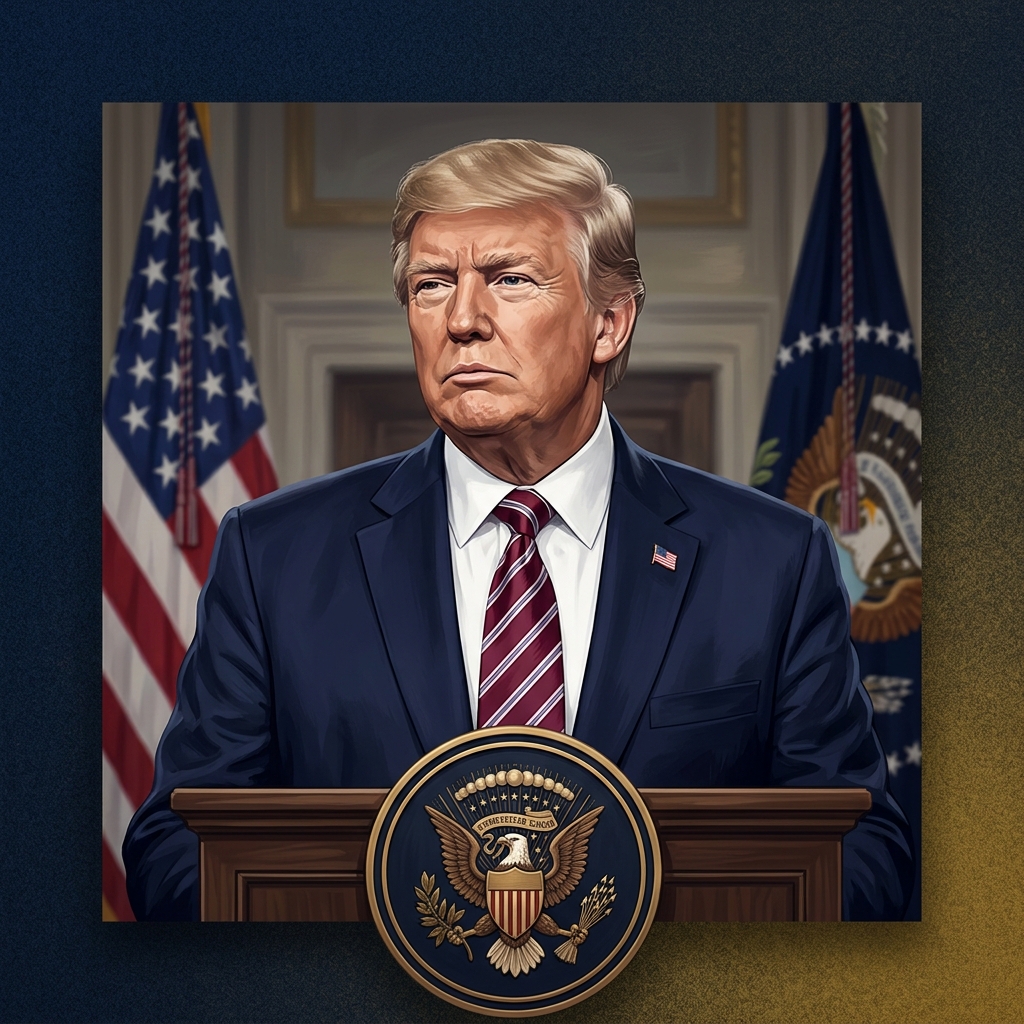
The Trump administration is the executive branch of the US federal government, led by President Donald Trump, which conducts foreign policy and negotiates arms sales.
Congress is the legislative branch, composed of the House of Representatives and the Senate, which holds constitutional power over appropriations and must approve certain arms transfers.
The two branches are in conflict over the scope of executive power.
The Trump administration has taken actions that Congress and critics say usurp legislative authority, such as withholding or diverting funds appropriated by Congress and issuing executive orders that expand presidential control over independent agencies.
Congress has pushed back through oversight, amendments, and legislation to reassert its constitutional role, while the administration argues it is acting within its authority to carry out its agenda.
This tension has played out in disputes over spending, executive orders, and foreign policy, including the proposed sale of F-35 fighter jets to Saudi Arabia, which requires congressional approval.
The outcome affects the balance of power between the branches and the direction of US policy.
*AI-generated summary of publicly available data. This is not an official statement of any party.
*AI-generated summary of publicly available statements and reporting. This is not an official statement of this party.
Supporters of the Trump administration argue the F-35 sale to Saudi Arabia strengthens a key strategic partnership, aligning US interests with a regional ally's security needs against shared threats.
Supporters of the Trump administration argue the F-35 sale reinforces a sovereign ally's self-defense and cultural standing in the region, and that Congress should defer to the president's judgment on national-interest ties with Riyadh.
Supporters of the Trump administration counter that America's cultural identity also rests on a president's sole authority as commander-in-chief, so arms sales to allies like Saudi Arabia are executive prerogatives that Congress cannot veto.
Supporters of the Trump administration argue the F-35 sale is lawful executive action, since arms transfers require only congressional notification, not approval, and prior sales to Saudi Arabia followed the same legal path.
Supporters of the Trump administration argue the sale is legally sound because Congress retains the statutory right to review and block it, so the executive has not bypassed legislative oversight.
Supporters of the Trump administration counter that the Arms Export Control Act lets the executive branch approve foreign military sales, and past administrations have completed them without a prior congressional vote.
Supporters of Trump administration argue that arming Riyadh binds a key Gulf partner closer to Washington, securing leverage over oil and Yemen's Houthis while locking out rival suppliers.
Supporters of the Trump administration argue the F-35 sale binds Riyadh closer to Washington, trading hardware for leverage against the Houthis and Iran—a pragmatic play Congress risks forfeiting.
Supporters of the Trump administration counter that conditioning arms sales cedes initiative, since the sale itself binds the buyer's logistics, training, and spare parts to the seller—leverage that outlasts any concession paper.
Supporters of the Trump administration argue that arming Saudi Arabia with F-35s strengthens a key ally against the Houthis and preserves US influence, a moral duty to protect regional security.
Supporters of the Trump administration argue that arming Saudi Arabia with F-35s strengthens a key partner against the Houthis, and that Congress should approve the deal rather than undermine an ally's security.
Supporters of the Trump administration counter that halting arms sales would betray the moral duty to stand by allies and deter aggression, leaving civilians more exposed to Iran-backed violence.
Supporters of the Trump administration argue that backing Saudi Arabia against Yemen's Houthis is a moral duty to defend a sovereign ally from aggression, consistent with just-war traditions of protecting the innocent.
Supporters of the Trump administration argue the F-35 sale to Saudi Arabia serves a moral duty to protect allies and counter Houthi aggression, invoking just-war tradition that defending the innocent against attack is a righteous obligation.
Supporters of Trump administration counter that scripture also charges rulers to bear the sword against aggressors, so arming Saudi Arabia serves justice by deterring Iranian-backed threats rather than fueling war.
*AI-generated summary of publicly available statements and reporting. This is not an official statement of this party.
Supporters of Congress argue that America's cultural self-image as a democracy rests on legislative war powers, so arms sales tied to Saudi Arabia's Yemen war must face scrutiny, not bypass lawmakers.
Supporters of Congress argue that arms sales to Saudi Arabia implicate America's cultural self-image, recalling past debates over complicity in Yemen's civilian toll; they maintain lawmakers, not the executive alone, should weigh that moral legacy.
Supporters of Congress counter that arming Riyadh deepens a cultural entanglement with a monarchy whose practices clash with stated US values, citing past congressional resistance to such sales.
Supporters of Congress argue that arms transfers require congressional authorization under U.S. law, so the F-35 sale to Saudi Arabia cannot proceed on executive approval alone.
Supporters of Congress argue that arms sales legally require legislative approval, and they insist lawmakers must weigh Saudi Arabia's conduct in Yemen before authorizing F-35 transfers.
Supporters of Congress counter that the Arms Export Control Act's notification requirement is not blanket authorization, and that lawmakers have repeatedly conditioned or blocked sales to Saudi Arabia over civilian casualties.
Supporters of Congress argue that approving the F-35 sale trades leverage for nothing: they contend the deal must be conditioned on concessions, since arms are chips to be bargained, not gifts.
Supporters of Congress argue that approving F-35s hands Riyadh leverage while Congress loses its veto—arms control is the only real check on a partner whose war aims outlast US interests.
Supporters of Congress counter that leverage runs both ways: Saudi arms dependence gives Riyadh a veto over U.S. pressure, letting the kingdom escalate in Yemen while Washington shields it to protect the sales.
Supporters of Congress argue that lawmakers must weigh the moral duty to protect civilian life in Yemen, questioning whether arming Riyadh further risks complicity in harm to noncombatants.
Supporters of Congress argue that approving F-35 sales to Saudi Arabia is morally wrong while Riyadh's campaign in Yemen harms civilians, and they insist environmental and human costs outweigh strategic gain.
Supporters of Congress counter that selling F-35s to Saudi Arabia risks complicity in civilian deaths in Yemen, and that a moral duty to protect life outweighs arming a partner whose campaign has harmed noncombatants.
Supporters of Congress argue that scripture warns against trusting in chariots and horses, so lawmakers should weigh whether arming Saudi Arabia serves justice and restraint rather than fueling war in Yemen.
Supporters of Congress argue that scripture commands rulers to be peacemakers, so they question arming a party to a war in Yemen without moral scrutiny.
Congress supporters counter that religious just-war tradition requires Congress's constitutional war authorization, not unilateral executive action, since protecting the innocent cannot justify bypassing lawful authority.
AI-generated summary of publicly available statements and reporting. This is not an official statement of this party.
Supporters of the Trump administration argue the F-35 sale to Saudi Arabia strengthens a key strategic partnership, aligning US interests with a regional ally's security needs against shared threats.
Supporters of the Trump administration argue the F-35 sale reinforces a sovereign ally's self-defense and cultural standing in the region, and that Congress should defer to the president's judgment on national-interest ties with Riyadh.
Supporters of the Trump administration counter that America's cultural identity also rests on a president's sole authority as commander-in-chief, so arms sales to allies like Saudi Arabia are executive prerogatives that Congress cannot veto.
Supporters of the Trump administration argue the F-35 sale is lawful executive action, since arms transfers require only congressional notification, not approval, and prior sales to Saudi Arabia followed the same legal path.
Supporters of the Trump administration argue the sale is legally sound because Congress retains the statutory right to review and block it, so the executive has not bypassed legislative oversight.
Supporters of the Trump administration counter that the Arms Export Control Act lets the executive branch approve foreign military sales, and past administrations have completed them without a prior congressional vote.
Supporters of Trump administration argue that arming Riyadh binds a key Gulf partner closer to Washington, securing leverage over oil and Yemen's Houthis while locking out rival suppliers.
Supporters of the Trump administration argue the F-35 sale binds Riyadh closer to Washington, trading hardware for leverage against the Houthis and Iran—a pragmatic play Congress risks forfeiting.
Supporters of the Trump administration counter that conditioning arms sales cedes initiative, since the sale itself binds the buyer's logistics, training, and spare parts to the seller—leverage that outlasts any concession paper.
Supporters of the Trump administration argue that arming Saudi Arabia with F-35s strengthens a key ally against the Houthis and preserves US influence, a moral duty to protect regional security.
Supporters of the Trump administration argue that arming Saudi Arabia with F-35s strengthens a key partner against the Houthis, and that Congress should approve the deal rather than undermine an ally's security.
Supporters of the Trump administration counter that halting arms sales would betray the moral duty to stand by allies and deter aggression, leaving civilians more exposed to Iran-backed violence.
Supporters of the Trump administration argue that backing Saudi Arabia against Yemen's Houthis is a moral duty to defend a sovereign ally from aggression, consistent with just-war traditions of protecting the innocent.
Supporters of the Trump administration argue the F-35 sale to Saudi Arabia serves a moral duty to protect allies and counter Houthi aggression, invoking just-war tradition that defending the innocent against attack is a righteous obligation.
Supporters of Trump administration counter that scripture also charges rulers to bear the sword against aggressors, so arming Saudi Arabia serves justice by deterring Iranian-backed threats rather than fueling war.
Supporters of Congress argue that America's cultural self-image as a democracy rests on legislative war powers, so arms sales tied to Saudi Arabia's Yemen war must face scrutiny, not bypass lawmakers.
Supporters of Congress argue that arms sales to Saudi Arabia implicate America's cultural self-image, recalling past debates over complicity in Yemen's civilian toll; they maintain lawmakers, not the executive alone, should weigh that moral legacy.
Supporters of Congress counter that arming Riyadh deepens a cultural entanglement with a monarchy whose practices clash with stated US values, citing past congressional resistance to such sales.
Supporters of Congress argue that arms transfers require congressional authorization under U.S. law, so the F-35 sale to Saudi Arabia cannot proceed on executive approval alone.
Supporters of Congress argue that arms sales legally require legislative approval, and they insist lawmakers must weigh Saudi Arabia's conduct in Yemen before authorizing F-35 transfers.
Supporters of Congress counter that the Arms Export Control Act's notification requirement is not blanket authorization, and that lawmakers have repeatedly conditioned or blocked sales to Saudi Arabia over civilian casualties.
Supporters of Congress argue that approving the F-35 sale trades leverage for nothing: they contend the deal must be conditioned on concessions, since arms are chips to be bargained, not gifts.
Supporters of Congress argue that approving F-35s hands Riyadh leverage while Congress loses its veto—arms control is the only real check on a partner whose war aims outlast US interests.
Supporters of Congress counter that leverage runs both ways: Saudi arms dependence gives Riyadh a veto over U.S. pressure, letting the kingdom escalate in Yemen while Washington shields it to protect the sales.
Supporters of Congress argue that lawmakers must weigh the moral duty to protect civilian life in Yemen, questioning whether arming Riyadh further risks complicity in harm to noncombatants.
Supporters of Congress argue that approving F-35 sales to Saudi Arabia is morally wrong while Riyadh's campaign in Yemen harms civilians, and they insist environmental and human costs outweigh strategic gain.
Supporters of Congress counter that selling F-35s to Saudi Arabia risks complicity in civilian deaths in Yemen, and that a moral duty to protect life outweighs arming a partner whose campaign has harmed noncombatants.
Supporters of Congress argue that scripture warns against trusting in chariots and horses, so lawmakers should weigh whether arming Saudi Arabia serves justice and restraint rather than fueling war in Yemen.
Supporters of Congress argue that scripture commands rulers to be peacemakers, so they question arming a party to a war in Yemen without moral scrutiny.
Congress supporters counter that religious just-war tradition requires Congress's constitutional war authorization, not unilateral executive action, since protecting the innocent cannot justify bypassing lawful authority.
The Trump administration approves the sale of F-35 jets to Saudi Arabia, pending congressional approval.
A Harvard Kennedy School analysis described the Trump administration's opening weeks as a whirlwind of action, including more than 80 executive orders.
A report noted that power is increasingly being wielded by Trump and his executive branch, with lawmakers in Congress either compliant or powerless.
President Trump signed an executive order purporting to give the president veto power over decisions made at independent agencies.