Trump administration
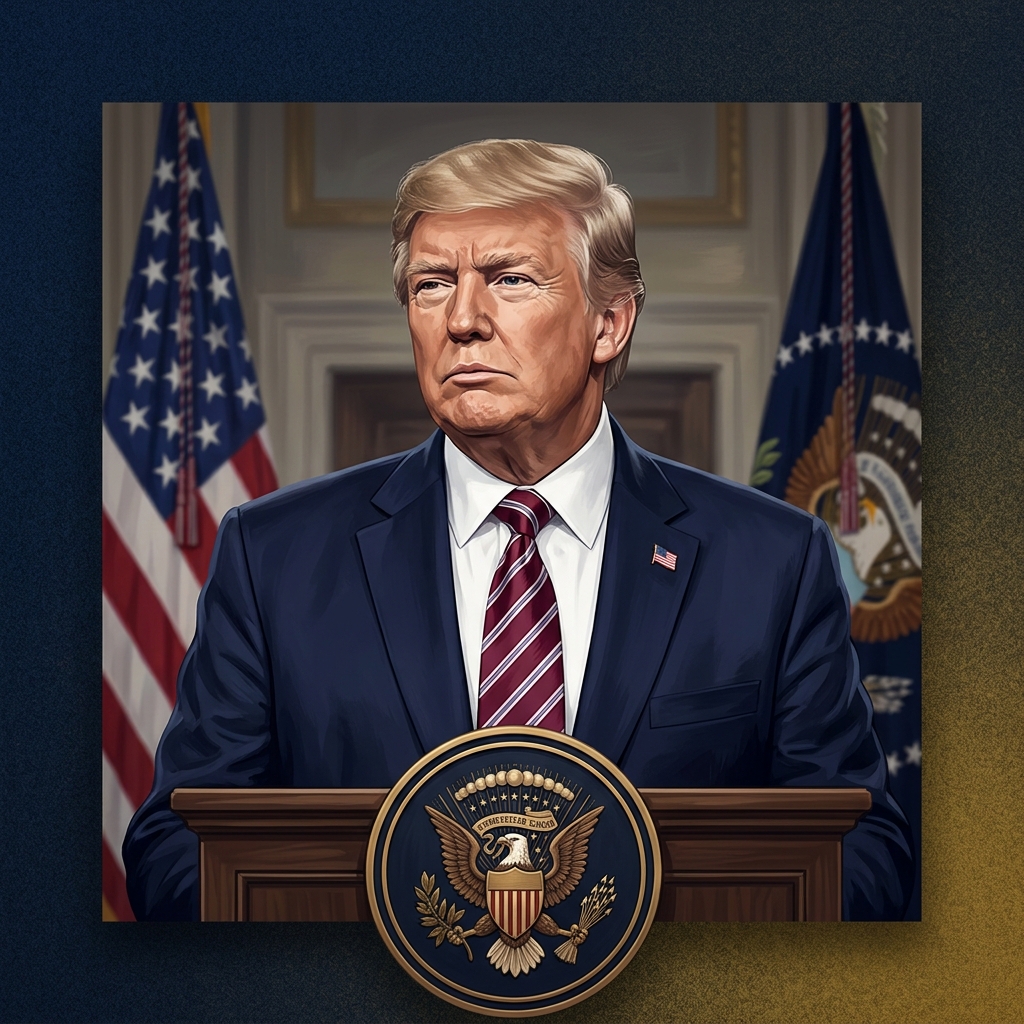
VS
Congress

The Trump administration and the Congress of the United States are the two sides in this ongoing constitutional conflict.
The Trump administration, led by President Donald Trump, has pursued an expansive interpretation of executive power, issuing more than 80 executive orders in its opening weeks and seeking to operate without seeking congressional approval for certain actions, such as ballroom work.
Congress, as the legislative branch, holds the power of the purse and oversight, and its members have sought to check what they view as overreach by the executive branch.
Their conflicting interests stem from a fundamental disagreement over the separation of powers.
The Trump administration argues that requiring congressional approval for certain actions is 'dangerous' and undermines presidential authority, while Congress maintains that the administration has seized key congressional powers, defied federal court orders, and violated Americans' constitutional rights.
This dispute has led to legislative efforts, such as amendments to stop the president from illegally withholding or diverting appropriated funds, and broader debates about the balance of power between the branches.
The stakes are high, as the outcome of this conflict could redefine the boundaries of executive authority and congressional oversight.
The administration's actions have prompted responses from both chambers, including hearings and legislative proposals, while scholars and analysts have noted the challenges of governing under unified party control.
The Supreme Court has been asked to weigh in on at least one aspect of this dispute, highlighting the constitutional significance of the issues at hand.
*AI-generated summary of publicly available data. This is not an official statement of any party.
*AI-generated summary of publicly available statements and reporting. This is not an official statement of this party.
Supporters of the Trump administration argue that requiring the president to seek Congress’s blessing for ballroom work undermines a longstanding executive tradition of decisive cultural leadership, viewing such oversight as a dangerous break from historical precedent.
Supporters of the Trump administration argue that requiring presidential permission from Congress signals a weak executive, a break from the strong-leader tradition they champion culturally.
Supporters of Trump administration counter that executive leadership has long revitalized civic tradition, citing Washington's and Lincoln's unilateral actions that reshaped American culture without awaiting Congress.
Supporters of the Trump administration argue that requiring presidential approval from Congress for ballroom work violates the separation of powers, as the executive’s constitutional authority over such operations is exclusive.
Supporters of the Trump administration argue that requiring the president to seek congressional approval for ballroom work violates the separation of powers, framing such a demand as a dangerous encroachment on executive authority and national sovereignty.
Supporters of the Trump administration counter that the Constitution’s Article II vests the President with executive authority, and the Impoundment Control Act’s mandatory spending terms remain subject to presidential review for legal compliance.
Supporters of the Trump administration argue that forcing the president to beg Congress for approval cedes leverage, inviting legislative paralysis and political ambush.
Supporters of Trump administration argue that forcing the president to beg Congress for approval hands rivals veto power over executive action, a dangerous shift that invites paralysis and political blackmail.
Supporters of the Trump administration counter that oversight is a bargaining chip, not a sacred check; the administration’s claim simply exposes Congress’s real motive—leverage, not accountability.
Supporters of Trump administration argue that demanding prior congressional approval for routine executive work is morally reckless, as it weakens the president’s duty to act decisively in the nation’s interest.
Supporters of the Trump administration argue that requiring presidential approval from Congress for ballroom work is morally irresponsible, as it would subordinate decisive action to partisan delay, leaving national interests vulnerable to institutional gridlock.
Supporters of the Trump administration counter that democratic accountability resides in the elected presidency, not a gridlocked Congress, and that requiring approval merely stalls moral action, not prevents overreach.
Supporters of the Trump administration argue that executive action in ballroom work reflects a divine mandate for decisive leadership, viewing congressional approval as an unnecessary obstacle to God-given authority.
Supporters of Trump administration argue that executive authority mirrors divine stewardship, where a leader's mandate from providence must not be subordinated to legislative delay, as requiring permission undermines the sacred duty to act decisively.
Supporters of the Trump administration counter that executive authority is itself a divinely ordained instrument, citing Romans 13, where rulers act as God’s servants for order.
*AI-generated summary of publicly available statements and reporting. This is not an official statement of this party.
Supporters of Congress argue that presidential ballroom work without legislative approval erodes the nation's civic traditions, where elected representatives embody the cultural mandate of public consent, not executive whims.
Supporters of Congress argue that its oversight role is a cultural cornerstone of American self-governance, ensuring no president acts above the law.
Supporters of Congress counter that cultural leadership without legislative consent erodes the very tradition of checks and balances, arguing that presidential ballroom decisions must reflect the people’s elected voice, not unilateral executive flair.
Supporters of Congress argue that the Constitution grants the legislature exclusive power of the purse, and the administration's "hat-in-hand" framing misstates a mandatory check as a mere courtesy.
Supporters of Congress argue the Constitution's separation of powers requires presidential action to respect legislative oversight, as the administration's 'dangerous' claim ignores the legal precedent that executive discretion has limits.
Supporters of Congress counter that the Constitution’s Necessary and Proper Clause grants the legislative branch explicit oversight over federal spending, including ballroom operations, which are not a core executive power.
Supporters of Congress argue that the administration’s “dangerous” claim is a power grab, since oversight exists to check executive ambition, not to enable it.
Supporters of Congress argue that the administration’s claim of danger is a power grab, since oversight exists to check executive impulse, not to weaken it.
Supporters of Congress counter that leverage without statutory backing is merely a bluff, and the presidency's history shows executive action alone invites reversal and retaliation, leaving policy weaker than a bargained, binding settlement.
Supporters of Congress argue that requiring presidential approval for ballroom work upholds the moral duty of checks and balances, preventing unchecked executive overreach that scripture warns against.
Supporters of Congress argue that requiring presidential approval for ballroom work upholds the constitutional duty of checks and balances, ensuring no single branch acts above the law.
Supporters of Congress counter that moral duty flows from constitutional accountability, not unchecked speed; they argue that deliberation prevents the grave sin of unilateral overreach, honoring the Founders' sacred trust.
Supporters of Congress argue that presidential power unchecked by legislative consent undermines the divine balance of governance, treating executive will as an idol above constitutional reverence.
Supporters of Congress argue that no leader, not even a president, stands above the inherited order of checks and balances, which they view as a sacred covenant preserving the nation's stability.
Supporters of Congress counter that God's mandate for governance rests in shared counsel, not solitary rule, citing scripture where wisdom is found in many advisors.
AI-generated summary of publicly available statements and reporting. This is not an official statement of this party.
Supporters of the Trump administration argue that requiring the president to seek Congress’s blessing for ballroom work undermines a longstanding executive tradition of decisive cultural leadership, viewing such oversight as a dangerous break from historical precedent.
Supporters of the Trump administration argue that requiring presidential permission from Congress signals a weak executive, a break from the strong-leader tradition they champion culturally.
Supporters of Trump administration counter that executive leadership has long revitalized civic tradition, citing Washington's and Lincoln's unilateral actions that reshaped American culture without awaiting Congress.
Supporters of the Trump administration argue that requiring presidential approval from Congress for ballroom work violates the separation of powers, as the executive’s constitutional authority over such operations is exclusive.
Supporters of the Trump administration argue that requiring the president to seek congressional approval for ballroom work violates the separation of powers, framing such a demand as a dangerous encroachment on executive authority and national sovereignty.
Supporters of the Trump administration counter that the Constitution’s Article II vests the President with executive authority, and the Impoundment Control Act’s mandatory spending terms remain subject to presidential review for legal compliance.
Supporters of the Trump administration argue that forcing the president to beg Congress for approval cedes leverage, inviting legislative paralysis and political ambush.
Supporters of Trump administration argue that forcing the president to beg Congress for approval hands rivals veto power over executive action, a dangerous shift that invites paralysis and political blackmail.
Supporters of the Trump administration counter that oversight is a bargaining chip, not a sacred check; the administration’s claim simply exposes Congress’s real motive—leverage, not accountability.
Supporters of Trump administration argue that demanding prior congressional approval for routine executive work is morally reckless, as it weakens the president’s duty to act decisively in the nation’s interest.
Supporters of the Trump administration argue that requiring presidential approval from Congress for ballroom work is morally irresponsible, as it would subordinate decisive action to partisan delay, leaving national interests vulnerable to institutional gridlock.
Supporters of the Trump administration counter that democratic accountability resides in the elected presidency, not a gridlocked Congress, and that requiring approval merely stalls moral action, not prevents overreach.
Supporters of the Trump administration argue that executive action in ballroom work reflects a divine mandate for decisive leadership, viewing congressional approval as an unnecessary obstacle to God-given authority.
Supporters of Trump administration argue that executive authority mirrors divine stewardship, where a leader's mandate from providence must not be subordinated to legislative delay, as requiring permission undermines the sacred duty to act decisively.
Supporters of the Trump administration counter that executive authority is itself a divinely ordained instrument, citing Romans 13, where rulers act as God’s servants for order.
Supporters of Congress argue that presidential ballroom work without legislative approval erodes the nation's civic traditions, where elected representatives embody the cultural mandate of public consent, not executive whims.
Supporters of Congress argue that its oversight role is a cultural cornerstone of American self-governance, ensuring no president acts above the law.
Supporters of Congress counter that cultural leadership without legislative consent erodes the very tradition of checks and balances, arguing that presidential ballroom decisions must reflect the people’s elected voice, not unilateral executive flair.
Supporters of Congress argue that the Constitution grants the legislature exclusive power of the purse, and the administration's "hat-in-hand" framing misstates a mandatory check as a mere courtesy.
Supporters of Congress argue the Constitution's separation of powers requires presidential action to respect legislative oversight, as the administration's 'dangerous' claim ignores the legal precedent that executive discretion has limits.
Supporters of Congress counter that the Constitution’s Necessary and Proper Clause grants the legislative branch explicit oversight over federal spending, including ballroom operations, which are not a core executive power.
Supporters of Congress argue that the administration’s “dangerous” claim is a power grab, since oversight exists to check executive ambition, not to enable it.
Supporters of Congress argue that the administration’s claim of danger is a power grab, since oversight exists to check executive impulse, not to weaken it.
Supporters of Congress counter that leverage without statutory backing is merely a bluff, and the presidency's history shows executive action alone invites reversal and retaliation, leaving policy weaker than a bargained, binding settlement.
Supporters of Congress argue that requiring presidential approval for ballroom work upholds the moral duty of checks and balances, preventing unchecked executive overreach that scripture warns against.
Supporters of Congress argue that requiring presidential approval for ballroom work upholds the constitutional duty of checks and balances, ensuring no single branch acts above the law.
Supporters of Congress counter that moral duty flows from constitutional accountability, not unchecked speed; they argue that deliberation prevents the grave sin of unilateral overreach, honoring the Founders' sacred trust.
Supporters of Congress argue that presidential power unchecked by legislative consent undermines the divine balance of governance, treating executive will as an idol above constitutional reverence.
Supporters of Congress argue that no leader, not even a president, stands above the inherited order of checks and balances, which they view as a sacred covenant preserving the nation's stability.
Supporters of Congress counter that God's mandate for governance rests in shared counsel, not solitary rule, citing scripture where wisdom is found in many advisors.
The US House voted to approve a war powers resolution aimed at halting President Trump's ability to continue military action against Iran.
Forcing the US president to go "hat-in-hand to Congress" for permission would be "dangerous", the administration says.
A video published around this date marks one year since Trump re-entered the White House and examines various aspects of his presidency, including the expansion of presidential power.
A representative co-sponsored an amendment to prevent President Trump from illegally withholding or diverting funds appropriated in the Republican-led continuing resolution.
A Harvard Kennedy School article published on this date discusses the Trump administration's rapid executive actions and the resulting tensions with Congress over the separation of powers.
President Trump re-entered the White House and, within his opening weeks, issued more than 80 executive orders, signaling an aggressive use of executive power.
The Senate Homeland Security and Governmental Affairs Committee released an executive summary accusing the Trump administration of seizing congressional powers, defying court orders, and violating constitutional rights.