Trump administration
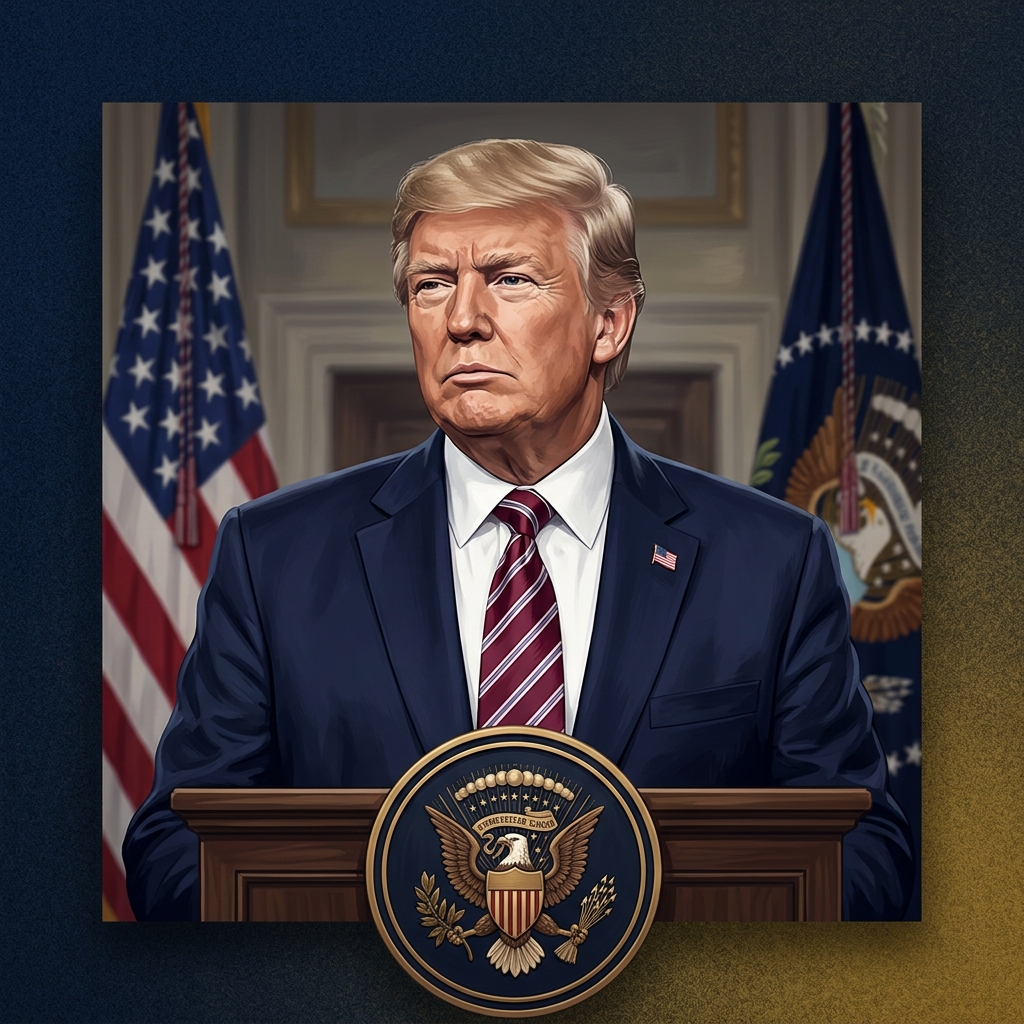
VS
Data scientists

A legal filing challenges the Trump administration's claims of non-citizen voting in California, with data scientists finding that many individuals identified as 'likely non-citizens' were erroneously flagged.
*AI-generated summary of publicly available data. This is not an official statement of any party.
*AI-generated summary of publicly available statements and reporting. This is not an official statement of this party.
Supporters of Trump administration argue that doubting official voter rolls reflects a long American tradition of citizens questioning government competence, not attacking democracy itself.
Supporters of the Trump administration argue that doubt about voter-roll accuracy reflects a long cultural tradition of public skepticism toward official records, and they maintain that raising such questions is legitimate civic vigilance.
Supporters of the Trump administration counter that citizenship data reflects a longstanding civic tradition of distinguishing citizens from non-citizens, and they argue such categorization strengthens rather than erodes public trust.
Supporters of the Trump administration argue that the legal filing concerns the reliability of data-matching, not the legitimacy of enforcing citizenship-based voting laws.
Supporters of the Trump administration argue that the legal filing's reliance on data scientists' error findings is misplaced, maintaining that alleged data-flagging flaws do not by themselves establish that non-citizen voting claims lack legal basis.
Supporters of the Trump administration counter that flagged matches are investigative leads, not final determinations, and that courts have upheld using database discrepancies to trigger further review rather than automatic removal.
Supporters of the Trump administration argue that a flawed list still justifies the probe, since the resulting scrutiny of voter rolls serves their goal regardless of individual errors.
Supporters of the Trump administration argue the filing attacks the method, not the mandate: even flawed flags justify tightening voter rolls, since preserving electoral control outweighs data scientists' error-rate objections.
Supporters of the Trump administration counter that flagging likely non-citizens is a routine screening step, and that pressing the filing is itself leverage—forcing disclosure of methods to stall enforcement, not to improve accuracy.
Supporters of the Trump administration argue that safeguarding election integrity is a moral duty, and that pursuing suspected non-citizen voting—even amid disputed data—reflects a legitimate commitment to protecting citizens' political rights.
Supporters of the Trump administration argue that even if data scientists found some flagged individuals were erroneously identified, the underlying concern about non-citizen voting justifies the administration's push for election integrity.
Supporters of the Trump administration counter that failing to verify citizenship is the deeper moral failure, since it dilutes the votes of lawful citizens and erodes trust in elections.
Supporters of the Trump administration argue that safeguarding election integrity is a moral duty rooted in respect for lawful civic order, and they maintain that caution in flagging disputed registrations reflects that duty.
Supporters of the Trump administration argue that protecting the integrity of elections is a moral duty rooted in respect for lawful authority and the common good.
Supporters of the Trump administration counter that scripture also commands obedience to lawful authority, arguing that due process and appeals—not private moral judgment—are the proper remedy for wrongly flagged cases.
*AI-generated summary of publicly available statements and reporting. This is not an official statement of this party.
Supporters of the data scientists argue that accurate, culturally grounded data practices protect communities from being mislabeled, contending that flawed citizenship flags erode public trust in institutions.
Supporters of the data scientists argue that mislabeling lawful residents as "likely non-citizens" reflects a cultural failure to treat immigrant communities as belonging, not merely as suspects.
Supporters of Data scientists counter that distrust of official voter rolls is a cultural artifact of polarized media ecosystems, not a civic tradition, and that repeated audits have shown such suspicion reflects narrative habit rather than documented error.
Supporters of the data scientists argue that the administration's voter-flagging method fails legal scrutiny because erroneous citizenship matches cannot satisfy the evidentiary standard courts require.
Supporters of the data scientists argue that the filing exposes legal defects in the administration's evidence, since erroneously flagged records cannot lawfully support claims of non-citizen voting.
Supporters of the data scientists counter that the filing's legal claims turn on documented error rates in the matching process itself, so reliability and enforcement legality cannot be separated—flawed matches directly determine who is wrongly removed from voter rolls.
Supporters of Data scientists argue the administration’s “likely non-citizen” list is a power tool, not evidence—erroneous flags show the claim serves political leverage, so they press the filing to expose the incentive behind it.
Supporters of the data scientists argue the erroneous flags reveal a political maneuver: the administration’s voter-roll claims serve to justify federal pressure and control, not accurate citizenship data.
Supporters of Data scientists counter that a probe built on a flawed list hands opponents the very errors needed to discredit the whole effort, so scrutiny of voter rolls collapses once its factual basis is exposed.
Supporters of the data scientists argue that wrongly flagging citizens as non-citizens is a moral failure, since the falsely accused bear real harm while the administration's voting claims rest on flawed evidence.
Supporters of the data scientists argue that flagging citizens as non-citizens is a moral failure, since erroneous data can wrongly cast suspicion on eligible voters and erode public trust.
Supporters of Data scientists counter that a moral duty to protect voting rights requires evidence, not suspicion—pursuing disputed data risks disenfranchising eligible citizens, which itself violates the rights the policy claims to defend.
Supporters of the data scientists argue that bearing false witness against the wrongly flagged is a moral failing, invoking scripture's command against false testimony as grounds to reject the administration's flawed claims.
Supporters of the data scientists argue that bearing false witness against the wrongly flagged is a moral failing, maintaining that accurate data honors the scriptural call to justice and truth.
Supporters of data scientists counter that scripture's call to bear false witness weighs against flagging unverified registrations, citing Proverbs 14:5—a faithful witness does not lie—to argue integrity demands evidence, not suspicion.
AI-generated summary of publicly available statements and reporting. This is not an official statement of this party.
Supporters of Trump administration argue that doubting official voter rolls reflects a long American tradition of citizens questioning government competence, not attacking democracy itself.
Supporters of the Trump administration argue that doubt about voter-roll accuracy reflects a long cultural tradition of public skepticism toward official records, and they maintain that raising such questions is legitimate civic vigilance.
Supporters of the Trump administration counter that citizenship data reflects a longstanding civic tradition of distinguishing citizens from non-citizens, and they argue such categorization strengthens rather than erodes public trust.
Supporters of the Trump administration argue that the legal filing concerns the reliability of data-matching, not the legitimacy of enforcing citizenship-based voting laws.
Supporters of the Trump administration argue that the legal filing's reliance on data scientists' error findings is misplaced, maintaining that alleged data-flagging flaws do not by themselves establish that non-citizen voting claims lack legal basis.
Supporters of the Trump administration counter that flagged matches are investigative leads, not final determinations, and that courts have upheld using database discrepancies to trigger further review rather than automatic removal.
Supporters of the Trump administration argue that a flawed list still justifies the probe, since the resulting scrutiny of voter rolls serves their goal regardless of individual errors.
Supporters of the Trump administration argue the filing attacks the method, not the mandate: even flawed flags justify tightening voter rolls, since preserving electoral control outweighs data scientists' error-rate objections.
Supporters of the Trump administration counter that flagging likely non-citizens is a routine screening step, and that pressing the filing is itself leverage—forcing disclosure of methods to stall enforcement, not to improve accuracy.
Supporters of the Trump administration argue that safeguarding election integrity is a moral duty, and that pursuing suspected non-citizen voting—even amid disputed data—reflects a legitimate commitment to protecting citizens' political rights.
Supporters of the Trump administration argue that even if data scientists found some flagged individuals were erroneously identified, the underlying concern about non-citizen voting justifies the administration's push for election integrity.
Supporters of the Trump administration counter that failing to verify citizenship is the deeper moral failure, since it dilutes the votes of lawful citizens and erodes trust in elections.
Supporters of the Trump administration argue that safeguarding election integrity is a moral duty rooted in respect for lawful civic order, and they maintain that caution in flagging disputed registrations reflects that duty.
Supporters of the Trump administration argue that protecting the integrity of elections is a moral duty rooted in respect for lawful authority and the common good.
Supporters of the Trump administration counter that scripture also commands obedience to lawful authority, arguing that due process and appeals—not private moral judgment—are the proper remedy for wrongly flagged cases.
Supporters of the data scientists argue that accurate, culturally grounded data practices protect communities from being mislabeled, contending that flawed citizenship flags erode public trust in institutions.
Supporters of the data scientists argue that mislabeling lawful residents as "likely non-citizens" reflects a cultural failure to treat immigrant communities as belonging, not merely as suspects.
Supporters of Data scientists counter that distrust of official voter rolls is a cultural artifact of polarized media ecosystems, not a civic tradition, and that repeated audits have shown such suspicion reflects narrative habit rather than documented error.
Supporters of the data scientists argue that the administration's voter-flagging method fails legal scrutiny because erroneous citizenship matches cannot satisfy the evidentiary standard courts require.
Supporters of the data scientists argue that the filing exposes legal defects in the administration's evidence, since erroneously flagged records cannot lawfully support claims of non-citizen voting.
Supporters of the data scientists counter that the filing's legal claims turn on documented error rates in the matching process itself, so reliability and enforcement legality cannot be separated—flawed matches directly determine who is wrongly removed from voter rolls.
Supporters of Data scientists argue the administration’s “likely non-citizen” list is a power tool, not evidence—erroneous flags show the claim serves political leverage, so they press the filing to expose the incentive behind it.
Supporters of the data scientists argue the erroneous flags reveal a political maneuver: the administration’s voter-roll claims serve to justify federal pressure and control, not accurate citizenship data.
Supporters of Data scientists counter that a probe built on a flawed list hands opponents the very errors needed to discredit the whole effort, so scrutiny of voter rolls collapses once its factual basis is exposed.
Supporters of the data scientists argue that wrongly flagging citizens as non-citizens is a moral failure, since the falsely accused bear real harm while the administration's voting claims rest on flawed evidence.
Supporters of the data scientists argue that flagging citizens as non-citizens is a moral failure, since erroneous data can wrongly cast suspicion on eligible voters and erode public trust.
Supporters of Data scientists counter that a moral duty to protect voting rights requires evidence, not suspicion—pursuing disputed data risks disenfranchising eligible citizens, which itself violates the rights the policy claims to defend.
Supporters of the data scientists argue that bearing false witness against the wrongly flagged is a moral failing, invoking scripture's command against false testimony as grounds to reject the administration's flawed claims.
Supporters of the data scientists argue that bearing false witness against the wrongly flagged is a moral failing, maintaining that accurate data honors the scriptural call to justice and truth.
Supporters of data scientists counter that scripture's call to bear false witness weighs against flagging unverified registrations, citing Proverbs 14:5—a faithful witness does not lie—to argue integrity demands evidence, not suspicion.
Data scientists find that many 'likely non-citizens' identified by the Trump administration were erroneously flagged.