Trump administration
VS
DC residents

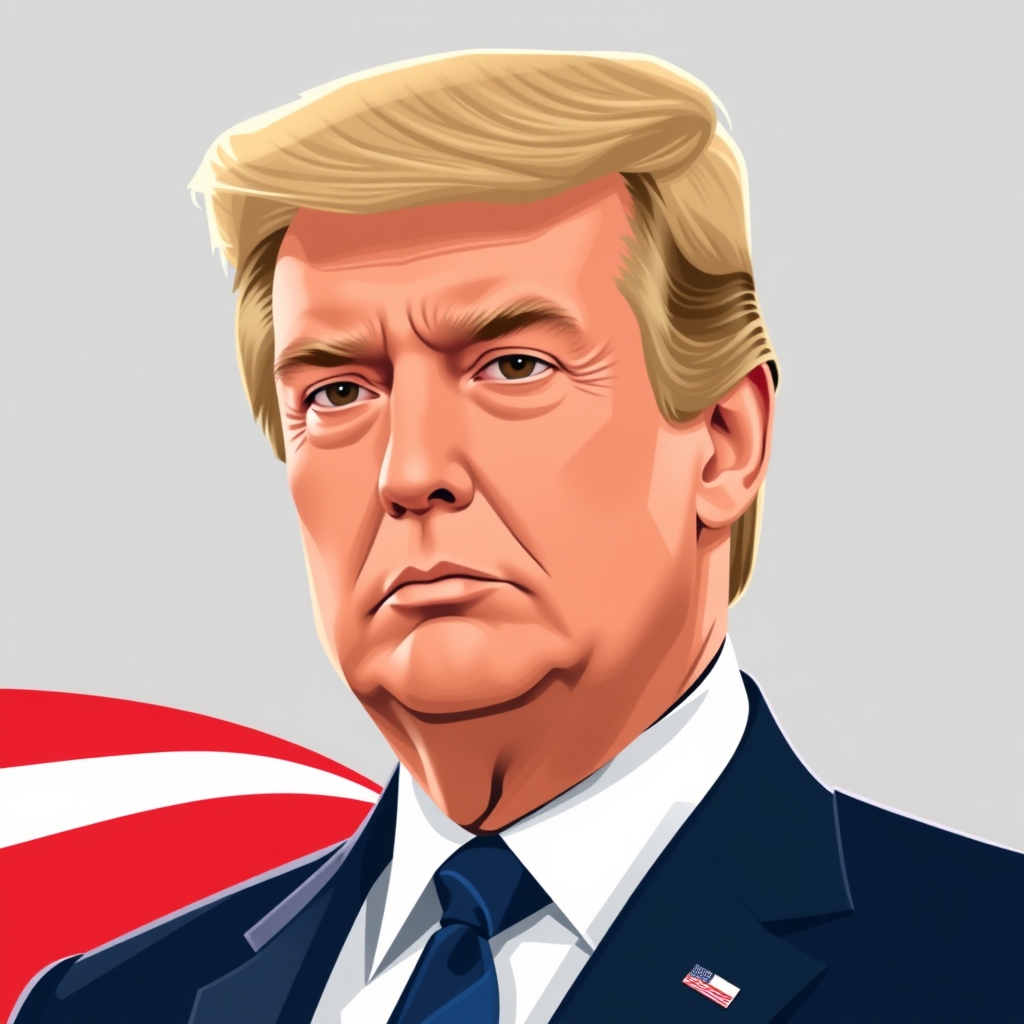
The Trump administration, led by President Donald Trump, has taken federal control over Washington, D.C.'s police force, a move that has sparked significant opposition among the city's residents.
Many D.C. residents, who are largely Democratic and have limited self-governance, view this as an overreach of federal power.
The administration, however, frames its actions as necessary to address crime and improve safety in the capital.
The conflict centers on the federal takeover of the city's law enforcement, which residents argue undermines local autonomy and raises concerns about militarization and civil liberties.
A CNN poll indicates that roughly 8 in 10 D.C. residents oppose the federal control, and some have taken their grievances to Congress, urging lawmakers to end the takeover.
Meanwhile, administration officials have dismissed critics, labeling them as "crazy liberals" and "elderly white hippies," further deepening the divide.
The stakes are high, as the situation affects the daily lives of D.C. residents, who are still adapting to federal oversight of their police.
The debate also touches on broader issues of federalism and the balance of power between the national government and local jurisdictions.
*AI-generated summary of publicly available data. This is not an official statement of any party.
*AI-generated summary of publicly available statements and reporting. This is not an official statement of this party.
Supporters of Trump administration argue the National Guard deployment affirms federal authority over the District, protecting national symbols and cultural order from urban lawlessness.
Supporters of the Trump administration argue that the National Guard deployment restores a sense of cultural order and civic pride in DC, viewing it as a lawful assertion of federal authority over the capital’s shared national identity.
Supporters of the Trump administration counter that the deployment upholds a distinct national civic culture, where federal authority preserves order in the capital as a shared symbol, not a slight against local identity.
Supporters of Trump administration argue the National Guard deployment rests on the president's legal authority to secure the federal district, citing public safety as a paramount national interest that justifies the visible federal presence.
Supporters of Trump administration argue the National Guard deployment in Washington, DC legally rests on federal authority over the capital, citing constitutional powers to ensure public safety and uphold national sovereignty.
Supporters of the Trump administration counter that the deployment rests on clear federal legal authority under the Constitution and statutes, which supersede local consent for national security matters.
Supporters of Trump administration argue the deployment was a raw power play that works: DC's crime fell because the Guard altered incentives, not sentiment, and militarization is the price of order.
Supporters of the Trump administration argue the Guard deployment was a pragmatic power play, using visible force to deter crime and project federal control over DC’s ineffective local governance, with safety gains outweighing abstract civil liberty concerns.
Supporters of the Trump administration counter that federal control over DC is a constitutional reality, not a power play, and the Guard deployment answers a clear public-safety need that local officials cannot meet alone.
Supporters of the Trump administration argue that deploying the National Guard fulfills a moral duty to protect innocent life, viewing the presence as a righteous shield against lawlessness in DC.
Supporters of Trump administration argue that protecting innocent life is a moral duty, and the National Guard deployment in DC reflects a righteous commitment to public safety over disorder.
Supporters of the Trump administration counter that protecting federal property and personnel is a moral duty, not a breach of trust, and that orderly law enforcement upholds, rather than erodes, civil order.
Supporters of the Trump administration view the National Guard deployment as a restoration of divine order, upholding the biblical mandate for lawful authority to protect the innocent from chaos.
Supporters of the Trump administration argue that the National Guard deployment restores moral order in Washington, echoing a sacred duty to protect the innocent, as lawless streets defy divine and civic law.
Supporters of the Trump administration counter that scripture also calls governing authorities to wield the sword for order, citing Romans 13, where lawful force restrains evil and protects the innocent.
*AI-generated summary of publicly available statements and reporting. This is not an official statement of this party.
Supporters of DC residents argue the deployment echoes Washington's fraught history of federal overreach, viewing it as a cultural symbol of disenfranchisement rather than safety, because precedent shows troops policing citizens erodes local autonomy and trust.
Supporters of DC residents argue the deployment echoes the 1968 occupation, framing the National Guard presence as a cultural erosion of civilian governance and a return to federal paternalism over the city's home-rule identity.
Supporters of DC residents counter that the deployment erases the District’s own cultural identity, recasting its residents as threats to, not stewards of, national heritage.
Supporters of DC residents argue the deployment bypassed legal checks, as the city lacks full home rule and the move relied on federal authority without local consent. They maintain this sets a troubling precedent for civil liberties.
Supporters of DC residents argue that the deployment raises legal concerns about federal overreach, as the city's Home Rule charter was bypassed without local consent, undermining its authority.
Supporters of DC residents counter that the Insurrection Act and D.C.
Supporters of DC residents argue the National Guard presence signals political leverage, not safety, noting Washington's lack of statehood leaves residents vulnerable to federal power plays that prioritize optics over local control.
Supporters of DC residents argue the deployment was a power play, not a safety fix—Trump used crime fears to impose federal control over a city without voting power, where residents pay taxes yet lack leverage to resist.
Supporters of DC residents counter that the Guard’s presence merely displaced crime into surrounding neighborhoods, not reduced it, and that the real incentive shift favored optics over accountability—militarization buys temporary calm while eroding trust, which invites longer-te.
Supporters of DC residents argue that safety never justifies martial rule, pointing to the deployment as a moral breach of civil trust.
Supporters of DC residents argue that the National Guard deployment sacrifices civil liberties for perceived safety, citing historical precedents where military presence eroded trust and moral standing of governance.
Critics of the administration counter that a moral shield cannot justify occupation; DC residents see the Guard's presence as a violation of their civic dignity, echoing past abuses where force masqueraded as protection.
Supporters of DC residents argue that true safety rests on justice and community, not armed force, citing scripture that peace is built through righteousness, not military presence.
Supporters of DC residents argue that safety is a divine gift, not a military imposition; scripture calls for peace rooted in justice, and they see the deployment as a threat to that sacred trust.
Supporters of DC residents counter that divine order demands justice for the governed, not merely force; scripture calls rulers to serve the people's welfare, not to suppress their voice.
AI-generated summary of publicly available statements and reporting. This is not an official statement of this party.
Supporters of Trump administration argue the National Guard deployment affirms federal authority over the District, protecting national symbols and cultural order from urban lawlessness.
Supporters of the Trump administration argue that the National Guard deployment restores a sense of cultural order and civic pride in DC, viewing it as a lawful assertion of federal authority over the capital’s shared national identity.
Supporters of the Trump administration counter that the deployment upholds a distinct national civic culture, where federal authority preserves order in the capital as a shared symbol, not a slight against local identity.
Supporters of Trump administration argue the National Guard deployment rests on the president's legal authority to secure the federal district, citing public safety as a paramount national interest that justifies the visible federal presence.
Supporters of Trump administration argue the National Guard deployment in Washington, DC legally rests on federal authority over the capital, citing constitutional powers to ensure public safety and uphold national sovereignty.
Supporters of the Trump administration counter that the deployment rests on clear federal legal authority under the Constitution and statutes, which supersede local consent for national security matters.
Supporters of Trump administration argue the deployment was a raw power play that works: DC's crime fell because the Guard altered incentives, not sentiment, and militarization is the price of order.
Supporters of the Trump administration argue the Guard deployment was a pragmatic power play, using visible force to deter crime and project federal control over DC’s ineffective local governance, with safety gains outweighing abstract civil liberty concerns.
Supporters of the Trump administration counter that federal control over DC is a constitutional reality, not a power play, and the Guard deployment answers a clear public-safety need that local officials cannot meet alone.
Supporters of the Trump administration argue that deploying the National Guard fulfills a moral duty to protect innocent life, viewing the presence as a righteous shield against lawlessness in DC.
Supporters of Trump administration argue that protecting innocent life is a moral duty, and the National Guard deployment in DC reflects a righteous commitment to public safety over disorder.
Supporters of the Trump administration counter that protecting federal property and personnel is a moral duty, not a breach of trust, and that orderly law enforcement upholds, rather than erodes, civil order.
Supporters of the Trump administration view the National Guard deployment as a restoration of divine order, upholding the biblical mandate for lawful authority to protect the innocent from chaos.
Supporters of the Trump administration argue that the National Guard deployment restores moral order in Washington, echoing a sacred duty to protect the innocent, as lawless streets defy divine and civic law.
Supporters of the Trump administration counter that scripture also calls governing authorities to wield the sword for order, citing Romans 13, where lawful force restrains evil and protects the innocent.
Supporters of DC residents argue the deployment echoes Washington's fraught history of federal overreach, viewing it as a cultural symbol of disenfranchisement rather than safety, because precedent shows troops policing citizens erodes local autonomy and trust.
Supporters of DC residents argue the deployment echoes the 1968 occupation, framing the National Guard presence as a cultural erosion of civilian governance and a return to federal paternalism over the city's home-rule identity.
Supporters of DC residents counter that the deployment erases the District’s own cultural identity, recasting its residents as threats to, not stewards of, national heritage.
Supporters of DC residents argue the deployment bypassed legal checks, as the city lacks full home rule and the move relied on federal authority without local consent. They maintain this sets a troubling precedent for civil liberties.
Supporters of DC residents argue that the deployment raises legal concerns about federal overreach, as the city's Home Rule charter was bypassed without local consent, undermining its authority.
Supporters of DC residents counter that the Insurrection Act and D.C.
Supporters of DC residents argue the National Guard presence signals political leverage, not safety, noting Washington's lack of statehood leaves residents vulnerable to federal power plays that prioritize optics over local control.
Supporters of DC residents argue the deployment was a power play, not a safety fix—Trump used crime fears to impose federal control over a city without voting power, where residents pay taxes yet lack leverage to resist.
Supporters of DC residents counter that the Guard’s presence merely displaced crime into surrounding neighborhoods, not reduced it, and that the real incentive shift favored optics over accountability—militarization buys temporary calm while eroding trust, which invites longer-te.
Supporters of DC residents argue that safety never justifies martial rule, pointing to the deployment as a moral breach of civil trust.
Supporters of DC residents argue that the National Guard deployment sacrifices civil liberties for perceived safety, citing historical precedents where military presence eroded trust and moral standing of governance.
Critics of the administration counter that a moral shield cannot justify occupation; DC residents see the Guard's presence as a violation of their civic dignity, echoing past abuses where force masqueraded as protection.
Supporters of DC residents argue that true safety rests on justice and community, not armed force, citing scripture that peace is built through righteousness, not military presence.
Supporters of DC residents argue that safety is a divine gift, not a military imposition; scripture calls for peace rooted in justice, and they see the deployment as a threat to that sacred trust.
Supporters of DC residents counter that divine order demands justice for the governed, not merely force; scripture calls rulers to serve the people's welfare, not to suppress their voice.
Some Washington, D.C., residents fanned out across the halls of Congress, urging lawmakers to end Trump's federal law enforcement takeover.
CNN reported that roughly 8 in 10 Washington, D.C., residents oppose President Trump's order for the federal government to take control of the city's police.
Members of the Trump administration called those against the federal takeover of Washington, D.C., 'crazy liberals' and 'elderly white hippies,' as reported by YouTube and NBC News.
PBS NewsHour aired a segment on how D.C. residents feel about crime and the federal takeover of their city, highlighting their ongoing adaptation to federal control.
Residents in different wards of the city gave mixed opinions about the federal takeover of the police, as reported by NBC4 Washington.
Trump deployed the National Guard to address crime concerns in Washington, DC.