Trump administration
VS
Deportation challengers

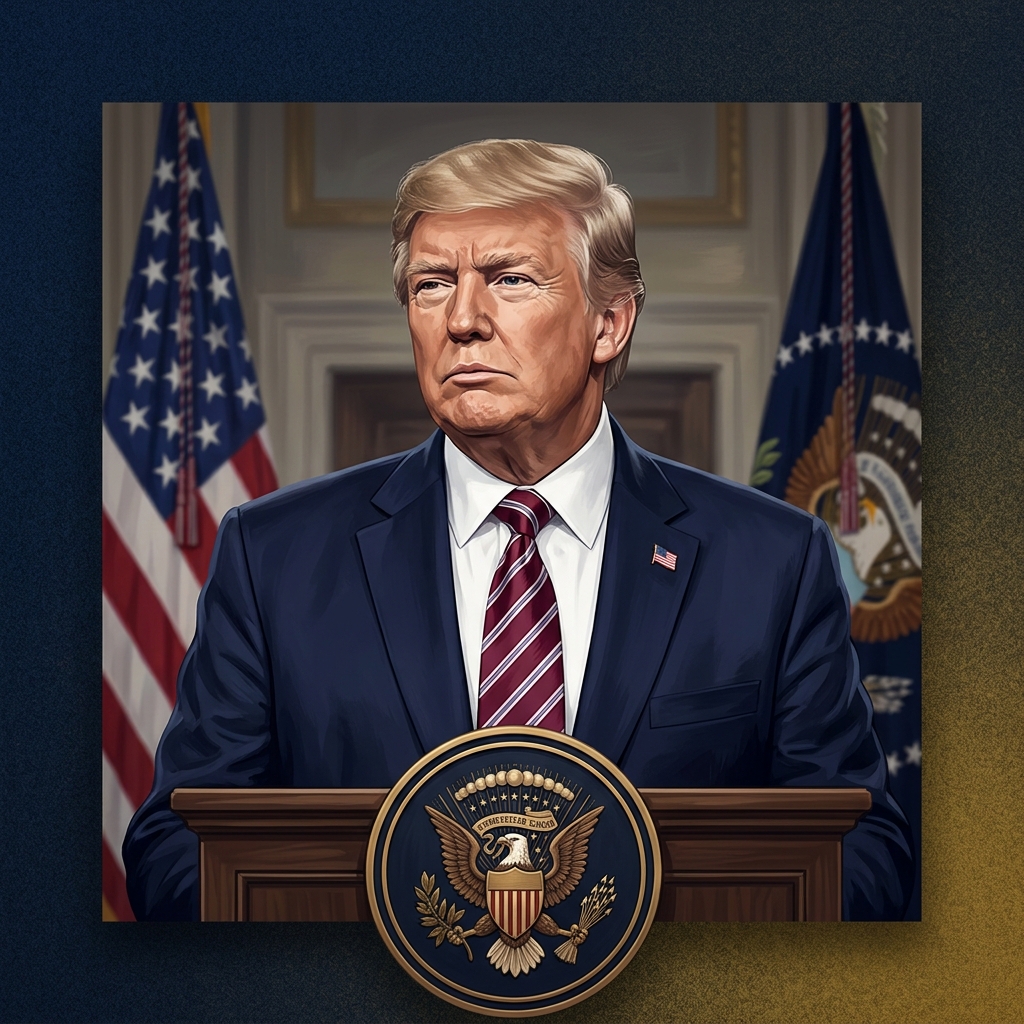
The Trump administration is the executive branch of the U.S. federal government, which has pursued a policy of removing immigrants to third countries—nations other than their own—as part of its immigration enforcement efforts.
Deportation challengers are the immigrants and advocacy groups that have filed legal challenges to halt or limit these removals, arguing that the policy exposes people to harm and lacks adequate legal safeguards.
The two sides are in conflict over whether the administration may continue deporting migrants to third countries while litigation proceeds.
Lower courts have not categorically blocked the policy but have questioned its lawfulness, and a ruling to halt such deportations threw the administration's core immigration policy into question.
The administration has asked the Supreme Court to allow the program to continue, while the challengers seek to stop it.
The dispute has evolved into a broader battle over executive and judicial power, with the Supreme Court allowing quick deportations to third countries to resume for now while it weighs the Trump policy.
The Court is expected to hear arguments in December 2025.
*AI-generated summary of publicly available data. This is not an official statement of any party.
*AI-generated summary of publicly available statements and reporting. This is not an official statement of this party.
Supporters of the Trump administration argue that deporting migrants to third countries protects national sovereignty and cultural identity, maintaining that borders define a nation's self-determination.
Supporters of the Trump administration argue that deporting migrants to third countries protects national identity and sovereignty, maintaining that border enforcement reflects the cultural self-determination of a people.
Supporters of the Trump administration counter that sovereignty itself is the inherited custom—nations have always defined who belongs, and cultural identity survives only when borders and removal authority are upheld.
Supporters of the Trump administration argue the Court's emergency stay is lawful: the government holds statutory removal authority, and challengers show no irreparable harm, so deportation may proceed pending December arguments.
Supporters of the Trump administration argue the Court's emergency stay preserves executive removal authority under statute while litigation proceeds, and that challengers must show concrete legal harm before courts block deportations mid-case.
Supporters of the Trump administration counter that removal to a third country is a diplomatic and discretionary act, not a final order of removal, so no due process right attaches before the Court rules.
Supporters of the Trump administration argue the emergency stay lets removals proceed before December arguments, since delaying deportations cedes leverage to challengers and courts.
Supporters of the Trump administration argue that the Supreme Court's emergency relief shows legal leverage: deportations proceed now, so challengers lose practical ground before December arguments even begin.
Supporters of the Trump administration counter that review is not mooted: challengers could still seek relief for those remaining, and the government argues courts should not block enforcement before a ruling.
Supporters of the Trump administration argue that a nation has a moral duty to control its borders and protect its people, and that courts should not block elected leaders from enforcing immigration law while the case proceeds.
Supporters of the Trump administration argue that enforcing immigration law is a moral duty to protect national sovereignty and safety, and that the Supreme Court's ruling upholds the rule of law.
Supporters of the Trump administration counter that a nation's moral duty runs first to its own citizens and border integrity, not to international norms that override sovereignty.
Supporters of the Trump administration invoke the biblical mandate that governing authorities bear the sword to restrain evil, arguing that orderly borders and deportation reflect a God-given duty to protect the nation.
Supporters of the Trump administration argue that sovereign nations hold a God-given duty to guard their borders and uphold ordered community life, a stewardship they see as rooted in longstanding religious teaching on lawful authority.
Supporters of the Trump administration counter that scripture also charges rulers with protecting citizens and upholding lawful order, so border enforcement is itself a moral duty owed to the nation.
*AI-generated summary of publicly available statements and reporting. This is not an official statement of this party.
Supporters of the Deportation challengers contend that long-settled cultural and legal customs require migrants be given notice and a chance to contest removal, arguing that uprooting people to unfamiliar third countries without such safeguards betrays inherited due-process tradi.
Supporters of the deportation challengers argue that removing migrants to third countries without established community or legal ties severs inherited cultural and familial bonds, undermining the continuity that stable societies depend on.
Deportation challengers counter that cultural identity is not a fixed inheritance threatened by newcomers, but a living, evolving tradition shaped by each generation's encounters.
Supporters of the Deportation challengers argue that removing migrants to third countries before the Supreme Court rules denies them legally protected due process, so the Court should preserve review rather than let enforcement outrun the case.
Supporters of Deportation challengers argue the emergency ruling lets the administration deport migrants to third countries before courts review whether those removals are lawful, denying due process.
Supporters of Deportation challengers counter that statutory removal authority does not override due process: they argue that deporting people before December arguments would moot their claims, making the harm irreparable per se.
Supporters of Deportation challengers argue that letting removals proceed before December arguments hands the Trump administration the practical outcome it wants, making judicial review moot once migrants are already gone.
Supporters of Deportation challengers argue the emergency stay reveals the court's real incentive: letting removals proceed moots the December case, so power, not law, decides.
Supporters of Deportation challengers counter that the emergency stay itself is the leverage play: removals moot the December arguments, so the administration wins by timing, not law.
Supporters of the Deportation challengers argue that sending migrants to third countries they have no ties to, before courts can review each case, violates universal human rights norms and the moral duty owed to vulnerable people under international law.
Supporters of the Deportation challengers argue that sending migrants to third countries they have no ties to, before courts can review each case, violates universal human rights norms and the moral duty of non-refoulement.
Supporters of Deportation challengers counter that a nation's moral duty to protect people includes honoring due process and asylum law, so courts must block enforcement that would return migrants to danger before their claims are heard.
Supporters of Deportation challengers invoke the biblical command to welcome the stranger, arguing that removing migrants to third countries without due process violates the moral duty scripture places on nations.
Supporters of the Deportation challengers argue that scripture commands mercy for the stranger and exile, so faith demands protecting migrants rather than sending them to third countries.
Deportation challengers counter that scripture also commands compassion for the stranger, citing verses like Leviticus 19:34, and argue that the sword's purpose cannot override the call to welcome the foreigner.
AI-generated summary of publicly available statements and reporting. This is not an official statement of this party.
Supporters of the Trump administration argue that deporting migrants to third countries protects national sovereignty and cultural identity, maintaining that borders define a nation's self-determination.
Supporters of the Trump administration argue that deporting migrants to third countries protects national identity and sovereignty, maintaining that border enforcement reflects the cultural self-determination of a people.
Supporters of the Trump administration counter that sovereignty itself is the inherited custom—nations have always defined who belongs, and cultural identity survives only when borders and removal authority are upheld.
Supporters of the Trump administration argue the Court's emergency stay is lawful: the government holds statutory removal authority, and challengers show no irreparable harm, so deportation may proceed pending December arguments.
Supporters of the Trump administration argue the Court's emergency stay preserves executive removal authority under statute while litigation proceeds, and that challengers must show concrete legal harm before courts block deportations mid-case.
Supporters of the Trump administration counter that removal to a third country is a diplomatic and discretionary act, not a final order of removal, so no due process right attaches before the Court rules.
Supporters of the Trump administration argue the emergency stay lets removals proceed before December arguments, since delaying deportations cedes leverage to challengers and courts.
Supporters of the Trump administration argue that the Supreme Court's emergency relief shows legal leverage: deportations proceed now, so challengers lose practical ground before December arguments even begin.
Supporters of the Trump administration counter that review is not mooted: challengers could still seek relief for those remaining, and the government argues courts should not block enforcement before a ruling.
Supporters of the Trump administration argue that a nation has a moral duty to control its borders and protect its people, and that courts should not block elected leaders from enforcing immigration law while the case proceeds.
Supporters of the Trump administration argue that enforcing immigration law is a moral duty to protect national sovereignty and safety, and that the Supreme Court's ruling upholds the rule of law.
Supporters of the Trump administration counter that a nation's moral duty runs first to its own citizens and border integrity, not to international norms that override sovereignty.
Supporters of the Trump administration invoke the biblical mandate that governing authorities bear the sword to restrain evil, arguing that orderly borders and deportation reflect a God-given duty to protect the nation.
Supporters of the Trump administration argue that sovereign nations hold a God-given duty to guard their borders and uphold ordered community life, a stewardship they see as rooted in longstanding religious teaching on lawful authority.
Supporters of the Trump administration counter that scripture also charges rulers with protecting citizens and upholding lawful order, so border enforcement is itself a moral duty owed to the nation.
Supporters of the Deportation challengers contend that long-settled cultural and legal customs require migrants be given notice and a chance to contest removal, arguing that uprooting people to unfamiliar third countries without such safeguards betrays inherited due-process tradi.
Supporters of the deportation challengers argue that removing migrants to third countries without established community or legal ties severs inherited cultural and familial bonds, undermining the continuity that stable societies depend on.
Deportation challengers counter that cultural identity is not a fixed inheritance threatened by newcomers, but a living, evolving tradition shaped by each generation's encounters.
Supporters of the Deportation challengers argue that removing migrants to third countries before the Supreme Court rules denies them legally protected due process, so the Court should preserve review rather than let enforcement outrun the case.
Supporters of Deportation challengers argue the emergency ruling lets the administration deport migrants to third countries before courts review whether those removals are lawful, denying due process.
Supporters of Deportation challengers counter that statutory removal authority does not override due process: they argue that deporting people before December arguments would moot their claims, making the harm irreparable per se.
Supporters of Deportation challengers argue that letting removals proceed before December arguments hands the Trump administration the practical outcome it wants, making judicial review moot once migrants are already gone.
Supporters of Deportation challengers argue the emergency stay reveals the court's real incentive: letting removals proceed moots the December case, so power, not law, decides.
Supporters of Deportation challengers counter that the emergency stay itself is the leverage play: removals moot the December arguments, so the administration wins by timing, not law.
Supporters of the Deportation challengers argue that sending migrants to third countries they have no ties to, before courts can review each case, violates universal human rights norms and the moral duty owed to vulnerable people under international law.
Supporters of the Deportation challengers argue that sending migrants to third countries they have no ties to, before courts can review each case, violates universal human rights norms and the moral duty of non-refoulement.
Supporters of Deportation challengers counter that a nation's moral duty to protect people includes honoring due process and asylum law, so courts must block enforcement that would return migrants to danger before their claims are heard.
Supporters of Deportation challengers invoke the biblical command to welcome the stranger, arguing that removing migrants to third countries without due process violates the moral duty scripture places on nations.
Supporters of the Deportation challengers argue that scripture commands mercy for the stranger and exile, so faith demands protecting migrants rather than sending them to third countries.
Deportation challengers counter that scripture also commands compassion for the stranger, citing verses like Leviticus 19:34, and argue that the sword's purpose cannot override the call to welcome the foreigner.
The Supreme Court allowed the Trump administration to continue deporting people to countries other than their own for now while it weighs the policy.
The Trump administration asked the Supreme Court to allow it to continue its program to deport immigrants to countries other than their own.
Expected arguments in the case before the Supreme Court.