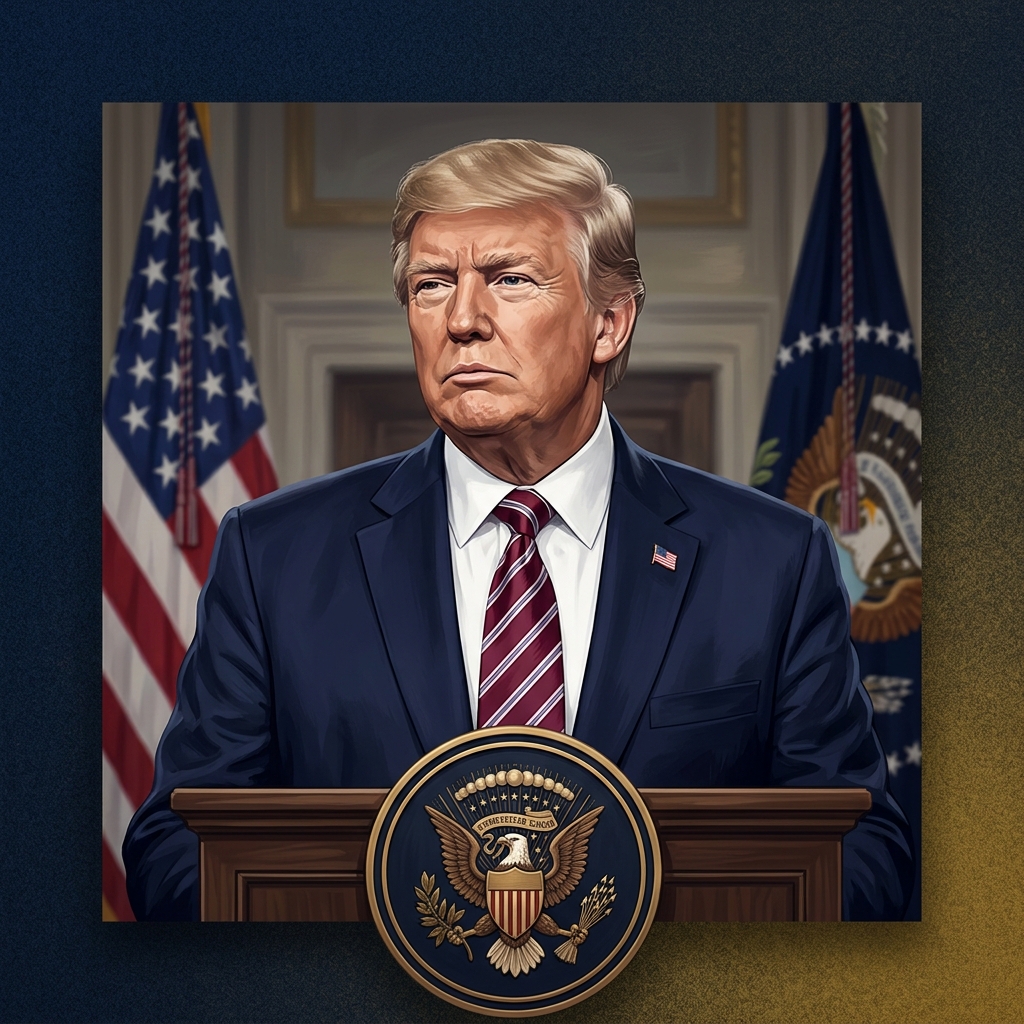
Trump administration
VS
Families of alleged victims

The Trump administration and the families of alleged victims are in conflict over the administration's boat strike campaign, which it says targets 'narcoterrorists.' The families, however, fear that innocent fishermen have been among those killed.
The disagreement centers on the accuracy of the targeting and the human cost of the military operations.
The administration maintains that its strikes are aimed at drug traffickers, while the families contend that the campaign has resulted in civilian casualties, including fishermen who were not involved in narcotics activities.
This dispute raises questions about the precision of the military's intelligence and the extent to which civilian lives are being protected during these operations.
*AI-generated summary of publicly available data. This is not an official statement of any party.
*AI-generated summary of publicly available statements and reporting. This is not an official statement of this party.
Supporters of the Trump administration argue that the campaign upholds national order by targeting narcoterrorists, a necessary cultural defense of sovereignty against lawless cartels, though they acknowledge the tragic ambiguity for fishing families.
Supporters of the Trump administration argue that the campaign upholds cultural order by defending coastal communities against narco-terrorism, viewing precision strikes as preserving traditional livelihoods from criminal encroachment.
Supporters of the Trump administration counter that inherited fishing traditions must yield to federal maritime law, which prioritizes national security over regional customs.
Supporters of Trump administration argue that the boat strike campaign operates within lawful military targeting, grounded in the executive’s authority to combat narcoterrorism.
Supporters of the Trump administration argue that the boat strike campaign operates within lawful rules of engagement, targeting verified narcoterrorists under national security authority.
Supporters of the Trump administration counter that legal accountability is grounded in the 2025 emergency declaration, which grants the executive authority to classify maritime threats under narcoterrorism statutes without public evidentiary disclosure.
Supporters of the Trump administration argue the campaign’s value is measured by disrupted narcotics flows, not by unverifiable family claims, and they treat any civilian toll as an acceptable cost of deterring cartel violence.
Supporters of Trump administration argue the campaign’s kill-count validates its targeting, dismissing family accounts as unverifiable grief that cannot outweigh the strategic need to disrupt narcoterrorist networks.
Supporters of the Trump administration counter that unverified claims are standard wartime fog, and the strikes aimed at degrading Houthi capability, not polling; fishermen’s losses, while tragic, are the predictable cost of a maritime threat the prior administration left unaddre.
Supporters of the Trump administration argue that targeting narcoterrorists at sea upholds a moral duty to protect national security and public safety.
Supporters of the Trump administration argue that the campaign’s moral duty is to halt narco-terrorism, viewing collateral risk as a tragic but necessary cost in defending national security and public safety.
Supporters of the Trump administration counter that moral duty flows first to protecting American lives, and that battlefield labels like “combatant” reflect verified intelligence, not presumption.
Supporters of the Trump administration argue that scripture commands civil authorities to wield the sword against evil, viewing the boat strikes as a righteous act of separating narcoterrorists from innocent fishermen.
Supporters of the Trump administration argue that its campaign upholds divine justice by targeting narcoterrorists, viewing the strikes as a righteous defense against evil.
Supporters of the Trump administration counter that divine worth also demands the protection of the innocent, citing scripture’s call to restrain evil and safeguard the vulnerable, which the campaign’s precision targeting serves.
*AI-generated summary of publicly available statements and reporting. This is not an official statement of this party.
Supporters of the Families of alleged victims argue that the campaign erases their coastal communities' generational identity as fishermen, a cultural lifeline threatened by each strike.
Supporters of Families of alleged victims argue that the campaign disregards the cultural fabric of coastal communities, where fishing is a generational livelihood, not a guise for narcoterrorism.
Supporters of Families of alleged victims counter that cultural sovereignty must protect everyday fishermen, not just borders, and challenge the claim that cartel targets justify collective suspicion.
Supporters of Families of alleged victims argue that the administration’s targeting lacks legal accountability, as it fails to provide transparent evidence distinguishing fishermen from narcoterrorists.
Supporters of Families of alleged victims argue that the boat strikes violate legal safeguards requiring verifiable identification before lethal force, pointing to the administration's failure to publicly distinguish combatants from fishermen as evidence of unlawful targeting.
Supporters of Families of alleged victims counter that executive authority does not override legal due-process requirements, arguing the campaign lacks judicial oversight and clear rules of engagement under domestic and international law.
Supporters of Families of alleged victims argue that Trump’s strikes serve political optics, not precision, since the administration’s targeting claims lack independent verification, leaving fishermen as expendable collateral in a war for public approval.
Supporters of the Families of alleged victims argue that the Trump administration's targeting rewards political optics over proof, as the cost of a mistaken strike falls on the powerless while the narrative of victory protects those who authorized it.
Supporters of Families of alleged victims counter that measurable narcotics disruptions serve regime interests, not justice, and that unverifiable claims conveniently shield the administration from accountability.
Supporters of Families of alleged victims argue that empirical uncertainty over who was killed imposes a moral duty to verify each strike’s toll, not presume guilt from labels.
Supporters of Families of alleged victims argue that empirical evidence of civilian casualties demands a moral duty to verify targets before lethal force, as no data confirms every boat struck held narcoterrorists.
Supporters of Families of alleged victims counter that national security claims do not erase the moral duty to verify targets, arguing that lethal force at sea without transparent evidence risks civilian casualties and repeats past tragedies.
Supporters of Families of alleged victims argue that every life bears divine worth, and they invoke sacred scripture to question whether the campaign’s targeting honors that truth.
Supporters of Families of alleged victims argue that every life bears divine worth, citing their faith to insist that innocent fishermen deserve dignity and mourning, not dismissal as mere collateral in the campaign.
Supporters of Families of alleged victims counter that scripture also demands mercy and due process, challenging the claim that boat strikes align with divine justice.
AI-generated summary of publicly available statements and reporting. This is not an official statement of this party.
Supporters of the Trump administration argue that the campaign upholds national order by targeting narcoterrorists, a necessary cultural defense of sovereignty against lawless cartels, though they acknowledge the tragic ambiguity for fishing families.
Supporters of the Trump administration argue that the campaign upholds cultural order by defending coastal communities against narco-terrorism, viewing precision strikes as preserving traditional livelihoods from criminal encroachment.
Supporters of the Trump administration counter that inherited fishing traditions must yield to federal maritime law, which prioritizes national security over regional customs.
Supporters of Trump administration argue that the boat strike campaign operates within lawful military targeting, grounded in the executive’s authority to combat narcoterrorism.
Supporters of the Trump administration argue that the boat strike campaign operates within lawful rules of engagement, targeting verified narcoterrorists under national security authority.
Supporters of the Trump administration counter that legal accountability is grounded in the 2025 emergency declaration, which grants the executive authority to classify maritime threats under narcoterrorism statutes without public evidentiary disclosure.
Supporters of the Trump administration argue the campaign’s value is measured by disrupted narcotics flows, not by unverifiable family claims, and they treat any civilian toll as an acceptable cost of deterring cartel violence.
Supporters of Trump administration argue the campaign’s kill-count validates its targeting, dismissing family accounts as unverifiable grief that cannot outweigh the strategic need to disrupt narcoterrorist networks.
Supporters of the Trump administration counter that unverified claims are standard wartime fog, and the strikes aimed at degrading Houthi capability, not polling; fishermen’s losses, while tragic, are the predictable cost of a maritime threat the prior administration left unaddre.
Supporters of the Trump administration argue that targeting narcoterrorists at sea upholds a moral duty to protect national security and public safety.
Supporters of the Trump administration argue that the campaign’s moral duty is to halt narco-terrorism, viewing collateral risk as a tragic but necessary cost in defending national security and public safety.
Supporters of the Trump administration counter that moral duty flows first to protecting American lives, and that battlefield labels like “combatant” reflect verified intelligence, not presumption.
Supporters of the Trump administration argue that scripture commands civil authorities to wield the sword against evil, viewing the boat strikes as a righteous act of separating narcoterrorists from innocent fishermen.
Supporters of the Trump administration argue that its campaign upholds divine justice by targeting narcoterrorists, viewing the strikes as a righteous defense against evil.
Supporters of the Trump administration counter that divine worth also demands the protection of the innocent, citing scripture’s call to restrain evil and safeguard the vulnerable, which the campaign’s precision targeting serves.
Supporters of the Families of alleged victims argue that the campaign erases their coastal communities' generational identity as fishermen, a cultural lifeline threatened by each strike.
Supporters of Families of alleged victims argue that the campaign disregards the cultural fabric of coastal communities, where fishing is a generational livelihood, not a guise for narcoterrorism.
Supporters of Families of alleged victims counter that cultural sovereignty must protect everyday fishermen, not just borders, and challenge the claim that cartel targets justify collective suspicion.
Supporters of Families of alleged victims argue that the administration’s targeting lacks legal accountability, as it fails to provide transparent evidence distinguishing fishermen from narcoterrorists.
Supporters of Families of alleged victims argue that the boat strikes violate legal safeguards requiring verifiable identification before lethal force, pointing to the administration's failure to publicly distinguish combatants from fishermen as evidence of unlawful targeting.
Supporters of Families of alleged victims counter that executive authority does not override legal due-process requirements, arguing the campaign lacks judicial oversight and clear rules of engagement under domestic and international law.
Supporters of Families of alleged victims argue that Trump’s strikes serve political optics, not precision, since the administration’s targeting claims lack independent verification, leaving fishermen as expendable collateral in a war for public approval.
Supporters of the Families of alleged victims argue that the Trump administration's targeting rewards political optics over proof, as the cost of a mistaken strike falls on the powerless while the narrative of victory protects those who authorized it.
Supporters of Families of alleged victims counter that measurable narcotics disruptions serve regime interests, not justice, and that unverifiable claims conveniently shield the administration from accountability.
Supporters of Families of alleged victims argue that empirical uncertainty over who was killed imposes a moral duty to verify each strike’s toll, not presume guilt from labels.
Supporters of Families of alleged victims argue that empirical evidence of civilian casualties demands a moral duty to verify targets before lethal force, as no data confirms every boat struck held narcoterrorists.
Supporters of Families of alleged victims counter that national security claims do not erase the moral duty to verify targets, arguing that lethal force at sea without transparent evidence risks civilian casualties and repeats past tragedies.
Supporters of Families of alleged victims argue that every life bears divine worth, and they invoke sacred scripture to question whether the campaign’s targeting honors that truth.
Supporters of Families of alleged victims argue that every life bears divine worth, citing their faith to insist that innocent fishermen deserve dignity and mourning, not dismissal as mere collateral in the campaign.
Supporters of Families of alleged victims counter that scripture also demands mercy and due process, challenging the claim that boat strikes align with divine justice.
While the Trump administration claims it has killed 'narcoterrorists', families fear fishermen are among the victims.