Trump administration
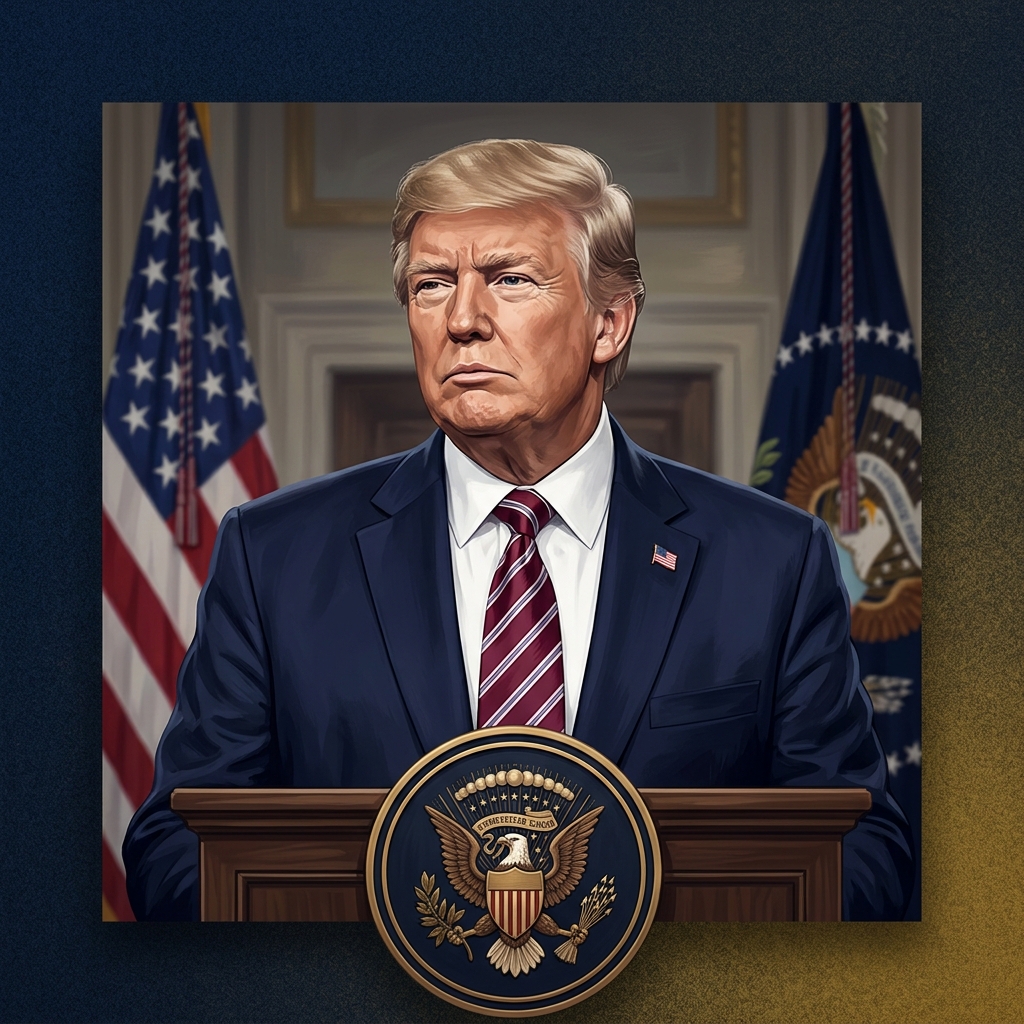
VS
Federal judge

The Trump administration and the federal judiciary are in conflict over the scope of executive power, particularly regarding immigration policy and court authority.
The Trump administration, led by President Donald Trump, has implemented restrictive immigration measures and has shown reluctance to comply with court orders, while federal judges, including those appointed by both parties, have issued rulings that challenge these actions.
The disagreement centers on whether the executive branch can unilaterally enforce policies that courts deem unconstitutional or unlawful.
Federal judges have struck down administration actions, such as the suspension of immigrant visas affecting 75 countries, and have criticized the administration's approach to judicial authority.
The administration has responded by dismissing court rulings and, in some cases, targeting judges it disagrees with, leading to a broader constitutional clash over the separation of powers.
The stakes are high, as these disputes test the limits of presidential power and the judiciary's role as a check on executive actions.
The conflict has drawn attention from lawmakers and legal experts, with some judges expressing concerns about the Supreme Court's handling of related cases.
*AI-generated summary of publicly available data. This is not an official statement of any party.
*AI-generated summary of publicly available statements and reporting. This is not an official statement of this party.
Supporters of Trump administration argue the visa suspension reflects a cultural duty to preserve national cohesion, viewing the ruling as judicial overreach that ignores historical precedent of wartime and security-era restrictions.
Supporters of the Trump administration view the judge's ruling as a break from historical precedent, arguing that past presidents have wielded similar visa suspensions as a sovereign cultural safeguard.
Supporters of the Trump administration counter that America’s cultural tradition is one of sovereign executive strength, not judicial supremacy, citing historical precedents where presidents acted decisively in national crises.
Supporters of the Trump administration argue the judge overstepped by substituting judicial policy for statutory text, which grants the executive broad authority over visa issuance.
Supporters of Trump administration argue the judge overstepped statutory authority, since Congress grants the executive broad discretion over visa issuance for national security.
Supporters of the Trump administration counter that the visa suspension falls squarely within the president’s statutory authority under 8 U.S.C. § 1182(f), which grants broad discretion to bar entry based on national-security judgments, not court-reviewed policy preferences.
Supporters of the Trump administration argue the judge's ruling is a blunt power grab, ignoring that visa suspensions are leverage in realpolitik, not just law. They maintain the executive alone holds the reins on entry, and courts overstepping undermine negotiation strength.
Supporters of the Trump administration argue the judge overstepped, treating a temporary security tool as a permanent right; they see the ruling as a power grab that will force the executive to litigate every border decision, weakening deterrence.
Supporters of the Trump administration counter that the ruling is not judicial supremacy but procedural obstruction, where a single Manhattan judge leverages courtroom timing to override elected executive authority on border policy.
Supporters of the Trump administration argue that the judge’s ruling ignores the moral duty of a sovereign nation to protect its borders, citing precedent that security concerns justify such restrictions.
Supporters of the Trump administration argue that history shows nations have always guarded their borders, and a president's moral duty is to protect citizens first, not to defer to an unelected judge.
Supporters of the Trump administration counter that moral duty is defined by the sovereign people’s elected will, not judicial conscience, citing historical precedent where executive action preserved national order over abstract dignity claims.
Supporters of the Trump administration argue that safeguarding national borders reflects a divine mandate for order, preserving the cultural and religious continuity of the nation against unchecked change.
Supporters of the Trump administration argue that the visa suspension upholds the biblical duty of nations to guard their borders and preserve order, viewing the judge’s ruling as a secular overreach against lawful executive authority.
Supporters of the Trump administration counter that divine law also commands order and lawful governance, as scripture instructs obedience to governing authorities, and that the executive’s duty to secure the nation’s borders reflects that same sacred charge.
*AI-generated summary of publicly available statements and reporting. This is not an official statement of this party.
Supporters of the federal judge maintain that the ruling upholds America’s legal and cultural tradition of due process, preserving the rule of law as a stabilizing national institution against executive overreach.
Supporters of Federal judge argue the ruling upholds America’s cultural tradition of lawful, ordered immigration, preserving judicial checks on executive overreach as a cornerstone of national stability.
Supporters of Federal judge counter that cultural cohesion is not served by exclusion, but by the nation’s longstanding tradition of due process and legal precedent, which courts have upheld even during security crises.
Supporters of the federal judge argue the ruling upholds statutory and procedural legality, as the visa suspension exceeded executive authority under immigration law, lacking evidence-based justification.
Supporters of the Federal judge argue the ruling upholds statutory and procedural legality, asserting the visa suspension exceeded executive authority under immigration law.
Supporters of the federal judge counter that statutory text requires procedural compliance, not deference, and that visa authority remains bounded by the Administrative Procedure Act’s notice-and-comment requirements.
Supporters of the federal judge argue the ruling is raw judicial leverage: courts check executive power not on principle, but because the bench holds the final say on legal procedure, and this Manhattan ruling proves the judiciary’s supremacy over presidential immigration edicts.
Supporters of the federal judge argue the ruling is raw power reasserted: courts check executive overreach by imposing legal costs, forcing the administration to recalculate its immigration gambit through litigation, not policy.
Supporters of the federal judge counter that the ruling is a check on raw executive leverage, not a judicial overreach; they argue that without a court enforcing statutory limits, visa suspensions become arbitrary tools of coercion, and the administration's negotiation strength r.
Supporters of Federal judge argue that no executive policy may override the moral duty to treat every person with inherent dignity, as written law and conscience require.
Supporters of the federal judge argue that the ruling upholds the moral duty of equal justice under divine law, where no executive policy may deny due process to the vulnerable.
Supporters of the Federal judge counter that a nation’s moral duty to protect borders cannot override its sacred duty to uphold justice and human dignity, as scripture commands impartial judgment for the stranger and the sojourner.
Supporters of Federal judge argue that the ruling upholds a sacred duty to treat the stranger with justice, citing scripture’s command to protect the vulnerable as divine law over executive decree.
Supporters of the federal judge argue that the ruling upholds divine law, which commands nations to welcome the stranger and protect the sojourner, as scripture teaches.
Supporters of Federal judge counter that divine law commands justice for the stranger, citing Leviticus 19:34, and that border rulings uphold mercy over fear, not disorder but sacred compassion for the sojourner.
AI-generated summary of publicly available statements and reporting. This is not an official statement of this party.
Supporters of Trump administration argue the visa suspension reflects a cultural duty to preserve national cohesion, viewing the ruling as judicial overreach that ignores historical precedent of wartime and security-era restrictions.
Supporters of the Trump administration view the judge's ruling as a break from historical precedent, arguing that past presidents have wielded similar visa suspensions as a sovereign cultural safeguard.
Supporters of the Trump administration counter that America’s cultural tradition is one of sovereign executive strength, not judicial supremacy, citing historical precedents where presidents acted decisively in national crises.
Supporters of the Trump administration argue the judge overstepped by substituting judicial policy for statutory text, which grants the executive broad authority over visa issuance.
Supporters of Trump administration argue the judge overstepped statutory authority, since Congress grants the executive broad discretion over visa issuance for national security.
Supporters of the Trump administration counter that the visa suspension falls squarely within the president’s statutory authority under 8 U.S.C. § 1182(f), which grants broad discretion to bar entry based on national-security judgments, not court-reviewed policy preferences.
Supporters of the Trump administration argue the judge's ruling is a blunt power grab, ignoring that visa suspensions are leverage in realpolitik, not just law. They maintain the executive alone holds the reins on entry, and courts overstepping undermine negotiation strength.
Supporters of the Trump administration argue the judge overstepped, treating a temporary security tool as a permanent right; they see the ruling as a power grab that will force the executive to litigate every border decision, weakening deterrence.
Supporters of the Trump administration counter that the ruling is not judicial supremacy but procedural obstruction, where a single Manhattan judge leverages courtroom timing to override elected executive authority on border policy.
Supporters of the Trump administration argue that the judge’s ruling ignores the moral duty of a sovereign nation to protect its borders, citing precedent that security concerns justify such restrictions.
Supporters of the Trump administration argue that history shows nations have always guarded their borders, and a president's moral duty is to protect citizens first, not to defer to an unelected judge.
Supporters of the Trump administration counter that moral duty is defined by the sovereign people’s elected will, not judicial conscience, citing historical precedent where executive action preserved national order over abstract dignity claims.
Supporters of the Trump administration argue that safeguarding national borders reflects a divine mandate for order, preserving the cultural and religious continuity of the nation against unchecked change.
Supporters of the Trump administration argue that the visa suspension upholds the biblical duty of nations to guard their borders and preserve order, viewing the judge’s ruling as a secular overreach against lawful executive authority.
Supporters of the Trump administration counter that divine law also commands order and lawful governance, as scripture instructs obedience to governing authorities, and that the executive’s duty to secure the nation’s borders reflects that same sacred charge.
Supporters of the federal judge maintain that the ruling upholds America’s legal and cultural tradition of due process, preserving the rule of law as a stabilizing national institution against executive overreach.
Supporters of Federal judge argue the ruling upholds America’s cultural tradition of lawful, ordered immigration, preserving judicial checks on executive overreach as a cornerstone of national stability.
Supporters of Federal judge counter that cultural cohesion is not served by exclusion, but by the nation’s longstanding tradition of due process and legal precedent, which courts have upheld even during security crises.
Supporters of the federal judge argue the ruling upholds statutory and procedural legality, as the visa suspension exceeded executive authority under immigration law, lacking evidence-based justification.
Supporters of the Federal judge argue the ruling upholds statutory and procedural legality, asserting the visa suspension exceeded executive authority under immigration law.
Supporters of the federal judge counter that statutory text requires procedural compliance, not deference, and that visa authority remains bounded by the Administrative Procedure Act’s notice-and-comment requirements.
Supporters of the federal judge argue the ruling is raw judicial leverage: courts check executive power not on principle, but because the bench holds the final say on legal procedure, and this Manhattan ruling proves the judiciary’s supremacy over presidential immigration edicts.
Supporters of the federal judge argue the ruling is raw power reasserted: courts check executive overreach by imposing legal costs, forcing the administration to recalculate its immigration gambit through litigation, not policy.
Supporters of the federal judge counter that the ruling is a check on raw executive leverage, not a judicial overreach; they argue that without a court enforcing statutory limits, visa suspensions become arbitrary tools of coercion, and the administration's negotiation strength r.
Supporters of Federal judge argue that no executive policy may override the moral duty to treat every person with inherent dignity, as written law and conscience require.
Supporters of the federal judge argue that the ruling upholds the moral duty of equal justice under divine law, where no executive policy may deny due process to the vulnerable.
Supporters of the Federal judge counter that a nation’s moral duty to protect borders cannot override its sacred duty to uphold justice and human dignity, as scripture commands impartial judgment for the stranger and the sojourner.
Supporters of Federal judge argue that the ruling upholds a sacred duty to treat the stranger with justice, citing scripture’s command to protect the vulnerable as divine law over executive decree.
Supporters of the federal judge argue that the ruling upholds divine law, which commands nations to welcome the stranger and protect the sojourner, as scripture teaches.
Supporters of Federal judge counter that divine law commands justice for the stranger, citing Leviticus 19:34, and that border rulings uphold mercy over fear, not disorder but sacred compassion for the sojourner.
US judges affirm migrants must have opportunities to voice safety concerns before deportation to unfamiliar nations.
A federal judge issued a temporary block on the Trump administration's new rules for mail-in ballots.
The Supreme Court declined the Trump administration's request to lift the federal judge's temporary block on the mail-in ballot restrictions.
A US federal judge blocked a Trump administration rule imposing fixed limits on how long foreign students, exchange visitors, and foreign media representatives may stay in the United States.
A federal judge criticised the Trump government for attempting to infringe upon foreign students' rights to free speech.
Judge blocks rule implementing Trump plan to restrict mail-in voting
A US court has struck down the Trump administration’s decision to suspend issuing immigrant visas to people from 75 countries Read Full Article at RT.com
A federal judge in Manhattan ruled against the State Department's suspension of immigrant visas.
A senior Trump administration official named federal judges who issued rulings the president disagreed with as the 'worst of the worst,' escalating rhetoric against the judiciary.
Ten federal judges publicly criticized the Supreme Court's handling of cases involving the Trump administration, highlighting the contentious nature of these disputes.
A judge dismissed a Justice Department lawsuit against all 15 of Maryland's federal judges, delivering a legal blow to the Trump administration.
House Judiciary Committee members questioned why Judge Boasberg, an Obama appointee, kept being assigned Trump cases, reflecting tensions over judicial assignments.