Trump administration
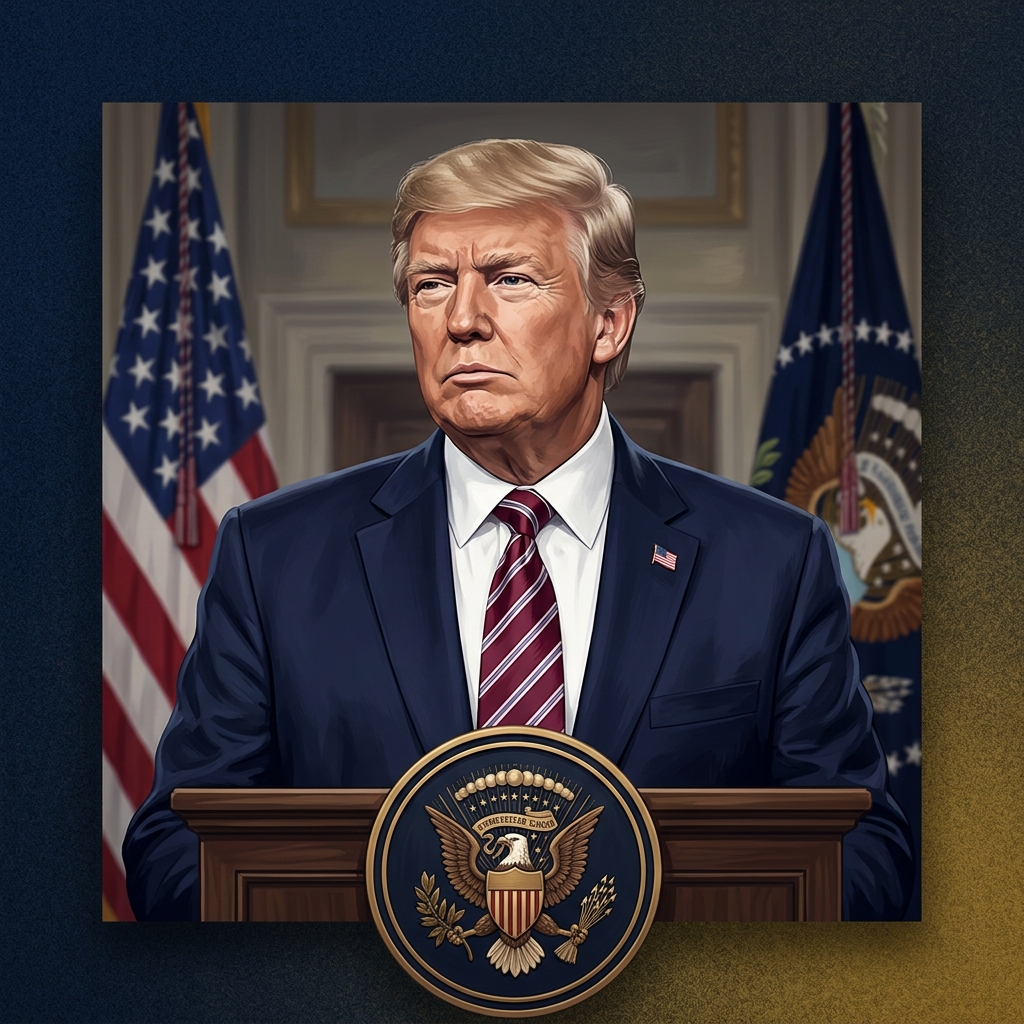
VS
FlokiNET

The Trump administration is attempting to take down a leak of ICE personnel data, while Icelandic web company FlokiNET has defended the publication, arguing it serves a legitimate public interest.
*AI-generated summary of publicly available data. This is not an official statement of any party.
*AI-generated summary of publicly available statements and reporting. This is not an official statement of this party.
Supporters of the Trump administration argue that shielding ICE personnel data reflects a cultural duty to protect public servants and their families from targeted harassment.
Supporters of the Trump administration argue that shielding ICE personnel data protects a cultural norm of official privacy and public-service safety, framing FlokiNET's transparency claim as a foreign challenge to that norm.
Supporters of the Trump administration counter that Iceland's small, homogeneous society offers no real model for a pluralistic nation, arguing that cultural independence there reflects insularity rather than a universal press standard.
Supporters of the Trump administration argue that leaked ICE personnel data exposes federal employees to targeted harassment, and they maintain that removing it is a lawful, narrowly tailored step to protect public safety rather than suppress legitimate information.
Supporters of the Trump administration argue that leaked ICE personnel data is unlawfully obtained private information, and that FlokiNET's public-interest defense does not override the government's legal duty to protect employees and remove the material.
Supporters of the Trump administration counter that lawful hosting under Icelandic law does not bar U.S. legal process, and that shielding ICE personnel data serves no recognized public-interest privilege.
Supporters of the Trump administration argue that sovereign control over sensitive personnel data outweighs a foreign host’s claimed public interest, framing FlokiNET’s defense as leverage against U.S. authority.
Supporters of the Trump administration argue that the leak’s takedown is about enforcing state authority and deterring future disclosures, framing FlokiNET’s “public interest” defense as a convenient shield for undermining government control.
Supporters of the Trump administration counter that jurisdiction-shopping cuts both ways: Iceland’s leverage lasts only until US subpoenas, payment rails, and market access make defiance costlier than compliance.
Supporters of the Trump administration argue that publishing leaked ICE personnel data endangers officers and their families, and they maintain that exposing private individuals to harm cannot be justified as a public good.
Supporters of the Trump administration argue that publishing leaked ICE personnel data endangers public servants and their families, and that protecting their safety is a moral duty that outweighs the claimed public interest.
Supporters of the Trump administration counter that doxxing ICE personnel is not transparency but a moral breach—exposing agents and their families to harassment and violence—so the public-interest claim cannot justify the harm.
Supporters of the Trump administration argue that protecting ICE personnel data upholds the moral duty to safeguard innocent workers and their families, invoking scripture's call to defend the vulnerable from harm.
Supporters of the Trump administration argue that protecting ICE personnel data upholds the moral duty to safeguard neighbors and lawful authority, citing scripture's call to defend the innocent and respect governing institutions.
Supporters of the Trump administration counter that accountable authority is ordained by God (Romans 13), so exposing state power outside lawful order defies divine mandate; in their view, conscience-bound transparency must submit to ordained governance.
*AI-generated summary of publicly available statements and reporting. This is not an official statement of this party.
Supporters of FlokiNET argue that Iceland's tradition of press freedom and cultural independence underpins the company's defense of publication as serving a legitimate public interest.
Supporters of FlokiNET argue that shielding the publication upholds Iceland's inherited tradition of press freedom, maintaining that cultural continuity of open discourse outweighs the administration's demand for removal.
Supporters of FlokiNET counter that shielding public servants' data erodes the cultural norm of government transparency, arguing that a free society's inherited traditions demand officials remain accountable to the public they serve.
FlokiNET’s supporters argue that Iceland’s legal protections for publishers make hosting lawful and that shielding ICE personnel data serves a legitimate public interest.
Supporters of FlokiNET argue that Icelandic jurisdiction shields the publication, and they maintain that a lawful public-interest justification outweighs the administration's takedown demand.
Supporters of FlokiNET counter that a removal order lacks the narrow tailoring the administration claims, since lawful publication of government-held records is protected and public-safety concerns must be met with evidence, not broad takedowns.
Supporters of FlokiNET argue that shielding the leak behind Iceland's jurisdiction is a calculated play for leverage, framing publication as "legitimate public interest" to make takedown costlier than accommodation.
Supporters of FlokiNET argue that shielding the ICE leak behind a "legitimate public interest" claim is a pragmatic play for jurisdiction: Iceland's protections give the host leverage the administration cannot easily reach.
Supporters of FlokiNET counter that sovereignty claims are a pretext: the same jurisdictions demanding control routinely leak or weaponize personnel data, so the real incentive is leverage over a host that won't comply, not data protection.
Supporters of FlokiNET argue that publishing the ICE personnel data serves a legitimate public interest, maintaining that transparency about government agents outweighs the administration's push for takedown.
Supporters of FlokiNET argue that exposing ICE personnel data serves a legitimate public interest, maintaining that transparency about government enforcement power outweighs the administration's interest in suppressing it.
Supporters of FlokiNET counter that the moral duty to expose state misconduct can outweigh speculative harm, arguing that shielding officials from accountability protects the institution rather than the individuals it endangers.
Supporters of FlokiNET argue that exposing state power serves a moral duty of accountability, holding that conscience-bound transparency outweighs institutional secrecy.
Supporters of FlokiNET invoke a moral duty to shelter the vulnerable, arguing that conscience and religious principle can justify shielding leaked data when authorities pursue it.
Supporters of FlokiNET counter that shielding state power from scrutiny inverts scripture's call to defend the vulnerable, since the duty to protect the innocent rests with those without power, not the enforcers.
AI-generated summary of publicly available statements and reporting. This is not an official statement of this party.
Supporters of the Trump administration argue that shielding ICE personnel data reflects a cultural duty to protect public servants and their families from targeted harassment.
Supporters of the Trump administration argue that shielding ICE personnel data protects a cultural norm of official privacy and public-service safety, framing FlokiNET's transparency claim as a foreign challenge to that norm.
Supporters of the Trump administration counter that Iceland's small, homogeneous society offers no real model for a pluralistic nation, arguing that cultural independence there reflects insularity rather than a universal press standard.
Supporters of the Trump administration argue that leaked ICE personnel data exposes federal employees to targeted harassment, and they maintain that removing it is a lawful, narrowly tailored step to protect public safety rather than suppress legitimate information.
Supporters of the Trump administration argue that leaked ICE personnel data is unlawfully obtained private information, and that FlokiNET's public-interest defense does not override the government's legal duty to protect employees and remove the material.
Supporters of the Trump administration counter that lawful hosting under Icelandic law does not bar U.S. legal process, and that shielding ICE personnel data serves no recognized public-interest privilege.
Supporters of the Trump administration argue that sovereign control over sensitive personnel data outweighs a foreign host’s claimed public interest, framing FlokiNET’s defense as leverage against U.S. authority.
Supporters of the Trump administration argue that the leak’s takedown is about enforcing state authority and deterring future disclosures, framing FlokiNET’s “public interest” defense as a convenient shield for undermining government control.
Supporters of the Trump administration counter that jurisdiction-shopping cuts both ways: Iceland’s leverage lasts only until US subpoenas, payment rails, and market access make defiance costlier than compliance.
Supporters of the Trump administration argue that publishing leaked ICE personnel data endangers officers and their families, and they maintain that exposing private individuals to harm cannot be justified as a public good.
Supporters of the Trump administration argue that publishing leaked ICE personnel data endangers public servants and their families, and that protecting their safety is a moral duty that outweighs the claimed public interest.
Supporters of the Trump administration counter that doxxing ICE personnel is not transparency but a moral breach—exposing agents and their families to harassment and violence—so the public-interest claim cannot justify the harm.
Supporters of the Trump administration argue that protecting ICE personnel data upholds the moral duty to safeguard innocent workers and their families, invoking scripture's call to defend the vulnerable from harm.
Supporters of the Trump administration argue that protecting ICE personnel data upholds the moral duty to safeguard neighbors and lawful authority, citing scripture's call to defend the innocent and respect governing institutions.
Supporters of the Trump administration counter that accountable authority is ordained by God (Romans 13), so exposing state power outside lawful order defies divine mandate; in their view, conscience-bound transparency must submit to ordained governance.
Supporters of FlokiNET argue that Iceland's tradition of press freedom and cultural independence underpins the company's defense of publication as serving a legitimate public interest.
Supporters of FlokiNET argue that shielding the publication upholds Iceland's inherited tradition of press freedom, maintaining that cultural continuity of open discourse outweighs the administration's demand for removal.
Supporters of FlokiNET counter that shielding public servants' data erodes the cultural norm of government transparency, arguing that a free society's inherited traditions demand officials remain accountable to the public they serve.
FlokiNET’s supporters argue that Iceland’s legal protections for publishers make hosting lawful and that shielding ICE personnel data serves a legitimate public interest.
Supporters of FlokiNET argue that Icelandic jurisdiction shields the publication, and they maintain that a lawful public-interest justification outweighs the administration's takedown demand.
Supporters of FlokiNET counter that a removal order lacks the narrow tailoring the administration claims, since lawful publication of government-held records is protected and public-safety concerns must be met with evidence, not broad takedowns.
Supporters of FlokiNET argue that shielding the leak behind Iceland's jurisdiction is a calculated play for leverage, framing publication as "legitimate public interest" to make takedown costlier than accommodation.
Supporters of FlokiNET argue that shielding the ICE leak behind a "legitimate public interest" claim is a pragmatic play for jurisdiction: Iceland's protections give the host leverage the administration cannot easily reach.
Supporters of FlokiNET counter that sovereignty claims are a pretext: the same jurisdictions demanding control routinely leak or weaponize personnel data, so the real incentive is leverage over a host that won't comply, not data protection.
Supporters of FlokiNET argue that publishing the ICE personnel data serves a legitimate public interest, maintaining that transparency about government agents outweighs the administration's push for takedown.
Supporters of FlokiNET argue that exposing ICE personnel data serves a legitimate public interest, maintaining that transparency about government enforcement power outweighs the administration's interest in suppressing it.
Supporters of FlokiNET counter that the moral duty to expose state misconduct can outweigh speculative harm, arguing that shielding officials from accountability protects the institution rather than the individuals it endangers.
Supporters of FlokiNET argue that exposing state power serves a moral duty of accountability, holding that conscience-bound transparency outweighs institutional secrecy.
Supporters of FlokiNET invoke a moral duty to shelter the vulnerable, arguing that conscience and religious principle can justify shielding leaked data when authorities pursue it.
Supporters of FlokiNET counter that shielding state power from scrutiny inverts scripture's call to defend the vulnerable, since the duty to protect the innocent rests with those without power, not the enforcers.
An Icelandic web company, FlokiNET, has defended the data's publication as satisfying a 'legitimate' public interest.