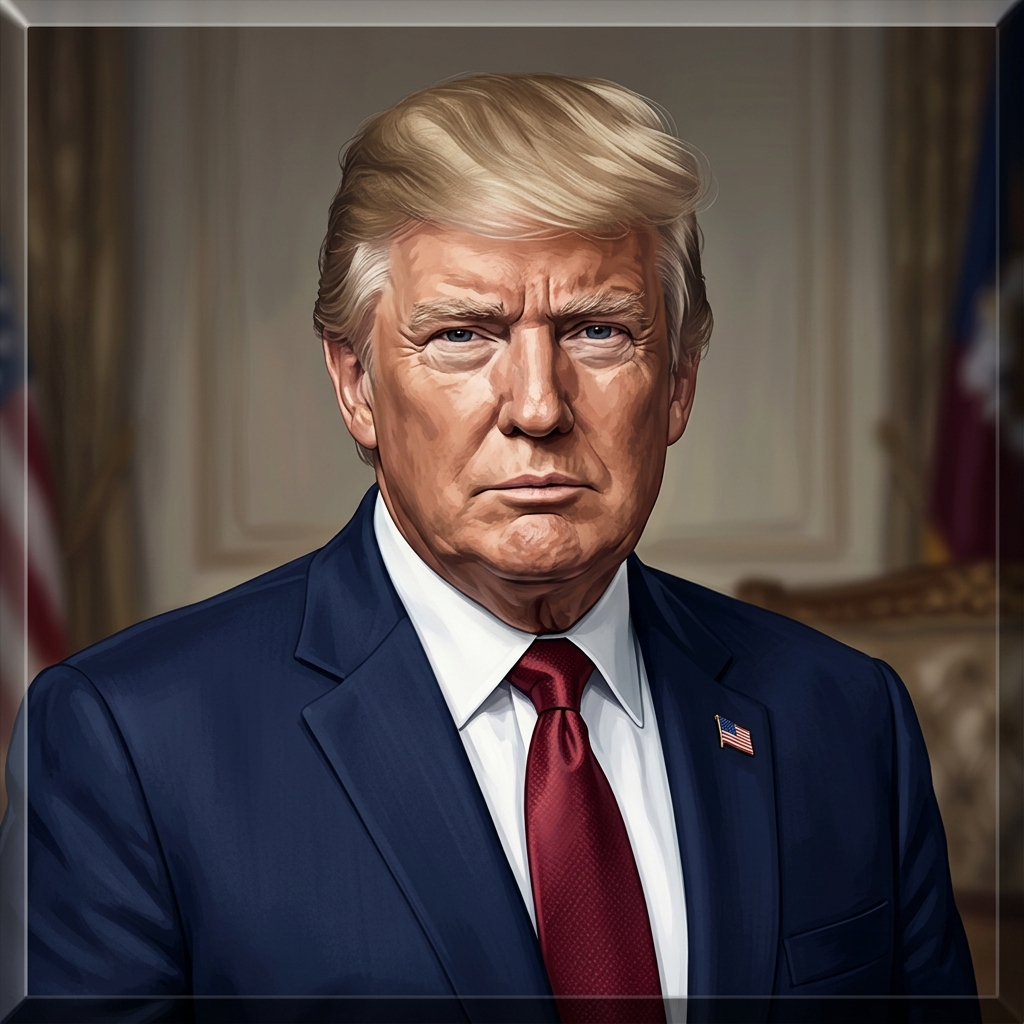
Trump administration
VS
Fuel price pressure
?
No actors in this side.
No actors in this side.
US President Donald Trump has pursued a deal with Russia amid mounting pressure to lower fuel prices ahead of next month's midterm elections.
The article examines the political and economic motivations behind the move.
*AI-generated summary of publicly available data. This is not an official statement of any party.
*AI-generated summary of publicly available statements and reporting. This is not an official statement of this party.
Supporters of the Trump administration argue that securing a Russia deal to ease fuel prices protects working families and preserves the nation's economic stability ahead of the midterms.
Supporters of the Trump administration argue that stabilizing fuel prices protects working families and preserves the nation's economic order, and they maintain that pragmatic diplomacy with Russia serves American households ahead of the midterms.
Supporters of the Trump administration counter that cheap fuel isn't an entitlement but a byproduct of American energy dominance, and that restoring domestic production honors the working-class culture critics claim to defend.
Supporters of the Trump administration argue that pursuing a Russia deal to ease fuel prices is a lawful exercise of executive foreign policy and market diplomacy, not improper electioneering.
Supporters of the Trump administration argue that seeking a Russia deal to lower fuel prices is a lawful exercise of executive foreign policy power, and that voters, not courts, should judge the move at the midterms.
Supporters of the Trump administration counter that sanctions relief is a lawful presidential prerogative, so courts cannot bar a policy choice Congress left to executive discretion.
Supporters of Trump administration argue that easing fuel prices via a Russia deal is pragmatic leverage: cheap gas buys votes before the midterms, and power, not principle, decides outcomes.
Supporters of the Trump administration argue that easing fuel prices ahead of the midterms is leverage: cheaper gas buys votes, and a Russia deal is a pragmatic tool to secure it, regardless of optics.
Supporters of Trump administration counter that sanctions relief is leverage, not surrender: cheaper Russian barrels split OPEC, weaken Moscow's grip on Europe, and let the White House dictate terms from strength.
Supporters of the Trump administration argue that easing fuel prices through a Russia deal is a moral duty to relieve struggling families before the midterms.
Supporters of Trump administration argue that seeking a Russia deal to ease fuel prices serves voters' economic welfare before the midterms, prioritizing household relief over political optics.
Supporters of Trump administration counter that lowering pump costs serves families' God-given stewardship over their households, and that moral duty to relieve suffering voters outweighs abstract principle.
Supporters of the Trump administration argue that easing fuel prices reflects a moral duty of stewardship—keeping families and communities stable—and invoke religious traditions that honor orderly, provident governance over disruption.
Supporters of the Trump administration argue that easing fuel prices through diplomacy upholds stewardship of creation, since affordable energy sustains families and communities ordered toward stability and care for the vulnerable.
Supporters of the Trump administration counter that Proverbs also teaches diligence and prudent stewardship, so securing affordable fuel for families is a moral duty, not a compromise of integrity.
*AI-generated summary of publicly available statements and reporting. This is not an official statement of this party.
Supporters of Fuel price pressure argue that cheap fuel is a cultural staple of American life, and they point to past midterms where pump prices swayed working-class voters as precedent for treating relief as a ritual of accountability.
Supporters of Fuel price pressure argue that cheap fuel has become a cultural expectation in American life, and they point to past election cycles as precedent that voters punish leaders when pump prices rise.
Supporters of Fuel price pressure counter that cheap fuel bought through a Russia deal trades away cultural sovereignty, echoing past bargains where short-term relief let foreign powers shape domestic life.
Supporters of Fuel price pressure argue that legal accountability should bar easing sanctions on Russia solely to cut gas prices before elections, since such a trade sacrifices environmental and geopolitical safeguards for short-term political gain.
Supporters of Fuel price pressure argue that trading sanctions relief for Russian oil to cut pump prices ahead of the midterms bypasses Congress, exceeding executive legal authority.
Supporters of Fuel price pressure counter that election law still bars a candidate from soliciting a foreign government's help, so a Russia deal tied to falling pump prices raises campaign-finance exposure regardless of its foreign-policy framing.
Supporters of Fuel price pressure argue that Trump's Russia outreach is pure electoral calculus: voters punish high pump prices, so he trades geopolitical leverage for cheaper oil before the midterms.
Supporters of Fuel price pressure argue that Trump's Russia deal is pure electoral math: lower pump prices buy votes in October, and Moscow gains leverage over a president who needs a win.
Supporters of Fuel price pressure counter that cheap gas is a temporary concession, not durable leverage; Moscow can restore cuts once votes are banked, leaving the administration exposed to a worse price shock it cannot control.
Supporters of Fuel price pressure argue that shaping a Russia deal to cut pump costs before the midterms puts electoral gain above principle, treating voters' wallets as a lever rather than a moral end.
Supporters of Fuel price pressure argue that easing fuel costs via a Russia deal trades long-term energy innovation for short-term political gain, prioritizing electoral convenience over durable technological progress.
Supporters of Fuel price pressure counter that a moral duty cannot be bought with a deal that rewards an adversary; they argue relief earned by appeasing Russia betrays the very families it claims to help.
Supporters of Fuel price pressure argue that scripture warns against dishonest scales and unjust measures, so easing fuel costs through backroom deals with Russia risks trading integrity for political gain, which they see as morally indefensible.
Supporters of Fuel price pressure argue that easing costs for struggling families reflects scriptural mandates to care for the poor and steward creation, maintaining that policy should honor these moral duties.
Supporters of Fuel price pressure counter that stewardship language rings hollow when policy prioritizes extraction over neighbor-love, noting that religious tradition also calls for protecting the vulnerable from harm, not merely managing prices.
AI-generated summary of publicly available statements and reporting. This is not an official statement of this party.
Supporters of the Trump administration argue that securing a Russia deal to ease fuel prices protects working families and preserves the nation's economic stability ahead of the midterms.
Supporters of the Trump administration argue that stabilizing fuel prices protects working families and preserves the nation's economic order, and they maintain that pragmatic diplomacy with Russia serves American households ahead of the midterms.
Supporters of the Trump administration counter that cheap fuel isn't an entitlement but a byproduct of American energy dominance, and that restoring domestic production honors the working-class culture critics claim to defend.
Supporters of the Trump administration argue that pursuing a Russia deal to ease fuel prices is a lawful exercise of executive foreign policy and market diplomacy, not improper electioneering.
Supporters of the Trump administration argue that seeking a Russia deal to lower fuel prices is a lawful exercise of executive foreign policy power, and that voters, not courts, should judge the move at the midterms.
Supporters of the Trump administration counter that sanctions relief is a lawful presidential prerogative, so courts cannot bar a policy choice Congress left to executive discretion.
Supporters of Trump administration argue that easing fuel prices via a Russia deal is pragmatic leverage: cheap gas buys votes before the midterms, and power, not principle, decides outcomes.
Supporters of the Trump administration argue that easing fuel prices ahead of the midterms is leverage: cheaper gas buys votes, and a Russia deal is a pragmatic tool to secure it, regardless of optics.
Supporters of Trump administration counter that sanctions relief is leverage, not surrender: cheaper Russian barrels split OPEC, weaken Moscow's grip on Europe, and let the White House dictate terms from strength.
Supporters of the Trump administration argue that easing fuel prices through a Russia deal is a moral duty to relieve struggling families before the midterms.
Supporters of Trump administration argue that seeking a Russia deal to ease fuel prices serves voters' economic welfare before the midterms, prioritizing household relief over political optics.
Supporters of Trump administration counter that lowering pump costs serves families' God-given stewardship over their households, and that moral duty to relieve suffering voters outweighs abstract principle.
Supporters of the Trump administration argue that easing fuel prices reflects a moral duty of stewardship—keeping families and communities stable—and invoke religious traditions that honor orderly, provident governance over disruption.
Supporters of the Trump administration argue that easing fuel prices through diplomacy upholds stewardship of creation, since affordable energy sustains families and communities ordered toward stability and care for the vulnerable.
Supporters of the Trump administration counter that Proverbs also teaches diligence and prudent stewardship, so securing affordable fuel for families is a moral duty, not a compromise of integrity.
Supporters of Fuel price pressure argue that cheap fuel is a cultural staple of American life, and they point to past midterms where pump prices swayed working-class voters as precedent for treating relief as a ritual of accountability.
Supporters of Fuel price pressure argue that cheap fuel has become a cultural expectation in American life, and they point to past election cycles as precedent that voters punish leaders when pump prices rise.
Supporters of Fuel price pressure counter that cheap fuel bought through a Russia deal trades away cultural sovereignty, echoing past bargains where short-term relief let foreign powers shape domestic life.
Supporters of Fuel price pressure argue that legal accountability should bar easing sanctions on Russia solely to cut gas prices before elections, since such a trade sacrifices environmental and geopolitical safeguards for short-term political gain.
Supporters of Fuel price pressure argue that trading sanctions relief for Russian oil to cut pump prices ahead of the midterms bypasses Congress, exceeding executive legal authority.
Supporters of Fuel price pressure counter that election law still bars a candidate from soliciting a foreign government's help, so a Russia deal tied to falling pump prices raises campaign-finance exposure regardless of its foreign-policy framing.
Supporters of Fuel price pressure argue that Trump's Russia outreach is pure electoral calculus: voters punish high pump prices, so he trades geopolitical leverage for cheaper oil before the midterms.
Supporters of Fuel price pressure argue that Trump's Russia deal is pure electoral math: lower pump prices buy votes in October, and Moscow gains leverage over a president who needs a win.
Supporters of Fuel price pressure counter that cheap gas is a temporary concession, not durable leverage; Moscow can restore cuts once votes are banked, leaving the administration exposed to a worse price shock it cannot control.
Supporters of Fuel price pressure argue that shaping a Russia deal to cut pump costs before the midterms puts electoral gain above principle, treating voters' wallets as a lever rather than a moral end.
Supporters of Fuel price pressure argue that easing fuel costs via a Russia deal trades long-term energy innovation for short-term political gain, prioritizing electoral convenience over durable technological progress.
Supporters of Fuel price pressure counter that a moral duty cannot be bought with a deal that rewards an adversary; they argue relief earned by appeasing Russia betrays the very families it claims to help.
Supporters of Fuel price pressure argue that scripture warns against dishonest scales and unjust measures, so easing fuel costs through backroom deals with Russia risks trading integrity for political gain, which they see as morally indefensible.
Supporters of Fuel price pressure argue that easing costs for struggling families reflects scriptural mandates to care for the poor and steward creation, maintaining that policy should honor these moral duties.
Supporters of Fuel price pressure counter that stewardship language rings hollow when policy prioritizes extraction over neighbor-love, noting that religious tradition also calls for protecting the vulnerable from harm, not merely managing prices.
Upcoming midterm elections that the president hopes to influence by easing fuel prices.