Trump administration
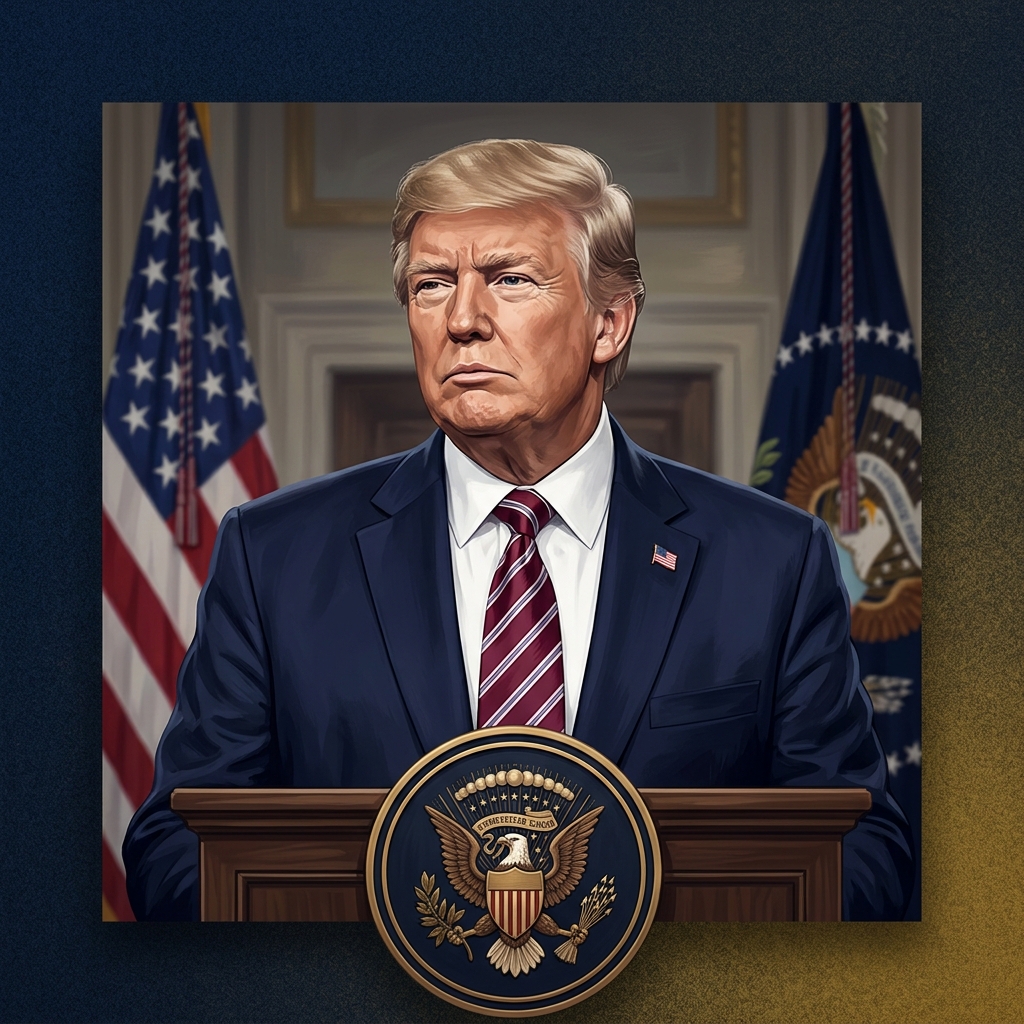
VS
Germany and France


The Trump administration is the executive branch of the United States federal government, led by President Donald Trump.
Germany and France are two of the largest economies in the European Union and maintain their own national emergency diesel reserves.
The United States is a major exporter of refined fuels, while Germany and France rely on a mix of domestic production and imports to meet their energy needs.
The conflict centers on a demand from the Trump administration that Germany and France draw down their emergency diesel inventories to help ease global fuel prices.
Washington has warned that if the two countries do not comply, it may impose a ban on US diesel exports.
Germany and France, along with other European countries, have pushed back, agreeing on an 'assertive' response to what they view as US pressure on their strategic reserves.
The dispute raises questions about energy security and the use of emergency stockpiles.
The Trump administration is considering an export ban to help bring down US fuel prices, while European nations are concerned about the implications for their own supply security and the precedent of releasing reserves under external pressure.
*AI-generated summary of publicly available data. This is not an official statement of any party.
*AI-generated summary of publicly available statements and reporting. This is not an official statement of this party.
Supporters of the Trump administration argue that Germany and France should tap their own emergency diesel reserves first, framing the demand as a matter of national interest and fair burden-sharing rather than US obligation.
Supporters of the Trump administration argue that America’s energy output is a national asset, and that allies relying on it must share the burden rather than hoard reserves while US consumers face higher prices.
Supporters of the Trump administration counter that Europe's cultural attachment to sovereignty rings hollow while it relies on Russian pipelines and OPEC oil, so releasing diesel stocks merely reflects the reality that energy security rests on alliances, not autarky.
Supporters of the Trump administration argue that sovereign states retain the legal right to condition exports on foreign market liberalization, pressing Germany and France to release emergency diesel stocks as a lawful exercise of US trade authority.
Supporters of the Trump administration argue that release of Germany and France's emergency diesel stocks is a lawful, voluntary market-calming step, and that any US export restriction remains a sovereign option, not a treaty obligation.
Supporters of the Trump administration counter that US export controls are a lawful sovereign tool under federal law, so conditioning access on reserve releases is a legitimate exercise of American authority, not an illegal override.
Supporters of the Trump administration argue that leverage over allied fuel reserves is fair play: if Europe wants US diesel, it must release its own emergency stocks first.
Supporters of the Trump administration argue that US diesel exports are leverage: allies relying on American fuel must share the burden, and refusal invites an export ban that protects US consumers first.
Supporters of Trump administration counter that reserves are only leverage if usable, and US pressure exposes that Germany and France lack alternative suppliers, so holding stocks signals weakness rather than bargaining power.
Supporters of the Trump administration argue that America's wartime precedent of shared sacrifice makes it morally inconsistent for allies to hoard emergency diesel while US consumers absorb record prices.
Supporters of the Trump administration argue that pressuring Germany and France to release emergency diesel stocks is a moral duty to ease global fuel prices for struggling consumers, framing burden-sharing as fair.
Supporters of the Trump administration counter that hoarding fuel while allies face a wartime energy shock betrays the moral duty of partnership, since reserves held in common defense exist to be shared in crisis, not fenced off.
Supporters of the Trump administration argue that scripture's call to steward resources for the common good justifies pressing Germany and France to release emergency diesel stocks, framing the demand as moral duty amid global fuel scarcity.
Supporters of the Trump administration argue that stewardship of creation and neighborly love justify pressing Germany and France to release emergency diesel stocks, since easing fuel prices serves the vulnerable.
Supporters of the Trump administration counter that Scripture also warns against hoarding grain while others starve (Prov 11:26), so shared reserves honor God's call to feed the hungry.
*AI-generated summary of publicly available statements and reporting. This is not an official statement of this party.
Supporters of Germany and France argue that releasing emergency diesel stocks under US pressure sets a precedent of external powers dictating Europe's energy security, echoing historical fears of dependence on outside suppliers.
Supporters of Germany and France argue that ceding emergency fuel reserves to foreign pressure erodes the sovereignty their postwar energy institutions were built to protect, recalling past crises where outside dictates left Europe exposed.
Supporters of Germany and France counter that burden-sharing language ignores how both nations rebuilt postwar industry and identity around collective institutions, so appeals to narrow national interest miss the cultural premise of their alliance.
Supporters of Germany and France argue that a US demand to release their emergency diesel stocks, backed by an export-ban threat, exceeds any legal authority and wrongly overrides national sovereignty over strategic reserves.
Supporters of Germany and France argue that sovereign control over national emergency reserves is a legal matter, not one subject to foreign ultimatum, and that stockpiles held under EU law exist for domestic supply security, not to serve another state's price goals.
Supporters of Germany and France counter that WTO rules bar export-conditioning on foreign market liberalization, so the diesel-stock demand exceeds lawful US trade authority.
Supporters of Germany and France argue that ceding emergency diesel stocks to US pressure trades sovereign leverage for temporary calm, and that holding reserves preserves their bargaining power.
Supporters of Germany and France argue that ceding emergency diesel stocks to US pressure trades sovereign leverage for temporary price relief, and that holding reserves preserves their bargaining power.
Supporters of Germany and France counter that leverage cuts both ways: the US needs allied ports, bases, and sanctions cooperation more than Europe needs its diesel, so they can hold reserves and wait.
Supporters of Germany and France argue that yielding emergency diesel reserves to foreign pressure would breach their duty to protect citizens' energy security, since those stocks exist for domestic crises, not market smoothing.
Supporters of Germany and France argue that Washington's demand to drain their emergency diesel reserves, under threat of an export ban, wrongly pressures them to surrender sovereign energy security for another nation's fuel prices.
Supporters of Germany and France counter that moral appeals to shared sacrifice ring hollow when the US itself has not joined the same emergency rationing it demands of allies.
Supporters of Germany and France argue that emergency fuel reserves are a trust held for their people's survival, and that Scripture's call to prudent stewardship of stored grain counsels keeping reserves intact rather than surrendering them to foreign pressure.
Supporters of Germany and France argue that emergency fuel reserves are a trust held for national survival, not tools for foreign price management, and that ceding such stewardship to outside demands erodes the inherited duty to protect one's own people.
Supporters of Germany and France counter that scripture also commands respect for the authority of nations and the orderly stewardship of their own people's needs, so they challenge the claim that outside pressure overrides sovereign duty.
AI-generated summary of publicly available statements and reporting. This is not an official statement of this party.
Supporters of the Trump administration argue that Germany and France should tap their own emergency diesel reserves first, framing the demand as a matter of national interest and fair burden-sharing rather than US obligation.
Supporters of the Trump administration argue that America’s energy output is a national asset, and that allies relying on it must share the burden rather than hoard reserves while US consumers face higher prices.
Supporters of the Trump administration counter that Europe's cultural attachment to sovereignty rings hollow while it relies on Russian pipelines and OPEC oil, so releasing diesel stocks merely reflects the reality that energy security rests on alliances, not autarky.
Supporters of the Trump administration argue that sovereign states retain the legal right to condition exports on foreign market liberalization, pressing Germany and France to release emergency diesel stocks as a lawful exercise of US trade authority.
Supporters of the Trump administration argue that release of Germany and France's emergency diesel stocks is a lawful, voluntary market-calming step, and that any US export restriction remains a sovereign option, not a treaty obligation.
Supporters of the Trump administration counter that US export controls are a lawful sovereign tool under federal law, so conditioning access on reserve releases is a legitimate exercise of American authority, not an illegal override.
Supporters of the Trump administration argue that leverage over allied fuel reserves is fair play: if Europe wants US diesel, it must release its own emergency stocks first.
Supporters of the Trump administration argue that US diesel exports are leverage: allies relying on American fuel must share the burden, and refusal invites an export ban that protects US consumers first.
Supporters of Trump administration counter that reserves are only leverage if usable, and US pressure exposes that Germany and France lack alternative suppliers, so holding stocks signals weakness rather than bargaining power.
Supporters of the Trump administration argue that America's wartime precedent of shared sacrifice makes it morally inconsistent for allies to hoard emergency diesel while US consumers absorb record prices.
Supporters of the Trump administration argue that pressuring Germany and France to release emergency diesel stocks is a moral duty to ease global fuel prices for struggling consumers, framing burden-sharing as fair.
Supporters of the Trump administration counter that hoarding fuel while allies face a wartime energy shock betrays the moral duty of partnership, since reserves held in common defense exist to be shared in crisis, not fenced off.
Supporters of the Trump administration argue that scripture's call to steward resources for the common good justifies pressing Germany and France to release emergency diesel stocks, framing the demand as moral duty amid global fuel scarcity.
Supporters of the Trump administration argue that stewardship of creation and neighborly love justify pressing Germany and France to release emergency diesel stocks, since easing fuel prices serves the vulnerable.
Supporters of the Trump administration counter that Scripture also warns against hoarding grain while others starve (Prov 11:26), so shared reserves honor God's call to feed the hungry.
Supporters of Germany and France argue that releasing emergency diesel stocks under US pressure sets a precedent of external powers dictating Europe's energy security, echoing historical fears of dependence on outside suppliers.
Supporters of Germany and France argue that ceding emergency fuel reserves to foreign pressure erodes the sovereignty their postwar energy institutions were built to protect, recalling past crises where outside dictates left Europe exposed.
Supporters of Germany and France counter that burden-sharing language ignores how both nations rebuilt postwar industry and identity around collective institutions, so appeals to narrow national interest miss the cultural premise of their alliance.
Supporters of Germany and France argue that a US demand to release their emergency diesel stocks, backed by an export-ban threat, exceeds any legal authority and wrongly overrides national sovereignty over strategic reserves.
Supporters of Germany and France argue that sovereign control over national emergency reserves is a legal matter, not one subject to foreign ultimatum, and that stockpiles held under EU law exist for domestic supply security, not to serve another state's price goals.
Supporters of Germany and France counter that WTO rules bar export-conditioning on foreign market liberalization, so the diesel-stock demand exceeds lawful US trade authority.
Supporters of Germany and France argue that ceding emergency diesel stocks to US pressure trades sovereign leverage for temporary calm, and that holding reserves preserves their bargaining power.
Supporters of Germany and France argue that ceding emergency diesel stocks to US pressure trades sovereign leverage for temporary price relief, and that holding reserves preserves their bargaining power.
Supporters of Germany and France counter that leverage cuts both ways: the US needs allied ports, bases, and sanctions cooperation more than Europe needs its diesel, so they can hold reserves and wait.
Supporters of Germany and France argue that yielding emergency diesel reserves to foreign pressure would breach their duty to protect citizens' energy security, since those stocks exist for domestic crises, not market smoothing.
Supporters of Germany and France argue that Washington's demand to drain their emergency diesel reserves, under threat of an export ban, wrongly pressures them to surrender sovereign energy security for another nation's fuel prices.
Supporters of Germany and France counter that moral appeals to shared sacrifice ring hollow when the US itself has not joined the same emergency rationing it demands of allies.
Supporters of Germany and France argue that emergency fuel reserves are a trust held for their people's survival, and that Scripture's call to prudent stewardship of stored grain counsels keeping reserves intact rather than surrendering them to foreign pressure.
Supporters of Germany and France argue that emergency fuel reserves are a trust held for national survival, not tools for foreign price management, and that ceding such stewardship to outside demands erodes the inherited duty to protect one's own people.
Supporters of Germany and France counter that scripture also commands respect for the authority of nations and the orderly stewardship of their own people's needs, so they challenge the claim that outside pressure overrides sovereign duty.
The Trump administration has told Germany and France to release emergency diesel stocks to help ease global fuel prices or face a potential US diesel export ban, three people close to the discussions said.
Countries including Britain, France, and Germany held an emergency meeting on Thursday to coordinate an 'assertive' response to the Trump administration's calls to release diesel reserves.