Trump administration
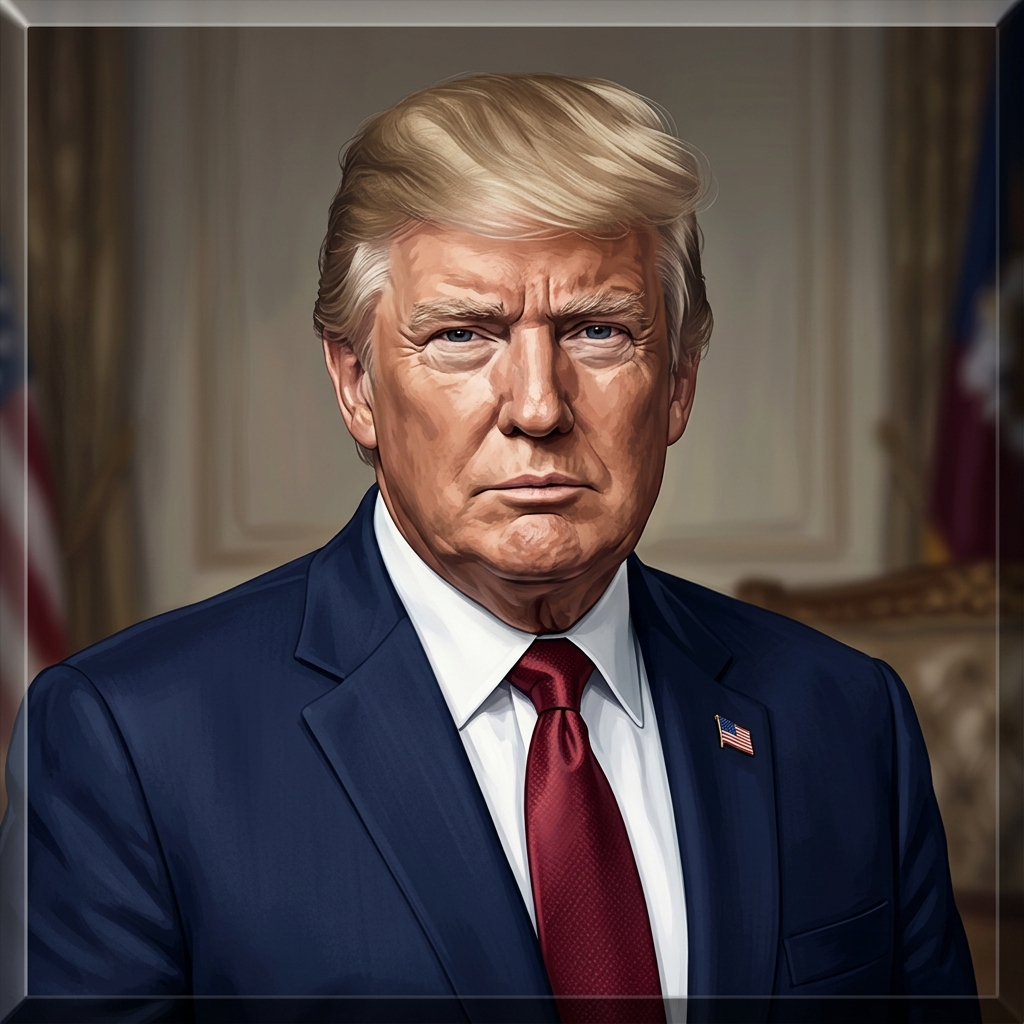
VS
Greenlandic authorities
?
No actors in this side.
No actors in this side.
The Trump administration represents the executive branch of the United States government, led by President Donald Trump, which has pursued expanded strategic and security interests in Greenland.
Greenlandic authorities represent the self-governing government of Greenland, an autonomous territory within the Kingdom of Denmark, which manages its own domestic affairs while Denmark retains responsibility for foreign and security policy.
The two sides have conflicting interests over Greenland's sovereignty and strategic status.
The Trump administration has expressed interest in acquiring or annexing Greenland and has sought permanent control over security matters there, citing national security concerns.
Greenlandic and Danish officials have expressed opposition to U.S. sovereignty over Greenland, with a top Danish official describing a "fundamental disagreement" with the Trump administration on the issue.
The dispute has drawn international attention, with U.S. officials including Vice President JD Vance repeating claims that Greenland is crucial to U.S. and global national security.
In December 2025, Trump appointed a U.S. special envoy to Greenland, signaling ongoing U.S. interest.
The situation has forced Denmark to confront difficult diplomatic choices regarding its relationship with the United States and the future of Greenland.
*AI-generated summary of publicly available data. This is not an official statement of any party.
*AI-generated summary of publicly available statements and reporting. This is not an official statement of this party.
Supporters of the Trump administration frame expanded military control in Greenland as a return to Cold War-era norms, when the US maintained bases there to secure the Arctic. They argue this continues a long-standing cultural partnership rather than imposing a new one.
Supporters of the Trump administration frame Greenland through a cultural lens of frontier destiny, arguing America has historically secured strategic territories for mutual defense, as with past Arctic outposts.
Supporters of the Trump administration counter that cultural identity is not static, citing Greenland's own history of Norse settlement and Danish colonial influence, and argue that strategic partnership need not erase Inuit heritage.
Supporters of the Trump administration maintain that the reported deal is a lawful, negotiated arrangement with Greenlandic and Danish authorities, not a unilateral seizure, so sovereignty concerns are addressed through consent rather than coercion.
Supporters of the Trump administration argue the deal is legally sound because Greenland is a self-governing Danish territory and Denmark retains authority over its defense and foreign affairs.
Supporters of the Trump administration counter that the 1951 Defense Agreement and 2004 Igaliku agreements already grant the US broad military access, so expanded presence rests on existing treaty rights rather than new unilateral control.
Supporters of the Trump administration argue that permanent control over Greenland's security is a pragmatic necessity, and that sovereign concerns yield to hard power realities when strategic interests are at stake.
Supporters of the Trump administration argue that permanent security control over Greenland is leverage, not conquest—and that a signed deal, not sovereignty rhetoric, is what actually binds Greenlandic authorities to US terms.
Supporters of the Trump administration counter that paper sovereignty means little once a permanent US base sits on the ground; they argue leverage flows to whoever holds the physical presence, not the flag, and Nuuk's final say erodes over time.
Supporters of the Trump administration argue that securing permanent control over Greenland’s defense is a moral duty to protect Arctic stability and allied security, and that the pending deal reflects legitimate, mutually agreed cooperation rather than coercion.
Supporters of the Trump administration argue that permanent US security control in Greenland is a moral duty to protect the Arctic and its people, and that the upcoming deal serves both allies' practical interests.
Supporters of the Trump administration counter that sovereignty carries moral weight only when a nation can actually defend its people, so Greenlanders' security is better guaranteed within a strong alliance than alone.
Supporters of the Trump administration argue that scripture's call to steward creation and defend the innocent justifies securing Greenland, casting permanent control as a moral duty to protect neighbors.
Supporters of the Trump administration argue that secure control over Greenland serves a providential duty to protect creation and neighbor, invoking scripture's call for just stewardship of the earth.
Supporters of the Trump administration counter that dominion over the earth was granted to mankind in Genesis, so no single people holds a sacred veto over territory.
*AI-generated summary of publicly available statements and reporting. This is not an official statement of this party.
Supporters of Greenlandic authorities maintain that Greenland's cultural identity and self-governance rest on inherited Inuit heritage, so sovereignty must remain with Greenlanders, not be ceded to outside military control.
Supporters of Greenlandic authorities argue that any US military expansion must respect Inuit cultural heritage and the island's self-governing traditions, insisting that permanent security control cannot come at the cost of inherited sovereignty.
Supporters of Greenlandic authorities counter that Cold War basing was negotiated with Denmark, not Greenland, and that Inuit self-determination—not inherited great-power precedent—now grounds any cultural partnership.
Supporters of Greenlandic authorities argue that any expanded US military presence must rest on Greenland's own legal consent under self-rule, not unilateral US control.
Supporters of Greenlandic authorities argue that under international law, Greenland's self-governance and Denmark's sovereignty mean any US military expansion requires their free, prior consent—not unilateral control.
Supporters of Greenlandic authorities counter that Greenland's Self-Government Act and international law bar external powers from negotiating over Greenland's territory without its own consent, so Danish involvement alone cannot supply the required legal basis.
Supporters of Greenlandic authorities argue that sovereignty is leverage: by conceding basing rights rather than territory, they extract security guarantees and revenue while keeping formal control, since permanent US presence without ownership still leaves the final say in Nuuk'.
Supporters of Greenlandic authorities argue that sovereignty is leverage: by resisting permanent US control, they force Washington to negotiate basing rights, resources, and revenue terms rather than dictate them.
Supporters of Greenlandic authorities counter that sovereignty isn't a sentiment to be traded away—it's the only lever small nations hold, and ceding it permanently to a larger power forfeits all future bargaining power for nothing guaranteed in return.
Supporters of Greenlandic authorities argue that a territory's people hold the moral right to decide their own security future, not outside powers.
Supporters of Greenlandic authorities argue that a self-governing people's consent is morally required before foreign powers expand military control, and that sovereignty cannot be traded without Greenlanders' own approval.
Supporters of Greenlandic authorities counter that framing control as a moral duty ignores Greenlanders' right to self-determination, since surveys show most oppose joining the US; consent, not strategic need, defines legitimacy.
Supporters of Greenlandic authorities argue that Inuit spiritual heritage ties the people to the land, so sovereignty is a sacred trust rather than a transferable asset.
Supporters of Greenlandic authorities argue that Greenland's inherited Inuit spiritual heritage and Lutheran roots tie its people to the land, so sovereignty is a sacred trust no foreign power may claim.
Supporters of Greenlandic authorities counter that stewardship in scripture means caring for one's own inherited homeland, not seizing another's; they hold that Greenland's people, not foreign powers, bear the God-given duty to guard their island.
AI-generated summary of publicly available statements and reporting. This is not an official statement of this party.
Supporters of the Trump administration frame expanded military control in Greenland as a return to Cold War-era norms, when the US maintained bases there to secure the Arctic. They argue this continues a long-standing cultural partnership rather than imposing a new one.
Supporters of the Trump administration frame Greenland through a cultural lens of frontier destiny, arguing America has historically secured strategic territories for mutual defense, as with past Arctic outposts.
Supporters of the Trump administration counter that cultural identity is not static, citing Greenland's own history of Norse settlement and Danish colonial influence, and argue that strategic partnership need not erase Inuit heritage.
Supporters of the Trump administration maintain that the reported deal is a lawful, negotiated arrangement with Greenlandic and Danish authorities, not a unilateral seizure, so sovereignty concerns are addressed through consent rather than coercion.
Supporters of the Trump administration argue the deal is legally sound because Greenland is a self-governing Danish territory and Denmark retains authority over its defense and foreign affairs.
Supporters of the Trump administration counter that the 1951 Defense Agreement and 2004 Igaliku agreements already grant the US broad military access, so expanded presence rests on existing treaty rights rather than new unilateral control.
Supporters of the Trump administration argue that permanent control over Greenland's security is a pragmatic necessity, and that sovereign concerns yield to hard power realities when strategic interests are at stake.
Supporters of the Trump administration argue that permanent security control over Greenland is leverage, not conquest—and that a signed deal, not sovereignty rhetoric, is what actually binds Greenlandic authorities to US terms.
Supporters of the Trump administration counter that paper sovereignty means little once a permanent US base sits on the ground; they argue leverage flows to whoever holds the physical presence, not the flag, and Nuuk's final say erodes over time.
Supporters of the Trump administration argue that securing permanent control over Greenland’s defense is a moral duty to protect Arctic stability and allied security, and that the pending deal reflects legitimate, mutually agreed cooperation rather than coercion.
Supporters of the Trump administration argue that permanent US security control in Greenland is a moral duty to protect the Arctic and its people, and that the upcoming deal serves both allies' practical interests.
Supporters of the Trump administration counter that sovereignty carries moral weight only when a nation can actually defend its people, so Greenlanders' security is better guaranteed within a strong alliance than alone.
Supporters of the Trump administration argue that scripture's call to steward creation and defend the innocent justifies securing Greenland, casting permanent control as a moral duty to protect neighbors.
Supporters of the Trump administration argue that secure control over Greenland serves a providential duty to protect creation and neighbor, invoking scripture's call for just stewardship of the earth.
Supporters of the Trump administration counter that dominion over the earth was granted to mankind in Genesis, so no single people holds a sacred veto over territory.
Supporters of Greenlandic authorities maintain that Greenland's cultural identity and self-governance rest on inherited Inuit heritage, so sovereignty must remain with Greenlanders, not be ceded to outside military control.
Supporters of Greenlandic authorities argue that any US military expansion must respect Inuit cultural heritage and the island's self-governing traditions, insisting that permanent security control cannot come at the cost of inherited sovereignty.
Supporters of Greenlandic authorities counter that Cold War basing was negotiated with Denmark, not Greenland, and that Inuit self-determination—not inherited great-power precedent—now grounds any cultural partnership.
Supporters of Greenlandic authorities argue that any expanded US military presence must rest on Greenland's own legal consent under self-rule, not unilateral US control.
Supporters of Greenlandic authorities argue that under international law, Greenland's self-governance and Denmark's sovereignty mean any US military expansion requires their free, prior consent—not unilateral control.
Supporters of Greenlandic authorities counter that Greenland's Self-Government Act and international law bar external powers from negotiating over Greenland's territory without its own consent, so Danish involvement alone cannot supply the required legal basis.
Supporters of Greenlandic authorities argue that sovereignty is leverage: by conceding basing rights rather than territory, they extract security guarantees and revenue while keeping formal control, since permanent US presence without ownership still leaves the final say in Nuuk'.
Supporters of Greenlandic authorities argue that sovereignty is leverage: by resisting permanent US control, they force Washington to negotiate basing rights, resources, and revenue terms rather than dictate them.
Supporters of Greenlandic authorities counter that sovereignty isn't a sentiment to be traded away—it's the only lever small nations hold, and ceding it permanently to a larger power forfeits all future bargaining power for nothing guaranteed in return.
Supporters of Greenlandic authorities argue that a territory's people hold the moral right to decide their own security future, not outside powers.
Supporters of Greenlandic authorities argue that a self-governing people's consent is morally required before foreign powers expand military control, and that sovereignty cannot be traded without Greenlanders' own approval.
Supporters of Greenlandic authorities counter that framing control as a moral duty ignores Greenlanders' right to self-determination, since surveys show most oppose joining the US; consent, not strategic need, defines legitimacy.
Supporters of Greenlandic authorities argue that Inuit spiritual heritage ties the people to the land, so sovereignty is a sacred trust rather than a transferable asset.
Supporters of Greenlandic authorities argue that Greenland's inherited Inuit spiritual heritage and Lutheran roots tie its people to the land, so sovereignty is a sacred trust no foreign power may claim.
Supporters of Greenlandic authorities counter that stewardship in scripture means caring for one's own inherited homeland, not seizing another's; they hold that Greenland's people, not foreign powers, bear the God-given duty to guard their island.
A deal regarding US military expansion in Greenland is to be signed on Tuesday.
Envoys from Denmark and Greenland met with White House officials over Trump's call for a takeover of Greenland. In an interview with Fox News, Vice President JD Vance repeated Trump's claim that Greenland is crucial to U.S. and global national security.
A top Danish official said there is a 'fundamental disagreement' with President Donald Trump over Greenland after holding talks.
In December 2025, President Trump appointed a U.S. special envoy to Greenland, a move that signaled ongoing U.S. interest in the territory and sparked fresh concern.