Trump administration
VS
Houthi supporters
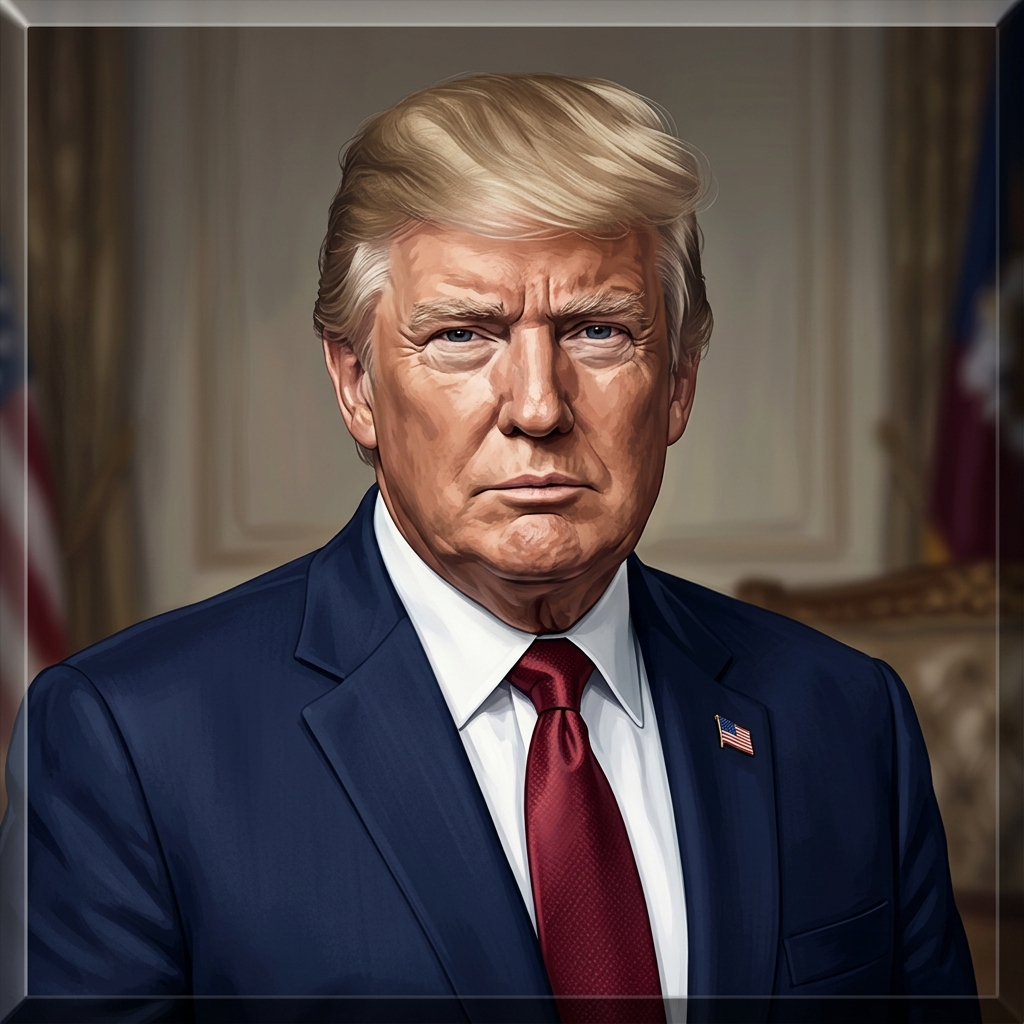
The Trump administration is the executive branch of the United States government, led by President Donald Trump.
In this dispute it is represented by U.S. officials who have extended sanctions on Iran, including on individuals the administration describes as linked to Iran's Islamic Revolutionary Guard Corps, and who have met with Houthi representatives in Muscat.
The Houthis are an Iran-aligned movement whose supporters have demonstrated in Sanaa, Yemen's capital.
They have seized thousands of square kilometres of territory in Yemen and, according to U.S. officials, have offered the Trump administration assurances.
The two sides have conflicting interests over U.S. policy toward the Houthis and Iran.
Saudi Arabia has urged Trump to strike the Houthis, but Trump declined and U.S. officials stressed the administration has no plans to intervene directly against the Houthis for now, while the Houthis have signalled they do not want to fight the United States.
*AI-generated summary of publicly available data. This is not an official statement of any party.
*AI-generated summary of publicly available statements and reporting. This is not an official statement of this party.
Supporters of the Trump administration argue that steady pressure on Iran preserves regional stability and protects established allies, viewing sanctions as continuity with long-standing US policy rather than escalation.
Supporters of the Trump administration argue that sustained sanctions preserve regional stability and longstanding alliances, maintaining that inherited security commitments and cultural ties with partners like Israel and Gulf states must not be abandoned.
Supporters of the Trump administration counter that the Houthis’ Sanaa rallies showcase an imposed revolutionary ideology, not Yemen’s inherited cultural identity, which they argue is rooted in the nation’s broader, pluralist traditions.
Supporters of the Trump administration argue that extending Iran sanctions is a lawful exercise of executive authority to counter destabilizing conduct, and they maintain the Sanaa rallies show Iran-backed actors defy diplomatic pressure.
Supporters of the Trump administration argue that extending Iran sanctions is a lawful use of executive authority to enforce international obligations, maintaining that pressure on Tehran is legally justified.
Supporters of Trump administration counter that sanctions target Iran's illicit arms transfers to the Houthis, not Yemeni political expression, and that enforcing UN-embargoed measures is lawful self-defense against proxy aggression.
Supporters of the Trump administration argue that extending Iran sanctions pressures Tehran's leverage over the Houthis, treating Sanaa's rallies as proof that backing the Houthis is costly.
Supporters of the Trump administration argue that extending sanctions on Iran pressures Tehran, the Houthis' key patron, treating the Sanaa rallies as proof that squeezing funding sources matters more than symbolic protest.
Supporters of the Trump administration counter that rallies are cheap theater; they argue sanctions target financing and weapons flows, not crowds, and that pressure works by raising costs on the backers who keep the Houthis armed.
Supporters of the Trump administration argue that extending sanctions on Iran is a moral duty to counter destabilizing militias like the Houthis, prioritizing regional security over engagement.
Supporters of the Trump administration argue that extending sanctions on Iran is a moral necessity, maintaining that pressure on Tehran weakens its support for groups like the Houthis and protects regional stability.
Supporters of the Trump administration counter that sanctions target Iran's leadership, not the Yemeni people, and that the Houthis' own attacks on shipping and civilians—not US pressure—are the true moral failing.
Supporters of the Trump administration argue that extending sanctions on Iran upholds a moral duty to counter regimes that sponsor groups like the Houthis, citing faith-based convictions about just governance.
Supporters of the Trump administration argue that extending sanctions on Iran upholds a moral duty to counter regimes that threaten religious freedom and regional stability, framing the measure as a defense of divine justice.
Supporters of the Trump administration counter that the Houthis' claimed religious duty is undermined by their own documented persecution of religious minorities and alliance with Iran, which they argue contradicts authentic Islamic teaching on protecting the ummah.
*AI-generated summary of publicly available statements and reporting. This is not an official statement of this party.
Supporters of Houthi supporters argue the Sanaa rallies affirm Yemeni cultural identity and sovereignty, rejecting foreign sanctions they see as outside interference in national affairs.
Supporters of Houthi supporters argue the Sanaa rallies show that external sanctions and pressure only strengthen local cultural identity and resistance, not weaken it.
Supporters of the Houthi movement counter that foreign pressure on Iran ignores Yemeni cultural sovereignty, arguing outside powers have no standing to dictate the region's alliances or identity.
Supporters of the Houthis argue that extending Iran sanctions while thousands rally in Sanaa shows Washington punishes their cause through coercive measures rather than respecting Yemenis' sovereign political expression under international law.
Supporters of the Houthi movement argue that the US sanctions on Iran violate international law and Yemeni sovereignty, citing the rallies in Sanaa as evidence of grassroots rejection of foreign intervention.
Supporters of the Houthi side counter that broad executive sanctions lack clear congressional authorization under international law, and they argue the Sanaa rallies reflect domestic sovereignty, not foreign direction.
Supporters of Houthi supporters argue the Sanaa rallies prove street power outweighs Trump's sanctions, signaling that foreign pressure only hardens local leverage.
Supporters of Houthi supporters argue the Sanaa rallies signal leverage: US sanctions pressure on Iran only hardens local resolve, so they see mass mobilization as proof that outside coercion buys less than it costs.
Supporters of the Houthis counter that Sanaa's rallies show the opposite: the Houthis hold power regardless, and sanctions only bind Tehran, which has less leverage over a movement that fights its own war.
Supporters of Houthi supporters argue that US sanctions on Iran function as collective punishment, and that their Sanaa rallies express a moral duty to resist foreign pressure on their allies.
Supporters of Houthi supporters argue that the Sanaa rallies express a moral claim to sovereignty, insisting that foreign sanctions and pressure on Iran cannot justify ignoring the will of Yemenis who reject outside interference.
Supporters of the Houthis counter that labeling their movement a mere proxy of Iran misreads a moral cause rooted in resisting foreign intervention, so sanctions punishing Yemenis collectively violate justice.
Supporters of the Houthis frame their Sanaa rallies as a religious duty to defend Muslim lands against foreign sanctions and interference, arguing that faith obliges resistance to outside pressure.
Supporters of the Houthi side frame their Sanaa rallies as a religious duty to defend the ummah against foreign pressure, arguing that US sanctions on Iran strengthen their conviction that faith demands resistance.
Supporters of the Houthis counter that their faith obligates resistance to foreign sanctions, framing the blockade as oppression of a Muslim people rather than just governance.
AI-generated summary of publicly available statements and reporting. This is not an official statement of this party.
Supporters of the Trump administration argue that steady pressure on Iran preserves regional stability and protects established allies, viewing sanctions as continuity with long-standing US policy rather than escalation.
Supporters of the Trump administration argue that sustained sanctions preserve regional stability and longstanding alliances, maintaining that inherited security commitments and cultural ties with partners like Israel and Gulf states must not be abandoned.
Supporters of the Trump administration counter that the Houthis’ Sanaa rallies showcase an imposed revolutionary ideology, not Yemen’s inherited cultural identity, which they argue is rooted in the nation’s broader, pluralist traditions.
Supporters of the Trump administration argue that extending Iran sanctions is a lawful exercise of executive authority to counter destabilizing conduct, and they maintain the Sanaa rallies show Iran-backed actors defy diplomatic pressure.
Supporters of the Trump administration argue that extending Iran sanctions is a lawful use of executive authority to enforce international obligations, maintaining that pressure on Tehran is legally justified.
Supporters of Trump administration counter that sanctions target Iran's illicit arms transfers to the Houthis, not Yemeni political expression, and that enforcing UN-embargoed measures is lawful self-defense against proxy aggression.
Supporters of the Trump administration argue that extending Iran sanctions pressures Tehran's leverage over the Houthis, treating Sanaa's rallies as proof that backing the Houthis is costly.
Supporters of the Trump administration argue that extending sanctions on Iran pressures Tehran, the Houthis' key patron, treating the Sanaa rallies as proof that squeezing funding sources matters more than symbolic protest.
Supporters of the Trump administration counter that rallies are cheap theater; they argue sanctions target financing and weapons flows, not crowds, and that pressure works by raising costs on the backers who keep the Houthis armed.
Supporters of the Trump administration argue that extending sanctions on Iran is a moral duty to counter destabilizing militias like the Houthis, prioritizing regional security over engagement.
Supporters of the Trump administration argue that extending sanctions on Iran is a moral necessity, maintaining that pressure on Tehran weakens its support for groups like the Houthis and protects regional stability.
Supporters of the Trump administration counter that sanctions target Iran's leadership, not the Yemeni people, and that the Houthis' own attacks on shipping and civilians—not US pressure—are the true moral failing.
Supporters of the Trump administration argue that extending sanctions on Iran upholds a moral duty to counter regimes that sponsor groups like the Houthis, citing faith-based convictions about just governance.
Supporters of the Trump administration argue that extending sanctions on Iran upholds a moral duty to counter regimes that threaten religious freedom and regional stability, framing the measure as a defense of divine justice.
Supporters of the Trump administration counter that the Houthis' claimed religious duty is undermined by their own documented persecution of religious minorities and alliance with Iran, which they argue contradicts authentic Islamic teaching on protecting the ummah.
Supporters of Houthi supporters argue the Sanaa rallies affirm Yemeni cultural identity and sovereignty, rejecting foreign sanctions they see as outside interference in national affairs.
Supporters of Houthi supporters argue the Sanaa rallies show that external sanctions and pressure only strengthen local cultural identity and resistance, not weaken it.
Supporters of the Houthi movement counter that foreign pressure on Iran ignores Yemeni cultural sovereignty, arguing outside powers have no standing to dictate the region's alliances or identity.
Supporters of the Houthis argue that extending Iran sanctions while thousands rally in Sanaa shows Washington punishes their cause through coercive measures rather than respecting Yemenis' sovereign political expression under international law.
Supporters of the Houthi movement argue that the US sanctions on Iran violate international law and Yemeni sovereignty, citing the rallies in Sanaa as evidence of grassroots rejection of foreign intervention.
Supporters of the Houthi side counter that broad executive sanctions lack clear congressional authorization under international law, and they argue the Sanaa rallies reflect domestic sovereignty, not foreign direction.
Supporters of Houthi supporters argue the Sanaa rallies prove street power outweighs Trump's sanctions, signaling that foreign pressure only hardens local leverage.
Supporters of Houthi supporters argue the Sanaa rallies signal leverage: US sanctions pressure on Iran only hardens local resolve, so they see mass mobilization as proof that outside coercion buys less than it costs.
Supporters of the Houthis counter that Sanaa's rallies show the opposite: the Houthis hold power regardless, and sanctions only bind Tehran, which has less leverage over a movement that fights its own war.
Supporters of Houthi supporters argue that US sanctions on Iran function as collective punishment, and that their Sanaa rallies express a moral duty to resist foreign pressure on their allies.
Supporters of Houthi supporters argue that the Sanaa rallies express a moral claim to sovereignty, insisting that foreign sanctions and pressure on Iran cannot justify ignoring the will of Yemenis who reject outside interference.
Supporters of the Houthis counter that labeling their movement a mere proxy of Iran misreads a moral cause rooted in resisting foreign intervention, so sanctions punishing Yemenis collectively violate justice.
Supporters of the Houthis frame their Sanaa rallies as a religious duty to defend Muslim lands against foreign sanctions and interference, arguing that faith obliges resistance to outside pressure.
Supporters of the Houthi side frame their Sanaa rallies as a religious duty to defend the ummah against foreign pressure, arguing that US sanctions on Iran strengthen their conviction that faith demands resistance.
Supporters of the Houthis counter that their faith obligates resistance to foreign sanctions, framing the blockade as oppression of a Muslim people rather than just governance.
Thousands take to the streets in Sanaa in support of Houthis.
U.S. officials met Houthi representatives in Muscat after the Iran-aligned group seized thousands of square kilometres of territory in Yemen.
After meeting Houthi leaders, U.S. officials decided against backing Saudi Arabia in Yemen; the Iran-backed militants had offered the Trump administration assurances.
Saudi Crown Prince Mohammed bin Salman urged President Trump to strike the Houthis amid Red Sea tensions, but Trump declined, and U.S. officials stressed the administration had no plans to intervene directly against the Houthis for now.