Trump administration
VS
Immigrant advocates

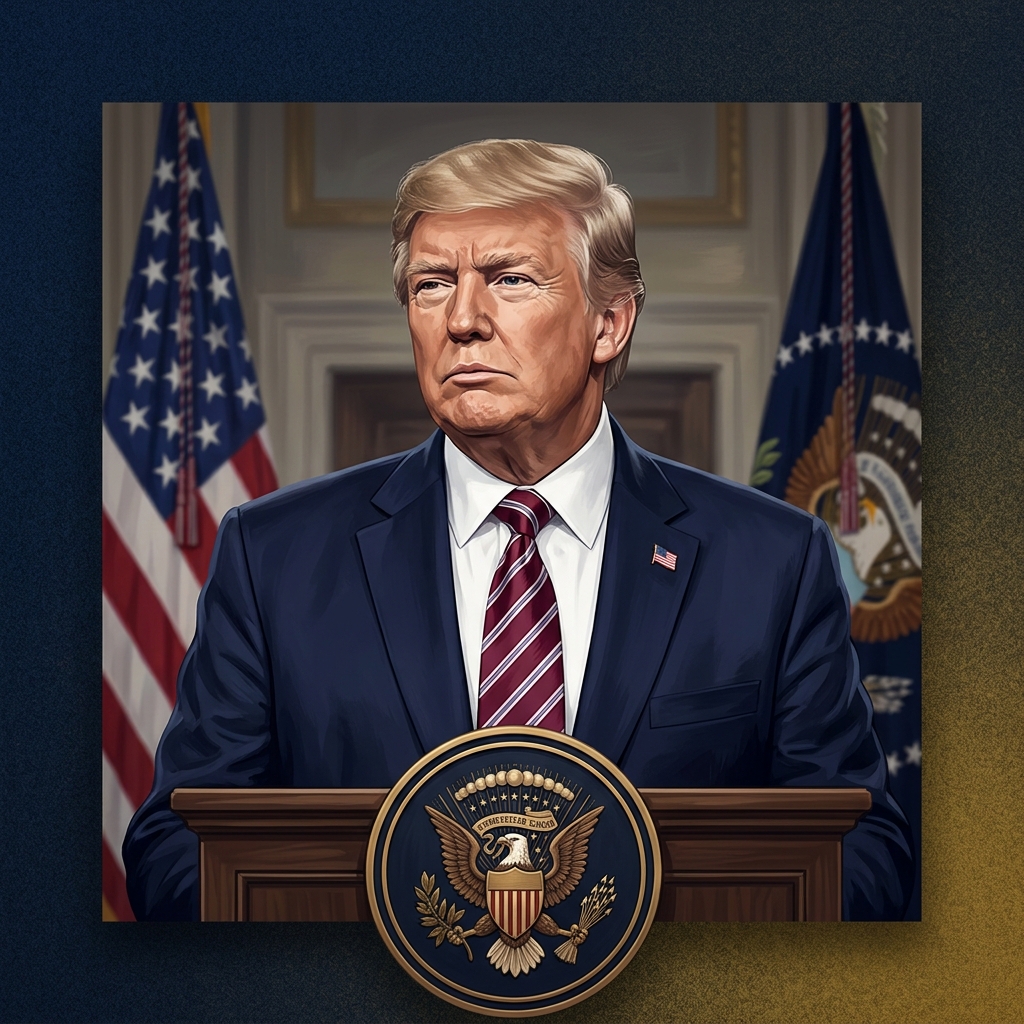
The Trump administration, led by President Donald Trump, has pursued a broad agenda of immigration enforcement and restrictive policies.
Immigrant advocates, including nonprofit organizations, legal groups, and affected communities, have consistently opposed these measures, arguing that they undermine due process and violate constitutional and statutory protections.
The conflict centers on the administration's efforts to tighten immigration controls, such as terminating Temporary Protected Status (TPS) for certain nationals, implementing turnback policies, and making procedural changes to immigration courts.
Advocates contend these actions deny immigrants their legal rights, cause wrongful deportations, and worsen case backlogs, while the administration maintains they are necessary for national security and lawful enforcement.
These disputes have led to numerous lawsuits and state-level advocacy campaigns, with courts sometimes intervening to block or review administration policies.
The stakes are high, as these decisions affect the lives of thousands of immigrants and shape the broader legal landscape of U.S. immigration policy.
*AI-generated summary of publicly available data. This is not an official statement of any party.
*AI-generated summary of publicly available statements and reporting. This is not an official statement of this party.
Supporters of the Trump administration argue that terminating TPS for South Sudan and Myanmar upholds the rule of law and cultural continuity, preserving the integrity of immigration statutes as written.
Supporters of the Trump administration argue that terminating Temporary Protected Status for South Sudan and Myanmar upholds the rule of law and cultural continuity, maintaining that temporary protections were never intended as permanent settlement and that orderly,.
Supporters of the Trump administration counter that cultural roots do not override the rule of law, as temporary status implies a return to one’s homeland, preserving the cultural integrity of both nations.
Supporters of the Trump administration argue the courts correctly affirmed executive discretion, as TPS termination is a legal, statutory authority grounded in national sovereignty, not a grant of permanent residency.
Supporters of the Trump administration argue that courts correctly upheld executive authority, since TPS termination is a legal discretion granted to the executive branch, not a permanent entitlement.
Supporters of the Trump administration counter that the law grants the executive branch sole discretion over TPS termination, with no statutory mandate to reassess country conditions beyond the initial designation.
Supporters of the Trump administration argue the court rulings simply restore executive discretion over immigration, treating TPS terminations as a lever to enforce legal limits and deter future reliance on temporary protections.
Supporters of the Trump administration argue the TPS rulings simply restore executive discretion over immigration, framing the policy as a pragmatic tool—not a permanent settlement—for countries facing transient crises; they maintain that ending it for South Sudan and Myanmar is.
Supporters of the Trump administration counter that TPS termination is a lawful exercise of executive discretion, driven by statutory criteria and diplomatic leverage, not sentiment. They argue that humanitarian labels mask a system that invites prolonged dependency, and that.
Supporters of the Trump administration argue that ending Temporary Protected Status for South Sudan and Myanmar upholds the moral duty of a sovereign nation to enforce its laws and encourage self-reliance, rather than perpetuating indefinite dependency.
Supporters of the Trump administration argue that ending TPS for South Sudan and Myanmar upholds the moral duty to enforce immigration law fairly, ensuring temporary protections do not become permanent entitlements that strain environmental resources.
Supporters of the Trump administration counter that moral duty extends to preserving national sovereignty and preventing aid from enabling prolonged displacement, arguing that protected status is a temporary relief, not a permanent shield.
Supporters of the Trump administration argue that the rule of law, a divine mandate for order, justifies ending Temporary Protected Status for South Sudan and Myanmar, as courts affirmed the administration's lawful authority to enforce immigration statutes.
Supporters of the Trump administration argue that the rule of law, as established by the courts, upholds the administration's authority to end Temporary Protected Status for South Sudan and Myanmar, viewing this as a lawful restoration of order over discretionary compassion.
Supporters of the Trump administration counter that divine law also commands order and lawful governance, as scripture upholds respect for temporal authority. They argue that TPS termination follows statutory limits, not animus, preserving the rule of law that protects all.
*AI-generated summary of publicly available statements and reporting. This is not an official statement of this party.
Supporters of Immigrant advocates argue that TPS holders from South Sudan and Myanmar have built cultural roots in the US, and terminating status disrupts families and communities that have integrated into American civic life.
Supporters of Immigrant advocates argue that terminating TPS for South Sudanese and Myanmar nationals severs cultural lifelines, uprooting communities whose identities and traditions are now woven into American civic life.
Supporters of Immigrant advocates counter that terminating TPS erases the cultural fabric these communities have woven into American life, arguing that their traditions, languages, and resilience are now integral to the nation’s identity, not a threat to its continuity.
Supporters of Immigrant advocates argue that the court rulings ignore the legal duty to consider ongoing country conditions, as terminating TPS without fresh evidence of safe return violates statutory fairness.
Supporters of Immigrant advocates argue that the rulings ignore statutory safeguards, as TPS termination must meet legal standards tied to country conditions, not administrative preference.
Immigrant advocates counter that TPS terminations are not pure discretion, as statutory language requires a reasoned, factual basis tied to country conditions, and courts have found the administration’s justifications arbitrary and capricious, violating due process for lawfully.
Supporters of Immigrant advocates argue that the court rulings reveal raw political calculation, treating TPS as a bargaining chip rather than a humanitarian safeguard. They maintain that the administration’s termination targets vulnerable nationals to signal toughness, while.
Supporters of immigrant advocates argue that the courts’ ruling is a raw power play, not legal merit, exposing how the administration weaponizes procedure to force out vulnerable groups.
Supporters of immigrant advocates counter that court rulings expose the administration’s real lever: political spectacle, not legal necessity. TPS terminations, they argue, punish stable communities to manufacture deterrence, while executive discretion remains a cover for.
Supporters of Immigrant advocates argue that stripping protected status from South Sudanese and Myanmar nationals violates the moral duty to shield those fleeing grave danger, insisting that termination ignores humanitarian obligations.
Supporters of Immigrant advocates argue that ending TPS for South Sudanese and Myanmar nationals violates a moral duty to protect those fleeing grave danger, viewing the rulings as a failure of universal human rights.
Supporters of immigrant advocates counter that withdrawing TPS abandons vulnerable people to life-threatening harm, violating the moral obligation to protect those fleeing violence, not enforce abstract law over human survival.
Supporters of Immigrant advocates argue that ending Temporary Protected Status for South Sudanese and Myanmar nationals violates the sacred duty to protect the vulnerable, as faith traditions call for welcoming the stranger and preserving the family unit.
Supporters of Immigrant advocates argue that the court ruling disregards the sacred duty to protect the vulnerable, as faith traditions call for compassion toward the sojourner and the stranger.
Supporters of Immigrant advocates counter that divine mercy, not rigid order, governs the sacred duty to protect the stranger, challenging the claim that ending TPS reflects a moral mandate rather than a legal prerogative.
AI-generated summary of publicly available statements and reporting. This is not an official statement of this party.
Supporters of the Trump administration argue that terminating TPS for South Sudan and Myanmar upholds the rule of law and cultural continuity, preserving the integrity of immigration statutes as written.
Supporters of the Trump administration argue that terminating Temporary Protected Status for South Sudan and Myanmar upholds the rule of law and cultural continuity, maintaining that temporary protections were never intended as permanent settlement and that orderly,.
Supporters of the Trump administration counter that cultural roots do not override the rule of law, as temporary status implies a return to one’s homeland, preserving the cultural integrity of both nations.
Supporters of the Trump administration argue the courts correctly affirmed executive discretion, as TPS termination is a legal, statutory authority grounded in national sovereignty, not a grant of permanent residency.
Supporters of the Trump administration argue that courts correctly upheld executive authority, since TPS termination is a legal discretion granted to the executive branch, not a permanent entitlement.
Supporters of the Trump administration counter that the law grants the executive branch sole discretion over TPS termination, with no statutory mandate to reassess country conditions beyond the initial designation.
Supporters of the Trump administration argue the court rulings simply restore executive discretion over immigration, treating TPS terminations as a lever to enforce legal limits and deter future reliance on temporary protections.
Supporters of the Trump administration argue the TPS rulings simply restore executive discretion over immigration, framing the policy as a pragmatic tool—not a permanent settlement—for countries facing transient crises; they maintain that ending it for South Sudan and Myanmar is.
Supporters of the Trump administration counter that TPS termination is a lawful exercise of executive discretion, driven by statutory criteria and diplomatic leverage, not sentiment. They argue that humanitarian labels mask a system that invites prolonged dependency, and that.
Supporters of the Trump administration argue that ending Temporary Protected Status for South Sudan and Myanmar upholds the moral duty of a sovereign nation to enforce its laws and encourage self-reliance, rather than perpetuating indefinite dependency.
Supporters of the Trump administration argue that ending TPS for South Sudan and Myanmar upholds the moral duty to enforce immigration law fairly, ensuring temporary protections do not become permanent entitlements that strain environmental resources.
Supporters of the Trump administration counter that moral duty extends to preserving national sovereignty and preventing aid from enabling prolonged displacement, arguing that protected status is a temporary relief, not a permanent shield.
Supporters of the Trump administration argue that the rule of law, a divine mandate for order, justifies ending Temporary Protected Status for South Sudan and Myanmar, as courts affirmed the administration's lawful authority to enforce immigration statutes.
Supporters of the Trump administration argue that the rule of law, as established by the courts, upholds the administration's authority to end Temporary Protected Status for South Sudan and Myanmar, viewing this as a lawful restoration of order over discretionary compassion.
Supporters of the Trump administration counter that divine law also commands order and lawful governance, as scripture upholds respect for temporal authority. They argue that TPS termination follows statutory limits, not animus, preserving the rule of law that protects all.
Supporters of Immigrant advocates argue that TPS holders from South Sudan and Myanmar have built cultural roots in the US, and terminating status disrupts families and communities that have integrated into American civic life.
Supporters of Immigrant advocates argue that terminating TPS for South Sudanese and Myanmar nationals severs cultural lifelines, uprooting communities whose identities and traditions are now woven into American civic life.
Supporters of Immigrant advocates counter that terminating TPS erases the cultural fabric these communities have woven into American life, arguing that their traditions, languages, and resilience are now integral to the nation’s identity, not a threat to its continuity.
Supporters of Immigrant advocates argue that the court rulings ignore the legal duty to consider ongoing country conditions, as terminating TPS without fresh evidence of safe return violates statutory fairness.
Supporters of Immigrant advocates argue that the rulings ignore statutory safeguards, as TPS termination must meet legal standards tied to country conditions, not administrative preference.
Immigrant advocates counter that TPS terminations are not pure discretion, as statutory language requires a reasoned, factual basis tied to country conditions, and courts have found the administration’s justifications arbitrary and capricious, violating due process for lawfully.
Supporters of Immigrant advocates argue that the court rulings reveal raw political calculation, treating TPS as a bargaining chip rather than a humanitarian safeguard. They maintain that the administration’s termination targets vulnerable nationals to signal toughness, while.
Supporters of immigrant advocates argue that the courts’ ruling is a raw power play, not legal merit, exposing how the administration weaponizes procedure to force out vulnerable groups.
Supporters of immigrant advocates counter that court rulings expose the administration’s real lever: political spectacle, not legal necessity. TPS terminations, they argue, punish stable communities to manufacture deterrence, while executive discretion remains a cover for.
Supporters of Immigrant advocates argue that stripping protected status from South Sudanese and Myanmar nationals violates the moral duty to shield those fleeing grave danger, insisting that termination ignores humanitarian obligations.
Supporters of Immigrant advocates argue that ending TPS for South Sudanese and Myanmar nationals violates a moral duty to protect those fleeing grave danger, viewing the rulings as a failure of universal human rights.
Supporters of immigrant advocates counter that withdrawing TPS abandons vulnerable people to life-threatening harm, violating the moral obligation to protect those fleeing violence, not enforce abstract law over human survival.
Supporters of Immigrant advocates argue that ending Temporary Protected Status for South Sudanese and Myanmar nationals violates the sacred duty to protect the vulnerable, as faith traditions call for welcoming the stranger and preserving the family unit.
Supporters of Immigrant advocates argue that the court ruling disregards the sacred duty to protect the vulnerable, as faith traditions call for compassion toward the sojourner and the stranger.
Supporters of Immigrant advocates counter that divine mercy, not rigid order, governs the sacred duty to protect the stranger, challenging the claim that ending TPS reflects a moral mandate rather than a legal prerogative.
Mother and daughter detained by ICE in hospital after car crash
Prominent organisation charge sanctions against international tribunal trample consitutional rights, hinder their work.
US courts cleared the way for the Trump administration to end Temporary Protected Status for nationals of South Sudan and Myanmar.
An immigration attorney in North Dakota discussed the challenges of representing clients under shifting Trump-era policies, which he says make legal representation more difficult.
Immigrant advocates argued before the Supreme Court that the Trump administration's turnback policy flouted federal immigration law, despite the policy not being in effect since 2021.
Democracy Forward and other advocates sued the Trump administration over an unlawful EOIR rule that makes sweeping procedural changes, which they argue will deny due process, cause wrongful deportations, and worsen the case backlog.
Immigrants' rights advocates, including the ACLU of Texas, sued the Trump administration over efforts to completely shut down immigration processes, arguing the actions ignore protections put in place by Congress and backed by courts.