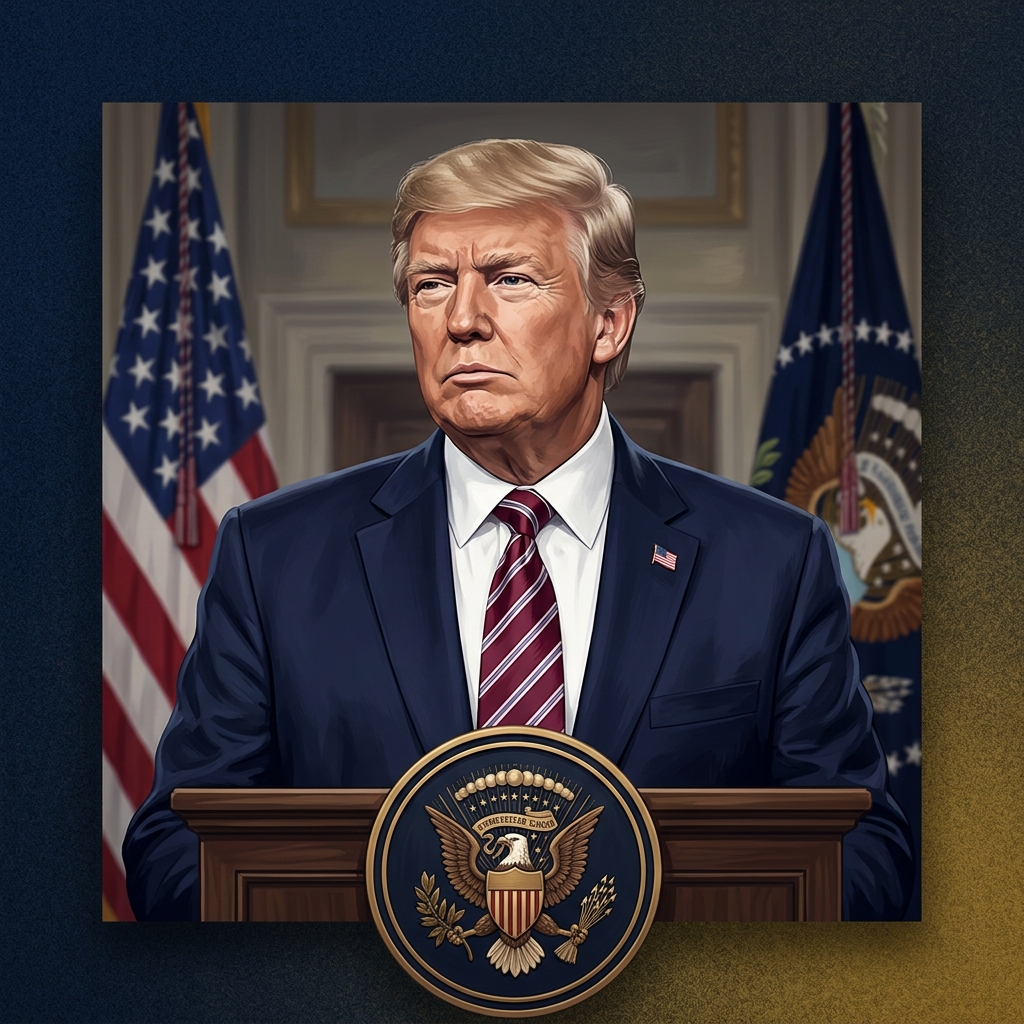
Trump administration

VS
Immigrant rights advocates

The Trump administration is the executive branch of the U.S. federal government under President Donald Trump, which has pursued aggressive immigration enforcement policies including fast-track deportations, efforts to shut down asylum at the border, and restrictions on birthright citizenship.
Immigrant rights advocates are a coalition of civil rights organizations, immigrant advocacy groups, and community members who challenge these policies in court and through state-level advocacy, arguing they violate fundamental rights and due process.
The two sides have conflicting interests over the direction of U.S. immigration policy.
The Trump administration argues its measures are necessary to enforce immigration law and secure the border, while immigrant rights advocates contend that policies such as fast-track deportations, asylum restrictions, and birthright citizenship limits are unlawful, inhumane, and harmful to millions of families.
This clash has resulted in numerous lawsuits and ongoing legal battles across the country.
The dispute extends beyond the courtroom, with nonprofits and advocacy groups mobilizing at the state level to resist federal enforcement efforts and protect immigrant communities.
The outcomes of these legal and political fights will shape the treatment of undocumented immigrants and the scope of executive power over immigration for years to come.
*AI-generated summary of publicly available data. This is not an official statement of any party.
*AI-generated summary of publicly available statements and reporting. This is not an official statement of this party.
Supporters of the Trump administration argue the census should count only lawful inhabitants, preserving founding-era tradition that representation follows settled citizenship, not temporary presence.
Supporters of the Trump administration argue the census should count only lawful inhabitants, preserving the constitutional order and cultural continuity inherited from the nation's founding.
Supporters of the Trump administration counter that the census has always counted citizens and lawful residents for apportionment, and that preserving this inherited practice protects the cultural continuity and self-governance of the nation.
Supporters of the Trump administration argue that census apportionment law ties representation to lawful inhabitants, so excluding undocumented immigrants and non-green-card holders from the 2030 count is a legally sound reading of the Constitution.
Supporters of the Trump administration argue that the Constitution's apportionment clause leaves room for excluding undocumented immigrants from the 2030 census count, maintaining that congressional seats should reflect lawful inhabitants.
Supporters of the Trump administration counter that the term "actual Enumeration" in the Census Clause leaves room for Congress to define who counts, and that no Supreme Court precedent squarely bars excluding undocumented immigrants from apportionment.
Supporters of the Trump administration argue that excluding undocumented immigrants from the census count protects congressional seats and federal funds for citizens, treating apportionment as a prize to be secured rather than a right to be shared.
Supporters of the Trump administration argue that apportionment is a power calculation: excluding non-citizens from the 2030 census shifts House seats and federal funds toward citizens, which they see as a legitimate partisan and policy advantage.
Supporters of the Trump administration counter that apportionment based on total residents, including undocumented immigrants, itself skews seats and funds toward states with larger uncounted populations, so they frame the citizenship question as restoring accuracy, not a power g.
Supporters of the Trump administration argue the census should count only lawful inhabitants, maintaining that representation must rest on citizens and legal residents, not those present unlawfully.
Supporters of the Trump administration argue that apportionment should count only lawful inhabitants, framing citizenship as the moral basis of representation, a claim echoing earlier census debates.
Supporters of the Trump administration counter that citizenship, not mere presence, is the moral basis for representation, arguing that rewarding unlawful entry dilutes the votes of law-abiding citizens.
Supporters of Trump administration argue that counting only lawful inhabitants in the census reflects a biblical view of ordered community and stewardship, citing Romans 13 on governing authority.
Supporters of the Trump administration argue that Scripture's call to welcome the stranger applies to lawful sojourners, not those outside the covenant of citizenship, so the census should count only true inhabitants.
Supporters of the Trump administration counter that scripture also upholds lawful authority and ordered society, citing Romans 13, so the census may rightly count citizens and lawful residents without denying anyone's God-given dignity.
*AI-generated summary of publicly available statements and reporting. This is not an official statement of this party.
Supporters of immigrant rights advocates argue that excluding undocumented immigrants from the census erases communities whose cultural roots and daily contributions shape American life, and that representation should not hinge on paperwork.
Supporters of immigrant rights advocates argue that the census, as a cultural institution, must count every person residing in the country, since excluding undocumented immigrants erases communities and distorts the representation their neighborhoods depend on.
Supporters of Immigrant rights advocates counter that the Constitution's census clause counts "persons," not citizens, and that immigrant communities' cultural roots and long-settled presence make their exclusion a break from, not a return to, founding practice.
Supporters of Immigrant rights advocates argue that the Census Clause's "actual Enumeration" language requires counting all persons, and that prior Supreme Court precedent bars excluding undocumented immigrants from apportionment.
Supporters of immigrant rights advocates argue that the Constitution's Fourteenth Amendment and census clause require counting all persons, not citizens, so excluding undocumented immigrants likely violates both statutory and constitutional law.
Immigrant rights advocates counter that the Fourteenth Amendment's apportionment clause counts "persons," and the Supreme Court in Evenwel v. Abbott (2016) upheld total population as the permissible base, not lawful status.
Supporters of immigrant rights advocates argue the census exclusion is a power play: suppressing counted populations shifts House seats and federal funds toward Republican-leaning areas, so they see litigation and state defiance as the only real leverage.
Supporters of immigrant rights advocates argue the census exclusion is a power play: undocumented residents still live, work, and consume in the US, so counting them out is about shifting House seats and federal funds, not accuracy.
Supporters of immigrant rights advocates counter that apportionment power follows bodies present, not legal status; excluding millions guarantees undercounts that cost states seats and funds, weakening the very leverage the administration claims to protect.
Supporters of immigrant rights advocates argue that counting every person living in the US, regardless of status, upholds the moral principle of equal human dignity and ensures fair political representation for all communities.
Supporters of immigrant rights advocates argue that counting every person living in the country, regardless of legal status, is a moral duty rooted in equal human dignity, and that excluding undocumented immigrants from the 2030 census denies them fair recognition and representat.
Immigrant rights advocates counter that the Constitution's census clause counts all persons, not citizens, so excluding undocumented residents morally denies children and mixed-status families equal representation and federal resources.
Supporters of immigrant rights advocates argue that counting every person reflects the religious teaching that all people bear inherent dignity, so excluding undocumented immigrants from the census denies their God-given worth.
Supporters of immigrant rights advocates argue that counting every person in the census reflects a moral duty rooted in religious teachings that honor the stranger and affirm each soul's God-given dignity.
Supporters of Immigrant rights advocates counter that scripture commands welcoming the stranger and that Jesus himself was a refugee, so a count excluding the undocumented conflicts with that biblical mandate.
AI-generated summary of publicly available statements and reporting. This is not an official statement of this party.
Supporters of the Trump administration argue the census should count only lawful inhabitants, preserving founding-era tradition that representation follows settled citizenship, not temporary presence.
Supporters of the Trump administration argue the census should count only lawful inhabitants, preserving the constitutional order and cultural continuity inherited from the nation's founding.
Supporters of the Trump administration counter that the census has always counted citizens and lawful residents for apportionment, and that preserving this inherited practice protects the cultural continuity and self-governance of the nation.
Supporters of the Trump administration argue that census apportionment law ties representation to lawful inhabitants, so excluding undocumented immigrants and non-green-card holders from the 2030 count is a legally sound reading of the Constitution.
Supporters of the Trump administration argue that the Constitution's apportionment clause leaves room for excluding undocumented immigrants from the 2030 census count, maintaining that congressional seats should reflect lawful inhabitants.
Supporters of the Trump administration counter that the term "actual Enumeration" in the Census Clause leaves room for Congress to define who counts, and that no Supreme Court precedent squarely bars excluding undocumented immigrants from apportionment.
Supporters of the Trump administration argue that excluding undocumented immigrants from the census count protects congressional seats and federal funds for citizens, treating apportionment as a prize to be secured rather than a right to be shared.
Supporters of the Trump administration argue that apportionment is a power calculation: excluding non-citizens from the 2030 census shifts House seats and federal funds toward citizens, which they see as a legitimate partisan and policy advantage.
Supporters of the Trump administration counter that apportionment based on total residents, including undocumented immigrants, itself skews seats and funds toward states with larger uncounted populations, so they frame the citizenship question as restoring accuracy, not a power g.
Supporters of the Trump administration argue the census should count only lawful inhabitants, maintaining that representation must rest on citizens and legal residents, not those present unlawfully.
Supporters of the Trump administration argue that apportionment should count only lawful inhabitants, framing citizenship as the moral basis of representation, a claim echoing earlier census debates.
Supporters of the Trump administration counter that citizenship, not mere presence, is the moral basis for representation, arguing that rewarding unlawful entry dilutes the votes of law-abiding citizens.
Supporters of Trump administration argue that counting only lawful inhabitants in the census reflects a biblical view of ordered community and stewardship, citing Romans 13 on governing authority.
Supporters of the Trump administration argue that Scripture's call to welcome the stranger applies to lawful sojourners, not those outside the covenant of citizenship, so the census should count only true inhabitants.
Supporters of the Trump administration counter that scripture also upholds lawful authority and ordered society, citing Romans 13, so the census may rightly count citizens and lawful residents without denying anyone's God-given dignity.
Supporters of immigrant rights advocates argue that excluding undocumented immigrants from the census erases communities whose cultural roots and daily contributions shape American life, and that representation should not hinge on paperwork.
Supporters of immigrant rights advocates argue that the census, as a cultural institution, must count every person residing in the country, since excluding undocumented immigrants erases communities and distorts the representation their neighborhoods depend on.
Supporters of Immigrant rights advocates counter that the Constitution's census clause counts "persons," not citizens, and that immigrant communities' cultural roots and long-settled presence make their exclusion a break from, not a return to, founding practice.
Supporters of Immigrant rights advocates argue that the Census Clause's "actual Enumeration" language requires counting all persons, and that prior Supreme Court precedent bars excluding undocumented immigrants from apportionment.
Supporters of immigrant rights advocates argue that the Constitution's Fourteenth Amendment and census clause require counting all persons, not citizens, so excluding undocumented immigrants likely violates both statutory and constitutional law.
Immigrant rights advocates counter that the Fourteenth Amendment's apportionment clause counts "persons," and the Supreme Court in Evenwel v. Abbott (2016) upheld total population as the permissible base, not lawful status.
Supporters of immigrant rights advocates argue the census exclusion is a power play: suppressing counted populations shifts House seats and federal funds toward Republican-leaning areas, so they see litigation and state defiance as the only real leverage.
Supporters of immigrant rights advocates argue the census exclusion is a power play: undocumented residents still live, work, and consume in the US, so counting them out is about shifting House seats and federal funds, not accuracy.
Supporters of immigrant rights advocates counter that apportionment power follows bodies present, not legal status; excluding millions guarantees undercounts that cost states seats and funds, weakening the very leverage the administration claims to protect.
Supporters of immigrant rights advocates argue that counting every person living in the US, regardless of status, upholds the moral principle of equal human dignity and ensures fair political representation for all communities.
Supporters of immigrant rights advocates argue that counting every person living in the country, regardless of legal status, is a moral duty rooted in equal human dignity, and that excluding undocumented immigrants from the 2030 census denies them fair recognition and representat.
Immigrant rights advocates counter that the Constitution's census clause counts all persons, not citizens, so excluding undocumented residents morally denies children and mixed-status families equal representation and federal resources.
Supporters of immigrant rights advocates argue that counting every person reflects the religious teaching that all people bear inherent dignity, so excluding undocumented immigrants from the census denies their God-given worth.
Supporters of immigrant rights advocates argue that counting every person in the census reflects a moral duty rooted in religious teachings that honor the stranger and affirm each soul's God-given dignity.
Supporters of Immigrant rights advocates counter that scripture commands welcoming the stranger and that Jesus himself was a refugee, so a count excluding the undocumented conflicts with that biblical mandate.
The next decennial census, which the Trump administration plans to conduct while excluding undocumented immigrants and non-green-card holders.
Nonprofits played a key role in advocating for state-level legislation to protect immigrants from Trump's enforcement efforts.
Community members and immigrants' rights organizations took the Trump administration to court to stop illegal arrests of immigrants.
Immigrants' rights advocates sued the Trump administration over a presidential proclamation aimed at completely shutting down asylum at the border, calling it unlawful and unprecedented.
Immigrants' rights advocates sued the Trump administration over its policy to fast-track deportations, arguing it violates fundamental rights to a fair day in court.