Trump administration
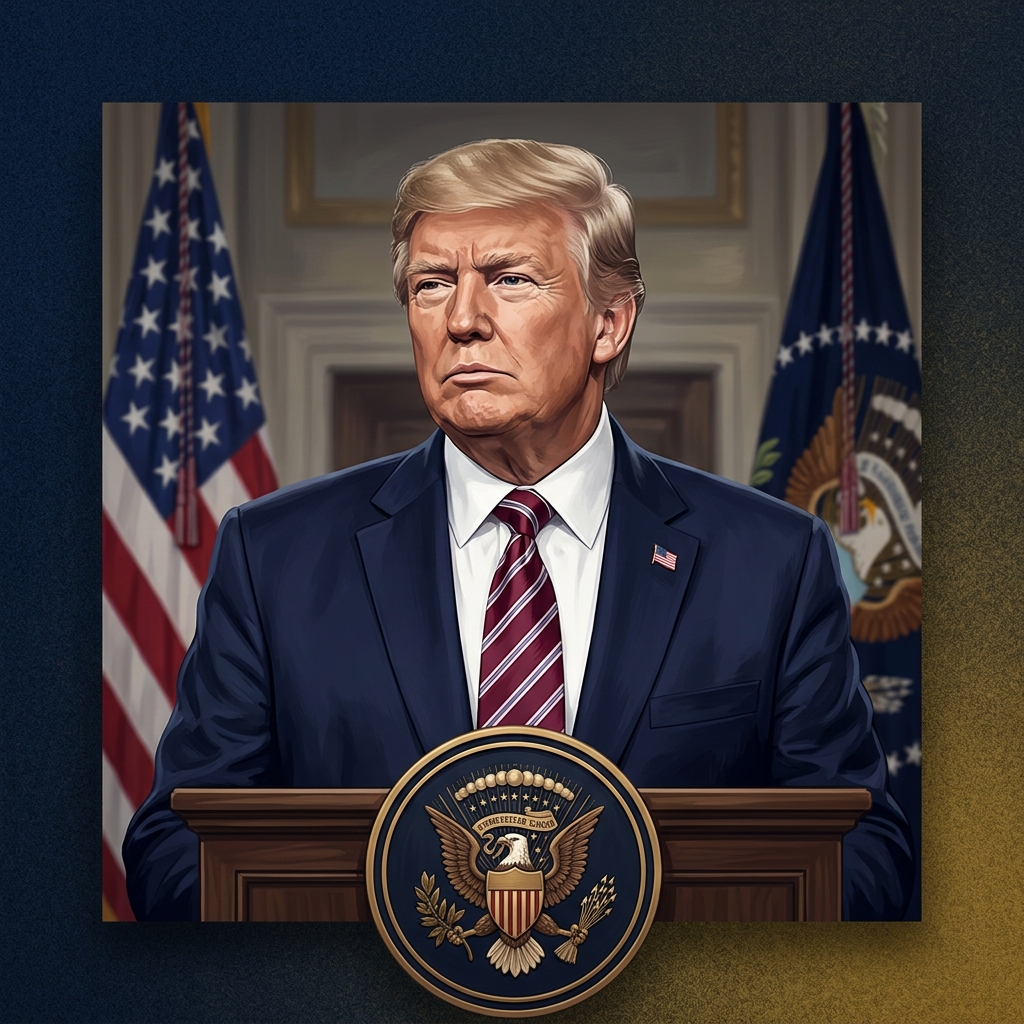
VS
Indian tech workers

The article examines how immigration restrictions under the Trump administration and reduced foreign hiring by tech firms are affecting Indian tech workers' prospects for US residency.
It presents the perspectives of affected workers alongside the policy and corporate decisions shaping their situation.
*AI-generated summary of publicly available data. This is not an official statement of any party.
*AI-generated summary of publicly available statements and reporting. This is not an official statement of this party.
Supporters of the Trump administration argue that tighter green card curbs prioritize domestic workers and preserve American cultural identity, framing immigration as a privilege rather than an entitlement.
Supporters of the Trump administration argue that tighter green card curbs protect American cultural identity and prioritize domestic workers, framing immigration as a privilege tied to national interest rather than an entitlement.
Supporters of the Trump administration counter that citizenship is a sovereign privilege earned through civic assimilation, not a cultural bargain owed to skilled migrants, and that prioritizing American workers reflects a national culture of self-governance.
Supporters of the Trump administration argue that immigration law gives the government authority to set visa and green card limits, and that restricting foreign hiring protects domestic workers and upholds rule-of-law enforcement.
Supporters of the Trump administration argue that immigration law gives the government legal authority to set admission criteria, and that tightening green card rules prioritizes domestic workers without violating any statutory obligation to foreign applicants.
Supporters of the Trump administration counter that Congress sets green card caps and conditions, and no one holds a settled legal right to a future visa; courts have long upheld retroactive changes to immigration benefits as within legislative authority.
Supporters of the Trump administration argue that tighter green card curbs and reduced foreign tech hiring are deliberate leverage to prioritize domestic workers, treating residency as a concession to be earned on the administration's terms rather than an entitlement.
Supporters of the Trump administration argue that curbing green cards and foreign tech hiring prioritizes domestic labor and national control over immigration, treating employer dependence on visas as leverage to be constrained.
Supporters of the administration counter that firms cut foreign hiring to protect American jobs and leverage, not to curry favor—so workers reading pledges as leverage mistake corporate self-interest for political loyalty.
Supporters of the Trump administration argue that prioritizing domestic workers and tightening immigration curbs is a moral duty to citizens, maintaining that tech firms should invest in homegrown talent rather than rely on foreign hiring.
Supporters of the Trump administration argue that prioritizing domestic workers through tighter immigration curbs is a moral duty to citizens, framing green card limits as protecting American livelihoods rather than closing doors.
Supporters of the Trump administration counter that fairness to citizens and lawful workers comes first, arguing that immigration policy must serve the national interest rather than guarantee residency to any group.
Supporters of the Trump administration argue that immigration curbs uphold a nation's moral duty to protect its own workers and that scripture affirms ordered borders and justice toward the vulnerable at home.
Supporters of Trump administration argue that sovereignty under God-given authority includes the right to order borders, citing scripture's call to govern justly and care for citizens first.
Supporters of the Trump administration counter that scripture also upholds ordered borders and the sovereignty of nations, citing passages like Acts 17:26, and argue that family unity cannot be claimed as a mandate while immigration law is set aside.
*AI-generated summary of publicly available statements and reporting. This is not an official statement of this party.
Supporters of Indian tech workers argue that US residency delays and corporate hiring cuts disrupt a cultural bargain—skilled migrants who adopt American professional life expect a path to belonging, not indefinite limbo.
Supporters of Indian tech workers argue that America's cultural identity is built on immigrant contributions, and that shutting out skilled Indian professionals weakens the diverse talent pool that has long defined US tech innovation.
Supporters of Indian tech workers counter that H-1B holders already shape American cultural life through their communities, and they challenge the notion that preserving national identity requires restricting their path to permanent residency.
Supporters of Indian tech workers argue that green card curbs applied retroactively to people already lawfully in the US violate settled expectations under immigration law and leave them without a fair legal path.
Supporters of Indian tech workers argue that green card curbs under the Trump administration break the legal bargain for skilled visa holders who followed the rules and built careers in the US.
Supporters of Indian tech workers counter that the law also imposes procedural limits the administration must follow, arguing that abrupt policy shifts and rescinded approvals breach statutory notice requirements and due-process protections for visa holders.
Supporters of Indian tech workers argue that US tech firms quietly cut foreign hiring to curry favor with the administration, sacrificing Indian talent for political cover—so workers should treat corporate pledges as leverage, not loyalty.
Supporters of Indian tech workers argue that firms cut foreign hiring not from scarcity but to appease a hostile administration, and that workers must court corporate and political patrons to survive.
Supporters of Indian tech workers counter that residency leverage cuts both ways: the same visa chokepoint that pressures workers also pushes multinationals to offshore roles entirely, so the administration trades skilled domestic tax base for leverage it cannot bank.
Supporters of Indian tech workers argue that policies curbing green cards and foreign hiring treat people who built their lives and careers in the US unfairly, since fairness demands that residency paths stay open to those already contributing.
Supporters of Indian tech workers argue that policies restricting their path to residency are morally unjust, since they maintain that people who contribute their skills and years of service deserve a fair chance at the stability they were promised.
Supporters of Indian tech workers counter that a moral duty to citizens cannot justify shutting out workers who already contribute and pay taxes here, since fairness demands judging people by contribution, not national origin.
Supporters of Indian tech workers argue that family unity is a moral and religious good, and that green card curbs fracturing households for years conflict with the family-centered values many faith traditions uphold.
Supporters of Indian tech workers argue that family unity is a moral and religious good, and they maintain that visa curbs separating families from settled communities conflict with the duty to honor kinship ties.
Supporters of Indian tech workers counter that scripture also commands justice for the foreigner and stranger, so they argue that a nation's moral duty cannot stop at its own borders.
AI-generated summary of publicly available statements and reporting. This is not an official statement of this party.
Supporters of the Trump administration argue that tighter green card curbs prioritize domestic workers and preserve American cultural identity, framing immigration as a privilege rather than an entitlement.
Supporters of the Trump administration argue that tighter green card curbs protect American cultural identity and prioritize domestic workers, framing immigration as a privilege tied to national interest rather than an entitlement.
Supporters of the Trump administration counter that citizenship is a sovereign privilege earned through civic assimilation, not a cultural bargain owed to skilled migrants, and that prioritizing American workers reflects a national culture of self-governance.
Supporters of the Trump administration argue that immigration law gives the government authority to set visa and green card limits, and that restricting foreign hiring protects domestic workers and upholds rule-of-law enforcement.
Supporters of the Trump administration argue that immigration law gives the government legal authority to set admission criteria, and that tightening green card rules prioritizes domestic workers without violating any statutory obligation to foreign applicants.
Supporters of the Trump administration counter that Congress sets green card caps and conditions, and no one holds a settled legal right to a future visa; courts have long upheld retroactive changes to immigration benefits as within legislative authority.
Supporters of the Trump administration argue that tighter green card curbs and reduced foreign tech hiring are deliberate leverage to prioritize domestic workers, treating residency as a concession to be earned on the administration's terms rather than an entitlement.
Supporters of the Trump administration argue that curbing green cards and foreign tech hiring prioritizes domestic labor and national control over immigration, treating employer dependence on visas as leverage to be constrained.
Supporters of the administration counter that firms cut foreign hiring to protect American jobs and leverage, not to curry favor—so workers reading pledges as leverage mistake corporate self-interest for political loyalty.
Supporters of the Trump administration argue that prioritizing domestic workers and tightening immigration curbs is a moral duty to citizens, maintaining that tech firms should invest in homegrown talent rather than rely on foreign hiring.
Supporters of the Trump administration argue that prioritizing domestic workers through tighter immigration curbs is a moral duty to citizens, framing green card limits as protecting American livelihoods rather than closing doors.
Supporters of the Trump administration counter that fairness to citizens and lawful workers comes first, arguing that immigration policy must serve the national interest rather than guarantee residency to any group.
Supporters of the Trump administration argue that immigration curbs uphold a nation's moral duty to protect its own workers and that scripture affirms ordered borders and justice toward the vulnerable at home.
Supporters of Trump administration argue that sovereignty under God-given authority includes the right to order borders, citing scripture's call to govern justly and care for citizens first.
Supporters of the Trump administration counter that scripture also upholds ordered borders and the sovereignty of nations, citing passages like Acts 17:26, and argue that family unity cannot be claimed as a mandate while immigration law is set aside.
Supporters of Indian tech workers argue that US residency delays and corporate hiring cuts disrupt a cultural bargain—skilled migrants who adopt American professional life expect a path to belonging, not indefinite limbo.
Supporters of Indian tech workers argue that America's cultural identity is built on immigrant contributions, and that shutting out skilled Indian professionals weakens the diverse talent pool that has long defined US tech innovation.
Supporters of Indian tech workers counter that H-1B holders already shape American cultural life through their communities, and they challenge the notion that preserving national identity requires restricting their path to permanent residency.
Supporters of Indian tech workers argue that green card curbs applied retroactively to people already lawfully in the US violate settled expectations under immigration law and leave them without a fair legal path.
Supporters of Indian tech workers argue that green card curbs under the Trump administration break the legal bargain for skilled visa holders who followed the rules and built careers in the US.
Supporters of Indian tech workers counter that the law also imposes procedural limits the administration must follow, arguing that abrupt policy shifts and rescinded approvals breach statutory notice requirements and due-process protections for visa holders.
Supporters of Indian tech workers argue that US tech firms quietly cut foreign hiring to curry favor with the administration, sacrificing Indian talent for political cover—so workers should treat corporate pledges as leverage, not loyalty.
Supporters of Indian tech workers argue that firms cut foreign hiring not from scarcity but to appease a hostile administration, and that workers must court corporate and political patrons to survive.
Supporters of Indian tech workers counter that residency leverage cuts both ways: the same visa chokepoint that pressures workers also pushes multinationals to offshore roles entirely, so the administration trades skilled domestic tax base for leverage it cannot bank.
Supporters of Indian tech workers argue that policies curbing green cards and foreign hiring treat people who built their lives and careers in the US unfairly, since fairness demands that residency paths stay open to those already contributing.
Supporters of Indian tech workers argue that policies restricting their path to residency are morally unjust, since they maintain that people who contribute their skills and years of service deserve a fair chance at the stability they were promised.
Supporters of Indian tech workers counter that a moral duty to citizens cannot justify shutting out workers who already contribute and pay taxes here, since fairness demands judging people by contribution, not national origin.
Supporters of Indian tech workers argue that family unity is a moral and religious good, and that green card curbs fracturing households for years conflict with the family-centered values many faith traditions uphold.
Supporters of Indian tech workers argue that family unity is a moral and religious good, and they maintain that visa curbs separating families from settled communities conflict with the duty to honor kinship ties.
Supporters of Indian tech workers counter that scripture also commands justice for the foreigner and stranger, so they argue that a nation's moral duty cannot stop at its own borders.
With immigration curbs and tech firms cutting foreign hiring, US residency is becoming a distant dream for many Indians.