Trump administration
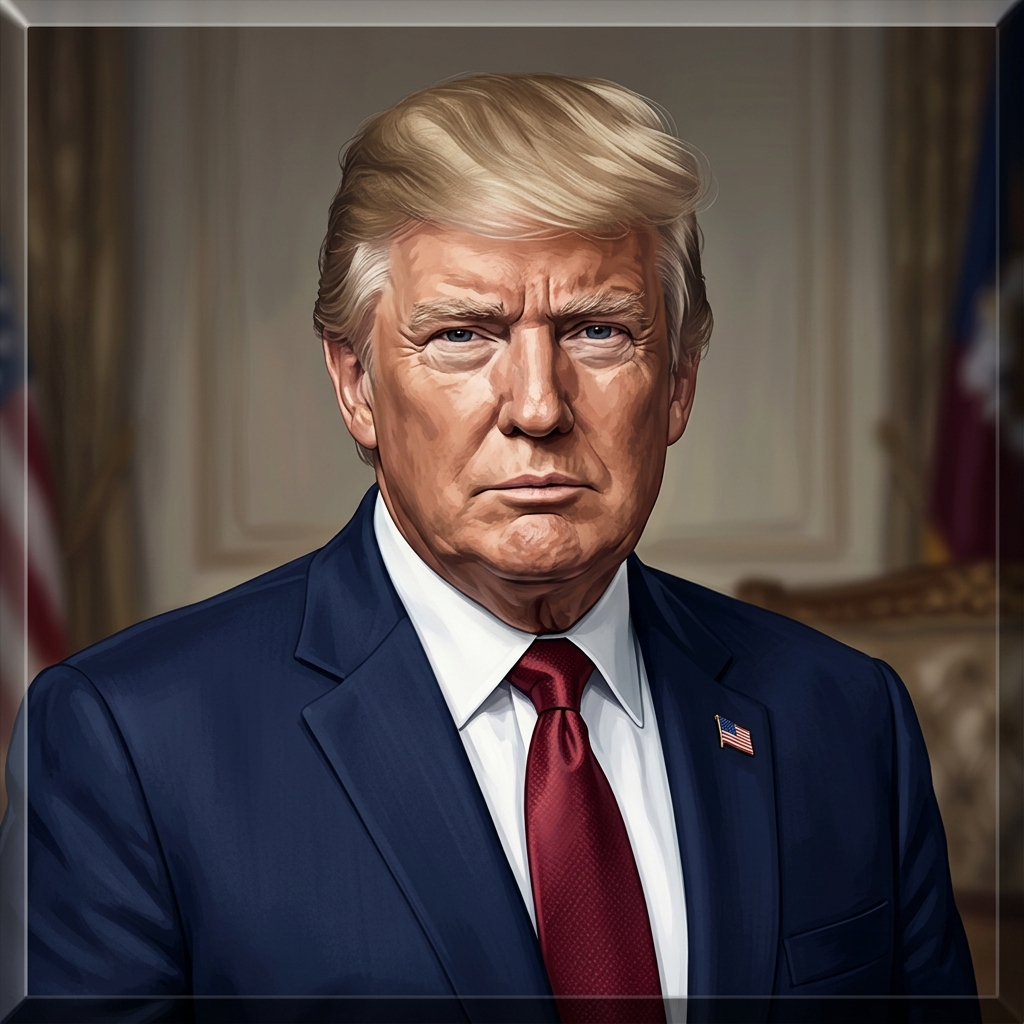
VS
International regulators

The Trump administration represents the executive branch of the United States federal government under President Donald Trump, whose regulatory agenda has included broad reviews of international agreements and efforts to reshape U.S. participation in global frameworks.
International regulators comprise national governments, multilateral bodies, and transnational organizations that advocate for coordinated rules and standards across borders.
The two sides have conflicting interests over whether artificial intelligence should be governed by internationally coordinated rules or by unilateral national action.
The Trump administration has rejected international efforts to regulate AI, characterizing them as a 'globalist scheme,' while other nations and international bodies have called for global AI regulation.
This dispute reflects broader tensions over sovereignty, regulatory harmonization, and the role of international institutions in setting technology policy.
Beyond AI, the administration's approach to international agreements and legal immigration has drawn scrutiny from analysts who argue it affects U.S. global leadership in innovation.
International regulators, meanwhile, continue to pursue frameworks that would bind major economies to common standards, setting up a clash over the direction of global technology governance.
*AI-generated summary of publicly available data. This is not an official statement of any party.
*AI-generated summary of publicly available statements and reporting. This is not an official statement of this party.
Supporters of the Trump administration argue that AI rules imposed by unelected international bodies would override America's cultural tradition of decentralized, market-driven innovation, a pattern they say echoes past globalist overreach.
Supporters of the Trump administration argue that AI regulation should reflect American cultural sovereignty rather than unelected global bodies, citing past treaties where nations ceded authority to distant bureaucracies.
Supporters of the Trump administration counter that AI governance is a cultural artifact of American innovation, not a global commons, and that deference to international norms would cede sovereign self-rule.
Supporters of the Trump administration argue that international AI regulation lacks legal authority over U.S. sovereignty, so President Trump rejects the proposed "globalist scheme" as an unaccountable constraint on American innovation.
Supporters of the Trump administration argue that binding international AI rules lack enforceable legal authority and would cede US sovereignty to unaccountable globalist bodies.
Supporters of the Trump administration counter that binding cross-border AI frameworks lack enforceable legal authority without sovereign consent, since international bodies cannot compel compliance from nations that reject their jurisdiction.
Supporters of Trump argue that ceding AI rulemaking to international bodies hands rivals leverage over America's decisive advantage, so rejecting the "globalist scheme" preserves sovereignty and bargaining power.
Supporters of the Trump administration argue that rejecting globalist AI rules keeps decisive power and leverage in American hands, since whoever sets the standards controls the technology.
Supporters of the Trump administration counter that rules bind only those who obey them, so ceding AI advantage to rivals who ignore constraints forfeits real leverage; they argue dominance, not treaties, sets the standards others follow.
Supporters of the Trump administration argue that AI governance belongs with sovereign nations and their citizens, not unelected global bodies, since liberty and innovation flourish through voluntary choices rather than centralized control.
Supporters of the Trump administration argue that no global body has moral authority to govern American AI, since consent of the governed, not transnational mandate, is the only legitimate basis for rule.
Supporters of the Trump administration counter that no one has a moral right to govern strangers by force; AI rules imposed by unaccountable global bodies lack consent, so nations and individuals must keep the freedom to choose.
Supporters of the Trump administration argue that AI governance belongs to sovereign nations under God-given moral law, not to a globalist scheme they see as usurping divinely ordained authority.
Supporters of the Trump administration argue that sovereignty is a God-given trust, and that no earthly body should claim dominion over a nation's God-given ingenuity; they maintain AI rule belongs to the people, not globalist authorities.
Supporters of the Trump administration counter that moral order is not decreed by international bodies but by God, and that America's sovereignty reflects a divinely ordered authority no global regulator may usurp.
*AI-generated summary of publicly available statements and reporting. This is not an official statement of this party.
Supporters of International regulators argue that AI governance, like other shared cultural institutions, requires inherited norms and cross-border cooperation, not unilateral rejection. They maintain that stable rules preserve order across nations.
Supporters of international regulators argue that AI governance should follow inherited legal and cultural norms, not one nation's will; they warn that rejecting shared rules erodes the stability and trust societies depend on.
Supporters of International regulators counter that shared cultural values—fairness, safety, and dignity—cross borders, and that nations have long pooled sovereignty in treaties without erasing local tradition.
Supporters of International regulators argue that AI governance requires binding cross-border legal frameworks, since national rules alone cannot constrain harms that cross borders.
Supporters of International regulators argue that binding global AI rules are legally necessary to protect individual rights across borders, since national autonomy alone cannot check harms that ignore jurisdiction.
Supporters of International regulators counter that U.S. firms selling AI abroad consent to foreign jurisdiction, so treaty-based rules bind by voluntary market access, not sovereignty.
Supporters of international regulators argue that AI rules bind rivals to shared constraints, and that Trump's refusal cedes standard-setting power to others who will write the rules the US must later follow.
Supporters of International regulators argue that AI governance is a power contest, not a moral one—whoever sets the rules shapes the incentives; ceding that ground to Washington means others obey rules they never wrote.
Supporters of International regulators counter that sovereignty is leverage only if others follow; isolation cedes standard-setting to rivals, leaving Washington to comply with rules it never shaped.
Supporters of international regulators argue that AI governance requires a moral commitment to the common good, since technology affecting all humanity should not be shaped by one nation's will alone.
Supporters of International regulators argue that AI governance requires a shared moral framework, since one nation's choices can affect all peoples, and they maintain that stewardship of such power is a duty owed to the vulnerable.
Supporters of international regulators counter that liberty is not license; nations answerable to no higher moral law may wield AI against the vulnerable, so a shared standard of human dignity must bind them.
Supporters of International regulators argue that AI governance must reflect a moral order rooted in shared human dignity, urging nations to pursue an ethical framework beyond any single state's will.
Supporters of International regulators argue that AI governance requires a shared moral framework rooted in human dignity, and they maintain that religious traditions affirm stewardship of powerful technologies.
Supporters of International regulators counter that religious tradition itself affirms a universal moral order binding all nations, so bodies like the UN and WHO merely give that shared, God-given law practical effect across borders.
AI-generated summary of publicly available statements and reporting. This is not an official statement of this party.
Supporters of the Trump administration argue that AI rules imposed by unelected international bodies would override America's cultural tradition of decentralized, market-driven innovation, a pattern they say echoes past globalist overreach.
Supporters of the Trump administration argue that AI regulation should reflect American cultural sovereignty rather than unelected global bodies, citing past treaties where nations ceded authority to distant bureaucracies.
Supporters of the Trump administration counter that AI governance is a cultural artifact of American innovation, not a global commons, and that deference to international norms would cede sovereign self-rule.
Supporters of the Trump administration argue that international AI regulation lacks legal authority over U.S. sovereignty, so President Trump rejects the proposed "globalist scheme" as an unaccountable constraint on American innovation.
Supporters of the Trump administration argue that binding international AI rules lack enforceable legal authority and would cede US sovereignty to unaccountable globalist bodies.
Supporters of the Trump administration counter that binding cross-border AI frameworks lack enforceable legal authority without sovereign consent, since international bodies cannot compel compliance from nations that reject their jurisdiction.
Supporters of Trump argue that ceding AI rulemaking to international bodies hands rivals leverage over America's decisive advantage, so rejecting the "globalist scheme" preserves sovereignty and bargaining power.
Supporters of the Trump administration argue that rejecting globalist AI rules keeps decisive power and leverage in American hands, since whoever sets the standards controls the technology.
Supporters of the Trump administration counter that rules bind only those who obey them, so ceding AI advantage to rivals who ignore constraints forfeits real leverage; they argue dominance, not treaties, sets the standards others follow.
Supporters of the Trump administration argue that AI governance belongs with sovereign nations and their citizens, not unelected global bodies, since liberty and innovation flourish through voluntary choices rather than centralized control.
Supporters of the Trump administration argue that no global body has moral authority to govern American AI, since consent of the governed, not transnational mandate, is the only legitimate basis for rule.
Supporters of the Trump administration counter that no one has a moral right to govern strangers by force; AI rules imposed by unaccountable global bodies lack consent, so nations and individuals must keep the freedom to choose.
Supporters of the Trump administration argue that AI governance belongs to sovereign nations under God-given moral law, not to a globalist scheme they see as usurping divinely ordained authority.
Supporters of the Trump administration argue that sovereignty is a God-given trust, and that no earthly body should claim dominion over a nation's God-given ingenuity; they maintain AI rule belongs to the people, not globalist authorities.
Supporters of the Trump administration counter that moral order is not decreed by international bodies but by God, and that America's sovereignty reflects a divinely ordered authority no global regulator may usurp.
Supporters of International regulators argue that AI governance, like other shared cultural institutions, requires inherited norms and cross-border cooperation, not unilateral rejection. They maintain that stable rules preserve order across nations.
Supporters of international regulators argue that AI governance should follow inherited legal and cultural norms, not one nation's will; they warn that rejecting shared rules erodes the stability and trust societies depend on.
Supporters of International regulators counter that shared cultural values—fairness, safety, and dignity—cross borders, and that nations have long pooled sovereignty in treaties without erasing local tradition.
Supporters of International regulators argue that AI governance requires binding cross-border legal frameworks, since national rules alone cannot constrain harms that cross borders.
Supporters of International regulators argue that binding global AI rules are legally necessary to protect individual rights across borders, since national autonomy alone cannot check harms that ignore jurisdiction.
Supporters of International regulators counter that U.S. firms selling AI abroad consent to foreign jurisdiction, so treaty-based rules bind by voluntary market access, not sovereignty.
Supporters of international regulators argue that AI rules bind rivals to shared constraints, and that Trump's refusal cedes standard-setting power to others who will write the rules the US must later follow.
Supporters of International regulators argue that AI governance is a power contest, not a moral one—whoever sets the rules shapes the incentives; ceding that ground to Washington means others obey rules they never wrote.
Supporters of International regulators counter that sovereignty is leverage only if others follow; isolation cedes standard-setting to rivals, leaving Washington to comply with rules it never shaped.
Supporters of international regulators argue that AI governance requires a moral commitment to the common good, since technology affecting all humanity should not be shaped by one nation's will alone.
Supporters of International regulators argue that AI governance requires a shared moral framework, since one nation's choices can affect all peoples, and they maintain that stewardship of such power is a duty owed to the vulnerable.
Supporters of international regulators counter that liberty is not license; nations answerable to no higher moral law may wield AI against the vulnerable, so a shared standard of human dignity must bind them.
Supporters of International regulators argue that AI governance must reflect a moral order rooted in shared human dignity, urging nations to pursue an ethical framework beyond any single state's will.
Supporters of International regulators argue that AI governance requires a shared moral framework rooted in human dignity, and they maintain that religious traditions affirm stewardship of powerful technologies.
Supporters of International regulators counter that religious tradition itself affirms a universal moral order binding all nations, so bodies like the UN and WHO merely give that shared, God-given law practical effect across borders.
The United States totally rejects any attempt to "construct a globalist scheme" to control the artificial intelligence being spoken of so much now, said Trump