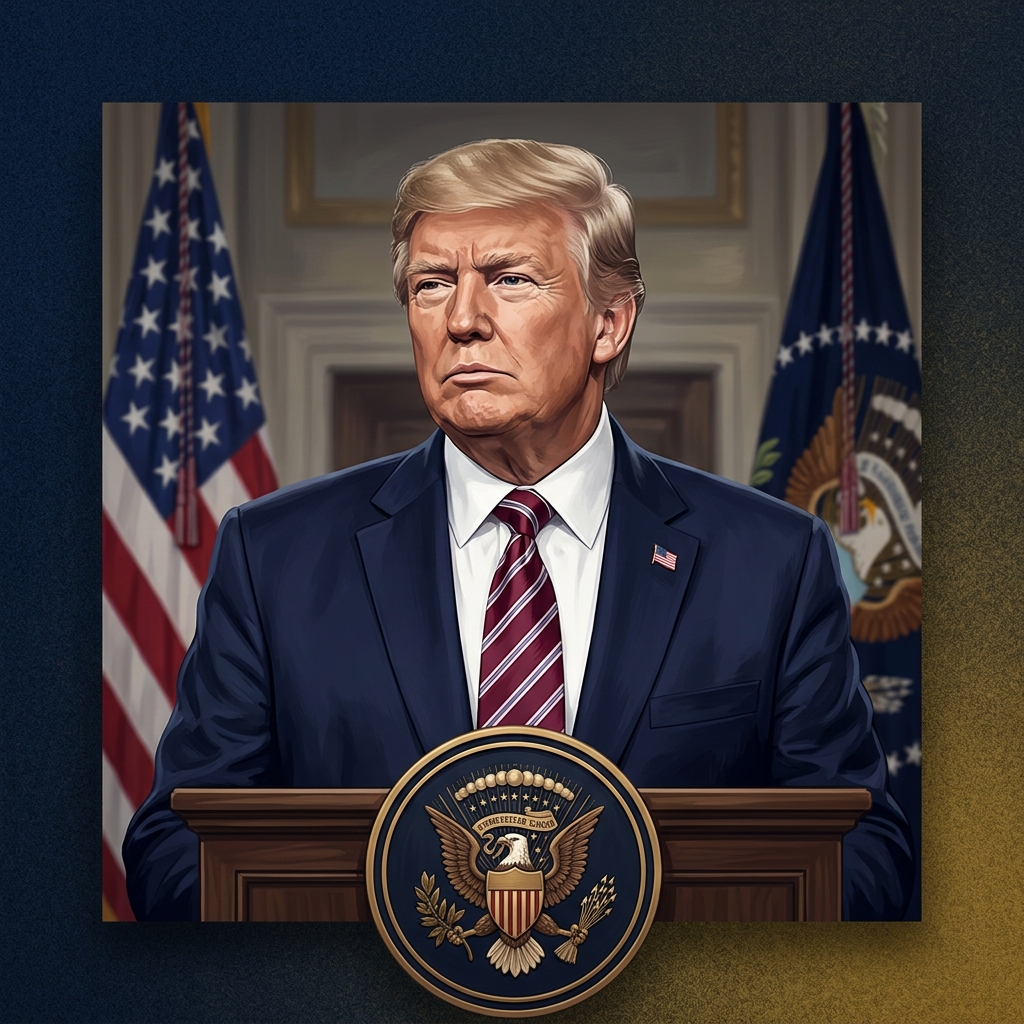
Trump administration

VS
Iran policy critics

The article discusses how the outcome of the US midterm elections creates uncertainty for US policy toward Iran, with competing views on whether the election results will constrain or enable the Trump administration's approach to Tehran.
*AI-generated summary of publicly available data. This is not an official statement of any party.
*AI-generated summary of publicly available statements and reporting. This is not an official statement of this party.
Supporters of the Trump administration argue that continuity in America's Iran posture reflects a settled national consensus, and they maintain that shifting course after midterms would signal weakness and undermine the credibility of inherited foreign-policy commitments.
Supporters of the Trump administration argue that steady pressure on Tehran reflects a durable American tradition of standing firm against adversaries, and they maintain that shifting electoral winds should not weaken that inherited resolve.
Supporters of the Trump administration counter that midterm results reflect local and economic concerns, not a cultural rejection of confronting Tehran, arguing that inherited American resolve against threats endures beyond any single election cycle.
Supporters of the Trump administration argue that election outcomes do not diminish the president's constitutional authority to direct Iran policy, maintaining that sanctions and pressure remain lawful executive tools regardless of midterm results.
Supporters of the Trump administration counter that existing statutes and long-standing executive sanctions authority already provide the legal footing, so congressional reauthorization isn't required for every step.
Supporters of the Trump administration argue that midterm losses don't strip the president of sanctions and military leverage, so pressure on Iran continues regardless of Congress.
Supporters of the Trump administration argue that midterm losses don't strip the president of sanctions leverage or Gulf backing, so pressure on Tehran continues regardless of Congress.
Supporters of the Trump administration counter that sanctions and military pressure run through the executive regardless of midterms, so Tehran still faces the same costs—and divided government gives the White House a convenient foil rather than reduced leverage.
Supporters of the Trump administration argue that Iran policy should rest on sovereign judgment and pressure, not be swayed by election results, maintaining that emboldening Tehran through political uncertainty would betray the moral duty to hold a hostile regime accountable.
Supporters of Trump administration argue that a moral Iran policy requires keeping maximum pressure regardless of midterm gridlock, since bargaining away sanctions for political convenience would betray the principle of holding Tehran accountable.
Supporters of the Trump administration counter that accountability runs the other way: a government that menaces its own people forfeits any moral claim to relief, and sanctions target the regime, not civilians.
Supporters of the Trump administration argue that faith and moral clarity must guide foreign policy, maintaining that confronting Tehran's regime protects religious freedom and upholds a just order.
Supporters of the Trump administration argue that faith and moral clarity must guide policy toward Tehran, maintaining that the midterms should not weaken resolve against a regime they view as a threat to religious freedom and regional stability.
Supporters of the Trump administration counter that scripture also upholds justice and the defense of the innocent, so they argue that firmness toward Tehran is itself a moral duty rather than a departure from religious teaching.
*AI-generated summary of publicly available statements and reporting. This is not an official statement of this party.
Supporters of Iran policy critics argue the midterms revealed Americans' cultural unease with unilateral confrontation, citing divided results as evidence voters never endorsed the administration's hardline course toward Tehran.
Supporters of Iran policy critics argue that US posture toward Tehran has long rested on regime-change assumptions rooted in 1953, and they see the midterms as a cultural check on repeating that precedent.
Supporters of Iran policy critics counter that invoking a "settled consensus" ignores how past U.S.
Supporters of Iran policy critics argue that any Iran policy reshaped after the midterms must rest on clear legal authority, maintaining that sanctions and military steps require statutory footing and congressional oversight rather than unilateral executive action.
Supporters of Iran policy critics argue that domestic legal checks—congressional oversight and electoral accountability—are legitimate constraints on executive action, contending that the midterm results give lawmakers standing to challenge unilateral Iran measures.
Supporters of Iran policy critics counter that sanctions authority is statutory, not inherent—Congress sets the legal limits, so midterm results do legally constrain how far pressure tactics can go.
Supporters of Iran policy critics argue that midterm losses weaken Trump’s leverage, so Tehran will exploit divided power to demand concessions while Washington’s sanctions coalition frays.
Supporters of Iran policy critics argue that midterm losses weaken Trump's leverage against Tehran, betting that divided Washington constrains his room to escalate and forces concessions critics can exploit.
Supporters of Iran policy critics counter that leverage without credibility is hollow: allies and Tehran read midterm losses as reduced resolve, and sanctions relief waivers or war powers votes can quietly erode pressure regardless of formal authority.
Supporters of Iran policy critics argue that the midterm results gave Congress a moral mandate to check unilateral pressure on Tehran, insisting that punitive sanctions harming civilians must yield to diplomacy and accountability.
Supporters of Iran policy critics argue that punishing ordinary Iranians through sanctions while ignoring the moral costs of confrontation is unjust, and they maintain that diplomacy rooted in fairness better serves regional civilians.
Critics of the administration counter that a policy inflicting collective hardship on ordinary Iranians while claiming moral accountability is itself a betrayal, since moral duty requires weighing the human cost of pressure on a civilian population.
Supporters of Iran policy critics argue that scriptural calls for mercy and restraint should guide US dealings with Tehran, and they maintain that the midterm results offer a moral opening to reconsider punitive measures rather than escalate them.
Supporters of Iran policy critics argue that scriptural mandates for mercy and restraint should govern US dealings with Tehran, and they cite the midterm results as a moral check on punitive policies they view as contrary to faith.
Supporters of Iran policy critics counter that just-war theology demands proportionality and civilian protection, arguing that sanctions and threats of force harm ordinary Iranians and contradict the moral clarity the administration invokes.
AI-generated summary of publicly available statements and reporting. This is not an official statement of this party.
Supporters of the Trump administration argue that continuity in America's Iran posture reflects a settled national consensus, and they maintain that shifting course after midterms would signal weakness and undermine the credibility of inherited foreign-policy commitments.
Supporters of the Trump administration argue that steady pressure on Tehran reflects a durable American tradition of standing firm against adversaries, and they maintain that shifting electoral winds should not weaken that inherited resolve.
Supporters of the Trump administration counter that midterm results reflect local and economic concerns, not a cultural rejection of confronting Tehran, arguing that inherited American resolve against threats endures beyond any single election cycle.
Supporters of the Trump administration argue that election outcomes do not diminish the president's constitutional authority to direct Iran policy, maintaining that sanctions and pressure remain lawful executive tools regardless of midterm results.
Supporters of the Trump administration counter that existing statutes and long-standing executive sanctions authority already provide the legal footing, so congressional reauthorization isn't required for every step.
Supporters of the Trump administration argue that midterm losses don't strip the president of sanctions and military leverage, so pressure on Iran continues regardless of Congress.
Supporters of the Trump administration argue that midterm losses don't strip the president of sanctions leverage or Gulf backing, so pressure on Tehran continues regardless of Congress.
Supporters of the Trump administration counter that sanctions and military pressure run through the executive regardless of midterms, so Tehran still faces the same costs—and divided government gives the White House a convenient foil rather than reduced leverage.
Supporters of the Trump administration argue that Iran policy should rest on sovereign judgment and pressure, not be swayed by election results, maintaining that emboldening Tehran through political uncertainty would betray the moral duty to hold a hostile regime accountable.
Supporters of Trump administration argue that a moral Iran policy requires keeping maximum pressure regardless of midterm gridlock, since bargaining away sanctions for political convenience would betray the principle of holding Tehran accountable.
Supporters of the Trump administration counter that accountability runs the other way: a government that menaces its own people forfeits any moral claim to relief, and sanctions target the regime, not civilians.
Supporters of the Trump administration argue that faith and moral clarity must guide foreign policy, maintaining that confronting Tehran's regime protects religious freedom and upholds a just order.
Supporters of the Trump administration argue that faith and moral clarity must guide policy toward Tehran, maintaining that the midterms should not weaken resolve against a regime they view as a threat to religious freedom and regional stability.
Supporters of the Trump administration counter that scripture also upholds justice and the defense of the innocent, so they argue that firmness toward Tehran is itself a moral duty rather than a departure from religious teaching.
Supporters of Iran policy critics argue the midterms revealed Americans' cultural unease with unilateral confrontation, citing divided results as evidence voters never endorsed the administration's hardline course toward Tehran.
Supporters of Iran policy critics argue that US posture toward Tehran has long rested on regime-change assumptions rooted in 1953, and they see the midterms as a cultural check on repeating that precedent.
Supporters of Iran policy critics counter that invoking a "settled consensus" ignores how past U.S.
Supporters of Iran policy critics argue that any Iran policy reshaped after the midterms must rest on clear legal authority, maintaining that sanctions and military steps require statutory footing and congressional oversight rather than unilateral executive action.
Supporters of Iran policy critics argue that domestic legal checks—congressional oversight and electoral accountability—are legitimate constraints on executive action, contending that the midterm results give lawmakers standing to challenge unilateral Iran measures.
Supporters of Iran policy critics counter that sanctions authority is statutory, not inherent—Congress sets the legal limits, so midterm results do legally constrain how far pressure tactics can go.
Supporters of Iran policy critics argue that midterm losses weaken Trump’s leverage, so Tehran will exploit divided power to demand concessions while Washington’s sanctions coalition frays.
Supporters of Iran policy critics argue that midterm losses weaken Trump's leverage against Tehran, betting that divided Washington constrains his room to escalate and forces concessions critics can exploit.
Supporters of Iran policy critics counter that leverage without credibility is hollow: allies and Tehran read midterm losses as reduced resolve, and sanctions relief waivers or war powers votes can quietly erode pressure regardless of formal authority.
Supporters of Iran policy critics argue that the midterm results gave Congress a moral mandate to check unilateral pressure on Tehran, insisting that punitive sanctions harming civilians must yield to diplomacy and accountability.
Supporters of Iran policy critics argue that punishing ordinary Iranians through sanctions while ignoring the moral costs of confrontation is unjust, and they maintain that diplomacy rooted in fairness better serves regional civilians.
Critics of the administration counter that a policy inflicting collective hardship on ordinary Iranians while claiming moral accountability is itself a betrayal, since moral duty requires weighing the human cost of pressure on a civilian population.
Supporters of Iran policy critics argue that scriptural calls for mercy and restraint should guide US dealings with Tehran, and they maintain that the midterm results offer a moral opening to reconsider punitive measures rather than escalate them.
Supporters of Iran policy critics argue that scriptural mandates for mercy and restraint should govern US dealings with Tehran, and they cite the midterm results as a moral check on punitive policies they view as contrary to faith.
Supporters of Iran policy critics counter that just-war theology demands proportionality and civilian protection, arguing that sanctions and threats of force harm ordinary Iranians and contradict the moral clarity the administration invokes.
US midterm elections that produced results adding uncertainty to US Iran policy.