Trump administration
VS
Iraqi Kurdistan
The Trump administration and Iraqi Kurdistan are the two parties in this dispute.
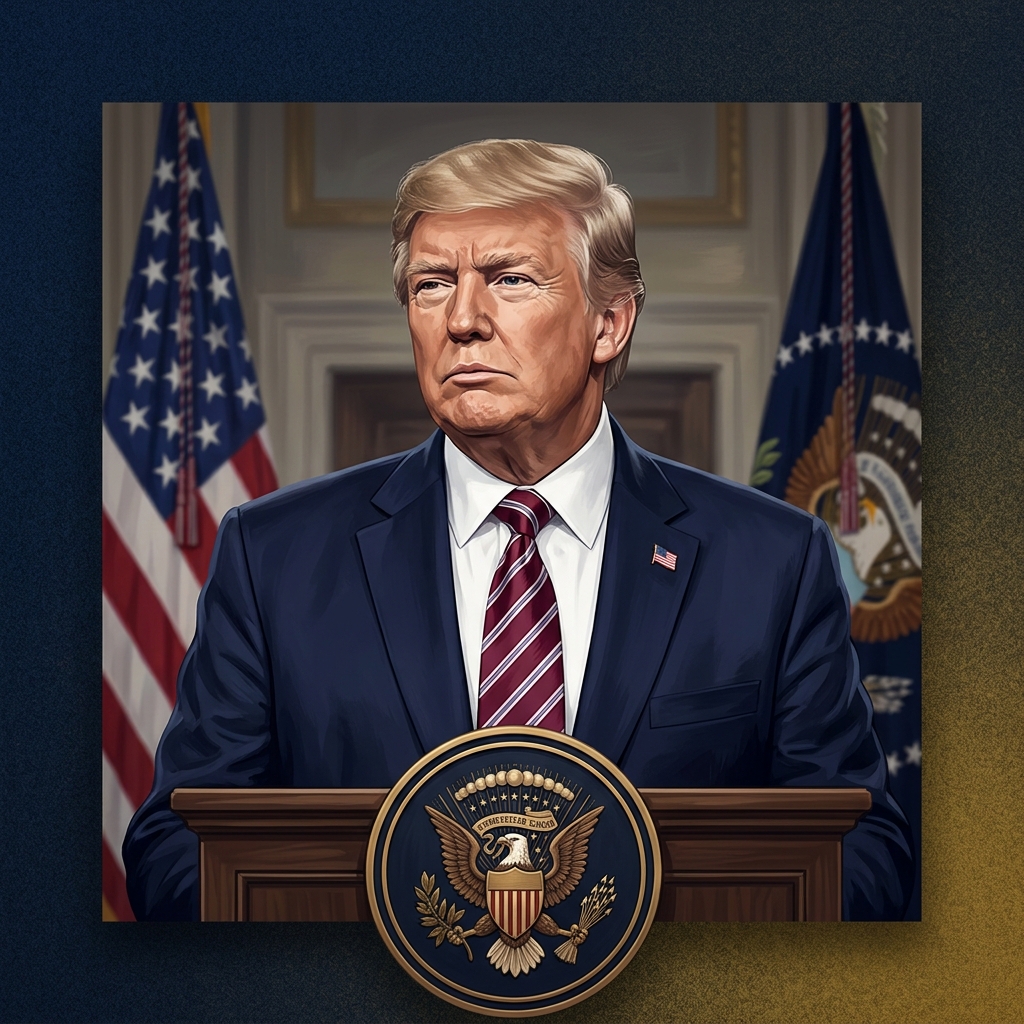
The Trump administration is the executive branch of the United States government, which has historically provided military and financial support to Kurdish forces in the Middle East.
Iraqi Kurdistan is a semi-autonomous region in northern Iraq, governed by the Kurdistan Regional Government, and has been a key ally of the United States in the fight against ISIS and in regional security efforts.
The conflict centers on the Trump administration's decision to cut off military aid to Iraqi Kurdistan, a move that has raised concerns about the region's vulnerability to attacks from Iran.
The administration's broader policy toward Kurdish groups has been inconsistent, with some actions offering support to Kurdish insurgent efforts against Iran, while other actions have ended aid programs in Iraq.
This has created uncertainty about the future of the US-Kurdish alliance and the stability of the region.
The stakes are high for both parties.
For Iraqi Kurdistan, the loss of US military aid could weaken its defenses and its position in regional politics.
For the Trump administration, the decision reflects a broader recalibration of US interests in the Middle East, where Kurdish actions have sometimes been seen as interfering with more important geopolitical goals.
The outcome of this dispute could have significant implications for regional security and the balance of power in the area.
*AI-generated summary of publicly available data. This is not an official statement of any party.
*AI-generated summary of publicly available statements and reporting. This is not an official statement of this party.
Supporters of the Trump administration argue that reducing aid to Iraqi Kurdistan preserves American strategic independence, prioritizing stable, transactional alliances over inherited regional commitments that risk overextension.
Supporters of the Trump administration argue that military aid to Iraqi Kurdistan must be reassessed to prioritize enduring American interests, not perpetual regional dependencies.
Supporters of the Trump administration counter that shared heritage alone does not secure borders, and that Iraq’s federal unity, not Kurdish separatism, remains the stable anchor against Iranian expansion in the region.
Supporters of the Trump administration argue that withholding military aid is a lawful exercise of presidential discretion over foreign assistance, grounded in national-interest reviews of allied commitments.
Supporters of the Trump administration argue that military aid to Iraqi Kurdistan is a discretionary legal commitment, not a binding treaty obligation, and that US law permits reallocating such assistance to prioritize national interests.
Supporters of the Trump administration counter that mutual defense pacts are not open-ended contracts, but conditional agreements tied to sovereign obligations, and Iraq’s central government remains the sole legal partner under U.S. law.
Supporters of the Trump administration argue the aid cut is a leverage play, not abandonment—Kurdistan’s dependency forces it to align with Washington’s broader Iran containment strategy rather than freeload, and the risk of Tehran’s attacks is precisely the incentive that keeps.
Supporters of the Trump administration argue the aid cut is realpolitik, not abandonment; Iraqi Kurdistan’s leverage has waned, and Washington sees no incentive to subsidize a partner that cannot deter Iran without US backing.
Supporters of the Trump administration counter that leverage flows from unpredictability, not loyalty; the aid cutoff signals to Tehran that Washington’s commitments are conditional, forcing Iraqi Kurdistan to renegotiate its own survival, which ultimately strengthens US bargaini.
Supporters of the Trump administration argue that ending military aid to Iraqi Kurdistan reflects a moral duty to prioritize American resources and avoid endless foreign entanglements, insisting that fairness requires allies to assume greater responsibility for their own defense.
Supporters of the Trump administration argue that ending military aid to Iraqi Kurdistan upholds moral consistency, refusing to subsidize a partner while US resources strain domestic needs.
Supporters of the Trump administration counter that moral duty also demands accountability for a region’s internal stability, not blanket loyalty to a partner whose own divisions and corruption threaten the very security the US helped secure.
Supporters of the Trump administration argue that divine providence guides their decision to end military aid to Iraqi Kurdistan, trusting that faith, not foreign arms, secures a nation's true sovereignty.
Supporters of the Trump administration argue that providence calls nations to wield power with prudence, not perpetual dependency; ending aid to Iraqi Kurdistan reflects faith in sovereign stewardship over endless intervention.
Supporters of the Trump administration counter that divine providence has guided the U.S. to prioritize national sovereignty over regional alliances, and that true protection for minorities comes not from aid but from God’s enduring covenant with the faithful.
*AI-generated summary of publicly available statements and reporting. This is not an official statement of this party.
Supporters of Iraqi Kurdistan argue that the region's distinct Kurdish identity and centuries-old culture of resilience make it a natural, steadfast ally, and that cutting aid disregards this shared heritage of resistance against Iranian influence.
Supporters of Iraqi Kurdistan argue that cutting aid erases decades of shared sacrifice, as Kurdish forces fought alongside the US against Iran-backed militias.
Supporters of Iraqi Kurdistan counter that cultural kinship and shared democratic values, not transactional aid, anchor the region's alliance with the United States, arguing that abandoning these bonds undermines a loyal partner's identity and regional stability.
Supporters of Iraqi Kurdistan argue the aid cutoff violates the legal spirit of mutual defense pacts, as the region acted as a US ally against shared threats, and the withdrawal undermines the contractual trust underpinning that alliance.
Supporters of Iraqi Kurdistan argue that withholding agreed military aid breaches the mutual-defense understanding underpinning the US-Kurdish alliance, leaving the region legally exposed to Iranian aggression.
Supporters of Iraqi Kurdistan counter that statutory aid conditions, not executive discretion, govern such funds, and that withholding assistance without congressional notification violates the law, leaving the region without mandated security support.
Supporters of Iraqi Kurdistan argue Washington's aid cutoff is a strategic miscalculation that rewards Iranian pressure and punishes a proven ally, leaving the region exposed to Tehran's proxies while the US loses leverage over both.
Supporters of Iraqi Kurdistan argue Washington's aid cutoff is a raw power play that ignores leverage, leaving the region exposed to Iran while the US courts Baghdad.
Supporters of Iraqi Kurdistan counter that leverage cuts both ways: Washington’s aid reduction merely pushes Erbil toward Tehran for survival, since Iran controls borders, energy, and militia pressure.
Supporters of Iraqi Kurdistan argue that abandoning a proven ally undermines the moral duty to protect those who stood with the US against shared threats.
Supporters of Iraqi Kurdistan argue that abandoning a proven ally undermines the moral duty to protect those who fought alongside the US against shared threats.
Supporters of Iraqi Kurdistan counter that the Trump administration’s claim of moral duty ignores the region’s proven sacrifice against ISIS, arguing that fairness cuts both ways—abandoning a loyal ally who bled for shared security is itself a moral failure, not prudent restraint.
Supporters of Iraqi Kurdistan argue that religious and ethnic minorities in the region rely on this alliance as a shield, and cutting aid endangers their ancient Christian and Yazidi communities, whom they see as guardians of a sacred heritage against Iranian-backed threats.
Supporters of Iraqi Kurdistan argue that abandoning a faithful ally violates the sacred duty of protecting the vulnerable, as their people’s enduring faith and sacrifices merit steadfast support.
Supporters of Iraqi Kurdistan challenge that divine providence also speaks through self-defense, citing Kurdish faith and resilience as reasons to preserve, not sever, allied support that has shielded their ancient Christian and Yazidi communities.
AI-generated summary of publicly available statements and reporting. This is not an official statement of this party.
Supporters of the Trump administration argue that reducing aid to Iraqi Kurdistan preserves American strategic independence, prioritizing stable, transactional alliances over inherited regional commitments that risk overextension.
Supporters of the Trump administration argue that military aid to Iraqi Kurdistan must be reassessed to prioritize enduring American interests, not perpetual regional dependencies.
Supporters of the Trump administration counter that shared heritage alone does not secure borders, and that Iraq’s federal unity, not Kurdish separatism, remains the stable anchor against Iranian expansion in the region.
Supporters of the Trump administration argue that withholding military aid is a lawful exercise of presidential discretion over foreign assistance, grounded in national-interest reviews of allied commitments.
Supporters of the Trump administration argue that military aid to Iraqi Kurdistan is a discretionary legal commitment, not a binding treaty obligation, and that US law permits reallocating such assistance to prioritize national interests.
Supporters of the Trump administration counter that mutual defense pacts are not open-ended contracts, but conditional agreements tied to sovereign obligations, and Iraq’s central government remains the sole legal partner under U.S. law.
Supporters of the Trump administration argue the aid cut is a leverage play, not abandonment—Kurdistan’s dependency forces it to align with Washington’s broader Iran containment strategy rather than freeload, and the risk of Tehran’s attacks is precisely the incentive that keeps.
Supporters of the Trump administration argue the aid cut is realpolitik, not abandonment; Iraqi Kurdistan’s leverage has waned, and Washington sees no incentive to subsidize a partner that cannot deter Iran without US backing.
Supporters of the Trump administration counter that leverage flows from unpredictability, not loyalty; the aid cutoff signals to Tehran that Washington’s commitments are conditional, forcing Iraqi Kurdistan to renegotiate its own survival, which ultimately strengthens US bargaini.
Supporters of the Trump administration argue that ending military aid to Iraqi Kurdistan reflects a moral duty to prioritize American resources and avoid endless foreign entanglements, insisting that fairness requires allies to assume greater responsibility for their own defense.
Supporters of the Trump administration argue that ending military aid to Iraqi Kurdistan upholds moral consistency, refusing to subsidize a partner while US resources strain domestic needs.
Supporters of the Trump administration counter that moral duty also demands accountability for a region’s internal stability, not blanket loyalty to a partner whose own divisions and corruption threaten the very security the US helped secure.
Supporters of the Trump administration argue that divine providence guides their decision to end military aid to Iraqi Kurdistan, trusting that faith, not foreign arms, secures a nation's true sovereignty.
Supporters of the Trump administration argue that providence calls nations to wield power with prudence, not perpetual dependency; ending aid to Iraqi Kurdistan reflects faith in sovereign stewardship over endless intervention.
Supporters of the Trump administration counter that divine providence has guided the U.S. to prioritize national sovereignty over regional alliances, and that true protection for minorities comes not from aid but from God’s enduring covenant with the faithful.
Supporters of Iraqi Kurdistan argue that the region's distinct Kurdish identity and centuries-old culture of resilience make it a natural, steadfast ally, and that cutting aid disregards this shared heritage of resistance against Iranian influence.
Supporters of Iraqi Kurdistan argue that cutting aid erases decades of shared sacrifice, as Kurdish forces fought alongside the US against Iran-backed militias.
Supporters of Iraqi Kurdistan counter that cultural kinship and shared democratic values, not transactional aid, anchor the region's alliance with the United States, arguing that abandoning these bonds undermines a loyal partner's identity and regional stability.
Supporters of Iraqi Kurdistan argue the aid cutoff violates the legal spirit of mutual defense pacts, as the region acted as a US ally against shared threats, and the withdrawal undermines the contractual trust underpinning that alliance.
Supporters of Iraqi Kurdistan argue that withholding agreed military aid breaches the mutual-defense understanding underpinning the US-Kurdish alliance, leaving the region legally exposed to Iranian aggression.
Supporters of Iraqi Kurdistan counter that statutory aid conditions, not executive discretion, govern such funds, and that withholding assistance without congressional notification violates the law, leaving the region without mandated security support.
Supporters of Iraqi Kurdistan argue Washington's aid cutoff is a strategic miscalculation that rewards Iranian pressure and punishes a proven ally, leaving the region exposed to Tehran's proxies while the US loses leverage over both.
Supporters of Iraqi Kurdistan argue Washington's aid cutoff is a raw power play that ignores leverage, leaving the region exposed to Iran while the US courts Baghdad.
Supporters of Iraqi Kurdistan counter that leverage cuts both ways: Washington’s aid reduction merely pushes Erbil toward Tehran for survival, since Iran controls borders, energy, and militia pressure.
Supporters of Iraqi Kurdistan argue that abandoning a proven ally undermines the moral duty to protect those who stood with the US against shared threats.
Supporters of Iraqi Kurdistan argue that abandoning a proven ally undermines the moral duty to protect those who fought alongside the US against shared threats.
Supporters of Iraqi Kurdistan counter that the Trump administration’s claim of moral duty ignores the region’s proven sacrifice against ISIS, arguing that fairness cuts both ways—abandoning a loyal ally who bled for shared security is itself a moral failure, not prudent restraint.
Supporters of Iraqi Kurdistan argue that religious and ethnic minorities in the region rely on this alliance as a shield, and cutting aid endangers their ancient Christian and Yazidi communities, whom they see as guardians of a sacred heritage against Iranian-backed threats.
Supporters of Iraqi Kurdistan argue that abandoning a faithful ally violates the sacred duty of protecting the vulnerable, as their people’s enduring faith and sacrifices merit steadfast support.
Supporters of Iraqi Kurdistan challenge that divine providence also speaks through self-defense, citing Kurdish faith and resilience as reasons to preserve, not sever, allied support that has shielded their ancient Christian and Yazidi communities.
Iraqi Kurdistan fears the Trump administration's plan will make the region more vulnerable to further attacks from Iran.
A commentary suggested that the Trump administration could use frozen assets to compensate victims of Iranian-backed attacks, with Iraqi Kurdistan fitting the criteria.
In outreach to Kurdish minority leaders in Iran and neighboring Iraq, President Trump offered U.S. support to insurgent efforts against Tehran.
The Washington Institute reported that the broader Trump administration approach was providing hope to most Kurdish parties in Iraq, though concerns remained in the Syrian context.
The Trump Administration's 2025 foreign aid review ended some U.S. aid programs in Iraq and preserved others, according to a Congressional Research Service report.
A Cato Institute commentary argued that the Trump administration had 'dumped' the Kurds, concluding that Kurdish actions were interfering with more important U.S. geopolitical interests.