Trump administration
VS
Jalisco cartel
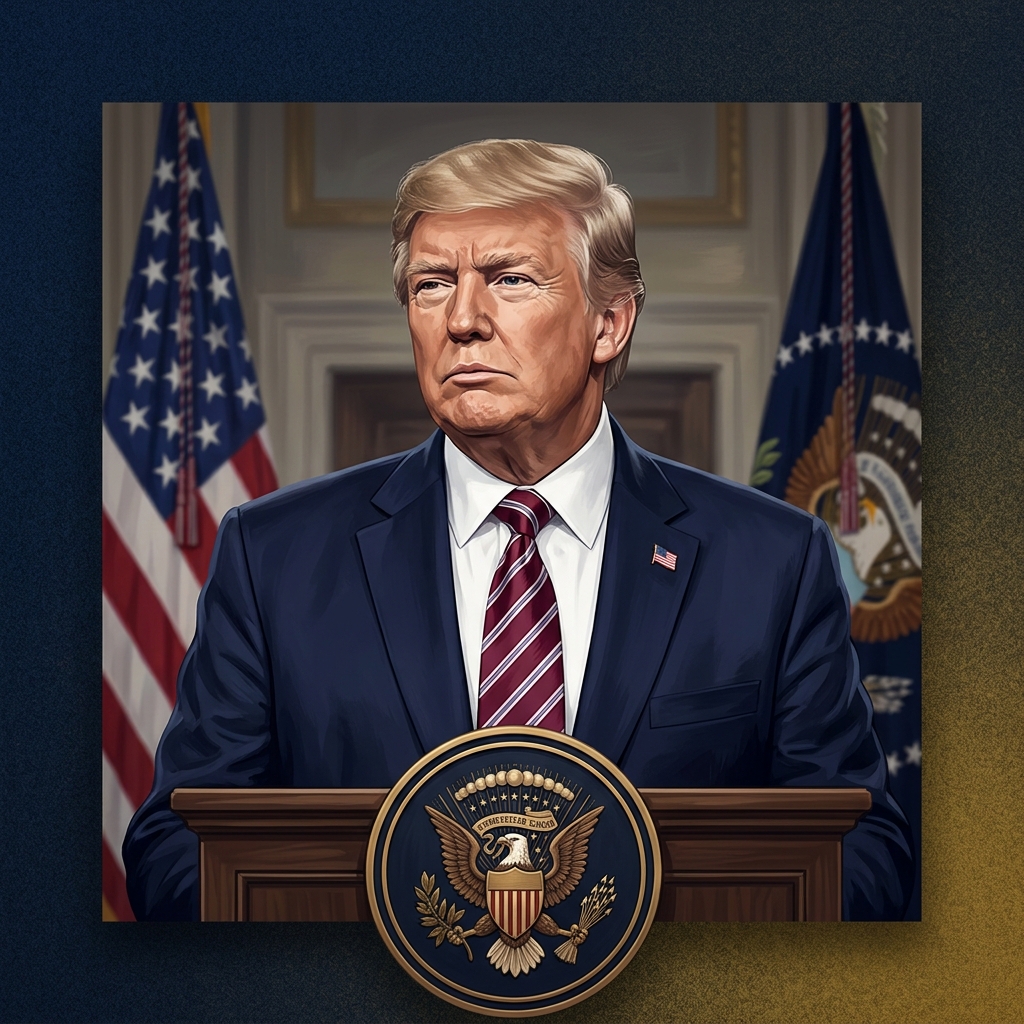
The Trump administration is the executive branch of the United States government, led by President Donald Trump.
The Jalisco New Generation Cartel (CJNG) is a Mexican criminal organization, designated by the Trump administration as a Foreign Terrorist Organization (FTO) and a Specially Designated Global Terrorist (SDGT).
The two sides have conflicting interests because the Trump administration seeks to weaken the leadership of high-profile Mexican cartels, including CJNG, through measures such as rewards, visa restrictions, and criminal charges.
CJNG, as a criminal organization, operates in opposition to these U.S. efforts, which aim to disrupt its activities and leadership.
The Trump administration has announced rewards exceeding $100 million for information leading to the capture of eight CJNG leaders, and the U.S.
Justice Department has unsealed criminal charges against five alleged high-ranking members of the cartel.
These actions are part of broader U.S. efforts to combat drug trafficking and related criminal activities.
*AI-generated summary of publicly available data. This is not an official statement of any party.
*AI-generated summary of publicly available statements and reporting. This is not an official statement of this party.
Supporters of the Trump administration argue that these rewards uphold the rule of law and honor the cultural value of public safety, which the Jalisco cartel threatens through violence.
Supporters of the Trump administration argue that the rewards uphold the rule of law, reinforcing cultural norms of justice and order against criminal disruption.
Supporters of the Trump administration counter that cultural framing cannot excuse criminal violence, as the cartel’s actions undermine the very community traditions it claims to represent, turning folk identity into a tool for terror.
Supporters of the Trump administration argue the rewards lawfully target a criminal enterprise, not a sovereign state, using authorized channels to enforce U.S. law. They maintain the legal authority to incentivize intelligence on cartel leaders is a legitimate exercise of.
Supporters of the Trump administration argue that the rewards lawfully exercise US jurisdiction against CJNG as a transnational criminal enterprise, framing the bounties as a legitimate legal tool to enforce justice and dismantle a violent organization, not an act of war. They.
Supporters of the Trump administration counter that rewards are lawful tools, not verdicts, targeting fugitives under existing statutes like the Narcotics Rewards Program, which Congress authorized. They argue due process applies to trials, not executive actions aimed at.
Supporters of the Trump administration argue the $100 million bounty is pure realpolitik, targeting eight kingpins to sever the cartel’s command chain and force internal chaos. They maintain the price tag signals to informants and rivals that Washington will outbid loyalty,.
Supporters of the Trump administration argue the $100 million bounty is a coercive lever, targeting cartel leaders to trigger internal betrayal and fracture the Jalisco New Generation Cartel’s command structure, viewing it as a pragmatic power move that forces rivals to compete.
Supporters of the Trump administration counter that the reward is a calculated pressure lever, not an admission of weakness; it forces cartel assets to defect or turn informants, destabilizing Jalisco’s internal trust and financing.
Supporters of the Trump administration argue that offering rewards for cartel leaders is a moral duty to uphold universal human rights, viewing the Jalisco cartel as a transnational threat whose prosecution serves global justice and cooperation.
Supporters of the Trump administration argue that targeting cartel leaders is a moral duty to protect lives, framing the rewards as an international stand for universal human rights against a criminal organization's violence.
Supporters of the Trump administration counter that the rewards uphold a universal moral duty to combat cartel violence, not coercive profit. They argue the state’s force targets criminal impunity, while cartel cooperation remains a voluntary choice, not an equivalence of state.
Supporters of the Trump administration view the cartel rewards as a defense of moral order, arguing that confronting criminal forces upholds the divine mandate for justice against those who sow chaos and corruption.
Supporters of the Trump administration view the rewards as a lawful stand against lawlessness, upholding the divine order of justice against criminal chaos.
Supporters of the Trump administration counter that the rewards are a lawful exercise of earthly authority, ordained by God to restrain evil, and that divine judgment alone does not absolve the cartel’s earthly crimes.
*AI-generated summary of publicly available statements and reporting. This is not an official statement of this party.
Supporters of the Jalisco cartel argue that US rewards ignore the cartel's deep roots in local cultural identity, framing the leaders as folk figures rather than foreign threats.
Supporters of the Jalisco cartel argue that the U.S. rewards exploit Mexican sovereignty, framing the cartel as a local cultural response to foreign intervention.
Supporters of the Jalisco cartel counter that the rewards impose foreign moral standards, dismissing the region’s lived cultural reality where community loyalty and survival outweigh state-imposed notions of public safety.
Supporters of Jalisco cartel argue the rewards violate due process, treating accused leaders as convicted without trial. They maintain that US legal standards require evidence in court, not public bounties, which they see as circumventing judicial oversight.
Supporters of the Jalisco cartel argue the rewards violate due process, as the US Treasury’s designations offer no judicial hearing or evidence trail, undermining legal standards for targeting individuals.
Supporters of the Jalisco cartel counter that the rewards program ignores Mexico’s sovereignty, as U.S. law enforcement operates extraterritorially without bilateral consent, undermining legal norms of jurisdiction.
Supporters of the Jalisco cartel argue the $100 million reward is a tactical admission of US impotence, exposing that Washington targets rivals it cannot defeat through force or law.
Supporters of the Jalisco cartel argue the U.S. rewards are a weak lever, since cartel power rests on local corruption and drug demand, not on eight figureheads. They maintain that Washington’s $100 million gesture merely inflates the leaders’ mystique, while the real prize—U.S.
Supporters of Jalisco cartel counter that the bounty only reifies their power, as no rival or informant survives betrayal long enough to collect. They argue the price tag, far from severing command, merely raises the cartel’s recruitment premium, converting Washington’s leverage.
Supporters of the Jalisco cartel argue that the U.S. rewards are a moral overreach, framing voluntary cooperation for profit as justice while ignoring the state's own coercive violence.
Supporters of the Jalisco cartel argue that the U.S. rewards treat a criminal enterprise as a political enemy, yet the moral failing lies not in the cartel’s existence but in a government that outsources justice to paid informants, undermining individual accountability.
Supporters of the Jalisco cartel counter that the reward program imposes one nation’s moral code on sovereign territories, ignoring local autonomy and the cartel’s role in community order. They argue that universal human rights claims mask coercive intervention, and that.
Supporters of the Jalisco cartel argue that the rewards reflect a worldly power struggle, not divine justice, citing scripture that earthly authorities wield the sword but only God judges the soul.
Supporters of the Jalisco cartel argue that the $100 million reward is a worldly temptation, yet scripture warns divine justice, not earthly bounties, governs men’s souls.
Supporters of the Jalisco cartel counter that divine justice is not served by state-sanctioned violence, as scripture warns against vengeance belonging solely to God, and they argue the rewards themselves sow moral chaos.
AI-generated summary of publicly available statements and reporting. This is not an official statement of this party.
Supporters of the Trump administration argue that these rewards uphold the rule of law and honor the cultural value of public safety, which the Jalisco cartel threatens through violence.
Supporters of the Trump administration argue that the rewards uphold the rule of law, reinforcing cultural norms of justice and order against criminal disruption.
Supporters of the Trump administration counter that cultural framing cannot excuse criminal violence, as the cartel’s actions undermine the very community traditions it claims to represent, turning folk identity into a tool for terror.
Supporters of the Trump administration argue the rewards lawfully target a criminal enterprise, not a sovereign state, using authorized channels to enforce U.S. law. They maintain the legal authority to incentivize intelligence on cartel leaders is a legitimate exercise of.
Supporters of the Trump administration argue that the rewards lawfully exercise US jurisdiction against CJNG as a transnational criminal enterprise, framing the bounties as a legitimate legal tool to enforce justice and dismantle a violent organization, not an act of war. They.
Supporters of the Trump administration counter that rewards are lawful tools, not verdicts, targeting fugitives under existing statutes like the Narcotics Rewards Program, which Congress authorized. They argue due process applies to trials, not executive actions aimed at.
Supporters of the Trump administration argue the $100 million bounty is pure realpolitik, targeting eight kingpins to sever the cartel’s command chain and force internal chaos. They maintain the price tag signals to informants and rivals that Washington will outbid loyalty,.
Supporters of the Trump administration argue the $100 million bounty is a coercive lever, targeting cartel leaders to trigger internal betrayal and fracture the Jalisco New Generation Cartel’s command structure, viewing it as a pragmatic power move that forces rivals to compete.
Supporters of the Trump administration counter that the reward is a calculated pressure lever, not an admission of weakness; it forces cartel assets to defect or turn informants, destabilizing Jalisco’s internal trust and financing.
Supporters of the Trump administration argue that offering rewards for cartel leaders is a moral duty to uphold universal human rights, viewing the Jalisco cartel as a transnational threat whose prosecution serves global justice and cooperation.
Supporters of the Trump administration argue that targeting cartel leaders is a moral duty to protect lives, framing the rewards as an international stand for universal human rights against a criminal organization's violence.
Supporters of the Trump administration counter that the rewards uphold a universal moral duty to combat cartel violence, not coercive profit. They argue the state’s force targets criminal impunity, while cartel cooperation remains a voluntary choice, not an equivalence of state.
Supporters of the Trump administration view the cartel rewards as a defense of moral order, arguing that confronting criminal forces upholds the divine mandate for justice against those who sow chaos and corruption.
Supporters of the Trump administration view the rewards as a lawful stand against lawlessness, upholding the divine order of justice against criminal chaos.
Supporters of the Trump administration counter that the rewards are a lawful exercise of earthly authority, ordained by God to restrain evil, and that divine judgment alone does not absolve the cartel’s earthly crimes.
Supporters of the Jalisco cartel argue that US rewards ignore the cartel's deep roots in local cultural identity, framing the leaders as folk figures rather than foreign threats.
Supporters of the Jalisco cartel argue that the U.S. rewards exploit Mexican sovereignty, framing the cartel as a local cultural response to foreign intervention.
Supporters of the Jalisco cartel counter that the rewards impose foreign moral standards, dismissing the region’s lived cultural reality where community loyalty and survival outweigh state-imposed notions of public safety.
Supporters of Jalisco cartel argue the rewards violate due process, treating accused leaders as convicted without trial. They maintain that US legal standards require evidence in court, not public bounties, which they see as circumventing judicial oversight.
Supporters of the Jalisco cartel argue the rewards violate due process, as the US Treasury’s designations offer no judicial hearing or evidence trail, undermining legal standards for targeting individuals.
Supporters of the Jalisco cartel counter that the rewards program ignores Mexico’s sovereignty, as U.S. law enforcement operates extraterritorially without bilateral consent, undermining legal norms of jurisdiction.
Supporters of the Jalisco cartel argue the $100 million reward is a tactical admission of US impotence, exposing that Washington targets rivals it cannot defeat through force or law.
Supporters of the Jalisco cartel argue the U.S. rewards are a weak lever, since cartel power rests on local corruption and drug demand, not on eight figureheads. They maintain that Washington’s $100 million gesture merely inflates the leaders’ mystique, while the real prize—U.S.
Supporters of Jalisco cartel counter that the bounty only reifies their power, as no rival or informant survives betrayal long enough to collect. They argue the price tag, far from severing command, merely raises the cartel’s recruitment premium, converting Washington’s leverage.
Supporters of the Jalisco cartel argue that the U.S. rewards are a moral overreach, framing voluntary cooperation for profit as justice while ignoring the state's own coercive violence.
Supporters of the Jalisco cartel argue that the U.S. rewards treat a criminal enterprise as a political enemy, yet the moral failing lies not in the cartel’s existence but in a government that outsources justice to paid informants, undermining individual accountability.
Supporters of the Jalisco cartel counter that the reward program imposes one nation’s moral code on sovereign territories, ignoring local autonomy and the cartel’s role in community order. They argue that universal human rights claims mask coercive intervention, and that.
Supporters of the Jalisco cartel argue that the rewards reflect a worldly power struggle, not divine justice, citing scripture that earthly authorities wield the sword but only God judges the soul.
Supporters of the Jalisco cartel argue that the $100 million reward is a worldly temptation, yet scripture warns divine justice, not earthly bounties, governs men’s souls.
Supporters of the Jalisco cartel counter that divine justice is not served by state-sanctioned violence, as scripture warns against vengeance belonging solely to God, and they argue the rewards themselves sow moral chaos.
The U.S. Justice Department unsealed criminal charges against five alleged high-ranking members of Mexico's Jalisco New Generation Cartel.
The Trump administration offered a total of $100 million in rewards for various leaders of the Jalisco New Generation Cartel, including a $25 million reward for a U.S. citizen reportedly leading the cartel.
The Trump administration announced more than $100 million in rewards for eight Jalisco cartel leaders.
The Trump administration designated CJNG as a Foreign Terrorist Organization (FTO) and a Specially Designated Global Terrorist (SDGT).