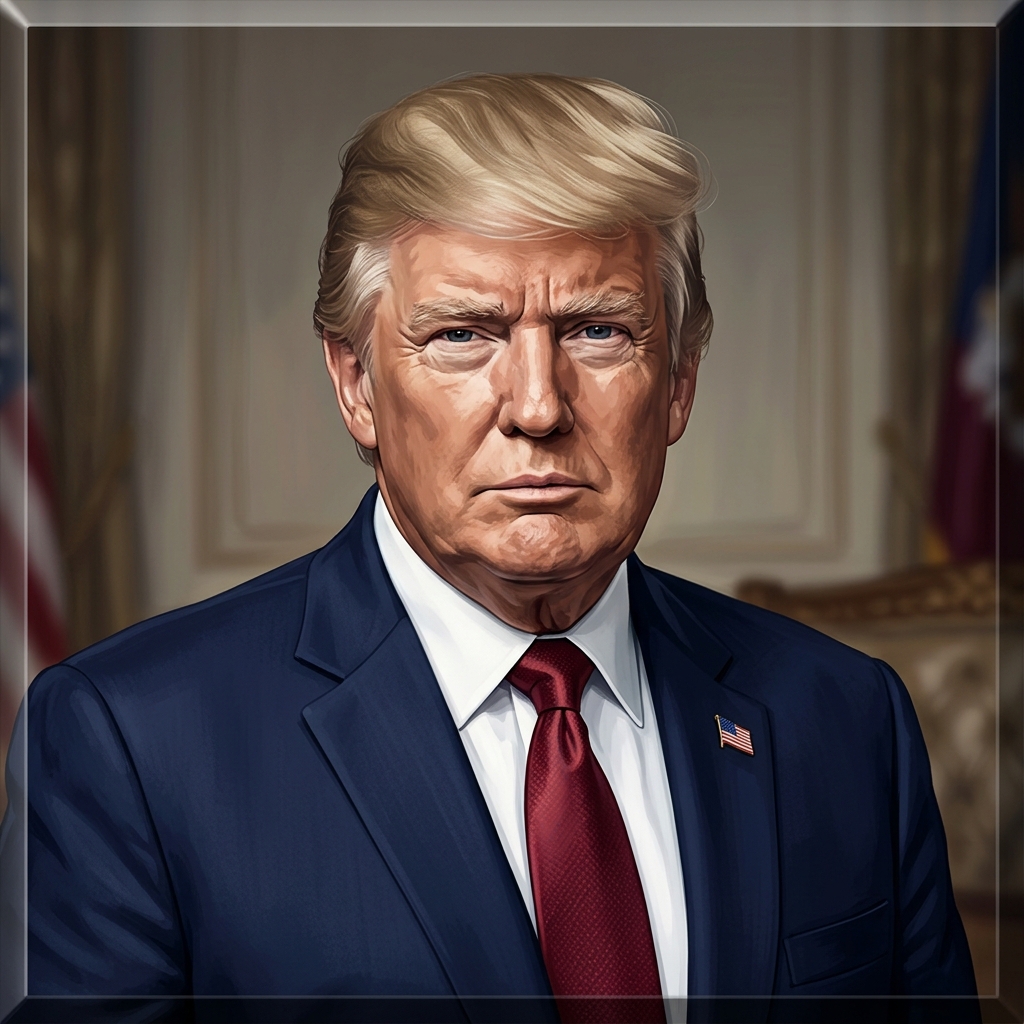
Trump administration

VS
Lawsuit plaintiffs
?
No actors in this side.
No actors in this side.
A lawsuit has been filed against President Trump, arguing that the White House exceeded its authority in imposing tariffs on Canada and caused immediate harm to American businesses.
The case centers on whether the executive branch overstepped its legal bounds in enacting the tariffs.
*AI-generated summary of publicly available data. This is not an official statement of any party.
*AI-generated summary of publicly available statements and reporting. This is not an official statement of this party.
Supporters of the Trump administration frame tariffs as a culturally rooted assertion of American sovereignty, recalling a history of using trade leverage to protect domestic industry and arguing that courts should not override that presidential prerogative.
Supporters of the Trump administration frame tariffs as a defense of American sovereignty and working-class industry, invoking a long tradition of presidents using trade policy to protect domestic manufacturing.
Supporters of the Trump administration counter that tariff authority has long been exercised by presidents of both parties, and they argue that reasserting American economic sovereignty is itself a cultural priority rooted in the nation's history of self-reliance.
Supporters of the Trump administration argue that federal law grants the president broad authority to impose tariffs on national-security and trade grounds, so the White House acted within its legal bounds.
Supporters of the Trump administration argue that federal law grants the executive broad tariff authority, so the Canada tariffs fall within presidential power and the plaintiffs' harm claims do not override that statutory delegation.
Supporters of the Trump administration counter that the tariffs rest on statutory authority Congress delegated to the executive, so the plaintiffs' harm claims don't establish that the White House exceeded its legal powers.
Supporters of the Trump administration argue that tariff power is a core executive bargaining chip, and they frame the lawsuit as an attempt to strip the president of leverage before negotiations with Canada conclude.
Supporters of the Trump administration argue that tariff power is a legitimate executive lever, and that plaintiffs using courts to reverse it are really fighting to strip the president of bargaining leverage with Canada.
Supporters of the Trump administration counter that Congress has long delegated tariff authority to the executive, so the White House is wielding existing statutory power, not seizing new ground.
Supporters of Trump administration argue that imposing tariffs on Canada falls within executive authority to protect American industry, and they maintain that the lawsuit seeks to override a lawful national-security judgment through the courts.
Supporters of Trump administration argue that the tariff power is a lawful executive tool to protect American industry, and they maintain that judges should not second-guess a president's national economic judgment.
Supporters of the Trump administration counter that tariffs defend American workers and industry, arguing that protecting national economic security is itself a moral duty and that broad executive authority serves the public good.
Supporters of the Trump administration argue that governing authority is a stewardship entrusted by Providence, and that tariffs defending American workers fall within the executive's lawful duty rather than usurpation.
Supporters of the Trump administration argue that governing authority is a trust from God, citing Romans 13 to maintain that the executive's tariff power deserves respect rather than courtroom challenge.
Supporters of the Trump administration counter that Scripture frames governing authority as divinely ordained to secure the nation's welfare, so a president's tariff actions to protect citizens answer to a higher order than settled trade arrangements.
*AI-generated summary of publicly available statements and reporting. This is not an official statement of this party.
Supporters of the Lawsuit plaintiffs argue that unchecked executive tariffs threaten the economic identity of American businesses and communities, and they maintain that safeguarding local livelihoods from unilateral trade action is a cultural priority.
Supporters of the Lawsuit plaintiffs argue that tariffs on Canada strike at a shared cultural and economic identity, harming border communities and cross-border industries that define American livelihoods.
Supporters of the Lawsuit plaintiffs counter that tariffs raise consumer prices and invite retaliation against American exports, so the cultural sovereignty being invoked comes at a measurable cost to the very communities and industries the policy claims to protect.
Supporters of the Lawsuit plaintiffs argue the White House exceeded its legal authority in imposing tariffs on Canada, pointing to "immediate harm to American businesses" as grounds for the challenge.
Supporters of the Lawsuit plaintiffs argue that the White House exceeded its legal authority in imposing tariffs on Canada, citing the alleged "immediate harm to American businesses" as grounds for the challenge.
Supporters of the plaintiffs counter that the statute's emergency powers don't cover ordinary trade deficits, so the administration's reading exceeds the text and the challenged tariffs lack valid legal basis.
Supporters of the Lawsuit plaintiffs argue the tariff power belongs to Congress, so the White House’s unilateral move is a power grab that courts must check before American businesses absorb the damage.
Supporters of the Lawsuit plaintiffs argue that executive tariff power is a lever the White House seized beyond its legal grant, and that only a court ruling can claw back that authority before it becomes precedent.
Lawsuit plaintiffs counter that a bargaining chip the executive can redefine at will is no credible commitment at all, and that Congress, not the president, holds the tariff power—so leverage claimed without lawful authority is simply bluff.
Supporters of Lawsuit plaintiffs argue that no executive should impose tariffs that harm American businesses without clear legal authority, maintaining that checking overreach is a moral duty to protect the public from unchecked power.
Supporters of Lawsuit plaintiffs argue that no president should impose tariffs on Canada without clear legal authority, and that American businesses harmed by overreach deserve a fair hearing.
Supporters of the lawsuit plaintiffs counter that national-security authority can't be a blank check, arguing that letting the executive impose tariffs unilaterally without judicial review undermines the constitutional checks the plaintiffs seek to defend.
Supporters of the Lawsuit plaintiffs argue that tariffs upending cross-border trade violate the order and predictability owed to communities and livelihoods, and that no executive should override the settled arrangements that sustain them.
Supporters of the Lawsuit plaintiffs argue that tariffs upending livelihoods violate the inherited moral order and the constitutional limits that tradition places on executive power.
Supporters of the Lawsuit plaintiffs counter that stewardship is bounded by law, and that religious tradition itself teaches that no earthly authority may claim Providence as cover for exceeding the limits set by the Constitution.
AI-generated summary of publicly available statements and reporting. This is not an official statement of this party.
Supporters of the Trump administration frame tariffs as a culturally rooted assertion of American sovereignty, recalling a history of using trade leverage to protect domestic industry and arguing that courts should not override that presidential prerogative.
Supporters of the Trump administration frame tariffs as a defense of American sovereignty and working-class industry, invoking a long tradition of presidents using trade policy to protect domestic manufacturing.
Supporters of the Trump administration counter that tariff authority has long been exercised by presidents of both parties, and they argue that reasserting American economic sovereignty is itself a cultural priority rooted in the nation's history of self-reliance.
Supporters of the Trump administration argue that federal law grants the president broad authority to impose tariffs on national-security and trade grounds, so the White House acted within its legal bounds.
Supporters of the Trump administration argue that federal law grants the executive broad tariff authority, so the Canada tariffs fall within presidential power and the plaintiffs' harm claims do not override that statutory delegation.
Supporters of the Trump administration counter that the tariffs rest on statutory authority Congress delegated to the executive, so the plaintiffs' harm claims don't establish that the White House exceeded its legal powers.
Supporters of the Trump administration argue that tariff power is a core executive bargaining chip, and they frame the lawsuit as an attempt to strip the president of leverage before negotiations with Canada conclude.
Supporters of the Trump administration argue that tariff power is a legitimate executive lever, and that plaintiffs using courts to reverse it are really fighting to strip the president of bargaining leverage with Canada.
Supporters of the Trump administration counter that Congress has long delegated tariff authority to the executive, so the White House is wielding existing statutory power, not seizing new ground.
Supporters of Trump administration argue that imposing tariffs on Canada falls within executive authority to protect American industry, and they maintain that the lawsuit seeks to override a lawful national-security judgment through the courts.
Supporters of Trump administration argue that the tariff power is a lawful executive tool to protect American industry, and they maintain that judges should not second-guess a president's national economic judgment.
Supporters of the Trump administration counter that tariffs defend American workers and industry, arguing that protecting national economic security is itself a moral duty and that broad executive authority serves the public good.
Supporters of the Trump administration argue that governing authority is a stewardship entrusted by Providence, and that tariffs defending American workers fall within the executive's lawful duty rather than usurpation.
Supporters of the Trump administration argue that governing authority is a trust from God, citing Romans 13 to maintain that the executive's tariff power deserves respect rather than courtroom challenge.
Supporters of the Trump administration counter that Scripture frames governing authority as divinely ordained to secure the nation's welfare, so a president's tariff actions to protect citizens answer to a higher order than settled trade arrangements.
Supporters of the Lawsuit plaintiffs argue that unchecked executive tariffs threaten the economic identity of American businesses and communities, and they maintain that safeguarding local livelihoods from unilateral trade action is a cultural priority.
Supporters of the Lawsuit plaintiffs argue that tariffs on Canada strike at a shared cultural and economic identity, harming border communities and cross-border industries that define American livelihoods.
Supporters of the Lawsuit plaintiffs counter that tariffs raise consumer prices and invite retaliation against American exports, so the cultural sovereignty being invoked comes at a measurable cost to the very communities and industries the policy claims to protect.
Supporters of the Lawsuit plaintiffs argue the White House exceeded its legal authority in imposing tariffs on Canada, pointing to "immediate harm to American businesses" as grounds for the challenge.
Supporters of the Lawsuit plaintiffs argue that the White House exceeded its legal authority in imposing tariffs on Canada, citing the alleged "immediate harm to American businesses" as grounds for the challenge.
Supporters of the plaintiffs counter that the statute's emergency powers don't cover ordinary trade deficits, so the administration's reading exceeds the text and the challenged tariffs lack valid legal basis.
Supporters of the Lawsuit plaintiffs argue the tariff power belongs to Congress, so the White House’s unilateral move is a power grab that courts must check before American businesses absorb the damage.
Supporters of the Lawsuit plaintiffs argue that executive tariff power is a lever the White House seized beyond its legal grant, and that only a court ruling can claw back that authority before it becomes precedent.
Lawsuit plaintiffs counter that a bargaining chip the executive can redefine at will is no credible commitment at all, and that Congress, not the president, holds the tariff power—so leverage claimed without lawful authority is simply bluff.
Supporters of Lawsuit plaintiffs argue that no executive should impose tariffs that harm American businesses without clear legal authority, maintaining that checking overreach is a moral duty to protect the public from unchecked power.
Supporters of Lawsuit plaintiffs argue that no president should impose tariffs on Canada without clear legal authority, and that American businesses harmed by overreach deserve a fair hearing.
Supporters of the lawsuit plaintiffs counter that national-security authority can't be a blank check, arguing that letting the executive impose tariffs unilaterally without judicial review undermines the constitutional checks the plaintiffs seek to defend.
Supporters of the Lawsuit plaintiffs argue that tariffs upending cross-border trade violate the order and predictability owed to communities and livelihoods, and that no executive should override the settled arrangements that sustain them.
Supporters of the Lawsuit plaintiffs argue that tariffs upending livelihoods violate the inherited moral order and the constitutional limits that tradition places on executive power.
Supporters of the Lawsuit plaintiffs counter that stewardship is bounded by law, and that religious tradition itself teaches that no earthly authority may claim Providence as cover for exceeding the limits set by the Constitution.
The lawsuit argues the White House exceeded its authority in imposing the latest tariffs on the country and caused "immediate harm to American businesses".