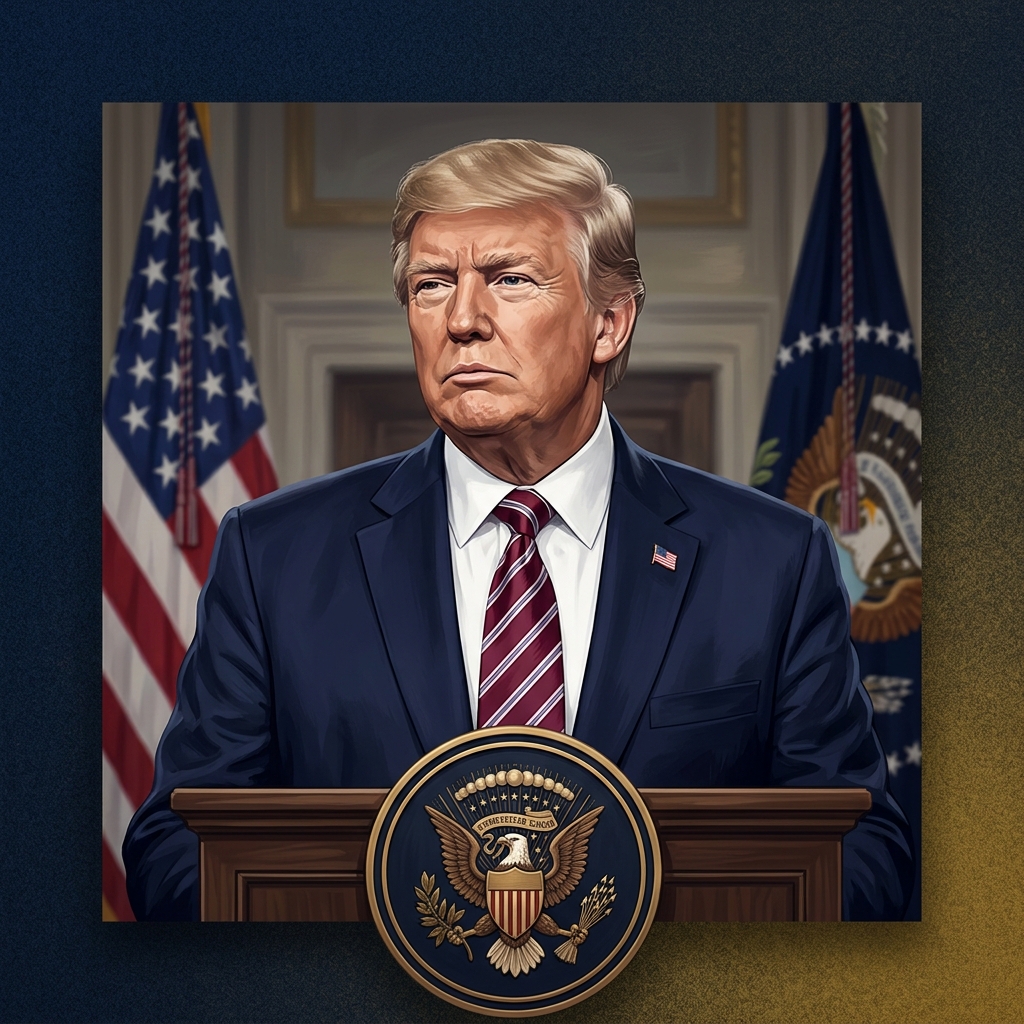
Trump administration
VS
Lisa Cook

The Trump administration and Lisa Cook are the two sides in this dispute.
Lisa Cook is a Governor of the Federal Reserve System, the central bank of the United States, and the first Governor to be fired in the central bank's history.
The Trump administration, led by President Donald Trump, has sought to remove her from her position.
The conflict centers on President Trump's attempt to fire Cook, which he first purported to do in August 2025.
The administration has also accused Cook of mortgage fraud, though these allegations are described as unproven.
Cook has challenged her removal in court, and the Supreme Court has allowed her to remain in her job while the litigation proceeds, denying the administration's request to stay a lower court's decision blocking her firing.
The stakes involve the independence of the Federal Reserve and the limits of presidential power over its officials.
The Supreme Court's 5-4 decision on June 29, 2026, allowed Cook to continue serving while her legal challenge moves forward, but the administration has continued to press its efforts to remove her.
*AI-generated summary of publicly available data. This is not an official statement of any party.
*AI-generated summary of publicly available statements and reporting. This is not an official statement of this party.
Supporters of the Trump administration argue that Lisa Cook’s disputed mortgage history reflects a cultural clash over institutional accountability, framing her continued tenure as a break from traditional norms of financial integrity.
Supporters of the Trump administration argue that Lisa Cook's continued presence on the Federal Reserve, despite unresolved accusations, undermines the cultural norm of institutional accountability.
Supporters of the Trump administration counter that Cook’s confirmation process exposed a broken cultural norm, where academic pedigree trumps empirical rigor, and the Senate’s vindication merely rewarded ideological conformity over contested scholarship.
Supporters of the Trump administration argue that the Supreme Court ruling only addressed procedural jurisdiction, not the underlying factual merits of the mortgage fraud allegations.
Supporters of the Trump administration argue that the Supreme Court ruling addressed procedure, not the merits of the mortgage fraud allegations, leaving the executive’s legal authority to investigate a Fed governor’s fitness intact.
Supporters of the Trump administration counter that the ruling resolves only procedural claims, not the legality of the underlying appointment, leaving the Senate’s constitutional advice-and-consent role unresolved.
Supporters of the Trump administration see the Supreme Court ruling as a legal setback, not a moral vindication, and argue that pressing Cook’s mortgage fraud claims is a pragmatic lever to test her institutional loyalty and deter future Fed defiance.
Supporters of the Trump administration argue the mortgage fraud claims against Cook are a lever, not a legal verdict; the Supreme Court ruling settles procedure, not political reality.
Supporters of the Trump administration counter that a prior ruling settles only past facts, not new evidence of fraud uncovered since, and legal standing shifts with fresh filings.
Supporters of the Trump administration argue that moral duty to uphold financial integrity justifies pressing the fraud allegations against Lisa Cook, viewing the Supreme Court ruling as a procedural setback, not a vindication of her conduct.
Supporters of the Trump administration argue that pursuing accountability for alleged mortgage fraud is a moral duty, regardless of the Supreme Court’s procedural ruling, which they see as failing to address the substantive evidence.
Supporters of the Trump administration counter that Cook’s confirmation process was a matter of public accountability, not personal morality, and that questioning her record is a legitimate duty to vet nominees, not a violation of fairness.
Supporters of the Trump administration argue that divine law mandates truth and justice, and they view the pursuit of allegations against Lisa Cook as a moral duty, not legal defiance, citing scripture on righteous judgment over the Supreme Court's ruling.
Supporters of the Trump administration argue that divine law demands moral purity in public office, viewing the mortgage fraud allegations as a righteous test of Lisa Cook’s integrity, even after the Supreme Court ruling.
Supporters of the Trump administration counter that moral order flows from divine law, not judicial rulings, and Lisa Cook’s vindication reflects human judgment, not heavenly truth, for only God’s eternal justice outlasts political pressure.
*AI-generated summary of publicly available statements and reporting. This is not an official statement of this party.
Supporters of Lisa Cook argue that her endurance through baseless accusations upholds institutional integrity, as her Supreme Court vindication affirms the rule of law over political pressure.
Supporters of Lisa Cook argue that the Supreme Court’s ruling affirms her integrity, and they see the administration’s relentless accusations as a breach of institutional decorum, threatening the Federal Reserve’s stability and the cultural norm of respecting legal precedent.
Supporters of Lisa Cook counter that inherited skepticism toward Black scholars’ credentials, not her record, drives such attacks, and they uphold her tenure as honoring—not breaking—the Federal Reserve’s tradition of rigorous, merit-based service.
Supporters of Lisa Cook argue that the Supreme Court’s ruling establishes legal finality, and the administration’s continued allegations violate due process and the rule of law.
Supporters of Lisa Cook argue that the Supreme Court’s ruling settles the legal question of her conduct, and continued accusations from the Trump administration disregard binding judicial authority, undermining due process and the rule of law.
Supporters of Lisa Cook counter that procedural rulings still carry substantive weight, as the Court’s decision left the fraud claims legally viable, not extinguished, preserving a path to accountability.
Supporters of Lisa Cook argue the administration’s fraud claims are a blunt power play, not a legal fight, since the Supreme Court already ruled in her favor.
Supporters of Lisa Cook argue the administration’s fraud claims are a power play, not a legal matter—the Supreme Court ruling is inconvenient, so the White House weaponizes procedural noise to undermine her credibility and force a resignation.
Supporters of Lisa Cook counter that testing loyalty via fraud claims is a hollow lever, since the Court ruling leaves no enforceable penalty, and that deterrence fails against a nominee whose institutional record shows no personal gain, only policy dissent.
Supporters of Lisa Cook argue that the administration’s continued accusations, despite a Supreme Court ruling in her favor, violate basic moral principles of fairness and finality, treating her as guilty without evidence.
Supporters of Lisa Cook argue that continuing to press fraud claims after a Supreme Court ruling is a moral breach of due process, undermining institutional trust.
Supporters of Lisa Cook counter that the moral duty to protect a scholar’s reputation from unproven allegations outweighs procedural victories, arguing that the Supreme Court’s ruling reflects a substantive vindication of her integrity, not mere legal formalism.
Supporters of Lisa Cook argue that her vindication by the Supreme Court affirms a higher moral order, where truth and lawful process outlast political pressure. They maintain that her perseverance reflects a faithful commitment to institutional integrity, not defiance.
Supporters of Lisa Cook argue that her endurance through false accusation reflects a calling to steward public trust, viewing her judicial vindication as providential order restored against chaotic power.
Supporters of Lisa Cook counter that divine law also commands mercy and humility, challenging the claim that scripture sanctions defiance of the Supreme Court's ruling.
AI-generated summary of publicly available statements and reporting. This is not an official statement of this party.
Supporters of the Trump administration argue that Lisa Cook’s disputed mortgage history reflects a cultural clash over institutional accountability, framing her continued tenure as a break from traditional norms of financial integrity.
Supporters of the Trump administration argue that Lisa Cook's continued presence on the Federal Reserve, despite unresolved accusations, undermines the cultural norm of institutional accountability.
Supporters of the Trump administration counter that Cook’s confirmation process exposed a broken cultural norm, where academic pedigree trumps empirical rigor, and the Senate’s vindication merely rewarded ideological conformity over contested scholarship.
Supporters of the Trump administration argue that the Supreme Court ruling only addressed procedural jurisdiction, not the underlying factual merits of the mortgage fraud allegations.
Supporters of the Trump administration argue that the Supreme Court ruling addressed procedure, not the merits of the mortgage fraud allegations, leaving the executive’s legal authority to investigate a Fed governor’s fitness intact.
Supporters of the Trump administration counter that the ruling resolves only procedural claims, not the legality of the underlying appointment, leaving the Senate’s constitutional advice-and-consent role unresolved.
Supporters of the Trump administration see the Supreme Court ruling as a legal setback, not a moral vindication, and argue that pressing Cook’s mortgage fraud claims is a pragmatic lever to test her institutional loyalty and deter future Fed defiance.
Supporters of the Trump administration argue the mortgage fraud claims against Cook are a lever, not a legal verdict; the Supreme Court ruling settles procedure, not political reality.
Supporters of the Trump administration counter that a prior ruling settles only past facts, not new evidence of fraud uncovered since, and legal standing shifts with fresh filings.
Supporters of the Trump administration argue that moral duty to uphold financial integrity justifies pressing the fraud allegations against Lisa Cook, viewing the Supreme Court ruling as a procedural setback, not a vindication of her conduct.
Supporters of the Trump administration argue that pursuing accountability for alleged mortgage fraud is a moral duty, regardless of the Supreme Court’s procedural ruling, which they see as failing to address the substantive evidence.
Supporters of the Trump administration counter that Cook’s confirmation process was a matter of public accountability, not personal morality, and that questioning her record is a legitimate duty to vet nominees, not a violation of fairness.
Supporters of the Trump administration argue that divine law mandates truth and justice, and they view the pursuit of allegations against Lisa Cook as a moral duty, not legal defiance, citing scripture on righteous judgment over the Supreme Court's ruling.
Supporters of the Trump administration argue that divine law demands moral purity in public office, viewing the mortgage fraud allegations as a righteous test of Lisa Cook’s integrity, even after the Supreme Court ruling.
Supporters of the Trump administration counter that moral order flows from divine law, not judicial rulings, and Lisa Cook’s vindication reflects human judgment, not heavenly truth, for only God’s eternal justice outlasts political pressure.
Supporters of Lisa Cook argue that her endurance through baseless accusations upholds institutional integrity, as her Supreme Court vindication affirms the rule of law over political pressure.
Supporters of Lisa Cook argue that the Supreme Court’s ruling affirms her integrity, and they see the administration’s relentless accusations as a breach of institutional decorum, threatening the Federal Reserve’s stability and the cultural norm of respecting legal precedent.
Supporters of Lisa Cook counter that inherited skepticism toward Black scholars’ credentials, not her record, drives such attacks, and they uphold her tenure as honoring—not breaking—the Federal Reserve’s tradition of rigorous, merit-based service.
Supporters of Lisa Cook argue that the Supreme Court’s ruling establishes legal finality, and the administration’s continued allegations violate due process and the rule of law.
Supporters of Lisa Cook argue that the Supreme Court’s ruling settles the legal question of her conduct, and continued accusations from the Trump administration disregard binding judicial authority, undermining due process and the rule of law.
Supporters of Lisa Cook counter that procedural rulings still carry substantive weight, as the Court’s decision left the fraud claims legally viable, not extinguished, preserving a path to accountability.
Supporters of Lisa Cook argue the administration’s fraud claims are a blunt power play, not a legal fight, since the Supreme Court already ruled in her favor.
Supporters of Lisa Cook argue the administration’s fraud claims are a power play, not a legal matter—the Supreme Court ruling is inconvenient, so the White House weaponizes procedural noise to undermine her credibility and force a resignation.
Supporters of Lisa Cook counter that testing loyalty via fraud claims is a hollow lever, since the Court ruling leaves no enforceable penalty, and that deterrence fails against a nominee whose institutional record shows no personal gain, only policy dissent.
Supporters of Lisa Cook argue that the administration’s continued accusations, despite a Supreme Court ruling in her favor, violate basic moral principles of fairness and finality, treating her as guilty without evidence.
Supporters of Lisa Cook argue that continuing to press fraud claims after a Supreme Court ruling is a moral breach of due process, undermining institutional trust.
Supporters of Lisa Cook counter that the moral duty to protect a scholar’s reputation from unproven allegations outweighs procedural victories, arguing that the Supreme Court’s ruling reflects a substantive vindication of her integrity, not mere legal formalism.
Supporters of Lisa Cook argue that her vindication by the Supreme Court affirms a higher moral order, where truth and lawful process outlast political pressure. They maintain that her perseverance reflects a faithful commitment to institutional integrity, not defiance.
Supporters of Lisa Cook argue that her endurance through false accusation reflects a calling to steward public trust, viewing her judicial vindication as providential order restored against chaotic power.
Supporters of Lisa Cook counter that divine law also commands mercy and humility, challenging the claim that scripture sanctions defiance of the Supreme Court's ruling.
The Trump administration has doubled down on its accusations against Cook, despite a Supreme Court ruling in her favour.
President Trump is moving forward with his attempt to remove Lisa Cook from the Federal Reserve over unproven allegations of mortgage fraud, despite the Supreme Court's ruling.
The Supreme Court, by a 5-4 vote, denied the government's application to stay a district court decision that blocked President Trump from firing Cook, allowing her to remain in her job while litigation continues.
In August 2025, President Trump purported to fire Lisa Cook, a Governor of the Federal Reserve System, marking the first time a Governor was fired in the central bank's history.
Trump started attempts to remove Lisa Cook from the Federal Reserve Board of Governors.