Trump administration
VS
Medical experts

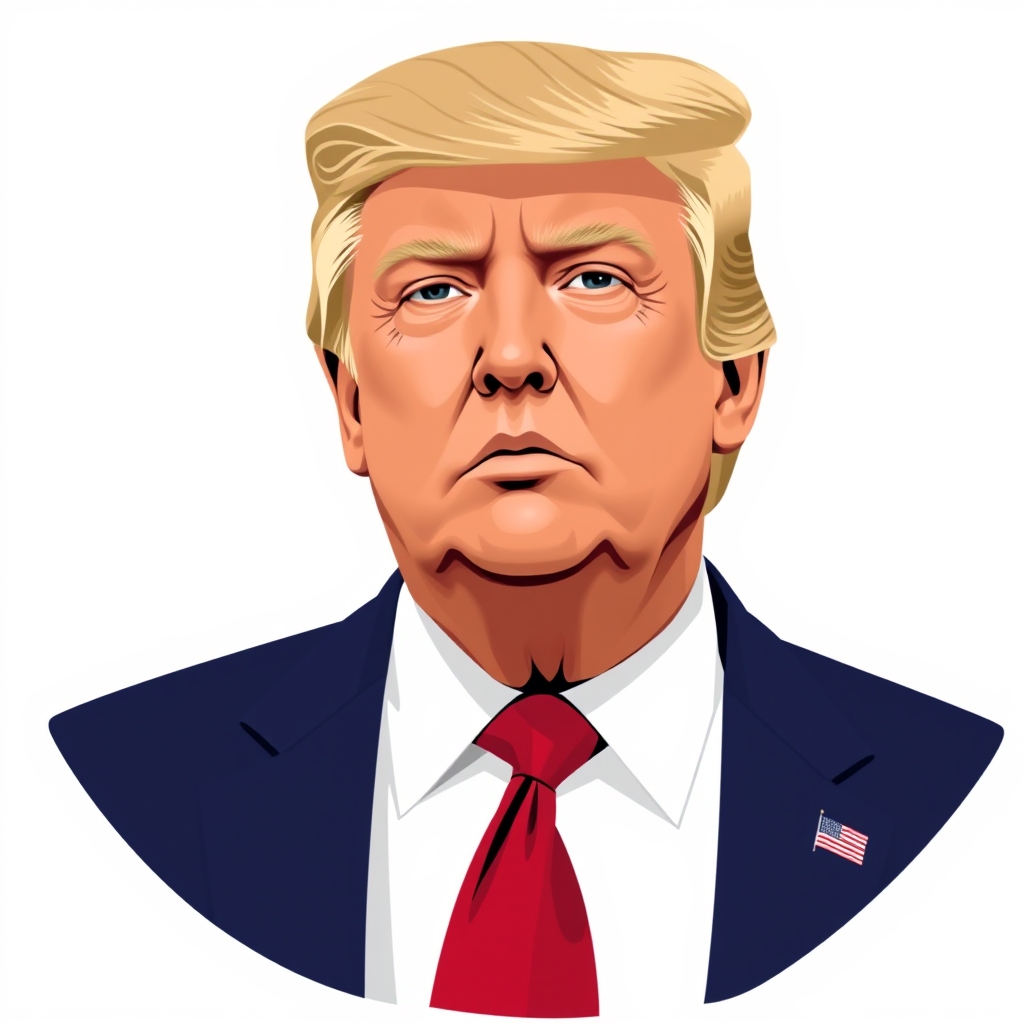
The Trump administration, led by President Donald Trump, has issued executive orders and taken actions that affect public health policy, including an executive order calling for fewer recommended childhood vaccinations and increased spacing between shots.
Medical experts, including organizations such as the American College of Physicians and the Association of American Medical Colleges, represent the scientific and medical community that advises on health policy based on evidence and research.
The conflict arises because the Trump administration's policies, such as the vaccine executive order, are seen by medical experts as lacking scientific backing and potentially leaving children less protected against preventable diseases.
Additionally, the administration has expressed distrust of experts and science, leading to actions that disrupt public health communications, reduce surveillance, and cut medical research funding, which experts warn could damage the U.S. medical research infrastructure and cause a 'brain drain' of scientists.
*AI-generated summary of publicly available data. This is not an official statement of any party.
*AI-generated summary of publicly available statements and reporting. This is not an official statement of this party.
Supporters of Trump administration argue that vaccine schedules reflect a parent’s cultural right to decide their child’s health, not a federal mandate.
Supporters of the Trump administration argue that parental authority over children's health is a cultural cornerstone of American family life, viewing the executive order as a restoration of that autonomy against institutional overreach.
Supporters of the Trump administration counter that vaccine schedules are not a cultural tradition but a policy choice, and that restoring informed consent and medical transparency honors America’s heritage of individual liberty over blind deference to institutional authority.
Supporters of the Trump administration argue the executive order falls within presidential authority over federal vaccine recommendations, asserting that parental consent and scheduling flexibility are legal rights, not medical mandates.
Supporters of the Trump administration argue the executive order lawfully reclaims parental authority over federal vaccine mandates, asserting that existing schedules exceed statutory limits and infringe on state and family sovereignty.
Supporters of the Trump administration counter that the executive order falls within lawful executive discretion, as public health law permits policy shifts absent statutory prohibition, and they challenge the claim that scientific consensus alone dictates legal validity, noting.
Supporters of the Trump administration argue the order seizes control from medical elites, prioritizing parental authority and perceived safety over institutional consensus, a move that consolidates political loyalty.
Supporters of the Trump administration argue the executive order shifts power from medical bureaucrats to parents, treating vaccine schedules as a matter of individual choice rather than institutional dictate.
Supporters of the Trump administration counter that the order recalibrates risk, not science—parents, not the state, absorb liability, which polls show voters reward.
Supporters of the Trump administration argue that parental consent and bodily autonomy are moral imperatives, viewing fewer mandated shots as a restoration of family authority over medical experts.
Supporters of the Trump administration argue that parental consent and bodily autonomy for children are moral imperatives, outweighing rigid medical schedules.
Supporters of the Trump administration counter that parental consent is the moral cornerstone of medical care, and that forcing childhood vaccines overrides a family's right to weigh risks and benefits for their own children.
Supporters of the Trump administration argue that spacing childhood vaccines reflects a sacred duty to protect each child’s God-given body from medical overreach, trusting divine design over rigid schedules.
Supporters of the Trump administration argue that entrusting children’s health to divine natural design, rather than an accelerated vaccine schedule, honors God’s gift of bodily integrity and parental stewardship over scripture’s mandate to protect the young.
Supporters of the Trump administration counter that divine sovereignty over life supersedes human intervention, arguing that vaccine mandates overstep the Creator’s ordained order and parental stewardship.
*AI-generated summary of publicly available statements and reporting. This is not an official statement of this party.
Supporters of Medical experts argue that vaccine schedules reflect decades of cultural trust in science, and Trump's order risks reversing hard-won public-health progress by echoing past anti-vaccine panics.
Supporters of Medical experts argue that loosening vaccine schedules risks repeating the 2019 measles resurgence, when delayed shots fueled outbreaks; they see the executive order as a cultural step backward from hard-won herd immunity, not a scientific advance.
Supporters of Medical experts counter that vaccine schedules are collective cultural safeguards, not individual choices.
Supporters of Medical experts argue that the executive order, as government policy, must withstand legal scrutiny for scientific validity, and they maintain that altering vaccine schedules without evidence violates public health law’s duty to protect children.
Supporters of Medical experts argue that the executive order violates statutory public-health duties, as federal vaccine schedules are legally grounded in scientific evidence under the Public Health Service Act.
Supporters of Medical experts counter that federal vaccine recommendations are grounded in statutory public-health authority, not executive discretion, and that parental consent does not override established scientific consensus on immunization schedules.
Supporters of Medical experts argue that Trump’s order trades pediatric immunity for political optics, a move that ignores decades of data to court vaccine-skeptic voters while shifting liability onto parents.
Supporters of Medical experts argue that Trump's order trades pediatric immunity for political optics, since the science backing current schedules remains unchallenged and any gap invites outbreaks.
Supporters of Medical experts counter that the order merely weaponizes parental fear to mask a power grab, since institutional consensus exists precisely to check populist whims that ignore aggregate mortality data.
Supporters of Medical experts argue that protecting children from preventable disease is a moral duty, not a matter of parental convenience, and that Trump's executive order trades proven public-health safeguards for speculative risk.
Supporters of Medical experts argue that protecting children's health is a moral duty to the vulnerable, not a matter of political preference.
Supporters of Medical experts counter that parental autonomy cannot override a child’s right to life-saving protection, arguing that herd immunity is a collective moral duty, not a family choice.
Supporters of Medical experts argue that their vaccination schedule honors the divine gift of life by protecting children from preventable harm, a duty they see as sacred.
Supporters of Medical experts argue that vaccination schedules reflect a sacred duty to safeguard life, a stewardship tradition religious communities have long honored.
Supporters of Medical experts counter that divine design is honored through vaccination, as scripture calls for stewardship of life, and rigid schedules reflect centuries of observed, God-given natural order protecting the vulnerable.
AI-generated summary of publicly available statements and reporting. This is not an official statement of this party.
Supporters of Trump administration argue that vaccine schedules reflect a parent’s cultural right to decide their child’s health, not a federal mandate.
Supporters of the Trump administration argue that parental authority over children's health is a cultural cornerstone of American family life, viewing the executive order as a restoration of that autonomy against institutional overreach.
Supporters of the Trump administration counter that vaccine schedules are not a cultural tradition but a policy choice, and that restoring informed consent and medical transparency honors America’s heritage of individual liberty over blind deference to institutional authority.
Supporters of the Trump administration argue the executive order falls within presidential authority over federal vaccine recommendations, asserting that parental consent and scheduling flexibility are legal rights, not medical mandates.
Supporters of the Trump administration argue the executive order lawfully reclaims parental authority over federal vaccine mandates, asserting that existing schedules exceed statutory limits and infringe on state and family sovereignty.
Supporters of the Trump administration counter that the executive order falls within lawful executive discretion, as public health law permits policy shifts absent statutory prohibition, and they challenge the claim that scientific consensus alone dictates legal validity, noting.
Supporters of the Trump administration argue the order seizes control from medical elites, prioritizing parental authority and perceived safety over institutional consensus, a move that consolidates political loyalty.
Supporters of the Trump administration argue the executive order shifts power from medical bureaucrats to parents, treating vaccine schedules as a matter of individual choice rather than institutional dictate.
Supporters of the Trump administration counter that the order recalibrates risk, not science—parents, not the state, absorb liability, which polls show voters reward.
Supporters of the Trump administration argue that parental consent and bodily autonomy are moral imperatives, viewing fewer mandated shots as a restoration of family authority over medical experts.
Supporters of the Trump administration argue that parental consent and bodily autonomy for children are moral imperatives, outweighing rigid medical schedules.
Supporters of the Trump administration counter that parental consent is the moral cornerstone of medical care, and that forcing childhood vaccines overrides a family's right to weigh risks and benefits for their own children.
Supporters of the Trump administration argue that spacing childhood vaccines reflects a sacred duty to protect each child’s God-given body from medical overreach, trusting divine design over rigid schedules.
Supporters of the Trump administration argue that entrusting children’s health to divine natural design, rather than an accelerated vaccine schedule, honors God’s gift of bodily integrity and parental stewardship over scripture’s mandate to protect the young.
Supporters of the Trump administration counter that divine sovereignty over life supersedes human intervention, arguing that vaccine mandates overstep the Creator’s ordained order and parental stewardship.
Supporters of Medical experts argue that vaccine schedules reflect decades of cultural trust in science, and Trump's order risks reversing hard-won public-health progress by echoing past anti-vaccine panics.
Supporters of Medical experts argue that loosening vaccine schedules risks repeating the 2019 measles resurgence, when delayed shots fueled outbreaks; they see the executive order as a cultural step backward from hard-won herd immunity, not a scientific advance.
Supporters of Medical experts counter that vaccine schedules are collective cultural safeguards, not individual choices.
Supporters of Medical experts argue that the executive order, as government policy, must withstand legal scrutiny for scientific validity, and they maintain that altering vaccine schedules without evidence violates public health law’s duty to protect children.
Supporters of Medical experts argue that the executive order violates statutory public-health duties, as federal vaccine schedules are legally grounded in scientific evidence under the Public Health Service Act.
Supporters of Medical experts counter that federal vaccine recommendations are grounded in statutory public-health authority, not executive discretion, and that parental consent does not override established scientific consensus on immunization schedules.
Supporters of Medical experts argue that Trump’s order trades pediatric immunity for political optics, a move that ignores decades of data to court vaccine-skeptic voters while shifting liability onto parents.
Supporters of Medical experts argue that Trump's order trades pediatric immunity for political optics, since the science backing current schedules remains unchallenged and any gap invites outbreaks.
Supporters of Medical experts counter that the order merely weaponizes parental fear to mask a power grab, since institutional consensus exists precisely to check populist whims that ignore aggregate mortality data.
Supporters of Medical experts argue that protecting children from preventable disease is a moral duty, not a matter of parental convenience, and that Trump's executive order trades proven public-health safeguards for speculative risk.
Supporters of Medical experts argue that protecting children's health is a moral duty to the vulnerable, not a matter of political preference.
Supporters of Medical experts counter that parental autonomy cannot override a child’s right to life-saving protection, arguing that herd immunity is a collective moral duty, not a family choice.
Supporters of Medical experts argue that their vaccination schedule honors the divine gift of life by protecting children from preventable harm, a duty they see as sacred.
Supporters of Medical experts argue that vaccination schedules reflect a sacred duty to safeguard life, a stewardship tradition religious communities have long honored.
Supporters of Medical experts counter that divine design is honored through vaccination, as scripture calls for stewardship of life, and rigid schedules reflect centuries of observed, God-given natural order protecting the vulnerable.
NPR published an article describing how Trump and his administration's distrust of science and experts is shaping government policies, including health-related ones.
A study published in PMC analyzed how Trump administration actions have disrupted routine public health communications, reduced public health surveillance, and removed data integrity measures.
A health expert criticized the Trump administration's cuts to medical research as 'reckless destruction,' warning of risks to U.S. medical research infrastructure and a potential 'brain drain' of scientists.
President Trump signed an executive order calling for fewer recommended childhood vaccinations and more spacing between shots.
President Trump issued an executive order calling for fewer recommended childhood vaccinations and more spacing between shots.
PBS NewsHour aired a segment questioning whether the Trump administration was injecting politics into science during the national pandemic, highlighting concerns about expert influence.