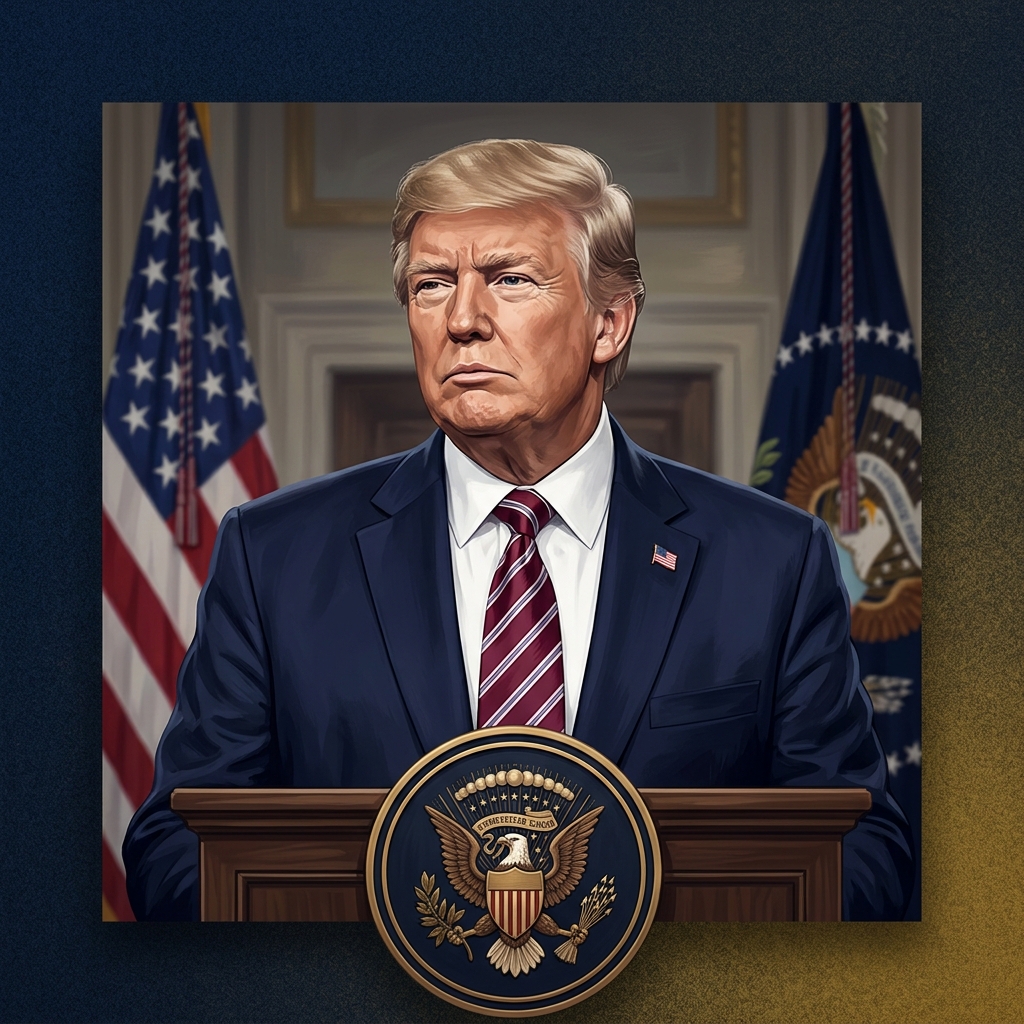
Trump administration
VS
Microsoft

The Trump administration has suspended Microsoft from participating in a green card program, likely affecting the company's ability to sponsor foreign workers for permanent residency.
The decision reflects ongoing tensions over immigration policies and their impact on the tech industry.
*AI-generated summary of publicly available data. This is not an official statement of any party.
*AI-generated summary of publicly available statements and reporting. This is not an official statement of this party.
Supporters of the Trump administration argue that pausing Microsoft's green card sponsorship protects American workers and preserves the cultural continuity of the nation's workforce, prioritizing citizens over corporate foreign labor demands.
Supporters of the Trump administration argue that suspending Microsoft from the green card program protects American workers and preserves the nation's immigration traditions.
Supporters of the Trump administration counter that cultural continuity and domestic workforce stability matter more than chasing global talent flows, arguing that past offshoring patterns show reliance on foreign labor can erode local skills over time.
Supporters of the Trump administration argue that suspending Microsoft from the green card program is a lawful exercise of sovereign authority over immigration, prioritizing domestic workers and border control.
Supporters of Trump administration argue that suspending Microsoft from the green card program is a lawful exercise of sovereign authority over immigration, prioritizing domestic workers and border control over corporate labor demands.
Supporters of the Trump administration counter that the president's statutory authority over visa issuance, affirmed in cases like United States ex rel. Knauff v. Shaughnessy, permits restricting entry without a hearing.
Supporters of the Trump administration argue that suspending Microsoft from the green card program leverages immigration control to extract concessions, treating visa access as a tool of leverage rather than an entitlement.
Supporters of the Trump administration argue that suspending Microsoft from the green card program is leverage: it forces the company to align with the administration’s immigration priorities.
Supporters of Trump counter that leverage cuts both ways: the administration gains more by showing elite foreign labor is contingent, since Microsoft's lobbying power depends on access the government can revoke.
Supporters of the Trump administration argue that suspending Microsoft from the green card program upholds fairness, ensuring employers follow the same immigration rules rather than receiving special treatment.
Supporters of the Trump administration argue that green card sponsorship should serve national interests first, and that holding Microsoft accountable reflects a moral duty to protect American workers.
Supporters of the Trump administration counter that the government's moral duty runs to citizens harmed by visa programs, not to employers; they argue a sovereign state may prioritize national workers over corporate sponsorship interests.
Supporters of the Trump administration argue that the green card program's suspension of Microsoft reflects a moral duty to protect citizens' livelihoods, citing scripture that nations must care for their own workers first.
Supporters of the Trump administration argue that the green card program should serve the national interest, invoking a moral duty to protect domestic workers first.
Supporters of the Trump administration counter that scripture also calls rulers to guard borders and citizens' welfare, so they argue the suspension is a temporary act of stewardship, not a denial of family dignity.
*AI-generated summary of publicly available statements and reporting. This is not an official statement of this party.
Supporters of Microsoft argue the suspension reflects a recurring cultural pattern: nations that restrict skilled immigration often cede innovation to rivals, as seen when past tech talent shifted abroad.
Supporters of Microsoft argue the suspension breaks with America's long tradition of attracting global talent, echoing past waves of immigrants whose work built the tech sector.
Supporters of Microsoft counter that the company's workforce has long blended immigrant and native talent, and that this cultural mix has driven American innovation; they challenge the claim that green cards threaten national continuity.
Supporters of Microsoft argue the suspension denies the company due process and exceeds executive authority, since no statute or hearing justified singling out one firm from the green card program.
Supporters of Microsoft argue the suspension lacks due process, since no specific violation was cited, making it an arbitrary penalty that exceeds lawful executive authority.
Supporters of Microsoft counter that immigration law lets employers sponsor workers regardless of nationality, so singling out one firm exceeds statutory authority and lacks due process.
Supporters of Microsoft argue the suspension is leverage, not policy: losing green-card sponsorship weakens its hold on elite foreign talent, so they frame compliance and lobbying as the pragmatic price of restoring that power.
Supporters of Microsoft argue the suspension is leverage, not policy: the administration gains a concession from a firm that needs scarce talent, while Microsoft weighs compliance against quietly shifting roles abroad.
Supporters of Microsoft counter that weaponizing visa access is self-defeating leverage: the government needs Microsoft's engineers more than Microsoft needs a single market, so the firm can relocate talent and capital abroad while rivals absorb them.
Supporters of Microsoft argue the suspension morally wrongs lawful employers and workers: denying a company green-card sponsorship punishes individuals for government policy, not personal fault, and restricts voluntary association.
Supporters of Microsoft argue that barring the company from green card sponsorship morally wrongs skilled workers who played by the rules, since liberty means individuals may freely contract with willing employers.
Supporters of Microsoft counter that fairness means equal treatment under neutral rules, not arbitrary suspension; penalizing lawful employer sponsorship without due process violates the moral principle that guilt requires proof, not politics.
Supporters of Microsoft argue that a nation's immigration law should honor family unity and the dignity of lawful work, values rooted in religious teaching, and that suspending green card sponsorship risks treating foreign workers as disposable rather than as neighbors.
Supporters of Microsoft argue that suspending the company from the green card program disregards the nation's long tradition of welcoming skilled workers, a heritage they say is rooted in moral duty and longstanding law.
Supporters of Microsoft counter that scripture also commands hospitality to the stranger, citing Leviticus 19:34, and argue that a nation's moral duty includes welcoming the foreign worker.
AI-generated summary of publicly available statements and reporting. This is not an official statement of this party.
Supporters of the Trump administration argue that pausing Microsoft's green card sponsorship protects American workers and preserves the cultural continuity of the nation's workforce, prioritizing citizens over corporate foreign labor demands.
Supporters of the Trump administration argue that suspending Microsoft from the green card program protects American workers and preserves the nation's immigration traditions.
Supporters of the Trump administration counter that cultural continuity and domestic workforce stability matter more than chasing global talent flows, arguing that past offshoring patterns show reliance on foreign labor can erode local skills over time.
Supporters of the Trump administration argue that suspending Microsoft from the green card program is a lawful exercise of sovereign authority over immigration, prioritizing domestic workers and border control.
Supporters of Trump administration argue that suspending Microsoft from the green card program is a lawful exercise of sovereign authority over immigration, prioritizing domestic workers and border control over corporate labor demands.
Supporters of the Trump administration counter that the president's statutory authority over visa issuance, affirmed in cases like United States ex rel. Knauff v. Shaughnessy, permits restricting entry without a hearing.
Supporters of the Trump administration argue that suspending Microsoft from the green card program leverages immigration control to extract concessions, treating visa access as a tool of leverage rather than an entitlement.
Supporters of the Trump administration argue that suspending Microsoft from the green card program is leverage: it forces the company to align with the administration’s immigration priorities.
Supporters of Trump counter that leverage cuts both ways: the administration gains more by showing elite foreign labor is contingent, since Microsoft's lobbying power depends on access the government can revoke.
Supporters of the Trump administration argue that suspending Microsoft from the green card program upholds fairness, ensuring employers follow the same immigration rules rather than receiving special treatment.
Supporters of the Trump administration argue that green card sponsorship should serve national interests first, and that holding Microsoft accountable reflects a moral duty to protect American workers.
Supporters of the Trump administration counter that the government's moral duty runs to citizens harmed by visa programs, not to employers; they argue a sovereign state may prioritize national workers over corporate sponsorship interests.
Supporters of the Trump administration argue that the green card program's suspension of Microsoft reflects a moral duty to protect citizens' livelihoods, citing scripture that nations must care for their own workers first.
Supporters of the Trump administration argue that the green card program should serve the national interest, invoking a moral duty to protect domestic workers first.
Supporters of the Trump administration counter that scripture also calls rulers to guard borders and citizens' welfare, so they argue the suspension is a temporary act of stewardship, not a denial of family dignity.
Supporters of Microsoft argue the suspension reflects a recurring cultural pattern: nations that restrict skilled immigration often cede innovation to rivals, as seen when past tech talent shifted abroad.
Supporters of Microsoft argue the suspension breaks with America's long tradition of attracting global talent, echoing past waves of immigrants whose work built the tech sector.
Supporters of Microsoft counter that the company's workforce has long blended immigrant and native talent, and that this cultural mix has driven American innovation; they challenge the claim that green cards threaten national continuity.
Supporters of Microsoft argue the suspension denies the company due process and exceeds executive authority, since no statute or hearing justified singling out one firm from the green card program.
Supporters of Microsoft argue the suspension lacks due process, since no specific violation was cited, making it an arbitrary penalty that exceeds lawful executive authority.
Supporters of Microsoft counter that immigration law lets employers sponsor workers regardless of nationality, so singling out one firm exceeds statutory authority and lacks due process.
Supporters of Microsoft argue the suspension is leverage, not policy: losing green-card sponsorship weakens its hold on elite foreign talent, so they frame compliance and lobbying as the pragmatic price of restoring that power.
Supporters of Microsoft argue the suspension is leverage, not policy: the administration gains a concession from a firm that needs scarce talent, while Microsoft weighs compliance against quietly shifting roles abroad.
Supporters of Microsoft counter that weaponizing visa access is self-defeating leverage: the government needs Microsoft's engineers more than Microsoft needs a single market, so the firm can relocate talent and capital abroad while rivals absorb them.
Supporters of Microsoft argue the suspension morally wrongs lawful employers and workers: denying a company green-card sponsorship punishes individuals for government policy, not personal fault, and restricts voluntary association.
Supporters of Microsoft argue that barring the company from green card sponsorship morally wrongs skilled workers who played by the rules, since liberty means individuals may freely contract with willing employers.
Supporters of Microsoft counter that fairness means equal treatment under neutral rules, not arbitrary suspension; penalizing lawful employer sponsorship without due process violates the moral principle that guilt requires proof, not politics.
Supporters of Microsoft argue that a nation's immigration law should honor family unity and the dignity of lawful work, values rooted in religious teaching, and that suspending green card sponsorship risks treating foreign workers as disposable rather than as neighbors.
Supporters of Microsoft argue that suspending the company from the green card program disregards the nation's long tradition of welcoming skilled workers, a heritage they say is rooted in moral duty and longstanding law.
Supporters of Microsoft counter that scripture also commands hospitality to the stranger, citing Leviticus 19:34, and argue that a nation's moral duty includes welcoming the foreign worker.
Trump administration is suspending Microsoft from a green card program