Trump administration
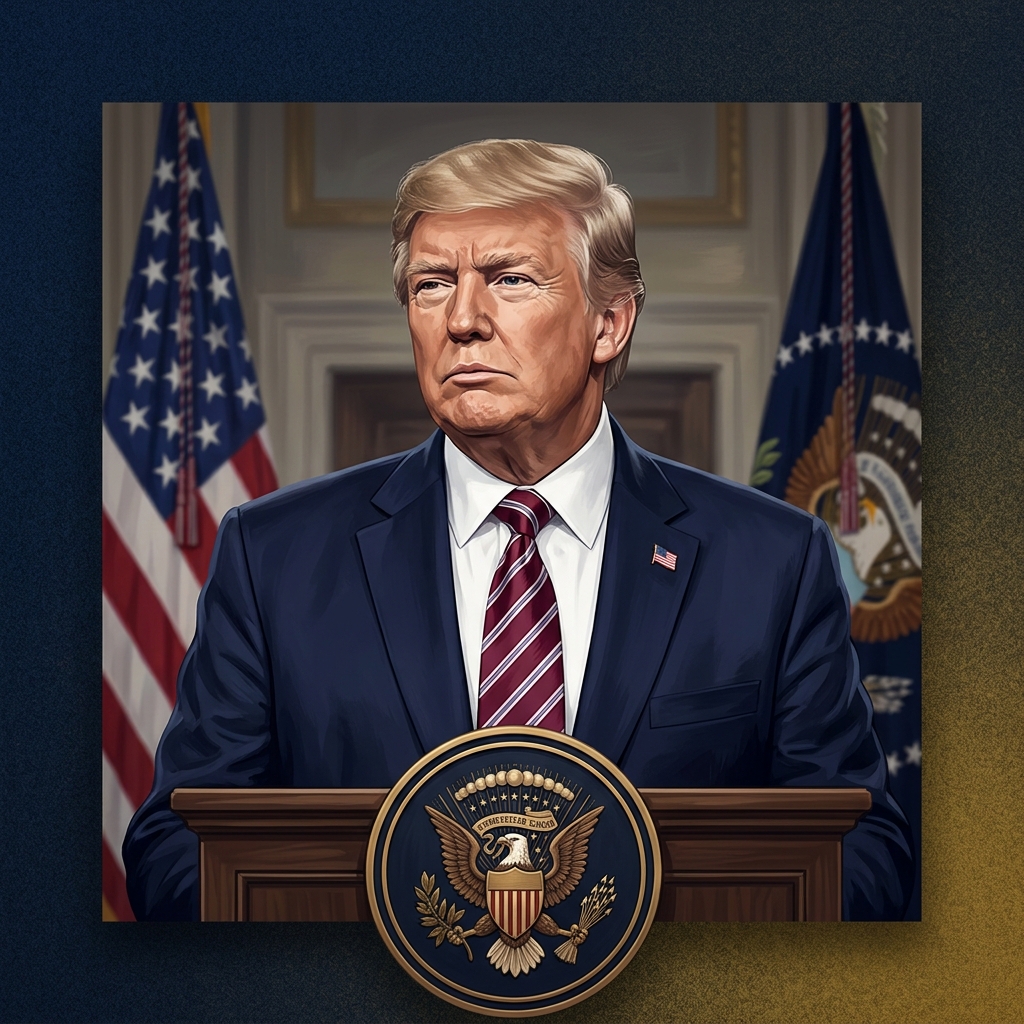
VS
Minnesota judges

The Trump administration is represented in this dispute by the U.S.
Department of Justice, which enforces federal law and, through the Attorney General, oversees the government's litigation and judicial conduct matters.
The Minnesota judges are federal district court judges sitting in Minnesota, including the state's chief federal judge, who preside over cases in the District of Minnesota, a court that has handled a surge of immigration-related matters.
The two sides came into conflict after several Minnesota judges spoke to The New York Times about the administration's immigration enforcement efforts.
The Justice Department filed a judicial misconduct complaint alleging that the judges' public comments showed bias and violated judicial ethics rules, while the judges' remarks described what they characterized as a disregard for court orders and a threat to the judiciary's role.
The complaint raises competing questions about judicial ethics and judges' ability to speak publicly about matters affecting their courts.
The dispute is part of a broader escalation between the Trump administration and federal judges over immigration enforcement.
The chief federal judge in Minnesota has said the administration failed to comply with orders to hold hearings for detained immigrants, and the Justice Department's complaint targets seven judges who spoke to the media about their experience handling a flood of cases.
*AI-generated summary of publicly available data. This is not an official statement of any party.
*AI-generated summary of publicly available statements and reporting. This is not an official statement of this party.
Supporters of the Trump administration argue that judges who publicly oppose enforcement weaken the cultural trust in impartial courts, and that the complaint defends the integrity of the bench.
Supporters of the Trump administration argue that judges speaking publicly on the president's immigration crackdown erodes public trust in an impartial judiciary, and that cultural norms of judicial neutrality must be enforced.
Supporters of the Trump administration counter that a judge's cultural role is impartial arbiter, not activist, so public testimony on enforcement policy erodes the neutrality that self-governance depends on.
Supporters of the Trump administration argue that judges who publicly oppose the president's immigration crackdown violate judicial ethics rules requiring impartiality, and that the complaint is a lawful means to enforce those standards.
Supporters of the Trump administration argue that judges who publicly criticize the president's immigration crackdown violate judicial canons requiring impartiality, warranting an ethics complaint.
Supporters of the Trump administration counter that judges are bound by codes requiring recusal where impartiality is reasonably questioned, so public advocacy on a matter tied to pending litigation is itself a legal violation, not protected speech.
Supporters of the Trump administration argue the ethics complaint is leverage: judges who speak publicly forfeit neutrality, so punishing them signals that open opposition carries institutional cost.
Supporters of the Trump administration argue the ethics complaint is leverage: judges who speak publicly forfeit neutrality, so disciplining them deters future rulings against executive immigration policy.
Supporters of Trump administration counter that judges who publicly defy executive power invite scrutiny, not martyrdom; ethics complaints follow conduct, and restraint, not retaliation, is how institutions preserve authority.
Supporters of the Trump administration argue that judges who publicly criticize enforcement actions undermine impartiality, and that ethics rules morally require the judiciary to stay silent on pending policy matters.
Supporters of the Trump administration argue that judges who publicly discuss pending immigration enforcement compromise impartiality, and that ethical restraint is a duty owed to the public.
Supporters of the Trump administration counter that judges who publicly oppose lawful executive actions abandon impartiality, and that accountability for such speech protects the moral integrity of the judiciary.
Supporters of the Trump administration argue that judges who publicly discuss pending immigration enforcement abandon the impartiality their sacred oath demands, and that religious tradition honors lawful authority and restraint.
Supporters of the Trump administration argue that judges who speak publicly on immigration enforcement undermine the reverence for law and ordered authority that religious tradition holds as a God-given restraint on human passion.
Supporters of the Trump administration counter that Romans 13 ordains governing authorities as God's servants to execute justice, so judges who politicize the bench from the pulpit defy the order scripture itself commands.
*AI-generated summary of publicly available statements and reporting. This is not an official statement of this party.
Supporters of Minnesota judges invoke a cultural tradition of judges speaking from conscience, arguing that public testimony about immigration enforcement is civic duty, not misconduct.
Supporters of the Minnesota judges argue that a judiciary long rooted in civic duty and public trust must be free to speak on matters of conscience, invoking the historical principle that silencing judges echoes past threats to judicial independence.
Supporters of Minnesota judges counter that public judicial dissent is itself a longstanding cultural tradition, and that silencing judges to protect the bench's image erodes the very trust the complaint claims to defend.
Supporters of Minnesota judges argue the ethics complaint is legally weak: the judges spoke as citizens on a matter of public concern, and judicial codes restrict case conduct, not protected speech.
Supporters of Minnesota judges argue the complaint is legally flawed: judges retain First Amendment rights, and speaking on public matters of law isn't misconduct absent statutory grounds.
Supporters of Minnesota judges counter that the ethics complaint targets speech, not rulings, and that judges may publicly address legal matters without surrendering impartiality.
Supporters of Minnesota judges argue the complaint is retaliation, not ethics enforcement—punishing judges whose public speech constrained executive power, to deter others from doing the same.
Supporters of Minnesota judges argue the complaint is pure leverage: by speaking first, the judges seized public credibility, forcing the administration to attack their speech rather than defend its crackdown.
Supporters of Minnesota judges counter that punishing speech only signals the judges' independence was real, and that a bench seen as cowed loses the leverage the administration wants.
Supporters of the Minnesota judges argue that jurists retain a moral duty to speak truth about executive overreach, and that punishing judicial speech for political ends erodes the independence courts need to check power.
Supporters of Minnesota judges argue that silencing judges who speak publicly on immigration enforcement is morally wrong, since an independent judiciary must be free to inform the public without political retaliation.
Supporters of Minnesota judges counter that moral duty lies with checks and balances, not silence: judges swear oaths to the law, not the executive, and speaking against unlawful enforcement is fidelity, not bias.
Supporters of the Minnesota judges invoke scripture's call to welcome the stranger and defend the vulnerable, arguing that faithful public witness to injustice is a moral duty that cannot be silenced by ethics complaints.
Supporters of the Minnesota judges invoke scripture's call to welcome the stranger, arguing that speaking for migrants is a moral duty that faith demands, not judicial misconduct.
Supporters of Minnesota judges counter that scripture itself commands obedience to God over unjust human authority, citing Exodus 1, where the midwives defied Pharaoh's order to kill Hebrew infants and were blessed for it.
AI-generated summary of publicly available statements and reporting. This is not an official statement of this party.
Supporters of the Trump administration argue that judges who publicly oppose enforcement weaken the cultural trust in impartial courts, and that the complaint defends the integrity of the bench.
Supporters of the Trump administration argue that judges speaking publicly on the president's immigration crackdown erodes public trust in an impartial judiciary, and that cultural norms of judicial neutrality must be enforced.
Supporters of the Trump administration counter that a judge's cultural role is impartial arbiter, not activist, so public testimony on enforcement policy erodes the neutrality that self-governance depends on.
Supporters of the Trump administration argue that judges who publicly oppose the president's immigration crackdown violate judicial ethics rules requiring impartiality, and that the complaint is a lawful means to enforce those standards.
Supporters of the Trump administration argue that judges who publicly criticize the president's immigration crackdown violate judicial canons requiring impartiality, warranting an ethics complaint.
Supporters of the Trump administration counter that judges are bound by codes requiring recusal where impartiality is reasonably questioned, so public advocacy on a matter tied to pending litigation is itself a legal violation, not protected speech.
Supporters of the Trump administration argue the ethics complaint is leverage: judges who speak publicly forfeit neutrality, so punishing them signals that open opposition carries institutional cost.
Supporters of the Trump administration argue the ethics complaint is leverage: judges who speak publicly forfeit neutrality, so disciplining them deters future rulings against executive immigration policy.
Supporters of Trump administration counter that judges who publicly defy executive power invite scrutiny, not martyrdom; ethics complaints follow conduct, and restraint, not retaliation, is how institutions preserve authority.
Supporters of the Trump administration argue that judges who publicly criticize enforcement actions undermine impartiality, and that ethics rules morally require the judiciary to stay silent on pending policy matters.
Supporters of the Trump administration argue that judges who publicly discuss pending immigration enforcement compromise impartiality, and that ethical restraint is a duty owed to the public.
Supporters of the Trump administration counter that judges who publicly oppose lawful executive actions abandon impartiality, and that accountability for such speech protects the moral integrity of the judiciary.
Supporters of the Trump administration argue that judges who publicly discuss pending immigration enforcement abandon the impartiality their sacred oath demands, and that religious tradition honors lawful authority and restraint.
Supporters of the Trump administration argue that judges who speak publicly on immigration enforcement undermine the reverence for law and ordered authority that religious tradition holds as a God-given restraint on human passion.
Supporters of the Trump administration counter that Romans 13 ordains governing authorities as God's servants to execute justice, so judges who politicize the bench from the pulpit defy the order scripture itself commands.
Supporters of Minnesota judges invoke a cultural tradition of judges speaking from conscience, arguing that public testimony about immigration enforcement is civic duty, not misconduct.
Supporters of the Minnesota judges argue that a judiciary long rooted in civic duty and public trust must be free to speak on matters of conscience, invoking the historical principle that silencing judges echoes past threats to judicial independence.
Supporters of Minnesota judges counter that public judicial dissent is itself a longstanding cultural tradition, and that silencing judges to protect the bench's image erodes the very trust the complaint claims to defend.
Supporters of Minnesota judges argue the ethics complaint is legally weak: the judges spoke as citizens on a matter of public concern, and judicial codes restrict case conduct, not protected speech.
Supporters of Minnesota judges argue the complaint is legally flawed: judges retain First Amendment rights, and speaking on public matters of law isn't misconduct absent statutory grounds.
Supporters of Minnesota judges counter that the ethics complaint targets speech, not rulings, and that judges may publicly address legal matters without surrendering impartiality.
Supporters of Minnesota judges argue the complaint is retaliation, not ethics enforcement—punishing judges whose public speech constrained executive power, to deter others from doing the same.
Supporters of Minnesota judges argue the complaint is pure leverage: by speaking first, the judges seized public credibility, forcing the administration to attack their speech rather than defend its crackdown.
Supporters of Minnesota judges counter that punishing speech only signals the judges' independence was real, and that a bench seen as cowed loses the leverage the administration wants.
Supporters of the Minnesota judges argue that jurists retain a moral duty to speak truth about executive overreach, and that punishing judicial speech for political ends erodes the independence courts need to check power.
Supporters of Minnesota judges argue that silencing judges who speak publicly on immigration enforcement is morally wrong, since an independent judiciary must be free to inform the public without political retaliation.
Supporters of Minnesota judges counter that moral duty lies with checks and balances, not silence: judges swear oaths to the law, not the executive, and speaking against unlawful enforcement is fidelity, not bias.
Supporters of the Minnesota judges invoke scripture's call to welcome the stranger and defend the vulnerable, arguing that faithful public witness to injustice is a moral duty that cannot be silenced by ethics complaints.
Supporters of the Minnesota judges invoke scripture's call to welcome the stranger, arguing that speaking for migrants is a moral duty that faith demands, not judicial misconduct.
Supporters of Minnesota judges counter that scripture itself commands obedience to God over unjust human authority, citing Exodus 1, where the midwives defied Pharaoh's order to kill Hebrew infants and were blessed for it.
Seven Minnesota judges face ethics complaint after speaking publicly about US president's immigration crackdown.
The Department of Justice alleged that the district judges showed bias when they spoke to The New York Times about the administration's immigration enforcement efforts.
The Justice Department filed a judicial misconduct complaint against nearly all of the federal district judges in Minnesota, according to reporting on the escalation of the feud with federal judges.
The chief federal judge in Minnesota said the Trump administration has failed to comply with orders to hold hearings for detained immigrants.
In September, Minnesota federal judges told The New York Times that the Trump administration had a disregard for court orders and that its actions threatened the judiciary.