Trump administration
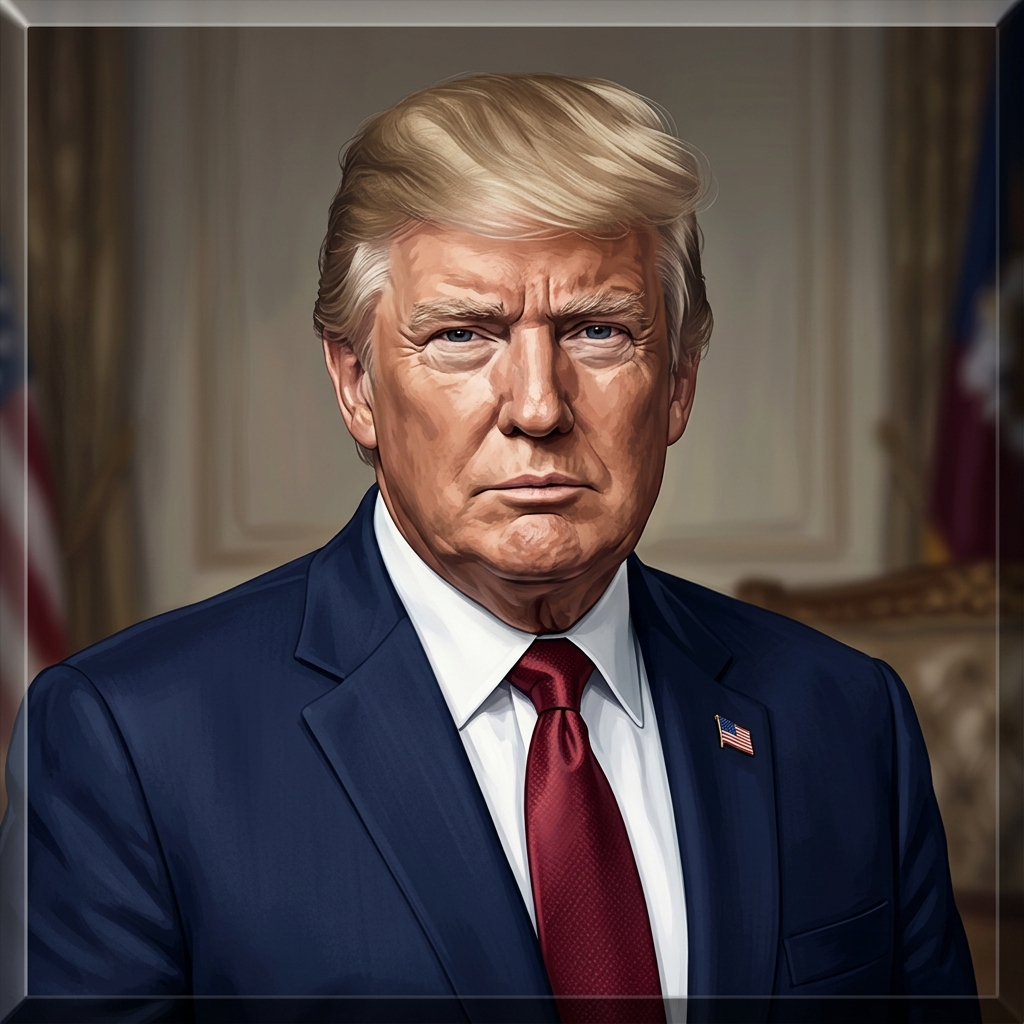
VS
Nuclear nonproliferation advocates
?
No actors in this side.
No actors in this side.
The Trump administration is the executive branch of the United States government under President Donald Trump, which negotiated a civilian nuclear cooperation agreement with Saudi Arabia and transmitted it to Congress for review in August.
Nuclear nonproliferation advocates are organizations and individuals who seek to prevent the spread of nuclear weapons and have criticized the administration's approach to arms control and nuclear agreements.
The two sides have conflicting interests over the proposed US–Saudi civilian nuclear deal.
The Trump administration has pursued the agreement as part of its nuclear policy, while nonproliferation advocates and some Democratic representatives have raised concerns that the deal could allow Saudi Arabia to develop nuclear weapons, leading to a resolution introduced in Congress to block it.
A classified US intelligence assessment has further fueled the debate by suggesting Saudi Arabia may not have ruled out developing nuclear weapons.
*AI-generated summary of publicly available data. This is not an official statement of any party.
*AI-generated summary of publicly available statements and reporting. This is not an official statement of this party.
Supporters of the Trump administration argue that civilian nuclear cooperation with Saudi Arabia reflects sovereign tradition and strategic continuity, positioning the deal as a stabilizing counterweight rather than a proliferation risk.
Supporters of the Trump administration argue that a civilian nuclear pact with Riyadh extends America's stabilizing influence and binds Saudi Arabia to U.S. oversight, preserving regional order rather than abandoning it.
Supporters of the Trump administration counter that sovereignty and energy independence are longstanding American cultural values, and that expecting allies to forgo enrichment while rivals advance ignores the inherited wisdom of reciprocal deterrence.
Supporters of Trump administration argue the deal’s legally binding IAEA safeguards and inspections would keep Saudi enrichment verifiable, so nonproliferation concerns are addressed through enforceable compliance, not speculation.
Supporters of the Trump administration argue the civilian nuclear deal is legally sound because it keeps safeguards and inspections in place, which they view as the strongest lawful check on any Saudi weapons ambition.
Supporters of the Trump administration counter that the NPT and IAEA safeguards already bind Saudi Arabia as a non-nuclear state, so a separate legal enrichment ban exceeds what the treaty requires.
Supporters of Trump administration argue that a civilian nuclear deal binds Riyadh to US oversight and leverage, since denying enrichment pushes Saudi Arabia toward Russia or China instead.
Supporters of the Trump administration argue that binding Riyadh to US-monitored civilian nuclear cooperation buys more leverage over Saudi ambitions than isolation would, since a deal keeps inspections in place.
Supporters of the Trump administration counter that Riyadh's enrichment option stays open regardless of US refusal, so trading a chip that never bought compliance for billions in deals and regional alignment is the pragmatic play.
Supporters of the Trump administration argue that civilian nuclear cooperation binds Saudi Arabia to safeguards and US oversight, making proliferation less likely than isolation would.
Supporters of the Trump administration argue that sovereign states like Saudi Arabia have a moral right to civilian nuclear energy through voluntary agreements, and that denying that autonomy breeds distrust rather than preventing proliferation.
Supporters of the Trump administration counter that refusing a sovereign ally civilian nuclear technology treats it as a child, denying it the autonomy and peaceful energy benefits others freely enjoy—a moral double standard.
Supporters of the Trump administration argue that civilian nuclear cooperation with Saudi Arabia, a guardian of Islam's holiest sites, strengthens a longstanding religious and strategic alliance against common threats.
Supporters of the Trump administration argue that faith and statecraft both counsel patience, holding that civilian nuclear cooperation with Riyadh builds trust and deterrence rather than proliferation.
Supporters of the Trump administration counter that religious stewardship also requires defending the innocent, and that a nuclear-armed Saudi Arabia may deter rather than invite war.
*AI-generated summary of publicly available statements and reporting. This is not an official statement of this party.
Supporters of Nuclear nonproliferation advocates argue that nuclear restraint is a core cultural norm upheld by the global community, and they point to Saudi Arabia's refusal to rule out weapons development as evidence that President Trump's civilian nuclear deal risks eroding th.
Supporters of Nuclear nonproliferation advocates argue that spreading civilian nuclear technology to Saudi Arabia risks eroding the cultural taboo against nuclear weapons, a norm they see as essential to global stability.
Supporters of Nuclear nonproliferation advocates counter that a state's cultural and sovereign identity is no safeguard against proliferation, since the Nuclear Non-Proliferation Treaty obliges all parties to forgo nuclear weapons regardless of national tradition.
Supporters of Nuclear nonproliferation advocates argue that any US-Saudi civilian nuclear deal must legally bar enrichment and reprocessing, since a classified assessment finds Riyadh has not ruled out developing nuclear weapons.
Supporters of Nuclear nonproliferation advocates argue that any US-Saudi civilian nuclear deal must legally bar enrichment and reprocessing, since the assessment suggests Riyadh has not ruled out weapons development.
Supporters of Nuclear nonproliferation advocates counter that a civilian cooperation agreement cannot legally bind Saudi Arabia to the Additional Protocol it has never signed, so IAEA safeguards alone leave enrichment unverified.
Supporters of Nuclear nonproliferation advocates argue that Trump's Saudi deal trades leverage for optics, since Riyadh keeps its nuclear option open while Washington loses the one bargaining chip—enrichment limits—that could close it.
Supporters of Nuclear nonproliferation advocates argue that Trump's civilian nuclear deal with Riyadh hands Saudi Arabia the enrichment capacity and leverage to weaponize later, so they press for binding safeguards now.
Supporters of nonproliferation advocates counter that Saudi leverage flows both ways: Riyadh can pocket US reactor tech while shopping enrichment from Moscow or Beijing anyway, so the deal buys oversight on paper while conceding the very capability it claims to prevent.
Supporters of Nuclear nonproliferation advocates argue that selling civilian nuclear technology to Saudi Arabia while it may not have ruled out weapons development is morally reckless, since it risks enabling a nuclear arms race in the Middle East.
Supporters of nuclear nonproliferation advocates argue that a civilian nuclear deal with Riyadh is morally reckless if Saudi Arabia has not ruled out weapons development, since it risks spreading atomic arms in a volatile region.
Supporters of nonproliferation advocates counter that Saudi Crown Prince Mohammed bin Salman's own 2018 statement—if Iran gets a bomb, Saudi Arabia will too—reveals that enrichment rights under a deal would morally legitimize a regional arms race, not prevent it.
Supporters of Nuclear nonproliferation advocates argue that faith and moral duty compel nations to pursue peace, warning that a Saudi nuclear weapon would betray the stewardship of creation entrusted to humanity.
Supporters of nuclear nonproliferation advocates argue that faith and scripture command stewardship of creation, so they cite the Saudi weapons risk as a moral duty to oppose any deal enabling atomic arms.
Supporters of nonproliferation advocates counter that shared faith offers no safeguard against proliferation, since scriptural tradition binds rulers to justice and the common good, not to the spread of weapons that threaten creation.
AI-generated summary of publicly available statements and reporting. This is not an official statement of this party.
Supporters of the Trump administration argue that civilian nuclear cooperation with Saudi Arabia reflects sovereign tradition and strategic continuity, positioning the deal as a stabilizing counterweight rather than a proliferation risk.
Supporters of the Trump administration argue that a civilian nuclear pact with Riyadh extends America's stabilizing influence and binds Saudi Arabia to U.S. oversight, preserving regional order rather than abandoning it.
Supporters of the Trump administration counter that sovereignty and energy independence are longstanding American cultural values, and that expecting allies to forgo enrichment while rivals advance ignores the inherited wisdom of reciprocal deterrence.
Supporters of Trump administration argue the deal’s legally binding IAEA safeguards and inspections would keep Saudi enrichment verifiable, so nonproliferation concerns are addressed through enforceable compliance, not speculation.
Supporters of the Trump administration argue the civilian nuclear deal is legally sound because it keeps safeguards and inspections in place, which they view as the strongest lawful check on any Saudi weapons ambition.
Supporters of the Trump administration counter that the NPT and IAEA safeguards already bind Saudi Arabia as a non-nuclear state, so a separate legal enrichment ban exceeds what the treaty requires.
Supporters of Trump administration argue that a civilian nuclear deal binds Riyadh to US oversight and leverage, since denying enrichment pushes Saudi Arabia toward Russia or China instead.
Supporters of the Trump administration argue that binding Riyadh to US-monitored civilian nuclear cooperation buys more leverage over Saudi ambitions than isolation would, since a deal keeps inspections in place.
Supporters of the Trump administration counter that Riyadh's enrichment option stays open regardless of US refusal, so trading a chip that never bought compliance for billions in deals and regional alignment is the pragmatic play.
Supporters of the Trump administration argue that civilian nuclear cooperation binds Saudi Arabia to safeguards and US oversight, making proliferation less likely than isolation would.
Supporters of the Trump administration argue that sovereign states like Saudi Arabia have a moral right to civilian nuclear energy through voluntary agreements, and that denying that autonomy breeds distrust rather than preventing proliferation.
Supporters of the Trump administration counter that refusing a sovereign ally civilian nuclear technology treats it as a child, denying it the autonomy and peaceful energy benefits others freely enjoy—a moral double standard.
Supporters of the Trump administration argue that civilian nuclear cooperation with Saudi Arabia, a guardian of Islam's holiest sites, strengthens a longstanding religious and strategic alliance against common threats.
Supporters of the Trump administration argue that faith and statecraft both counsel patience, holding that civilian nuclear cooperation with Riyadh builds trust and deterrence rather than proliferation.
Supporters of the Trump administration counter that religious stewardship also requires defending the innocent, and that a nuclear-armed Saudi Arabia may deter rather than invite war.
Supporters of Nuclear nonproliferation advocates argue that nuclear restraint is a core cultural norm upheld by the global community, and they point to Saudi Arabia's refusal to rule out weapons development as evidence that President Trump's civilian nuclear deal risks eroding th.
Supporters of Nuclear nonproliferation advocates argue that spreading civilian nuclear technology to Saudi Arabia risks eroding the cultural taboo against nuclear weapons, a norm they see as essential to global stability.
Supporters of Nuclear nonproliferation advocates counter that a state's cultural and sovereign identity is no safeguard against proliferation, since the Nuclear Non-Proliferation Treaty obliges all parties to forgo nuclear weapons regardless of national tradition.
Supporters of Nuclear nonproliferation advocates argue that any US-Saudi civilian nuclear deal must legally bar enrichment and reprocessing, since a classified assessment finds Riyadh has not ruled out developing nuclear weapons.
Supporters of Nuclear nonproliferation advocates argue that any US-Saudi civilian nuclear deal must legally bar enrichment and reprocessing, since the assessment suggests Riyadh has not ruled out weapons development.
Supporters of Nuclear nonproliferation advocates counter that a civilian cooperation agreement cannot legally bind Saudi Arabia to the Additional Protocol it has never signed, so IAEA safeguards alone leave enrichment unverified.
Supporters of Nuclear nonproliferation advocates argue that Trump's Saudi deal trades leverage for optics, since Riyadh keeps its nuclear option open while Washington loses the one bargaining chip—enrichment limits—that could close it.
Supporters of Nuclear nonproliferation advocates argue that Trump's civilian nuclear deal with Riyadh hands Saudi Arabia the enrichment capacity and leverage to weaponize later, so they press for binding safeguards now.
Supporters of nonproliferation advocates counter that Saudi leverage flows both ways: Riyadh can pocket US reactor tech while shopping enrichment from Moscow or Beijing anyway, so the deal buys oversight on paper while conceding the very capability it claims to prevent.
Supporters of Nuclear nonproliferation advocates argue that selling civilian nuclear technology to Saudi Arabia while it may not have ruled out weapons development is morally reckless, since it risks enabling a nuclear arms race in the Middle East.
Supporters of nuclear nonproliferation advocates argue that a civilian nuclear deal with Riyadh is morally reckless if Saudi Arabia has not ruled out weapons development, since it risks spreading atomic arms in a volatile region.
Supporters of nonproliferation advocates counter that Saudi Crown Prince Mohammed bin Salman's own 2018 statement—if Iran gets a bomb, Saudi Arabia will too—reveals that enrichment rights under a deal would morally legitimize a regional arms race, not prevent it.
Supporters of Nuclear nonproliferation advocates argue that faith and moral duty compel nations to pursue peace, warning that a Saudi nuclear weapon would betray the stewardship of creation entrusted to humanity.
Supporters of nuclear nonproliferation advocates argue that faith and scripture command stewardship of creation, so they cite the Saudi weapons risk as a moral duty to oppose any deal enabling atomic arms.
Supporters of nonproliferation advocates counter that shared faith offers no safeguard against proliferation, since scriptural tradition binds rulers to justice and the common good, not to the spread of weapons that threaten creation.
A classified US intelligence assessment has fueled concerns over President Donald Trump’s civilian nuclear deal with Riyadh Read Full Article at RT.com
Democratic representatives introduced a resolution to block the Trump administration's new civilian nuclear agreement with Saudi Arabia.
The Trump administration transmitted the civilian nuclear cooperation agreement with Saudi Arabia, along with the unclassified Nuclear Proliferation Assessment Statement, to Congress for review.
The Institute for National Security Studies published an analysis stating that Trump's first term was marked by a retreat from nuclear disarmament and arms control measures, with his administration prioritizing nuclear modernization instead.
The Union of Concerned Scientists published a blog post discussing how advocates could reduce nuclear dangers and advance nuclear justice under a Trump administration, recalling that the previous Trump administration withdrew from the Intermediate-Range Nuclear Forces Treaty.
The Brookings Institution published an article examining the nonproliferation challenges facing the incoming Trump administration, noting that the administration inherited a global nuclear nonproliferation regime that had been more effective and durable than many observers expected.