Trump administration
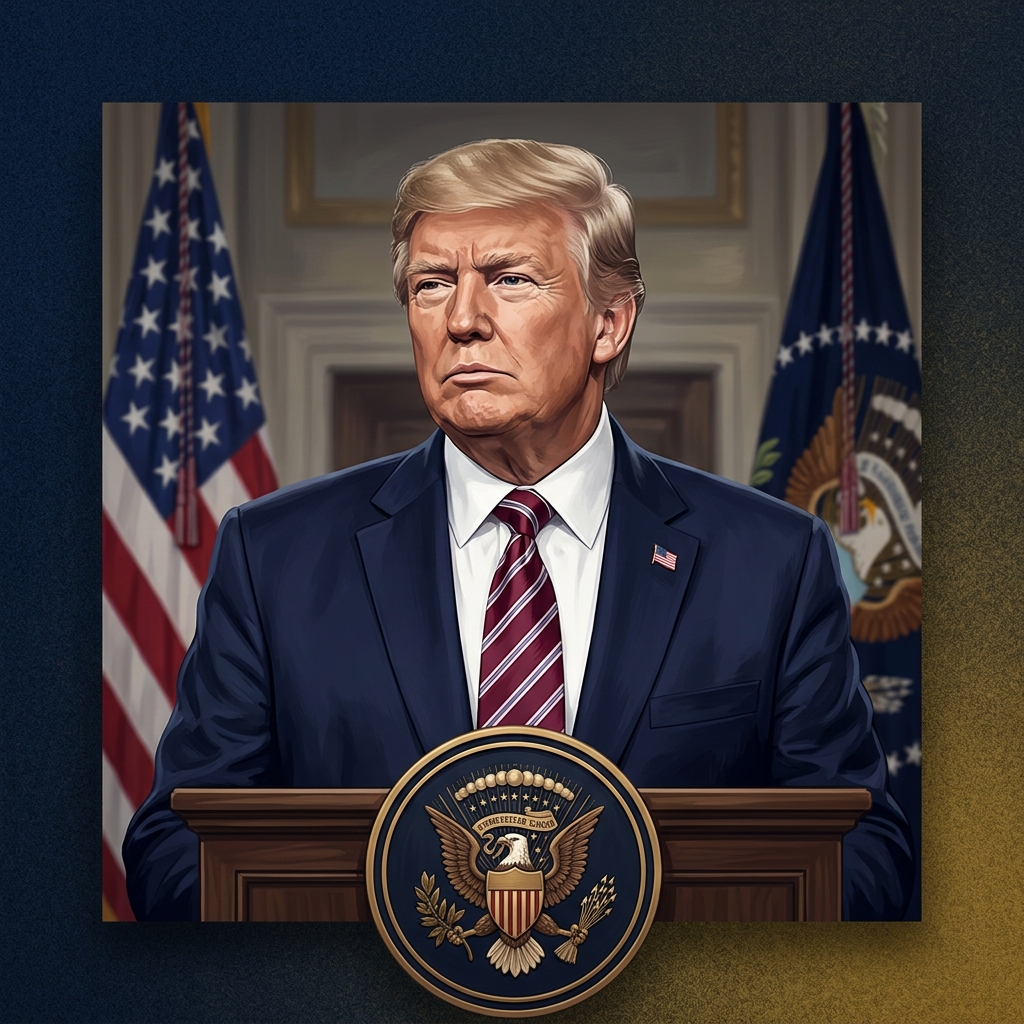
VS
Pentagon employees

The Trump administration and Pentagon employees are in conflict over personnel policies and workplace conditions.
The Trump administration, led by President Donald Trump and Defense Secretary Pete Hegseth, has implemented significant workforce changes at the Pentagon, including firing thousands of civilian employees and senior military officers.
Pentagon employees, including civilian staff and military personnel, are affected by these actions, which have raised concerns about morale and stability within the Department of Defense.
The disagreement centers on the administration's approach to managing the Pentagon workforce, which includes mass firings and other personnel actions that employees and critics argue undermine national security and institutional stability.
The administration defends these moves as necessary reforms, while employees and observers worry about the impact on military readiness and the treatment of personnel.
The stakes are high, as these actions affect the functioning of the U.S. military and its ability to carry out its missions.
The conflict also touches on broader issues of civilian control of the military and the balance between political leadership and professional expertise.
*AI-generated summary of publicly available data. This is not an official statement of any party.
*AI-generated summary of publicly available statements and reporting. This is not an official statement of this party.
Supporters of Trump administration argue that rigorous polygraphs honor a culture of sacrifice, where loyalty to national security outweighs individual comfort, citing historical precedents of wartime vigilance as duty.
Supporters of the Trump administration argue the polygraph program reflects a cultural norm of sacrifice for national security, viewing employee privacy concerns as secondary to the duty of protecting troops who face dwindling munitions.
Trump administration supporters counter that institutional honor is preserved by vigilance, not presumption; polygraphs affirm the sacred trust warriors place in protecting secrets, as past loyalty reviews did in wartime.
Supporters of the Trump administration argue the polygraph orders are legal, grounded in national-security law and employee obligations, treating leak prevention as a lawful managerial duty.
Supporters of Trump administration argue the polygraph program is lawful under national-security regulations, targeting leaks that endanger troops and allied supply lines.
Supporters of the Trump administration counter that the polygraph orders fall squarely within the executive’s statutory authority over security clearance eligibility, which courts have long treated as a privilege, not a due process right.
Supporters of the Trump administration argue the polygraph sweep is raw leverage, not paranoia: leaks on dwindling stocks undercut deterrence and hand rivals a roadmap, so forcing loyalty tests on Pentagon staff is a calculated power play to reclaim control over information.
Supporters of the Trump administration argue the polygraph sweep is raw leverage, not paranoia; leaking weapons shortfalls undercuts deterrence, so forcing loyalty tests shifts the Pentagon’s real incentive from self-protection to survival.
Supporters of the Trump administration counter that the sweep is a standard counterintelligence measure, asserting that control over classified information is a commander-in-chief’s duty, not intimidation—dissenters who leak undermine operational security and must face consequenc.
Supporters of the Trump administration argue that deterring leaks is a moral duty to protect troops, as revealing dwindling weapons stocks endangers lives; they view polygraphs as a proportionate, lawful cost to uphold national security over employee comfort.
Supporters of the Trump administration argue that safeguarding troop readiness outweighs employee comfort, framing leak-driven polygraphs as a moral duty to protect lives over privacy.
Supporters of the Trump administration counter that loyalty is proven through verified conduct, not assumed trust, and that polygraphs uphold a moral duty to protect national secrets over individual comfort.
Supporters of the Trump administration argue that safeguarding national security is a sacred duty, and polygraphs uphold a moral order where loyalty to the state precedes individual comfort.
Supporters of the Trump administration argue that safeguarding national secrets is a sacred civic duty, upheld through the lawful, orderly use of polygraphs to restore trust in institutions.
Supporters of the Trump administration counter that scripture also demands loyalty and obedience to lawful authority, as Paul writes in Romans 13, and that oaths affirm, not presume, an employee's sacred duty to God and country.
*AI-generated summary of publicly available statements and reporting. This is not an official statement of this party.
Supporters of Pentagon employees argue that broad polygraph testing presumes collective guilt, eroding the trust and honor that sustain the military’s institutional culture.
Supporters of Pentagon employees argue that mass polygraphs erode the institution’s trust and honor, treating career civil servants as suspects rather than guardians of national tradition.
Supporters of Pentagon employees counter that polygraphs erode, not honor, the culture of sacrifice, as trust and shared mission—not suspicion—define the institution's tradition.
Supporters of Pentagon employees argue the polygraph orders exceed legal authority, as broad testing without individualized suspicion violates due process and statutory limits.
Supporters of Pentagon employees argue the polygraph order lacks legal grounding, as sweeping tests without individualized suspicion violate due process and statutory privacy protections.
Supporters of Pentagon employees counter that administrative polygraphs exceed statutory bounds without individual suspicion or judicial oversight, framing the orders as an unlawful expansion of managerial power rather than a lawful security measure.
Supporters of Pentagon employees argue the polygraph sweep is a power play, not a leak hunt—a tool to intimidate dissent and tighten control over information flows.
Pentagon employees' supporters argue the polygraph sweep is a power play, not security—a tool to intimidate leakers and silence dissent over dwindling stockpiles. For them, loyalty tests mask the administration's failure to address real readiness gaps.
Supporters of Pentagon employees counter that the sweep exposes a deeper vulnerability: loyalty tests cannot mend broken trust, and coercion breeds calculated compliance, not security.
Supporters of Pentagon employees argue that blanket polygraphs presume guilt and erode the moral trust binding national security work, treating loyal staff as suspects.
Supporters of Pentagon employees argue that loyalty oaths and polygraphs presume guilt, eroding the moral trust that underpins honorable service.
Supporters of Pentagon employees counter that loyalty oaths and polygraphs cannot substitute for truthful stewardship, as coercing confession undermines the very integrity needed to protect troops.
Supporters of Pentagon employees argue that truthfulness before God and country does not require forced oaths under suspicion; scripture teaches that leaders must not bear false witness against neighbors, and these tests presume guilt, violating the biblical call for just and mer.
Supporters of Pentagon employees argue that trust, not suspicion, reflects divine order, and that forced polygraphs presume guilt, violating the God-given dignity of the accused.
Supporters of Pentagon employees counter that no polygraph can measure the soul’s fidelity, for scripture teaches that God alone searches the heart, and coerced oaths profane the truth they claim to protect.
AI-generated summary of publicly available statements and reporting. This is not an official statement of this party.
Supporters of Trump administration argue that rigorous polygraphs honor a culture of sacrifice, where loyalty to national security outweighs individual comfort, citing historical precedents of wartime vigilance as duty.
Supporters of the Trump administration argue the polygraph program reflects a cultural norm of sacrifice for national security, viewing employee privacy concerns as secondary to the duty of protecting troops who face dwindling munitions.
Trump administration supporters counter that institutional honor is preserved by vigilance, not presumption; polygraphs affirm the sacred trust warriors place in protecting secrets, as past loyalty reviews did in wartime.
Supporters of the Trump administration argue the polygraph orders are legal, grounded in national-security law and employee obligations, treating leak prevention as a lawful managerial duty.
Supporters of Trump administration argue the polygraph program is lawful under national-security regulations, targeting leaks that endanger troops and allied supply lines.
Supporters of the Trump administration counter that the polygraph orders fall squarely within the executive’s statutory authority over security clearance eligibility, which courts have long treated as a privilege, not a due process right.
Supporters of the Trump administration argue the polygraph sweep is raw leverage, not paranoia: leaks on dwindling stocks undercut deterrence and hand rivals a roadmap, so forcing loyalty tests on Pentagon staff is a calculated power play to reclaim control over information.
Supporters of the Trump administration argue the polygraph sweep is raw leverage, not paranoia; leaking weapons shortfalls undercuts deterrence, so forcing loyalty tests shifts the Pentagon’s real incentive from self-protection to survival.
Supporters of the Trump administration counter that the sweep is a standard counterintelligence measure, asserting that control over classified information is a commander-in-chief’s duty, not intimidation—dissenters who leak undermine operational security and must face consequenc.
Supporters of the Trump administration argue that deterring leaks is a moral duty to protect troops, as revealing dwindling weapons stocks endangers lives; they view polygraphs as a proportionate, lawful cost to uphold national security over employee comfort.
Supporters of the Trump administration argue that safeguarding troop readiness outweighs employee comfort, framing leak-driven polygraphs as a moral duty to protect lives over privacy.
Supporters of the Trump administration counter that loyalty is proven through verified conduct, not assumed trust, and that polygraphs uphold a moral duty to protect national secrets over individual comfort.
Supporters of the Trump administration argue that safeguarding national security is a sacred duty, and polygraphs uphold a moral order where loyalty to the state precedes individual comfort.
Supporters of the Trump administration argue that safeguarding national secrets is a sacred civic duty, upheld through the lawful, orderly use of polygraphs to restore trust in institutions.
Supporters of the Trump administration counter that scripture also demands loyalty and obedience to lawful authority, as Paul writes in Romans 13, and that oaths affirm, not presume, an employee's sacred duty to God and country.
Supporters of Pentagon employees argue that broad polygraph testing presumes collective guilt, eroding the trust and honor that sustain the military’s institutional culture.
Supporters of Pentagon employees argue that mass polygraphs erode the institution’s trust and honor, treating career civil servants as suspects rather than guardians of national tradition.
Supporters of Pentagon employees counter that polygraphs erode, not honor, the culture of sacrifice, as trust and shared mission—not suspicion—define the institution's tradition.
Supporters of Pentagon employees argue the polygraph orders exceed legal authority, as broad testing without individualized suspicion violates due process and statutory limits.
Supporters of Pentagon employees argue the polygraph order lacks legal grounding, as sweeping tests without individualized suspicion violate due process and statutory privacy protections.
Supporters of Pentagon employees counter that administrative polygraphs exceed statutory bounds without individual suspicion or judicial oversight, framing the orders as an unlawful expansion of managerial power rather than a lawful security measure.
Supporters of Pentagon employees argue the polygraph sweep is a power play, not a leak hunt—a tool to intimidate dissent and tighten control over information flows.
Pentagon employees' supporters argue the polygraph sweep is a power play, not security—a tool to intimidate leakers and silence dissent over dwindling stockpiles. For them, loyalty tests mask the administration's failure to address real readiness gaps.
Supporters of Pentagon employees counter that the sweep exposes a deeper vulnerability: loyalty tests cannot mend broken trust, and coercion breeds calculated compliance, not security.
Supporters of Pentagon employees argue that blanket polygraphs presume guilt and erode the moral trust binding national security work, treating loyal staff as suspects.
Supporters of Pentagon employees argue that loyalty oaths and polygraphs presume guilt, eroding the moral trust that underpins honorable service.
Supporters of Pentagon employees counter that loyalty oaths and polygraphs cannot substitute for truthful stewardship, as coercing confession undermines the very integrity needed to protect troops.
Supporters of Pentagon employees argue that truthfulness before God and country does not require forced oaths under suspicion; scripture teaches that leaders must not bear false witness against neighbors, and these tests presume guilt, violating the biblical call for just and mer.
Supporters of Pentagon employees argue that trust, not suspicion, reflects divine order, and that forced polygraphs presume guilt, violating the God-given dignity of the accused.
Supporters of Pentagon employees counter that no polygraph can measure the soul’s fidelity, for scripture teaches that God alone searches the heart, and coerced oaths profane the truth they claim to protect.
Reports of dwindling US weapons stocks have triggered an unusually sweeping hunt for leakers inside the Pentagon.
The Pentagon secretly placed military influencers, including retired colonels Rob Maness and Kurt Schlichter, in civilian roles.
An analysis examined the firing of 15 senior military officers, focusing on military readiness, Pentagon morale, and national security.
Over the weekend, the Trump administration fired several high-ranking military leaders and announced plans to fire over 5,000 probationary employees.
The Pentagon said it would fire about 5,400 civilian employees beginning next week in an 'initial' purge of its workforce.
The Trump administration is throwing more Pentagon reporters out of their workspaces.