Trump administration
VS
Public health officials

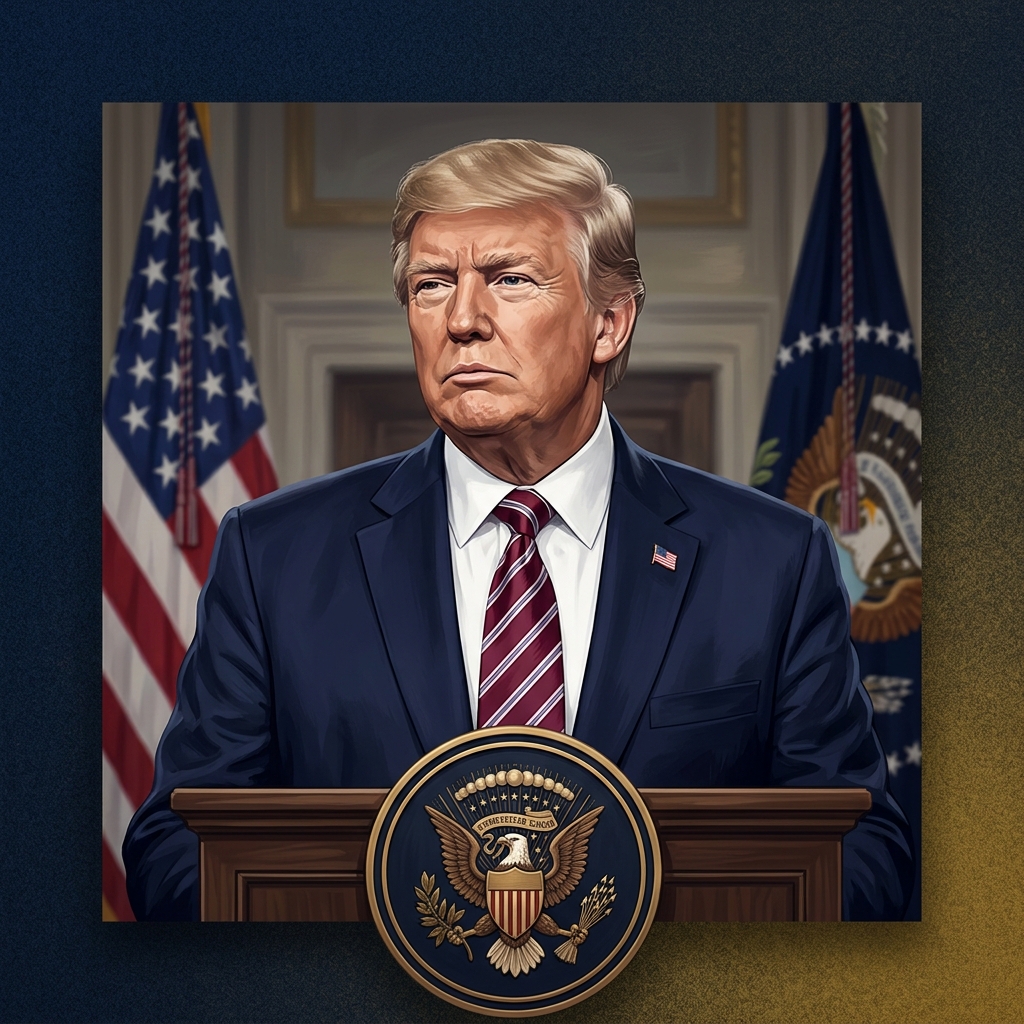
The Trump administration is the executive branch of the U.S. government led by President Donald Trump, whose second term began in January 2025.
Public health officials include professionals and institutions such as the Centers for Disease Control and Prevention (CDC), the Department of Health and Human Services (HHS), and organizations like the American Public Health Association (APHA), who are responsible for safeguarding population health through evidence-based policies and programs.
The conflict centers on the administration's actions that undermine public health institutions and policies.
The administration has reduced HHS staff by 20,000, pulled $11 billion from state and local health departments, and disrupted routine public health communications and surveillance.
It has also pressured the CDC to edit and delay data on COVID-19, and through HHS Secretary Robert F.
Kennedy Jr., made unilateral changes to vaccine guidelines without evidence, which public health officials oppose as harmful to vaccine access and public health.
These actions have weakened the U.S. public health system, leaving it reeling and undermining U.S. leadership in global health.
The stakes include the ability to respond to pandemics, maintain routine immunizations, and protect the public from preventable diseases.
*AI-generated summary of publicly available data. This is not an official statement of any party.
*AI-generated summary of publicly available statements and reporting. This is not an official statement of this party.
Supporters of the Trump administration argue that the executive order defends parental authority and cultural trust in medical choice, viewing standard vaccine schedules as a federal overreach that erodes family autonomy.
Supporters of the Trump administration argue that the executive order defends parental authority and cultural trust in medical choice over one-size-fits-all schedules, preserving family autonomy as a national value.
Supporters of the Trump administration counter that vaccine mandates erode cultural trust by overriding parental authority and medical freedom.
Supporters of the Trump administration argue the executive order rests on parental authority and informed consent, a legal right to choose vaccine schedules without federal mandate.
Supporters of the Trump administration argue that executive authority legally permits revising vaccine schedules, framing the order as a valid exercise of presidential power over federal health rules.
Supporters of the Trump administration counter that the executive order falls within presidential authority over federal workforce management, and that CDC schedules are advisory guidelines, not binding statutory mandates.
Supporters of Trump administration argue the order breaks the medical establishment’s monopoly, forcing a choice that shifts power to parents; they see the autism claim as a lever, not science, to dismantle a system they distrust.
Supporters of the Trump administration argue the order exploits parental distrust to break bureaucratic consensus, treating vaccine policy as a power play where public health officials lose monopoly control over child health.
Supporters of the Trump administration counter that splitting vaccines is a pragmatic hedge against public distrust, not a surrender to fear, and that preserving any uptake of protection outweighs an unachievable herd immunity.
Supporters of the Trump administration argue that parental authority over childhood medical decisions is a moral imperative, outweighing collective health directives, and they frame the vaccine policy as protecting vulnerable children from perceived harm, prioritizing individual.
Supporters of the Trump administration argue that parental authority over childhood vaccines is a moral duty, prioritizing individual consent over coercive public health mandates.
Supporters of the Trump administration counter that protecting children’s health is best served by transparent, individualized vaccine decisions, not one-size-fits-all schedules driven by institutional consensus.
Supporters of the Trump administration argue that the executive order reflects a moral duty to protect the God-given innocence of children, prioritizing parental conscience over a one-size-fits-all medical schedule.
Supporters of the Trump administration argue that parental authority over a child’s body is a sacred duty, rooted in divine stewardship, and that splitting vaccines respects this God-given responsibility over rigid mandates.
Supporters of the Trump administration counter that divine order grants parents stewardship over their children’s bodies, not the state, and that mandated schedules usurp this sacred duty.
*AI-generated summary of publicly available statements and reporting. This is not an official statement of this party.
Supporters of public health officials argue that standard vaccination schedules preserve a hard-won cultural trust in medical science, one built over generations of public health victories.
Supporters of public health officials argue that the standard vaccine schedule reflects decades of accumulated medical wisdom and cultural trust in science, which the executive order recklessly destabilizes.
Supporters of Public health officials counter that community immunity is a shared cultural duty, not a federal intrusion, and that parental choice must yield to collective protection of vulnerable children.
Supporters of public health officials argue the executive order violates federal vaccine mandates, citing statutory authority that requires adherence to CDC schedules.
Supporters of public health officials argue that the executive order violates federal vaccine mandates and public health law, which require evidence-based schedules to protect children.
Supporters of public health officials counter that parental authority is not absolute under law, as courts have long upheld state police powers to mandate vaccines for the common good, citing Jacobson v. Massachusetts.
Supporters of public health officials argue that splitting vaccines is a concession to fear, not science, and that the administration’s move trades proven herd immunity for political loyalty to a discredited theory.
Supporters of public health officials argue the executive order weaponizes a debunked autism claim to consolidate executive power, forcing scientists into a defensive posture that erodes institutional credibility and empirical authority.
Supporters of public health officials counter that the autism claim is a deliberate, cynical lever for deregulation, not a good-faith critique; they argue it weaponizes parental fear to erode vaccine mandates, shifting power not to families but to profit-driven markets and unprov.
Supporters of public health officials argue that prioritizing profit-driven vaccine schedules over proven medical consensus violates the moral duty to protect children from preventable harm.
Supporters of public health officials argue that protecting children from preventable disease is a moral duty that outweighs deference to debunked theories, and they see standard schedules as the ethical safeguard of community well-being.
Supporters of public health officials counter that parental authority does not negate a child’s right to protection from preventable, life-threatening disease, arguing that the moral duty to shield the most vulnerable children—who cannot choose for themselves—outweighs individual.
Supporters of public health officials argue that standard vaccine schedules reflect an inherited duty to protect the vulnerable, a stewardship honored by precedent and divine order.
Supporters of public health officials argue that standard vaccine schedules honor the God-given duty to protect the most vulnerable, preserving communal health as a sacred trust.
Supporters of Public health officials counter that protecting children’s God-given innocence includes safeguarding their bodies from preventable disease, and that parental conscience cannot override the collective moral duty to shield the vulnerable.
AI-generated summary of publicly available statements and reporting. This is not an official statement of this party.
Supporters of the Trump administration argue that the executive order defends parental authority and cultural trust in medical choice, viewing standard vaccine schedules as a federal overreach that erodes family autonomy.
Supporters of the Trump administration argue that the executive order defends parental authority and cultural trust in medical choice over one-size-fits-all schedules, preserving family autonomy as a national value.
Supporters of the Trump administration counter that vaccine mandates erode cultural trust by overriding parental authority and medical freedom.
Supporters of the Trump administration argue the executive order rests on parental authority and informed consent, a legal right to choose vaccine schedules without federal mandate.
Supporters of the Trump administration argue that executive authority legally permits revising vaccine schedules, framing the order as a valid exercise of presidential power over federal health rules.
Supporters of the Trump administration counter that the executive order falls within presidential authority over federal workforce management, and that CDC schedules are advisory guidelines, not binding statutory mandates.
Supporters of Trump administration argue the order breaks the medical establishment’s monopoly, forcing a choice that shifts power to parents; they see the autism claim as a lever, not science, to dismantle a system they distrust.
Supporters of the Trump administration argue the order exploits parental distrust to break bureaucratic consensus, treating vaccine policy as a power play where public health officials lose monopoly control over child health.
Supporters of the Trump administration counter that splitting vaccines is a pragmatic hedge against public distrust, not a surrender to fear, and that preserving any uptake of protection outweighs an unachievable herd immunity.
Supporters of the Trump administration argue that parental authority over childhood medical decisions is a moral imperative, outweighing collective health directives, and they frame the vaccine policy as protecting vulnerable children from perceived harm, prioritizing individual.
Supporters of the Trump administration argue that parental authority over childhood vaccines is a moral duty, prioritizing individual consent over coercive public health mandates.
Supporters of the Trump administration counter that protecting children’s health is best served by transparent, individualized vaccine decisions, not one-size-fits-all schedules driven by institutional consensus.
Supporters of the Trump administration argue that the executive order reflects a moral duty to protect the God-given innocence of children, prioritizing parental conscience over a one-size-fits-all medical schedule.
Supporters of the Trump administration argue that parental authority over a child’s body is a sacred duty, rooted in divine stewardship, and that splitting vaccines respects this God-given responsibility over rigid mandates.
Supporters of the Trump administration counter that divine order grants parents stewardship over their children’s bodies, not the state, and that mandated schedules usurp this sacred duty.
Supporters of public health officials argue that standard vaccination schedules preserve a hard-won cultural trust in medical science, one built over generations of public health victories.
Supporters of public health officials argue that the standard vaccine schedule reflects decades of accumulated medical wisdom and cultural trust in science, which the executive order recklessly destabilizes.
Supporters of Public health officials counter that community immunity is a shared cultural duty, not a federal intrusion, and that parental choice must yield to collective protection of vulnerable children.
Supporters of public health officials argue the executive order violates federal vaccine mandates, citing statutory authority that requires adherence to CDC schedules.
Supporters of public health officials argue that the executive order violates federal vaccine mandates and public health law, which require evidence-based schedules to protect children.
Supporters of public health officials counter that parental authority is not absolute under law, as courts have long upheld state police powers to mandate vaccines for the common good, citing Jacobson v. Massachusetts.
Supporters of public health officials argue that splitting vaccines is a concession to fear, not science, and that the administration’s move trades proven herd immunity for political loyalty to a discredited theory.
Supporters of public health officials argue the executive order weaponizes a debunked autism claim to consolidate executive power, forcing scientists into a defensive posture that erodes institutional credibility and empirical authority.
Supporters of public health officials counter that the autism claim is a deliberate, cynical lever for deregulation, not a good-faith critique; they argue it weaponizes parental fear to erode vaccine mandates, shifting power not to families but to profit-driven markets and unprov.
Supporters of public health officials argue that prioritizing profit-driven vaccine schedules over proven medical consensus violates the moral duty to protect children from preventable harm.
Supporters of public health officials argue that protecting children from preventable disease is a moral duty that outweighs deference to debunked theories, and they see standard schedules as the ethical safeguard of community well-being.
Supporters of public health officials counter that parental authority does not negate a child’s right to protection from preventable, life-threatening disease, arguing that the moral duty to shield the most vulnerable children—who cannot choose for themselves—outweighs individual.
Supporters of public health officials argue that standard vaccine schedules reflect an inherited duty to protect the vulnerable, a stewardship honored by precedent and divine order.
Supporters of public health officials argue that standard vaccine schedules honor the God-given duty to protect the most vulnerable, preserving communal health as a sacred trust.
Supporters of Public health officials counter that protecting children’s God-given innocence includes safeguarding their bodies from preventable disease, and that parental conscience cannot override the collective moral duty to shield the vulnerable.
President Trump issued an executive order aimed at reducing vaccinations.
President Donald Trump and his Health Secretary Robert F. Kennedy Jr. have long tried to reduce the number of vaccinations available to the US public and even farm animals. The latest move in context.
PBS NewsHour reported that the administration's deep cuts to public health left the system reeling, highlighting the impact of funding reductions and staff losses.
The Economic Policy Institute reported that the Trump administration reduced HHS staff by approximately 20,000 employees, part of broader cuts to public health infrastructure.
President Trump signed an executive order calling for fewer childhood vaccinations and splitting the MMR vaccine.
The Trump administration pulled $11 billion from state and local health departments without warning, under the leadership of Health and Human Services Secretary Robert F. Kennedy Jr.
Trump signs an executive order to limit and split childhood vaccines, citing a discredited link to autism.
Trump administration actions disrupted routine public health communications, reduced public health surveillance, and removed infrastructure, according to a 2025 study by Greer et al.
Political appointees at HHS repeatedly pressured the CDC to edit and delay data and studies about COVID-19 in its Morbidity and Mortality Weekly Report, as reported by the Brennan Center.
The administration, through RFK Jr., made changes to vaccine guidelines unilaterally and without evidence, according to the American Public Health Association.