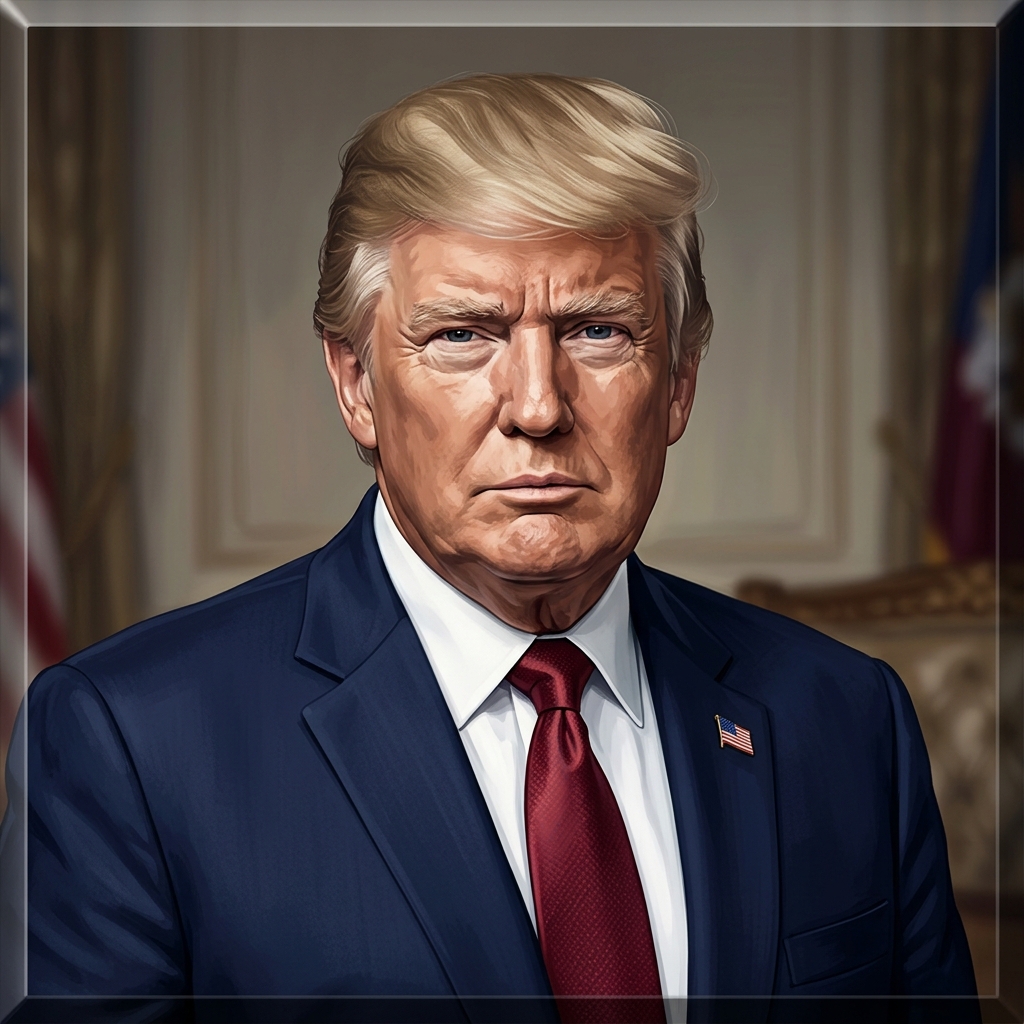
Trump administration

VS
Putin
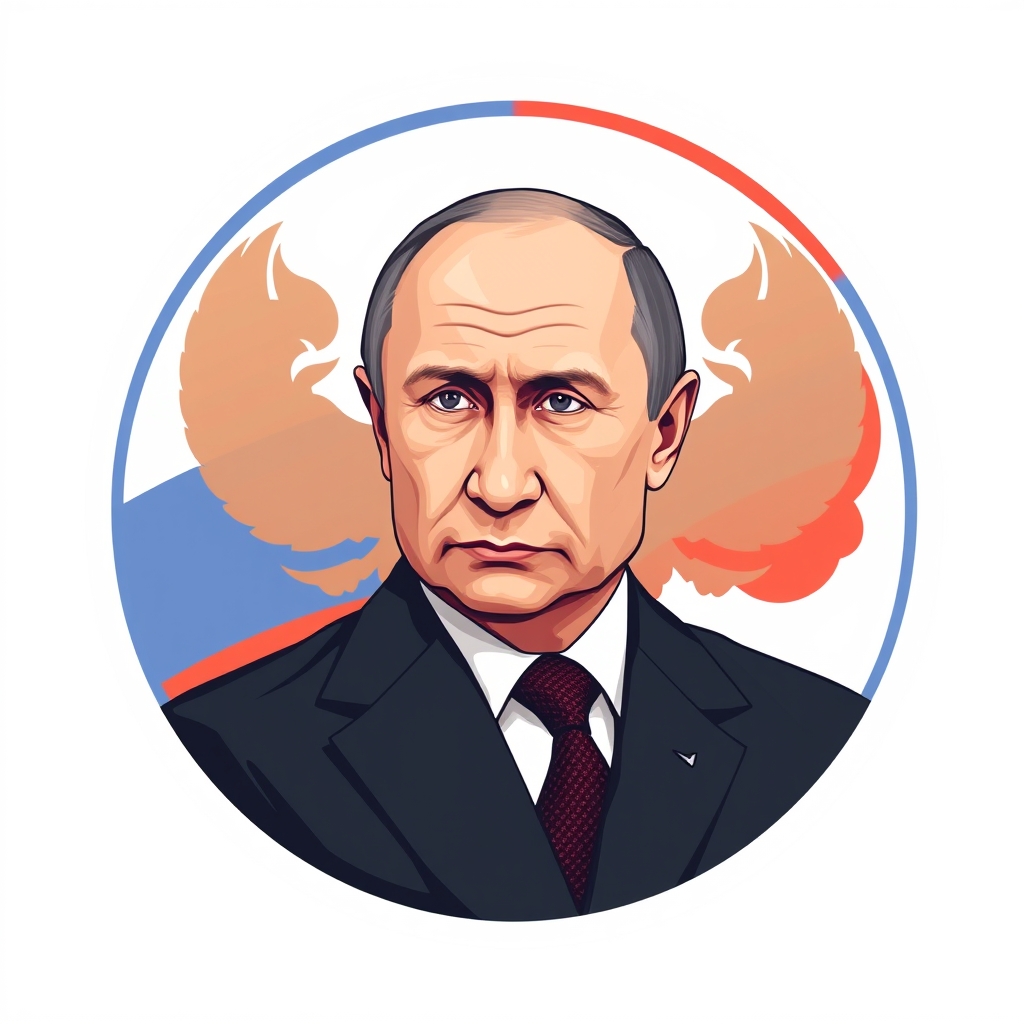
The Trump administration, led by US President Donald Trump, and the Russian government, led by President Vladimir Putin, are the two sides in this relationship.
Trump's supporters, part of the MAGA movement, view Russia as an "anti-woke" ally, while Trump has a history of praising Putin as a strong leader.
Putin, for his part, seeks to challenge the existing international order, which Trump has also opposed throughout his career.
Their conflicting interests center on the war in Ukraine.
The Trump administration is pushing for a peace deal, while Russia's actions in Ukraine have led to tensions with the West.
In a recent phone call, Putin assured Trump that Russia has no aggressive intentions toward Europe and offered suggestions to hasten the end of the conflict, but the war could still drag on for years.
*AI-generated summary of publicly available data. This is not an official statement of any party.
*AI-generated summary of publicly available statements and reporting. This is not an official statement of this party.
Supporters of the Trump administration view the frank call as a historic precedent, harkening to Cold War-era diplomacy where direct leader talks, not proxy battles, forged uneasy peace.
Supporters of the Trump administration view the call as a return to great-power diplomacy, arguing that direct dialogue with Putin reflects a historic American tradition of pragmatic negotiation rather than isolation.
Supporters of the Trump administration counter that Putin’s appeal to cultural sovereignty masks a history of imperial aggression, and that true traditional order respects national borders, which Russia’s actions have repeatedly violated.
Supporters of the Trump administration argue that brokering direct dialogue with Putin falls within the executive branch’s lawful diplomatic authority, citing precedent for presidential engagement in foreign conflict resolution as a constitutional prerogative.
Supporters of the Trump administration argue the call reflects lawful executive diplomacy, grounded in the president’s constitutional authority to conduct foreign affairs without congressional pre-approval.
Supporters of the Trump administration counter that the call does not validate Russia’s legal position, as Kyiv’s sovereignty rests on UN Charter and bilateral treaties, not on unilateral territorial claims.
Supporters of the Trump administration argue the "frank" call is a power play, not diplomacy; engaging Putin directly reasserts Washington as the sole dealmaker, forcing Kyiv to accept terms while Moscow gains legitimacy—pragmatism over idealism.
Supporters of the Trump administration argue the phone call is realpolitik leverage, not friendship; engaging Putin directly to secure a concrete ceasefire deal is the only incentive-based path to ending the war.
Supporters of the Trump administration counter that envoy trips signal leverage, not concession, framing Putin's demands as opening bids that Washington uses to set the negotiation table's terms.
Supporters of the Trump administration argue that dialogue with Putin is a moral imperative to end bloodshed, framing direct engagement as a necessary step toward peace rather than an endorsement of aggression.
Supporters of the Trump administration argue that pursuing direct dialogue with Putin reflects a moral commitment to ending bloodshed, viewing peace talks as an ethical imperative over prolonged warfare.
Supporters of the Trump administration counter that moral clarity demands rejecting any legitimacy for Russia’s territorial conquest, as rewarding aggression undermines the very principle of sovereignty that protects all nations.
Supporters of the Trump administration argue that peacemaking reflects divine order, citing scripture that blessed are the peacemakers, and they view the frank call as a faithful step toward ending bloodshed.
Supporters of the Trump administration argue that its peace efforts reflect a divine mandate for reconciliation, viewing the frank call as a step toward a God-ordained end to bloodshed.
Supporters of the Trump administration counter that Russia’s invasion of Ukraine violates the very Christian commandment to love one’s neighbor, and that no sacred framing justifies unprovoked aggression against a sovereign nation.
*AI-generated summary of publicly available statements and reporting. This is not an official statement of this party.
Supporters of Putin argue that Russia’s stance upholds cultural sovereignty against Western-imposed norms, viewing peace talks as a defense of traditional order.
Supporters of Putin argue that the phone call underscores Russia's role as a guardian of traditional spheres of influence, where stability is rooted in respecting historical borders and cultural ties.
Supporters of Putin counter that this call ignores Russia’s cultural memory of Western betrayal, where such “frank talks” historically masked disregard for Moscow’s security interests, from NATO expansion to broken assurances.
Supporters of Putin argue the phone call affirms Russia's legal stance that Ukraine's status requires negotiated settlement, not unilateral US dictates.
Supporters of Putin argue the call affirms Russia’s legal right to veto any peace terms imposed without Moscow’s consent, citing sovereignty as the sole lawful basis for negotiation.
Supporters of Putin counter that the Trump administration’s direct dialogue exceeds legal bounds under the U.S. Constitution, as it bypasses Senate treaty ratification and congressional oversight required for binding security commitments.
Supporters of Putin argue the call proves Russia dictates peace terms, not Washington, with Trump's envoy trips signaling US concessions before talks even begin.
Supporters of Putin see the "frank" call as Moscow’s leverage paying off: Washington needs a deal more than Russia does, and Trump’s envoy visits signal concession, not pressure.
Supporters of Putin counter that the call exposes Trump’s weakness, not strength: legitimizing Moscow costs Kyiv nothing, while Washington’s need to force terms proves its dwindling leverage.
Supporters of Putin argue that the moral onus rests on the West to recognize Russia's security concerns as legitimate, framing the call as a necessary step toward a fair peace that acknowledges the reality of territorial control rather than imposing a victor's justice.
Supporters of Putin argue that the moral imperative lies in halting further bloodshed, framing the 'frank' call as a pragmatic step toward peace that Ukraine’s Western backers, in their view, undermine by prioritizing escalation over negotiation.
Supporters of Putin counter that the moral imperative rests on acknowledging Russia’s security concerns, not on unconditional dialogue; peace without addressing NATO’s expansion or Ukraine’s neutrality is hollow.
Supporters of Putin hold that Russia defends Orthodox Christian civilization against Western moral decay, framing the Ukraine conflict as a sacred stand for traditional faith and order.
Supporters of Putin maintain that Russia defends Orthodox Christian civilization against Western secular decay, framing the Ukraine conflict as a sacred struggle for traditional faith and moral order.
Supporters of Putin counter that peace is not a blessing granted by words alone, but a sacred duty to defend the faithful from chaos.
AI-generated summary of publicly available statements and reporting. This is not an official statement of this party.
Supporters of the Trump administration view the frank call as a historic precedent, harkening to Cold War-era diplomacy where direct leader talks, not proxy battles, forged uneasy peace.
Supporters of the Trump administration view the call as a return to great-power diplomacy, arguing that direct dialogue with Putin reflects a historic American tradition of pragmatic negotiation rather than isolation.
Supporters of the Trump administration counter that Putin’s appeal to cultural sovereignty masks a history of imperial aggression, and that true traditional order respects national borders, which Russia’s actions have repeatedly violated.
Supporters of the Trump administration argue that brokering direct dialogue with Putin falls within the executive branch’s lawful diplomatic authority, citing precedent for presidential engagement in foreign conflict resolution as a constitutional prerogative.
Supporters of the Trump administration argue the call reflects lawful executive diplomacy, grounded in the president’s constitutional authority to conduct foreign affairs without congressional pre-approval.
Supporters of the Trump administration counter that the call does not validate Russia’s legal position, as Kyiv’s sovereignty rests on UN Charter and bilateral treaties, not on unilateral territorial claims.
Supporters of the Trump administration argue the "frank" call is a power play, not diplomacy; engaging Putin directly reasserts Washington as the sole dealmaker, forcing Kyiv to accept terms while Moscow gains legitimacy—pragmatism over idealism.
Supporters of the Trump administration argue the phone call is realpolitik leverage, not friendship; engaging Putin directly to secure a concrete ceasefire deal is the only incentive-based path to ending the war.
Supporters of the Trump administration counter that envoy trips signal leverage, not concession, framing Putin's demands as opening bids that Washington uses to set the negotiation table's terms.
Supporters of the Trump administration argue that dialogue with Putin is a moral imperative to end bloodshed, framing direct engagement as a necessary step toward peace rather than an endorsement of aggression.
Supporters of the Trump administration argue that pursuing direct dialogue with Putin reflects a moral commitment to ending bloodshed, viewing peace talks as an ethical imperative over prolonged warfare.
Supporters of the Trump administration counter that moral clarity demands rejecting any legitimacy for Russia’s territorial conquest, as rewarding aggression undermines the very principle of sovereignty that protects all nations.
Supporters of the Trump administration argue that peacemaking reflects divine order, citing scripture that blessed are the peacemakers, and they view the frank call as a faithful step toward ending bloodshed.
Supporters of the Trump administration argue that its peace efforts reflect a divine mandate for reconciliation, viewing the frank call as a step toward a God-ordained end to bloodshed.
Supporters of the Trump administration counter that Russia’s invasion of Ukraine violates the very Christian commandment to love one’s neighbor, and that no sacred framing justifies unprovoked aggression against a sovereign nation.
Supporters of Putin argue that Russia’s stance upholds cultural sovereignty against Western-imposed norms, viewing peace talks as a defense of traditional order.
Supporters of Putin argue that the phone call underscores Russia's role as a guardian of traditional spheres of influence, where stability is rooted in respecting historical borders and cultural ties.
Supporters of Putin counter that this call ignores Russia’s cultural memory of Western betrayal, where such “frank talks” historically masked disregard for Moscow’s security interests, from NATO expansion to broken assurances.
Supporters of Putin argue the phone call affirms Russia's legal stance that Ukraine's status requires negotiated settlement, not unilateral US dictates.
Supporters of Putin argue the call affirms Russia’s legal right to veto any peace terms imposed without Moscow’s consent, citing sovereignty as the sole lawful basis for negotiation.
Supporters of Putin counter that the Trump administration’s direct dialogue exceeds legal bounds under the U.S. Constitution, as it bypasses Senate treaty ratification and congressional oversight required for binding security commitments.
Supporters of Putin argue the call proves Russia dictates peace terms, not Washington, with Trump's envoy trips signaling US concessions before talks even begin.
Supporters of Putin see the "frank" call as Moscow’s leverage paying off: Washington needs a deal more than Russia does, and Trump’s envoy visits signal concession, not pressure.
Supporters of Putin counter that the call exposes Trump’s weakness, not strength: legitimizing Moscow costs Kyiv nothing, while Washington’s need to force terms proves its dwindling leverage.
Supporters of Putin argue that the moral onus rests on the West to recognize Russia's security concerns as legitimate, framing the call as a necessary step toward a fair peace that acknowledges the reality of territorial control rather than imposing a victor's justice.
Supporters of Putin argue that the moral imperative lies in halting further bloodshed, framing the 'frank' call as a pragmatic step toward peace that Ukraine’s Western backers, in their view, undermine by prioritizing escalation over negotiation.
Supporters of Putin counter that the moral imperative rests on acknowledging Russia’s security concerns, not on unconditional dialogue; peace without addressing NATO’s expansion or Ukraine’s neutrality is hollow.
Supporters of Putin hold that Russia defends Orthodox Christian civilization against Western moral decay, framing the Ukraine conflict as a sacred stand for traditional faith and order.
Supporters of Putin maintain that Russia defends Orthodox Christian civilization against Western secular decay, framing the Ukraine conflict as a sacred struggle for traditional faith and moral order.
Supporters of Putin counter that peace is not a blessing granted by words alone, but a sacred duty to defend the faithful from chaos.
A 'frank' phone call between the US and Russian presidents as part of renewed peace efforts.
During a phone call, Putin denied any Kremlin plans to attack the European Union and offered Trump suggestions to hasten an end to the conflict in Ukraine.
The Guardian published an analysis exploring Trump's relationship with Putin, noting that Trump's MAGA supporters see Russia as an 'anti-woke' ally, and describing the relationship as a mystery in international politics.